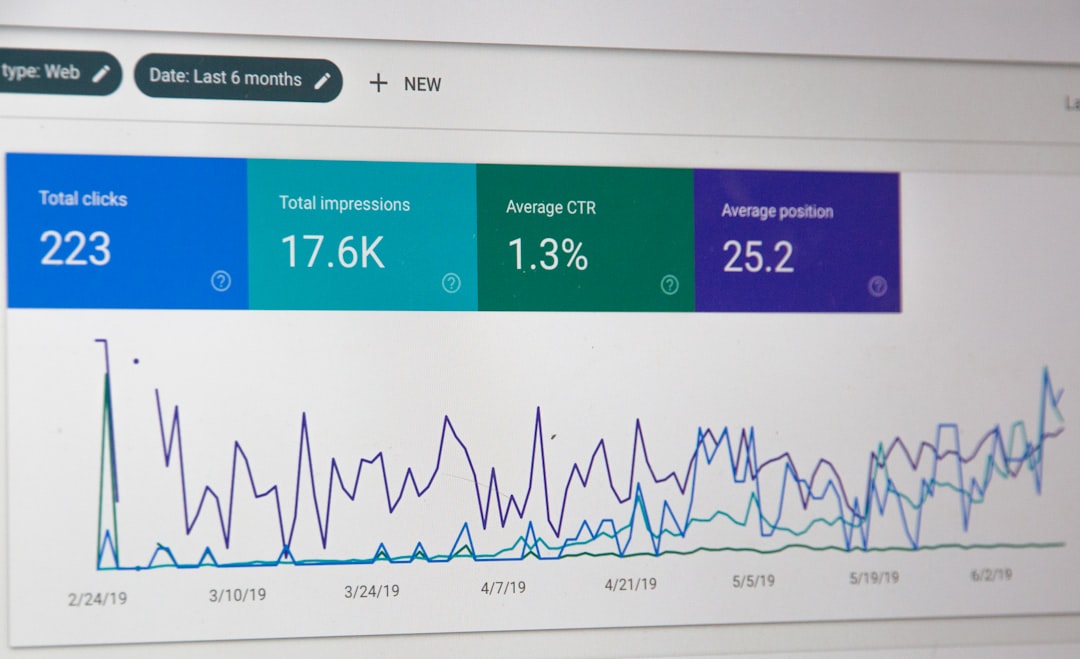
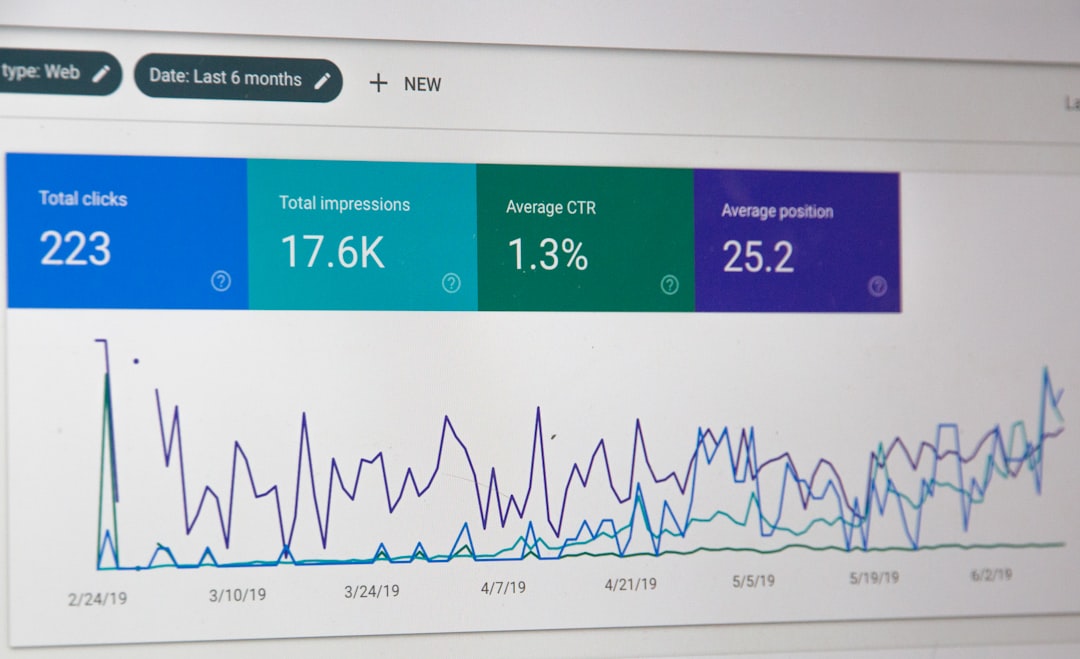
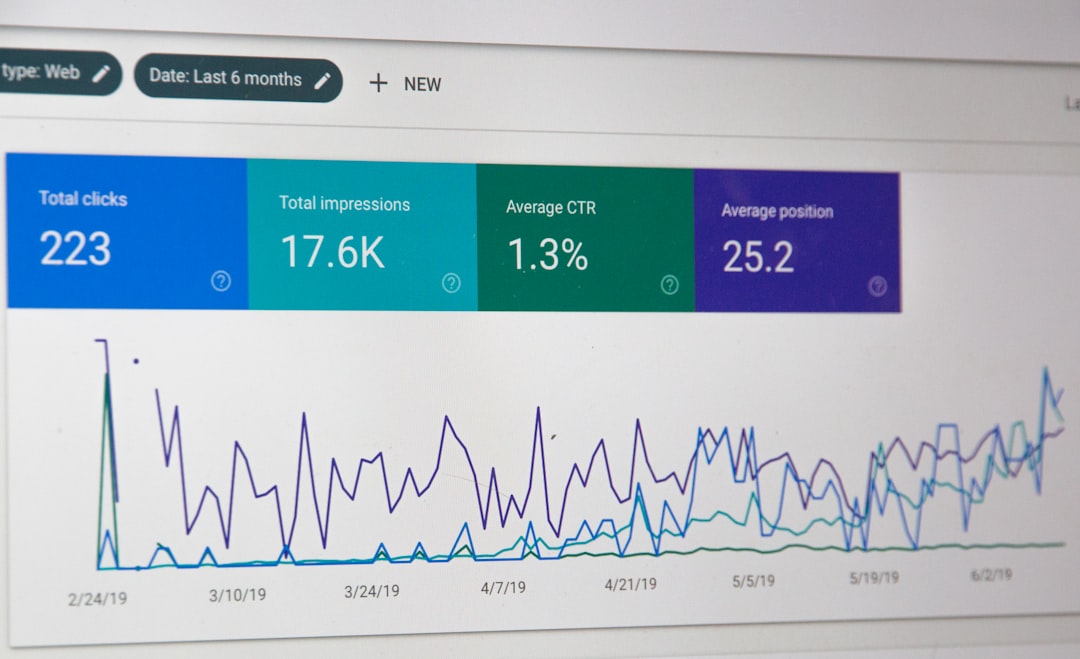
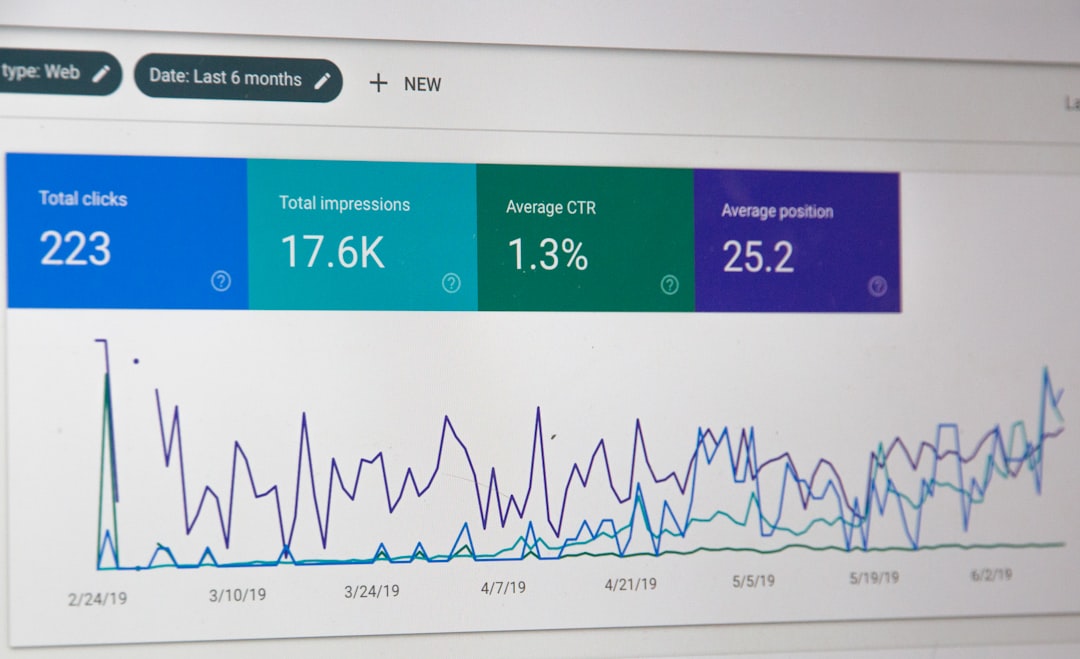
지인 중에 6개월째 블로그 포스팅을 열심히 올리는 분이 있어요. 매주 2~3개씩 꾸준히 쓰는데, 유입이 거의 없다고 하소연을 하더라고요. 글을 들여다봤더니… 키워드 선정 방식이 완전히 2019년 수준이었습니다. 검색량 높고 경쟁 낮은 거 찾아서 제목에 때려박는 방식. 솔직히 말하면, 2026년엔 이 방법으로는 구글 1페이지는커녕 10페이지도 쉽지 않아요.
직접 수십 개 사이트 운영하면서 뼈저리게 느낀 건데, 키워드 리서치는 ‘단어 찾기’가 아니라 ‘사람의 의도를 역설계하는 작업’입니다. 2026년 현재 구글 알고리즘과 AI 검색 환경에서 살아남는 키워드 전략, 지금부터 제대로 파헤쳐 드릴게요.
🔥 2026년 키워드 리서치, 뭐가 달라졌나? (검색량 맹신의 함정)
📊 실전 수치로 보는 롱테일 vs 숏테일 전략 비교
🛠️ 2026년 현재 실제로 쓰는 키워드 툴 TOP 5 비교표
🌐 해외 SEO 전문가들이 말하는 2026 키워드 트렌드
🚫 절대 하지 말아야 할 키워드 리서치 실수 7가지
❓ 자주 묻는 질문 (FAQ)
🔥 2026년 키워드 리서치, 뭐가 달라졌나?
결론부터 말할게요. 2026년 키워드 리서치의 핵심은 ‘검색량(Volume)’이 아니라 ‘의도(Intent)’입니다. 예전엔 월 검색량 1만 이상, 경쟁도 낮음 = 황금 키워드였는데, 지금은 이 공식이 완전히 깨졌어요.
현재 구글 검색의 58.5%는 클릭 없이 끝나는 ‘Zero Click Search’입니다. 사용자가 검색 결과 페이지(SERP)에서 AI 요약이나 featured snippet으로 답을 얻고 바로 나가버리는 거죠. 이 말은 검색량이 높아도 내 사이트로 트래픽이 안 들어올 수 있다는 뜻입니다. 더 무서운 건, AI 검색(ChatGPT, Perplexity 등)의 사용이 폭발적으로 늘면서 전통적인 구글 트래픽 자체가 희석되고 있다는 거예요.
그렇다면 무엇을 봐야 할까요? 바로 검색 의도(Search Intent) + 토픽 권위(Topical Authority) + AI 인용 가능성입니다.
📊 실전 수치로 보는 롱테일 vs 숏테일 전략
많은 분들이 “숏테일이 검색량 많으니까 무조건 좋은 거 아니야?”라고 생각하는데, 데이터를 보면 이야기가 달라집니다.
구분
숏테일 키워드
롱테일 키워드
예시
“키워드 리서치”
“2026 블로그 키워드 리서치 무료 툴 추천”
평균 월 검색량
10,000~50,000
100~1,000
전체 검색 비중
약 8.2%
약 91.8%
전환율(Conversion)
기준치 1x
2.5배 높음
경쟁 강도
매우 높음 (DA 70+ 도메인 점령)
중~낮음
상위노출 난이도
신규 블로그 사실상 불가
3~6개월 내 가능
AI 검색 인용 가능성
낮음 (포괄적 내용)
높음 (구체적 답변 가능)
수치가 명확하죠? 전체 검색의 91.8%가 롱테일이고, 전환율은 숏테일 대비 2.5배 높습니다. 신규 사이트라면 롱테일에 집중하는 게 맞고, 도메인 파워가 어느 정도 쌓였다면 전략적으로 숏테일을 공략하는 방식이 효과적이에요.
⚠️ 손실 시나리오 경고: 숏테일 키워드에만 집중했을 때의 현실적인 리스크를 보여드릴게요. DA(Domain Authority) 30 이하 신규 사이트가 월 검색량 20,000짜리 숏테일 키워드로 콘텐츠를 100개 만든다고 가정하면 → 평균 유기적 트래픽 유입: 월 200~500회 수준. 반면 같은 노력으로 롱테일 100개 → 평균 월 3,000~8,000회. 차이가 10~20배입니다.
🛠️ 2026년 현재 실제로 쓰는 키워드 툴 TOP 5 비교표
툴을 고를 때 주의할 점이 있어요. ChatGPT한테 “키워드 추천해줘”라고 물어보면 안 됩니다. 실제로 테스트해봤는데 검색량 데이터가 완전히 부정확해요. 반드시 전용 키워드 툴을 써야 합니다.
툴 이름
월 비용
강점
약점
추천 대상
Ahrefs
$129~
백링크 분석 최강, 키워드 난이도 정확도 높음
비쌈, 한국어 데이터 일부 미흡
전문 SEO, 에이전시
SEMrush
$139~
경쟁사 키워드 완전 분석, PPC 데이터 포함
UI 복잡, 학습 곡선 있음
마케터, 중소기업
Google Search Console
무료
실제 내 사이트 검색어 데이터, AI Overview 쿼리 포함
신규 사이트 데이터 부족
모든 블로거 필수
Google Keyword Planner
무료
구글 공식 데이터, 광고 연동
검색량 범위가 넓어 정확도 낮음
입문자, 광고주
SE Ranking
$65~
가성비 최고, 한국어 지원
Ahrefs 대비 데이터 규모 작음
개인 블로거, 스타트업
상황별 추천: 월 예산이 없다면 → Google Search Console + Keyword Planner 조합으로 시작. 월 10만 원 이하 투자 가능하면 → SE Ranking이 가성비 최고. 에이전시나 전문 운영자라면 → Ahrefs 또는 SEMrush 둘 중 하나는 반드시 써야 합니다.
🌐 해외 SEO 전문가들이 말하는 2026 키워드 트렌드
해외 자료들을 보면 2026년 키워드 전략의 공통된 흐름이 보입니다. Whitehat SEO의 분석에 따르면, B2B 기업이 전략적 키워드 리서치를 적용했을 때 3년 ROI가 702~1,389%에 달한다는 데이터가 있어요. 반면 키워드 리서치 없이 단순 콘텐츠 마케팅만 했을 때는 ROI 16% 수준에 그쳤습니다. 차이가 어마어마하죠.
또한 2026년 현재의 키워드 리서치는 전통적인 구글 검색 결과 노출 + AI 생성 답변에 인용되는 것, 두 가지를 동시에 잡아야 합니다. Lily Ray(Amsive Digital VP)는 “AI 검색의 영향으로 트래픽 예측을 보수적으로 잡아야 하며, 신뢰성과 독창적인 리서치가 핵심”이라고 강조했어요.
국내 상황도 다르지 않아요. 네이버 블로그와 구글 SEO를 동시에 운영하는 분들이라면 특히 체감할 텐데, 네이버는 여전히 경험담 중심의 ‘C-Rank’ 알고리즘이 강하고, 구글은 AI 개요(AI Overview) 도입 이후 정보성 콘텐츠의 질적 기준이 훨씬 높아졌습니다. 둘 다 잡으려면 키워드 하나에 ‘나의 실제 경험 + 구체적 수치 + 독자 질문 해결’ 삼박자를 갖춰야 해요.
🚫 절대 하지 말아야 할 키워드 리서치 실수 7가지
❌ 검색량만 보고 선택하기 — 제로클릭 비율이 58.5%인 시대에 볼륨 맹신은 자살 행위입니다.
❌ ChatGPT로 키워드 데이터 뽑기 — 실제 테스트 결과, 검색량 수치가 완전히 부정확합니다. 반드시 전용 SEO 툴을 사용하세요.
❌ 경쟁사 글 카피 후 키워드만 바꾸기 — 구글은 이미 이걸 감지합니다. 독창성 없는 콘텐츠는 AI 인용에서도 철저히 제외됩니다.
❌ 한 페이지에 여러 키워드 타깃팅 — 키워드 하나당 콘텐츠 하나의 원칙. 집중하지 않으면 어디서도 상위노출 안 됩니다.
❌ 키워드 리서치를 한 번 하고 방치하기 — 검색 트렌드는 빠르게 바뀝니다. 최소 분기 1회 업데이트는 필수예요.
❌ 의도(Intent) 무시하고 키워드만 매칭 — ‘키워드 리서치 툴’을 검색하는 사람은 리스트/비교글을 원합니다. ‘키워드 리서치 방법’을 검색하는 사람은 튜토리얼을 원해요. 의도를 틀리면 상위노출돼도 이탈률이 90%를 넘어갑니다.
❓ FAQ — 독자들이 가장 많이 묻는 질문
Q1. 무료 툴만으로 키워드 리서치가 가능한가요?
가능합니다. Google Search Console + Google Keyword Planner + AlsoAsked(무료 플랜) 조합으로 기본 리서치는 충분히 됩니다. 다만, 경쟁사 분석이나 정밀한 키워드 난이도 측정은 유료 툴 없이는 한계가 있어요. 초반엔 무료로 시작하되, 월 수익이 생기면 SE Ranking($65~) 정도는 투자하는 걸 권합니다. 시기를 너무 미루면 경쟁사가 이미 다 점령해버려요.
Q2. 네이버 SEO와 구글 SEO 키워드 전략이 다른가요?
네, 명확하게 다릅니다. 네이버는 ‘나의 경험’을 담은 구어체, 감성적 표현이 강한 C-Rank 기반이라 키워드보다 작성자 신뢰도가 중요해요. 구글은 E-E-A-T(경험·전문성·권위·신뢰) 기반으로 정보의 정확성과 구조적 완성도를 봅니다. 2026년 현재 국내 검색 시장은 모바일 네이버 + 구글 AI Overview 양쪽을 다 공략해야 유입 안정성이 생깁니다.
Q3. 경쟁이 너무 심한 키워드는 아예 포기해야 하나요?
반드시 그렇진 않아요. 경쟁도가 높은 키워드라도 현재 상위노출 결과물의 품질이 낮거나, 최신 정보가 없거나, 독자 질문을 제대로 안 다루고 있다면 기회가 있습니다. 단, 이 경우엔 단순 정보 나열이 아닌 ‘실측 데이터 + 실패 사례 + 독창적 관점’이 반드시 들어가야 경쟁력이 생깁니다.
한 줄 평: 키워드 리서치는 블로그의 ‘설계도’입니다. 설계도 없이 집 짓는 사람 없듯이, 키워드 전략 없이 쓴 글은 그냥 인터넷 쓰레기통에 파묻히는 거예요. 2026년엔 검색량 숫자가 아니라 ‘독자의 머릿속’을 읽는 게 핵심입니다.
이 글이 도움이 됐다면, 지금 당장 Google Search Console을 열어서 내 사이트에서 이미 유입되고 있는 검색어를 확인해보세요. 거기서 다음 콘텐츠 키워드의 힌트가 반드시 나옵니다. 실천이 먼저입니다.
I remember sitting in a cramped coffee shop in Seoul back when Ethereum gas fees briefly touched $50 per transaction, watching a developer friend of mine literally rage-quit trying to deploy a simple NFT contract on mainnet. He turned to me and said, “This thing is supposed to be the future of the internet — why does it cost more than my lunch just to write a line to a database?” That conversation stuck with me. Fast-forward to 2026, and the landscape has flipped almost completely. The solution? Layer 2 — and it’s no longer a niche engineering experiment. It’s become the backbone of everything happening in Web3.
If you’ve been watching the blockchain space, you’ll know that scalability has been THE pain point — what researchers call the “blockchain trilemma”: you can’t have decentralization, security, and scalability all at once without clever engineering tricks. Layer 2 (L2) solutions are those tricks. Let’s dig in together and see what’s really happening in 2026, beyond the hype.
📊 The Numbers Don’t Lie: How Big Has L2 Actually Gotten?
Let’s start with the raw data, because the scale of growth here is genuinely hard to wrap your head around.
Layer 2 Total Value Locked has grown sharply since 2023 — at the time, L2s collectively held just under $4 billion in value. By October 2025, that figure had climbed to roughly $47 billion. That’s not a typo. That’s a ~12x increase in under two years.
In 2026, combined Layer 2 networks process close to 2 million transactions per day, roughly double the Ethereum mainnet’s volume. And on the cost side, the improvement is even more dramatic: Ethereum Layer-1 handles roughly 15–30 TPS, while Layer-2 solutions can process up to 10,000+ TPS. Gas fees on Layer-1 often range from $5 to $50+, compared to under $0.01 on Layer-2 — a major cost advantage.
The developer community has clearly voted with their deployments: over 65% of new smart contracts in 2025 were deployed on Layer 2 networks. That’s a structural shift, not a trend.
🔧 The Two Core Technologies: Optimistic vs. ZK Rollups
If you’re new to this space, here’s the core engineering trade-off you need to understand. There are two dominant rollup architectures competing right now, and they make very different technical bets.
Optimistic Rollups — the approach used by Arbitrum and Optimism — work on a “trust but verify” principle. Optimistic Rollups assume transactions are valid by default and only verify if challenged, allowing high throughput with some latency. The catch? By design, they assume transaction validity and rely on a fraud-proof system with a 7-day dispute window. While execution seems simple and cheap, finality takes a long time, and withdrawals are delayed.
ZK Rollups flip this model entirely. Zero-Knowledge (ZK) Rollups use cryptographic proofs to instantly verify transactions, offering superior speed and finality with provable accuracy. The engineering tradeoff? Proof generation is computationally intensive. But here’s the exciting 2026 development: multiple zkEVM implementations are expected to reach production maturity in 2026, narrowing the execution gap between zkEVMs and native EVM chains.
From a pure cryptography engineering perspective, ZK is the long-term winner — but “long-term” in crypto time means “happening right now.”
🏆 The Current Power Rankings: Who’s Actually Winning?
Here’s where the market gets brutally Darwinian. Not all L2s are created equal, and the data tells a clear story.
Three giants now dominate: Arbitrum with $16.63 billion in TVL, Optimism’s Superchain ecosystem at $6 billion, and zkSync’s zero-knowledge infrastructure powering institutional adoption from Deutsche Bank to tokenized securities.
The standout winner has been Coinbase’s Base, built on the OP Stack, having dominated across users, transactions, and overall activity. Layer 2 TVL expanded, but the growth was highly uneven — a clear power-law distribution has formed, with Base capturing the majority of new liquidity while most other L2s saw their TVLs stagnate or decline once incentive programs faded.
On the enterprise adoption front, 2026 has brought some landmark moves: Kraken introduced INK, Uniswap launched UniChain, Sony launched Soneium for gaming and media distribution, and Robinhood integrated Arbitrum for quasi-L2 settlement rails for brokerage clients.
⚙️ Real-World Use Cases: Where L2 Is Actually Running
DeFi (Decentralized Finance): Arbitrum owns DeFi with the deepest liquidity for automated market makers, lending protocols, and derivatives platforms. GMX, Uniswap, Aave, and Curve all have major deployments on Arbitrum.
Consumer Apps & Onboarding: Base has become a general-purpose consumer chain and a soft entry point for non-crypto audiences, leveraging Coinbase’s infrastructure and integrating seamlessly with its 100 million+ users.
Gaming & NFTs: Gaming platforms are using Layer 2 to onboard players without the friction of high gas fees and slow confirmation times. Immutable X remains the go-to for gas-free NFT minting.
Micropayments & Remittances: Payment startups are routing millions of micropayments across Layer 2 rails to serve emerging markets.
Institutional & RWA (Real-World Assets): Tokenized real-world assets on Layer 2 reached a $25 billion market size in 2025, growing 260% year-to-date. Institutions report significant savings too: institutions report 30–40% lower operational costs when using Layer 2 infrastructures.
Bitcoin L2s: The Lightning Network is Bitcoin’s most established Layer-2 solution. Instead of recording every transaction on Bitcoin’s base layer, Lightning allows users to open payment channels — letting users send Bitcoin back and forth instantly and at almost no cost, with only the opening and closing balances eventually settled on the main blockchain.
🔬 The Cutting Edge: What’s New in 2026’s L2 Tech Stack
A few engineering developments deserve a closer look — these are the things I’d be tracking if I were building something on L2 right now.
EIP-4844 (Proto-Danksharding) Fully Bearing Fruit: The effects of EIP-4844, which launched in March 2024, became fully visible throughout 2025 as major rollups optimized their batching systems. Optimism, for example, upgraded its batcher to rely primarily on blobs rather than call data, cutting DA costs by more than half.
The Superchain Vision Consolidating: Optimism’s Superchain now spans 34 OP Chains, contributing over 50% of all Layer-2 activity on Ethereum scaling networks.
Modular DA Layers Maturing: Celestia, the first purpose-built data availability blockchain, offers significantly lower costs than Ethereum by focusing exclusively on DA. EigenDA approaches the problem differently, using Ethereum restaking to create a scalable DA layer secured by economic guarantees.
The L3 Frontier: Layer 3 (L3) technologies are emerging, facilitating the development of customizations on existing Layer 2 networks. L3s are able to provide even higher productivity, privacy, and flexibility, with additional opportunities for developers. As an engineer, think of L3s like Docker containers on top of containers — each layer optimized for a specific workload.
Arbitrum Stylus: Arbitrum’s Stylus upgrade brings Rust and C++ to smart contracts — a huge deal for performance-critical applications where Solidity’s limitations were a genuine bottleneck. I’ve seen teams cut gas consumption by 10x after migrating hot-path contract logic to Rust.
⚠️ The Real Risks Nobody Talks About Enough
Being data-driven means acknowledging the inconvenient truths too. Here are the risk vectors I’d keep an eye on:
Decentralization is still a work-in-progress: ZK rollups still depend on centralized proving circuits and centralized prover infrastructure. Generating proofs is technically demanding, so most networks rely on a single prover or a small, controlled set of circuits.
Fragmentation is real: The L2 landscape is increasingly fragmented, with the number of chains continuing to grow, but only a small subset mattering in terms of real activity.
Regulatory pressure is mounting: Regulatory focus increased on Layer 2 data availability and bridging risks, with 50+ new guidelines proposed globally in 2025. Builders need to be watching compliance requirements closely, especially for institutional products.
Sequencer centralization: Sequencer centralization concerns have emerged, with 30% of Layer 2 projects actively working on decentralization protocols. Until this is solved, L2s carry a meaningful censorship-resistance risk that technically-minded users should factor into their threat models.
🗺️ Which L2 Should You Actually Build On? A Practical Framework
Rather than declaring one winner, let’s be pragmatic. The choice of Layer 2 solution typically depends on specific requirements: DeFi protocols often prefer optimistic rollups for their EVM compatibility, while gaming and NFT platforms increasingly favor ZK-rollups for faster confirmation times.
Here’s a quick decision matrix based on what we’re seeing in the field:
🏦 Heavy DeFi / complex financial logic? → Arbitrum One — deepest liquidity, Stylus for performance, mature tooling
📱 Consumer app / broad user onboarding? → Base — Coinbase’s distribution moat is unmatched
🔗 Building multiple interconnected chains? → OP Stack / Superchain — 34 chains and growing
🔐 Institutional / privacy-sensitive / fast finality? → zkSync Era or StarkNet — ZK proofs are non-negotiable here
₿ Bitcoin-native application? → Lightning Network for payments, Stacks for smart contracts
🎮 Gaming / NFT minting at scale? → Immutable X — gas-free minting is a game-changer for UX
The broader thesis: Ethereum’s role evolves into a global settlement and data availability layer, securing billions of transactions happening on L2s. Direct user activity on the mainnet becomes minimal, while rollups handle day-to-day activities — consumer apps, trading, payments, gaming, and AI interactions. This architecture delivers massive scale while keeping Ethereum’s core security and decentralization intact.
The Layer 2 story is far from over. By 2026, launching a rollup may approach the simplicity of deploying a smart contract, potentially sparking an explosion of specialized chains built for DeFi, gaming, RWAs, AI agents, high-speed trading, and more. That’s not hype — that’s infrastructure maturity doing its job.
If you’re sitting on the fence wondering whether to invest engineering time in understanding L2, let me put it plainly: the window for being an early mover is closing, but the window for being a smart mover — choosing the right stack for the right use case — is very much open.
Editor’s Comment : The Layer 2 space in 2026 is simultaneously the most exciting and most treacherous engineering frontier in blockchain. The TVL numbers, TPS benchmarks, and enterprise adoption stats paint a genuinely bullish picture — but don’t let the momentum obscure the real risks: sequencer centralization, regulatory uncertainty, and an increasingly fragmented ecosystem where winner-takes-most dynamics are already kicking in. My honest advice? Don’t try to pick the “one L2 to rule them all.” Instead, get fluent in 2–3 ecosystems that match your use case, stay close to L2BEAT for objective decentralization scoring, and always keep one eye on how the regulatory environment is evolving in your jurisdiction. The engineers who thrive here won’t be the ones who bet everything on a single chain — they’ll be the ones who understand the modular architecture deeply enough to adapt as the stack keeps evolving.
지인이 DeFi 개발을 시작하겠다고 연락이 왔다. “이더리움 메인넷에서 스마트 컨트랙트 배포하면 되지 않냐”는 말에 나는 커피를 내려놓았다. 그 친구, 가스비 한 번 맞아봐야 정신 차린다. 실제로 이더리움 L1에서 토큰 하나 옮기는 데 $1~$10씩 날아가는 게 일상이었다. 근데 레이어2(L2)로 넘어오면? 같은 작업에 $0.01 이하다. 99% 절감. 이 차이가 실제 서비스의 생사를 가른다. 2026년 현재, L2는 더 이상 ‘미래 기술’이 아니다. 하루 200만 건 트랜잭션이 L2 위에서 돌아가고 있고, TVL은 $340억을 넘어섰다. 근데도 여전히 “어떤 L2 써야 해?”라고 헤매는 개발자들이 너무 많다. 그래서 이 글을 쓴다.
🔥 왜 레이어1은 한계인가 — 비트코인 7 TPS, 이더리움 15~30 TPS의 민낯
⚙️ 4가지 핵심 L2 기술 해부 — 롤업·사이드체인·스테이트채널·플라즈마
📊 2026년 주요 L2 벤치마크 비교표 — Arbitrum vs Base vs zkSync vs StarkNet
🌏 국내외 실제 도입 사례 — BlackRock도 선택한 이유
💀 절대 하지 말아야 할 L2 선택 실수 5가지
❓ 자주 묻는 질문 FAQ
🔥 레이어1은 왜 한계인가 — 숫자로 보는 민낯
블록체인의 확장성 문제는 단순히 “느리다”는 불편함이 아니다. 서비스가 죽느냐 사느냐의 문제다.
레이어1 블록체인은 보안과 탈중앙성에는 강점이 있지만 거래 처리 속도가 느리다는 한계가 있다. 비트코인의 경우 초당 7건, 이더리움도 30건 안팎만 처리 가능해 전 세계 사용자가 동시에 쓰기에는 부족하다는 지적이 많다. 반면 레이어2 네트워크에서는 처리량이 2,000에서 4만 TPS 이상으로 치솟고, 수수료는 몇 센트 수준으로 떨어진다.
이것은 종종 블록체인의 세 가지 목표지향점이 상호 모순점이 존재하는 데서 기인한다. 블록체인은 탈중앙화를 목적으로 탄생했으며, 그러기 위해서는 보안성이 필수이고, 빠른 거래 처리를 위해 확장성을 확보하는 것이 필요하다. 그러나 보안성과 확장성은 동시에 달성하기 대단히 어렵다고 말할 수 있다. 이게 바로 악명 높은 ‘블록체인 트릴레마’다.
실전으로 가보자. L1에서 연간 10만 건 트랜잭션을 처리하면 약 $50만의 비용이 발생한다. Polygon PoS로 전환하면 그 비용이 약 $1,000으로 줄어든다. 99.8% 절감이다. 이걸 보고도 L1만 고집한다면, 그건 신념이 아니라 고집이다.
⚙️ 2026년 핵심 L2 기술 4가지 해부
레이어2 솔루션은 각기 다른 기술 방식을 통해 블록체인의 확장성과 효율성을 높이고 있다. 옵티미스틱 롤업은 거래를 묶어 오프체인에서 처리한 후, 이의 제기가 없으면 유효한 것으로 간주하고 메인 체인에 기록한다. 영지식 롤업(ZK-Rollup)은 암호학적 증명을 생성해 해당 증명만을 체인에 기록함으로써 높은 보안성과 개인정보 보호를 제공한다. 플라즈마 체인은 메인 체인과 연결되는 소규모 하위 체인을 운영하고, 스테이트 채널은 다수의 소액 거래를 오프체인에서 처리한 후 마지막 상태만 메인 체인에 반영하는 방식이다.
특히 롤업은 지금 가장 핫한 기술이다. 롤업은 여러 거래들을 한데 묶어 배치 처리하고 하나의 증명으로 만들어 레이어1 블록체인에 제출하는 기술로, 레이어1의 부담을 크게 줄여 블록체인 확장성을 높이는 핵심적인 방법이다.
ZK 롤업의 진화 속도는 더 무섭다. 2026년 중반까지 zkSync 같은 ZK 롤업은 초당 1만 5,000건 이상의 트랜잭션 처리량과 1초 이하의 파이널리티, 건당 약 $0.0001의 비용을 달성할 것으로 예측된다. 이런 수치는 속도와 비용 효율성이 중요한 기관급 애플리케이션에 이상적이다.
레이어2 확장성 솔루션은 레이어1 블록체인이 단위 시간당 처리할 수 있는 거래의 양을 증가시켜 TPS를 상승시키는 효과를 만들 수 있다. 그게 전부가 아니다. ZK 롤업은 설계상 옵티미스틱 롤업보다 더 뛰어난 개인정보 보호, 보안성, 빠른 파이널리티를 제공한다.
📊 2026년 주요 L2 솔루션 벤치마크 비교표
2026년 레이어2 네트워크는 합산 TVL 기준 $340억 이상을 보유하고 있으며, Arbitrum과 Base가 선두를 달리고 있다. 아래 표로 핵심 L2들을 한눈에 비교해보자.
프로젝트
기술 방식
TVL (2026)
평균 TPS
평균 수수료
EVM 호환
핵심 강점
Arbitrum (ARB)
Optimistic Rollup
$16.84B
40~60 TPS (실측)
$0.01 이하
✅ 완전 호환
최대 DeFi 생태계, GMX·Aave·Uniswap
Base
Optimistic Rollup (OP Stack)
상위권
142 TPS (38.7% 성장)
$0.01 이하
✅ 완전 호환
Coinbase 지원, 소셜·컨슈머 앱 특화
zkSync Era (ZK)
ZK Rollup
$404M
15,000+ TPS (목표)
$0.0001
✅ EVM 호환
분산 증명자 실험, 개인정보 보호
StarkNet (STRK)
ZK Rollup (STARK)
중상위권
15,000+ TPS (목표)
$0.0001
⚠️ 별도 언어(Cairo)
신뢰 셋업 불필요, 이론적 최고 보안
Polygon zkEVM (POL)
ZK Rollup
상위권
40~50 TPS
~$0.015
✅ 완전 호환
AggLayer로 체인 간 자산 이동 통합
Lightning Network
State Channel (BTC)
—
수백만 TPS 가능
거의 무료
❌ BTC 전용
소액결제·송금 최강, 99.7% 성공률
※ TPS 수치는 목표치/이론치와 실측치가 혼재. 실제 배포 환경에서는 차이가 발생할 수 있음.
🌏 국내외 실제 도입 사례 — “BlackRock도 L2를 쓴다”
이제 이건 개발자들만의 놀이터가 아니다. 기관 자금이 흘러들어오고 있다.
2025년 레이어2 위에서 토큰화된 실물 자산(RWA)은 $250억에 달하며, 전년 대비 260% 증가했다. BlackRock, JPMorgan 같은 대형 금융기관들이 채권·부동산·원자재를 토큰화하면서 수수료가 낮고 정산이 빠른 Base와 Arbitrum을 선택하고 있다.
2025년 새로 배포된 스마트 컨트랙트 중 65% 이상이 레이어2 네트워크에 배포됐다. 개발자들의 투표는 이미 끝났다는 얘기다.
2026년 현재 L2는 하루 약 200만 건의 트랜잭션을 처리하고 있으며, 이는 이더리움 메인넷 볼륨의 약 두 배 수준이다.
게임·소셜 분야도 빠르게 편입되고 있다. 2026년에는 AI 간 결제와 조율 시스템이 더욱 확장될 것으로 예상되며, 사용자·조직·프로토콜을 대신해 동작하는 자율 시스템이 온체인 활동의 상당 부분을 처리할 것으로 보인다. L2가 AI 에이전트의 결제 레일이 되는 세상이 오고 있다는 말이다.
OP 슈퍼체인도 주목할 만하다. 슈퍼체인은 Optimism이 그리는 장기 비전으로, OP Stack 블록체인들이 연결되고 상호운용 가능하며 표준·인프라·거버넌스를 공유하는 네트워크를 만드는 것이다. Base, Zora, Frax, Mode가 이 생태계의 일부다.
💀 절대 하지 말아야 할 L2 선택 실수 5가지
현장에서 가장 많이 보는 멍청한 실수들 정리한다. 제발 이것만은 피해라.
❌ TPS만 보고 선택하기 — 이론치 1만 TPS라도 실측 환경에서 수십 TPS로 떨어지는 경우 다반사다. 반드시 테스트넷 실측 데이터를 직접 확인할 것. 속도, 수수료, 보안 모델 등을 종합적으로 고려해서 적합한 레이어2 솔루션을 선택해야 한다.
❌ EVM 호환성 미확인 — StarkNet은 STARK 증명으로 보안성은 최강이지만 STARK 증명은 신뢰 셋업이 필요 없어 이론적으로 더 안전하지만, Cairo라는 별도 언어를 써야 한다. 기존 Solidity 코드베이스가 있다면 그냥 다른 L2 가라.
❌ 인출(Withdrawal) 지연 무시 — 옵티미스틱 롤업의 경우 약 1주일에 해당하는 챌린지 기간이 존재하며, 이 기간 동안 사기 증명이 제출될 수 있다. 유동성이 즉시 필요한 서비스라면 ZK 롤업이 맞다.
❌ 브릿지 보안 간과 — 레이어2 간의 호환성 부족과 보안 취약성 문제는 여전히 남아 있다. 브릿지 해킹 사고는 지금도 빈번하다. 검증된 공식 브릿지 외에는 쓰지 마라.
❌ 단일 L2에 올인 — 다양한 레이어2 솔루션을 연결하면 사일로가 제거되고 네트워크 전반에서 자산과 데이터가 원활하게 전송되어 진정으로 개방적인 블록체인 생태계가 조성된다. 멀티체인 전략이 답이다.
❓ FAQ — 독자들이 가장 많이 물어보는 것들
Q1. 옵티미스틱 롤업과 ZK 롤업, 2026년 현재 어느 게 더 낫나요?
지금 당장 프로덕션 서비스 론칭한다면 옵티미스틱 롤업(Arbitrum, Base)이 현실적이다. Arbitrum은 TVL 기준 레이어2 왕좌를 차지하며 $168억 자산을 보유하고 있고, Offchain Labs가 개발한 옵티미스틱 롤업 기술에 Stage 1 사기 증명을 갖춰 트랜잭션 유효성을 보장하는 시스템을 운영한다. 생태계도 방대해서 수백 개의 DeFi 프로토콜, GMX, Aave, Uniswap이 자리 잡고 있다. ZK 롤업은 기술적으로 우월하지만 아직 생태계가 따라잡는 중이다. 2026년 말 이후엔 ZK가 역전할 가능성이 크다.
Q2. 비트코인 기반 L2는 이더리움 L2랑 비교해서 어떤가요?
목적이 다르다. 라이트닝 네트워크는 비트코인의 가장 확립된 L2 솔루션으로, 두 당사자 사이에 결제 채널을 열어 빠르고 저렴한 결제를 가능하게 한다. 채널이 열리면 즉각적이고 거의 무료로 비트코인을 주고받을 수 있으며, 최종 잔액만 메인 블록체인에 정산된다. 결제·송금 특화라면 라이트닝, DeFi·NFT·dApp 개발이라면 이더리움 L2가 압도적이다.
Q3. L2 TVL $340억이면 지금 들어가도 늦지 않은 건가요?
개발자로서 들어가기엔 지금이 딱 좋다. 시장이 검증됐고 툴링이 성숙했다. 투자자 관점에선 기업의 레이어2 TVL이 $500억을 돌파할 것으로 전망되며, IoT 및 마이크로트랜잭션 분야의 L2 활용 사례는 2026년까지 80% 성장이 예상된다. 다만 개별 토큰 투자는 본인 책임. 기술에 베팅하되 특정 토큰에 몰빵하는 건 도박이다.
한 줄 평 : 2026년 레이어2는 “쓸 것이냐 말 것이냐”의 문제가 아니라 “어떤 걸 어떻게 조합할 것이냐”의 문제다. 공식 문서만 믿고 TPS 수치에 흥분하다간 실제 서비스에서 낭패 보기 딱 좋다. 테스트넷 직접 돌려보고, 브릿지 리스크 체크하고, 멀티체인 전략 세워라. 그게 2026년 살아남는 법이다.
에디터 코멘트 : L2 전쟁은 끝나지 않았다. Arbitrum이 TVL 왕좌를 지키는 동안 ZK 롤업은 조용히 기술 격차를 좁히고 있고, 기관 자금은 이미 발을 들여놨다. 지금 L2를 모르는 블록체인 개발자는 2026년 채용 시장에서 설 자리가 없다. 진짜로.
A friend of mine — a seasoned crypto trader who rode the 2021 NFT wave and got burned pretty badly in the 2022 crash — messaged me last month saying something that stuck with me: “I keep hearing NFTs are dead, but my buddy just used one as loan collateral. What the hell is going on?” Honestly? That question is exactly the right one to be asking right now. Because the DeFi-NFT-Crypto ecosystem in 2026 has quietly undergone a transformation so fundamental that most mainstream media is still reporting on the wrong story. Let’s dig into what’s really happening — with real data, real case studies, and a clear-eyed risk lens.
📊 The Numbers You Need to Know: Market Size & DeFi TVL in 2026
First, let’s anchor ourselves in data, because opinions without numbers are just vibes in this space.
The worldwide NFT market is transforming on an unprecedented scale, having been estimated at $43.08 billion in 2025 and forecasted to reach $60.82 billion in 2026, with Ethereum dominating 62% of NFT contracts while gaming NFTs represent 38% of transaction volume. That’s not a dead market — that’s a maturing one.
On the DeFi side, the numbers tell an equally compelling story. As of January 2026, DeFi TVL sits at around $129B, with 24-hour DEX volume at around $10B, and stablecoins supply around $311B. Meanwhile, the derivative trade volume hit a record of $6.18 trillion in March 2026, reflecting vibrant growth and popularity.
But raw numbers only tell half the story. The crypto industry entered 2026 under significant pressure — over 20 crypto projects shut down in Q1 alone, while returns across major sectors remained broadly negative, and the Crypto Fear & Greed Index stayed below 20 for most of March, firmly in “Extreme Fear” territory. This is classic market bifurcation: infrastructure strengthening while speculation bleeds out. For a risk-aware investor, that’s actually a signal — not a reason to panic.
🔗 NFT-Fi: The Convergence That Changes Everything
Here’s the thing my trader friend’s story is pointing to — and it’s the biggest structural shift in the entire crypto ecosystem right now. DeFi and NFTs remain two of the most impactful trends in crypto, and in 2026, their overlap is increasingly discussed as “NFT-Fi” — where NFTs move beyond collectibles and become collateral, financial containers, or programmable access to value, with DeFi providing the liquidity and on-chain rails that make these use cases possible.
The integration of NFTs into DeFi opens the door to new financial instruments: borrowers can now use NFTs as collateral for crypto loans. For example, an NFT could represent a staked position in Aave and accrue yield or serve as collateral elsewhere in the DeFi ecosystem — turning NFTs from static collectibles into programmable financial assets with real utility and yield potential.
High-value gaming assets and NFTs from major ecosystems are now widely accepted as collateral on lending platforms. Gamers borrow real-world capital from in-game items for subsequent purchases or even real-world needs — meaning the entire gaming industry is beginning to function as a single, interconnected lending market.
🏛️ The Institutional Quiet Revolution
While collectors walked away after the retail hype faded, Fortune 500 companies and financial institutions quietly stepped in. By 2026, the institutional adoption of NFTs has reshaped the space into something far removed from the speculative JPEG marketplace most people remember.
The latest data indicates that over 40% of Fortune 500 companies now use NFTs for internal operations, supply chain tracking, or customer engagement. That’s not hype — that’s enterprise infrastructure deployment.
On the macro crypto side, 2026 is gearing up to be a pivotal year especially when it comes to institutional blockchain and crypto adoption, with accelerating financial institutional adoption and real-world integration being one of the most prominent trends. Tokenized real-world assets are quickly becoming the breakout story of 2026 — by digitizing physical assets such as property, bonds, or commodities, crypto projects are unlocking billions in new value, with institutional investors particularly drawn to RWAs because they bring familiar financial instruments into the blockchain ecosystem.
📋 Key 2026 Ecosystem Trends at a Glance
NFT-Fi Lending: Emerging use cases include tokenized luxury watches or real estate properties as NFT collateral on Aave for undercollateralized loans, powered by Chainlink Proof of Reserve.
Gaming NFTs Dominating Volume: Gaming NFTs now capture 38% of total transaction volume in 2026 — the single largest vertical in the entire NFT space.
Identity & Ticketing NFTs: Event ticketing NFTs now capture 5.3% of ticket sales across major US venues for fraud prevention and resale control, while identity NFTs reached 12 million issued in 2026, supporting decentralized IDs and membership systems.
Phygital NFTs Rising: Phygital NFTs saw 60% transaction volume growth, connecting physical goods with digital tokens, particularly in luxury markets.
Stablecoin Dominance: Regulated stablecoins including USDC, USDT, and their regional variants have a total market capitalization of over $550 billion and process more payments daily than PayPal and Visa combined in many markets.
Cross-Chain NFT Activity: Cross-chain NFT activity is expanding, with over 3 million NFTs bridged between networks over the last year, and Ethereum Layer 2s such as Arbitrum, Optimism, and Base now concentrating nearly 90% of L2 transaction activity, including NFT traffic.
Carbon Credit NFTs: Carbon credits NFTs reached $300 million in transactions, linking sustainability initiatives with blockchain utility.
🔍 Case Studies: Who’s Winning and Who’s Learning Hard Lessons
Let’s talk about real-world brand experiments — because this is where the data gets brutally honest.
Starbucks Odyssey (launched 2022, scaled in 2026) enrolled 2M+ members who earn collectible “Journey Stamps” for purchases — these NFTs unlock VIP events, free drinks, and artist collaborations, and the program works because it layered onto an existing loyalty base and offered clear redemption value.
On the flip side, Nike’s RTFKT acquisition shut down in 2025 after hemorrhaging cash, while Adidas’s “Into The Metaverse” collection lost 80% of its value. The lesson is clear: loyalty NFTs succeed when they replace points systems with better UX, not when they’re bolted onto hype.
Looking at the top collections in April 2026, the picture is nuanced. The top NFT collections by market cap in April 2026 are CryptoPunks ($577M), Bored Ape Yacht Club ($106M), and Pudgy Penguins ($74.5M). However, the collections still trading in 2026 share a few consistent characteristics — they have communities that were not formed purely around price speculation, and teams that continued operating through the 2022–2023 correction rather than going quiet.
In the DeFi gaming crossover, in 2026 the sector is trying to move past speculation and focus on fun, replayable games with on-chain ownership in the background — with Axie Infinity still anchoring the Ronin ecosystem and helping drive a 55% jump in daily active wallets on Ronin in Q3 2025, boosted by new titles like Pixels and Lumiterra.
⚠️ Risk Management: What You Absolutely Cannot Ignore
I’d be doing you a disservice if I painted only the sunny side. Here’s the cold water:
DeFi is still challenged on three critical dimensions: rapidly changing regulations, high security risks, and liquidity fragmented across chains — meaning understanding the risks involved and knowing how to protect yourself is key to long-term success.
The extreme lack of liquidity remains a critical and inescapable flaw for the current NFT market — from a weekly trading volume perspective, among more than 1,700 NFT projects, only six reached trading volumes in the millions of dollars.
Challenges remain, particularly with RWA tokens where liquidity is often thin, many tokens face long holding periods and limited secondary trading options, and clearer regulatory frameworks will be crucial to build trust and adoption at scale.
🚀 Where Is This All Heading? Forward-Looking Signals
Crypto in 2026 is defined by a shift from speculation to utility — DeFi is connecting with real-world assets, NFTs are expanding beyond art, GameFi is focusing on sustainability, and tokenized RWAs are bringing institutions into the space, showing that crypto is no longer just about digital coins but is evolving into a broader financial and cultural ecosystem.
The metaverse angle is also maturing. The market for NFTs in the metaverse is growing to $4.07 billion in 2026 at a CAGR of 25.9%, with this surge attributed to the rise of blockchain platforms, early NFT art adoption, and the expansion of digital collectibles — with the market expected to reach $10.31 billion by 2030, driven by immersive virtual economies, expanded brand presence, and broader Web3 adoption.
Perhaps most tellingly, as we move through 2026, the “NFT” label is gradually being superseded by the term “Digital Objects” — from university degrees issued as soulbound tokens to NFT art showcased in global physical galleries, the technology has become increasingly ubiquitous.
💡 Practical Suggestions: How to Navigate This Ecosystem Wisely
Rather than telling you to “go all in” or “avoid crypto entirely,” here’s a more nuanced, risk-aware framework:
For DeFi exposure: Focus on protocols with proven TVL and audited smart contracts. The $129B TVL base gives you a universe to filter from — prioritize battle-tested platforms like Aave and Uniswap over yield-chasing on unaudited forks.
For NFT participation: In 2026, the conversation is increasingly about utility — provenance, licensing, access, ticketing, memberships, and token-gated communities that actually do something. If an NFT project can’t answer “what problem does this solve after the mint?”, move on.
For RWA exposure: Look for platforms that work with regulated partners to issue tokenized treasuries, funds, or private credit, and protocols that plug RWAs into DeFi letting people use them as collateral under clear rules.
Cross-chain risk: In 2026, the goal isn’t just “more features” — it’s reducing user errors and making risk visible during collateral, swaps, and cross-chain flows. Always check approval safety, understand escrow terms, and track bridge status.
Editor’s Comment : Look, I’ve watched this space through multiple boom-bust cycles, and what’s happening in 2026 genuinely feels different — not because the hype is louder, but because it’s quieter. The builders who survived the 2022-2023 nuclear winter are shipping infrastructure, not whitepapers. The institutions aren’t tweeting about floor prices; they’re signing contracts. If you’re approaching this ecosystem purely as a speculative play, you’re using a sports car as a kitchen appliance. The real opportunity in 2026 is understanding DeFi-NFT convergence as a financial primitive — collateral, identity, access rights, and yield-bearing instruments — and positioning accordingly with strict position sizing. Never invest what you can’t afford to lose completely, but also never let fear of the downside blind you to what’s being quietly constructed on-chain right now.
지인한테 카톡이 왔다. “야, 요즘 NFT 다 죽었다던데 그거 맞아?” 솔직히 말하면, 그 말 반은 맞고 반은 틀렸다. 2021~2022년 식의 ‘사진 한 장에 수십억’ 광풍은 끝났다. 근데 그게 ‘크립토 생태계가 죽었다’는 말이랑은 완전히 다른 얘기다. 15년 가까이 이 바닥에서 버텨온 입장에서 보면, 지금은 오히려 진짜 돈이 진짜 자리를 잡아가는 시기다. 투기꾼이 빠져나간 자리에 기관이 들어오고, 쓸모없는 JPEG 프로젝트가 사라진 자리에 실물 자산 토큰화(RWA)가 채워지고 있다. 이 글은 그 ‘진짜 흐름’을 냉정하게 뜯어본다.
📊 숫자로 보는 2026년 디파이·NFT 시장 규모 — 거품 빠진 뒤 남은 진짜 수치
🔗 NFT-Fi의 등장 — NFT가 담보가 되는 세상, 지금 현재진행형
🏦 TradFi vs. DeFi 경계 붕괴 — 도이체 뵈르제가 크라켄에 2억 달러 꽂은 이유
⚠️ RWA(실물자산 토큰화) 폭발 — 2026년 최대 투자 테마의 리스크
🛑 쪽박 차기 전 필독: 절대 하지 말아야 할 실수 7가지
❓ FAQ — 독자들이 가장 많이 물어보는 것들
📊 숫자로 보는 2026년 디파이·NFT 시장 규모 — 거품 빠진 뒤 남은 진짜 수치
먼저 데이터부터 보자. 감으로 투자하는 시대는 끝났다.
글로벌 NFT 시장 규모는 2026년 606억 달러(약 82조 원)에 달할 것으로 전망되며, 2025년 430억 달러에서 큰 폭으로 성장할 것으로 예측된다. 이더리움은 전체 NFT 컨트랙트의 약 62%를 처리하며 여전히 NFT 블록체인 1위 자리를 지키고 있다.
그런데 거래량만 보고 “NFT 망했네” 하는 사람들, 잠깐만. DappRadar 보고서에 따르면 NFT 거래량은 2024년부터 감소 추세였지만, 거래량과 반대로 2025년 2분기 NFT 판매 건수는 1,250만 건으로 전 분기 대비 78% 증가하며 4분기 연속 하락세를 끊었다. 즉, 고가 투기는 줄고 실사용이 늘었다는 뜻이다. 이게 성숙이다.
디파이(DeFi) 쪽은 더 드라마틱하다. DeFi는 2026년에도 크립토 공간의 지배적인 세력으로 자리를 유지할 전망이며, 올해 DeFi 시장은 1,000억 달러 규모에 달할 수 있다는 분석이 나온다 — 2025년 대비 2배 이상 수치다.
2026년 1월 기준 스냅샷으로 DeFi TVL(총 예치금)은 약 1,290억 달러, 24시간 DEX 거래량은 약 100억 달러, 스테이블코인 공급량은 약 3,110억 달러에 달한다.
디파이 파생상품 거래량은 2026년 3월 6.18조 달러라는 기록적인 수치를 달성했다. 이 숫자가 뭘 의미하는지 감이 오는가? 크립토는 이미 ‘게임’이 아니라 ‘인프라’가 됐다.
지표
2024년
2025년
2026년 (전망/현재)
변화율
NFT 글로벌 시장 규모
~$230억
$430억
$606억
▲ 41%
DeFi TVL (총 예치금)
~$600억
~$800억
~$1,290억
▲ 61%
스테이블코인 시장총액
~$1,600억
~$2,500억
~$3,110억
▲ 24%
DEX 파생상품 거래량 (월)
~$2조
~$4조
$6.18조 (2026.3월)
▲ 역대 최고
NFT 월간 판매 건수
300~500만 건
400~600만 건
1,250만 건 (2025 Q2)
▲ 78%
🔗 NFT-Fi의 등장 — NFT가 담보가 되는 세상, 지금 현재진행형
“NFT는 그냥 JPEG잖아요”라고 말하는 사람한테 이걸 보여줘라.
디파이(DeFi)와 NFT는 2026년 가장 영향력 있는 두 트렌드로, 그 교차점에서 ‘NFT-Fi’가 등장하고 있다. NFT가 단순한 수집품을 넘어 담보, 금융 컨테이너, 혹은 가치에 대한 프로그래머블 접근 수단이 되고 있으며, DeFi는 이를 가능케 하는 유동성과 온체인 레일을 제공한다.
구체적으로 어떻게 작동하냐고? 차용자는 NFT를 암호화폐 대출의 담보로 사용할 수 있으며, 예를 들어 Aave에서 스테이킹 포지션을 나타내는 NFT가 수익을 발생시키거나 디파이 생태계 내 다른 곳에서 담보로 사용될 수 있다. 이런 혁신이 NFT를 정적인 수집품에서 실질적인 활용도와 수익 잠재력을 가진 프로그래머블 금융 자산으로 전환시킨다.
실제 사례도 있다. NFT를 스테이킹하면 이에 대응하는 토큰을 발행해 주는 유동화 프로토콜 ‘NFTX’, NFT 분할 플랫폼 ‘프랙셔널(Fractional)’, NFT 담보대출 서비스 ‘NFTfi’, NFT 가격예측 서비스 ‘NFT Bank’ 등이 출시·운영 중이다.
고가의 게임 자산과 주요 생태계 NFT들은 렌딩 플랫폼에서 담보로 광범위하게 수용되고 있으며, 게이머들은 인게임 아이템을 담보로 실제 자본을 빌려 다음 구매나 심지어 현실 필요에 활용한다. 사실상 전체 게임 산업이 하나의 연결된 대출 시장으로 기능하기 시작한 것이다.
🏦 TradFi vs. DeFi 경계 붕괴 — “월가가 크립토를 삼키고 있다”
이게 진짜 핵심이다. 크립토가 월가를 이기는 게 아니라, 월가가 크립토 안으로 들어오고 있다.
전통 금융사들이 DeFi 관련 이니셔티브를 발표하는 것은 지속적인 상승 추세를 보이고 있으며, 이들이 21세기 금융 인프라가 될 기술 혁신을 수용한다는 점은 주목할 만한 신호다.
실제로 얼마나 크냐고? 독일 최대 증권거래소 운영사 도이체 뵈르제(Deutsche Börse)가 크라켄의 모회사에 2억 달러를 투자하며 133억 달러 밸류에이션으로 지분 1.5%를 취득했다. 이게 단순한 뉴스가 아니다. 전통 금융의 심장부가 크립토 거래소에 2억 달러를 꽂은 거다.
규제 측면에서도 변화가 있다. 2026년 2월 26일, 미국 의회에서는 블록체인 소프트웨어 개발자들을 형사법 제1960조의 부적절한 적용으로부터 보호하기 위한 초당적 법안 ‘PIBDA(Promoting Innovation in Blockchain Development Act of 2026)’가 발의됐다.
스테이블코인도 무시할 수 없다. USDC, USDT 등 규제된 스테이블코인의 총 시장총액은 5,500억 달러를 돌파했으며, 많은 시장에서 페이팔과 비자를 합친 것보다 더 많은 일일 결제를 처리하고 있다. 스테이블코인은 DeFi와 글로벌 상거래의 핵심 교환 매체이자 결제 수단이 됐다.
섹터
2026년 핵심 키워드
기회 지수
리스크 지수
적합 투자자
DeFi (탈중앙화 금융)
기관 유입, TVL 1,290억$
⭐⭐⭐⭐⭐
🔴🔴🔴
중·고급 투자자
NFT-Fi (NFT+DeFi)
NFT 담보 대출, 수익화
⭐⭐⭐⭐
🔴🔴🔴🔴
DeFi 경험자
RWA (실물자산 토큰화)
부동산·채권 토큰화, 기관 선호
⭐⭐⭐⭐⭐
🔴🔴
기관·장기 투자자
GameFi / NFT 게임
P2E 지속가능성, 롤업 기반
⭐⭐⭐
🔴🔴🔴🔴
게임·커뮤니티 유저
스테이블코인
5,500억$ 시총, 결제 인프라
⭐⭐⭐⭐
🔴🔴
전 레벨 투자자
Layer 2 (L2)
Arbitrum, Base, zkSync 생태계
⭐⭐⭐⭐
🔴🔴🔴
개발자·얼리어답터
⚠️ RWA(실물자산 토큰화) 폭발 — 2026년 최대 테마, 근데 함정도 있다
토큰화된 실물 자산(RWA)은 2026년의 브레이크아웃 스토리로 빠르게 부상하고 있다. 부동산, 채권, 원자재 같은 물리적 자산을 디지털화함으로써 크립토 프로젝트들은 수십억 달러의 신규 가치를 잠금 해제하고 있으며, 기관 투자자들은 친숙한 금융 상품을 블록체인 생태계로 가져올 수 있어 특히 매력을 느끼고 있다.
주요 투자 테마로는 Layer 2 확장성, 영지식(ZK) 기술, RWA 토큰화, AI와 블록체인의 결합, DAO 인프라, 스테이블코인 결제, NFT의 실물 연동 등이 주목받고 있다.
근데 여기서 냉정하게 봐야 할 게 있다. 도전 과제도 명확하다. 유동성이 얇아 많은 토큰이 긴 보유 기간과 제한된 2차 거래 옵션에 직면해 있으며, 대규모 신뢰와 채택을 구축하기 위해선 명확한 규제 프레임워크가 필수적이다.
NFT 시장의 성숙에 대해서는 이렇게 정리할 수 있다. NFT 시장은 죽지 않았다 — 오히려 성장했다. 2021~2022년 투기 광풍과 2023~2024년 조정을 거친 후, 2026년은 과대광고를 탈피하고 구조를 갖춘 섹터를 보여준다. 거래량은 안정됐고, 유틸리티 중심 프로젝트들이 살아남았으며, 기관 채택은 조용히 가속되고 있다.
기업 NFT 실험의 명과 암도 극명하다. 스타벅스 오디세이는 2026년 확장되며 200만+ 회원을 모집했고, 구매에 대한 수집형 ‘저니 스탬프’를 제공한다. 이 NFT들은 VIP 이벤트, 무료 음료, 아티스트 협업을 잠금 해제해주며, 기존 로열티 기반 위에 레이어링돼 명확한 교환 가치를 제공하기 때문에 성공했다. 반면 나이키의 RTFKT 인수(2021년)는 현금을 출혈하다 2025년 결국 셧다운됐고, 아디다스의 ‘인투 더 메타버스’ 컬렉션은 가치의 80%를 잃었다.
🛑 쪽박 차기 전 필독: 절대 하지 말아야 할 실수 7가지
15년 동안 이 바닥에서 봐온 ‘전형적인 패턴’들이다. 남의 얘기라고 웃지 마라. 지금도 매일 누군가가 이 실수를 반복하고 있다.
🚫 “TVL만 보고 프로젝트 신뢰하기” — TVL은 조작 가능하다. 스마트 컨트랙트 감사 리포트와 실제 온체인 거래 패턴을 함께 봐야 한다. DeFi는 여전히 빠르게 변하는 규제, 높은 보안 리스크, 체인 간 분산된 유동성이라는 세 가지 핵심 과제를 안고 있다.
🚫 “무한 승인(Unlimited Approval) 그냥 넘기기” — 무한 승인에 대한 경고와 명확한 취소 경로 제공이 필수적이며, 담보 UX에서는 에스크로 조건, 채무불이행 시나리오, NFT 수령 대상을 명확히 확인해야 한다. 이거 무시했다가 지갑 털린 사람 한둘이 아니다.
🚫 “L2는 다 안전하겠지”라는 착각 — 21Shares의 예측처럼 대부분의 L2가 2026년을 살아남지 못할 수 있으며, 롤업은 이더리움의 제약을 처리량 문제로만 취급하다 통합 스케일 제공에 실패했다.
🚫 “NFT 하나 사서 10배 기다리기” — NFT 시장의 성숙 국면은 저노력 현금 챙기기 프로젝트를 솎아냈다. 밈코인 스타일의 NFT 민팅은 사라졌고, GET Protocol 같은 티켓팅 플랫폼과 스타벅스 오디세이 같은 로열티 생태계가 사용자 채택을 확장하고 있다.
🚫 “유동성 풀(LP) 이자 농사만 보고 비영구적 손실 무시하기” — 연 APY 200% 보이면 눈 돌아가는 거 안다. 근데 비영구적 손실(Impermanent Loss) 계산과 리스크 관리, LTV·청산 구조를 제대로 이해하지 못한 채 레버리지를 쓰면 강제 청산이 기다린다.
A friend of mine who runs a small import-export business in Southeast Asia called me last month, slightly stunned. He’d just settled a $200,000 cross-border invoice using USDC in under four minutes — no correspondent banks, no 3% wire fees, no waiting three business days. “It felt like sending an email,” he said. That call stuck with me, because it perfectly captures what’s happening in the stablecoin market right now. This isn’t a crypto-bro story anymore. It’s a structural financial shift that’s quietly rewriting the rules of money movement — and the numbers in 2026 are nothing short of jaw-dropping.
📊 The Numbers Don’t Lie: Where the Stablecoin Market Stands in 2026
Let’s get straight to the data, because this is where the story lives. The stablecoin market has grown rapidly into a roughly $300 billion-plus sector, with total market capitalization surpassing $316 billion in early 2026. To put that into historical context, total stablecoin market cap has exceeded $300B, up ~6x from under $50B in early 2020 — signaling a structurally larger liquidity layer than 2020–2021.
And it’s not just sitting there — the velocity of money through stablecoin rails is breathtaking. Transaction volumes have reached $33 trillion annually, market capitalization has crossed $312 billion, and stablecoin issuers collectively hold more U.S. Treasuries than most sovereign nations. That last point deserves a double-take. Stablecoin issuers are now sovereign-level holders of U.S. debt.
On the growth trajectory side, Macquarie says total stablecoin market cap has reached about $312 billion, up ~50% year-over-year, and most activity still comes from crypto trading, but real-world payments and institutional use are rising. Meanwhile, circulating supply continues to climb, with projections pointing toward $1 trillion by late 2026.
From a market dominance perspective, USDT remains the market leader, controlling 60.68% of the stablecoin market, with a market capitalization of $187.0 billion. USD Coin (USDC) has a market cap near $75.1–75.3 billion, after 73% growth in 2025 that helped it capture roughly 24–26% of stablecoin capitalization.
🔄 Transaction Volume: The Engine Running Hot
Bloomberg, citing Artemis Analytics, reported that stablecoin transaction volume rose 72% in 2025 to $33T. a16z used a broader framing and said stablecoins accounted for an estimated $46T in transaction volume last year. Both figures — even the more conservative one — tell the same story: stablecoins have become one of the most important value-transfer rails on the planet.
What’s particularly interesting from a risk-management angle is where this volume is actually coming from now. On the B2B side, stablecoin payments surged from under $100 million monthly in early 2023 to over $6 billion by mid-2025, a trajectory that reflects genuine commercial adoption rather than speculative activity. That’s the kind of organic, utility-driven growth that long-term investors should be paying attention to.
🏦 Institutional Adoption: Visa, Mastercard, and Wall Street Are In
One of the most telling signals of market maturity is who’s showing up to the party. Visa, Mastercard and major banks are integrating stablecoins or tokenized deposits into payments and settlement systems. Specifically, Visa’s stablecoin-linked card spend reached a $3.5 billion annualized run rate in Q4 of fiscal year 2025, marking 460% year-over-year growth, and by January 2026, Visa’s stablecoin settlement volumes hit $4.5 billion annualized.
Meanwhile, Macquarie pointed to initiatives including JPMorgan’s JPMD tokenized deposit product, Citi’s Token Services, and tokenized deposit pilots at HSBC as evidence that blockchain-based settlement is gaining traction among large financial institutions.
On the regulatory front — which is the key unlock for institutional capital — analysts pointed to developments such as the U.S. GENIUS Act, Europe’s MiCA framework, and emerging Asia-Pacific regulations as factors pushing stablecoins from speculative uses toward institutional settlement tools.
🌏 Real-World Case Studies: Who’s Actually Using Stablecoins Right Now
Let’s ground this in concrete examples, because abstract market caps don’t tell the full story.
BVNK (Cross-Border B2B Payments): BVNK processed $30 billion in annualized stablecoin payment volume in 2025, up 2.3x from the prior year, with one-third of that volume coming from the U.S. market alone.
PayPal’s PYUSD (Consumer Adoption): PayPal’s PYUSD has made significant strides in 2025–2026, emerging as one of the most widely recognized stablecoins among everyday consumers, and its primary advantage lies in its instant mass distribution — being integrated directly into PayPal and Venmo — which lowers entry barriers for new digital asset users.
Tether’s USAT (Institutional Competition): Tether’s new USAT stablecoin, launched in January 2026, directly challenges USDC for institutional adoption within the U.S. regulated market.
Emerging Markets (South Asia & Latin America): South Asia saw stablecoin-driven crypto volumes rise 80% to $300 billion between January and July 2025. And remittances are being completely transformed — stablecoin remittances and P2P payments hit a $19 billion annualized run rate as of August 2025, with an average stablecoin P2P transfer size of just $47 on platforms like Sling, compared to $250 for traditional remittances.
DeFi Lending (Aave, Compound): Total stablecoin loan balances outstanding were $14.8 billion in August 2025, stablecoin liquidity in lending protocols stood at $17.5 billion, and there were 81,000 unique stablecoin borrowers.
📋 Key Stablecoin Market Metrics at a Glance (2026)
💰 Total Market Cap: $320+ billion as of April 2026
📈 Year-over-Year Growth: ~50% year-over-year, representing about 7%–8% of the total crypto market
🔁 Annual Transaction Volume: $33 trillion — up 72% year-over-year, now rivaling the throughput of major card networks
👥 Total Holders: More than 232 million total stablecoin holders globally
🏛️ Market Leaders: USDT and USDC together account for 93% of stablecoin market capitalization, with over 90% of all fiat-backed stablecoins pegged to the U.S. dollar
💼 Business Integration: 226 new businesses integrated stablecoins for payroll and other uses in 2025
🌐 Chain Dynamics: Ethereum remains the dominant chain for stablecoins, but BNB Chain leads in annual growth at 133% year-over-year, while networks like Solana are capturing visible market share
🔮 2026 Projection: The stablecoin market is projected to grow tenfold over the next few years — Treasury Secretary Scott Bessent is expecting the market to reach $3 trillion by 2030
⚠️ The Risk Side Nobody Wants to Talk About
If you’re approaching this from a risk-management mindset — which you absolutely should — there are real structural concerns worth monitoring. S&P Global says most banks are cautious, with only 7% of smaller institutions developing frameworks and none actively piloting stablecoin capabilities. Concerns center on deposit outflows, competitive pressure from new entrants, and unclear revenue impacts.
The ECB isn’t sleeping on this either. Reuters reported in March 2026 that an ECB paper warned that stablecoin growth in the euro area could weaken the central bank’s hand and hamper lenders by shifting deposits away from banks.
And from the IMF’s corner: the International Monetary Fund warned that stablecoins could amplify financial crises by feeding through shocks from the crypto market into the traditional financial markets. These aren’t fringe concerns — they’re the kinds of systemic risks that any serious market participant needs to model.
That said, despite moving more than $35 trillion on blockchains last year, stablecoins still account for just a tiny fraction of global payments, leaving significant room for growth. The risk and the opportunity are, as usual, two sides of the same coin.
🧭 Where Does This Leave You? Realistic Paths Forward
If you’re a business owner, a DeFi participant, or a cautious investor trying to figure out your angle here, here’s my honest take: you don’t have to go all-in. The stablecoin infrastructure is becoming unavoidable — but that doesn’t mean you need to speculate on stablecoin issuers or chase yield in unaudited DeFi protocols.
Instead, consider these grounded approaches:
Businesses: Explore USDC-based payroll or cross-border settlement through platforms like Deel or BVNK — companies like Deel and Flywire have already adopted stablecoins for cross-border payouts.
Investors: Rather than holding stablecoins directly for yield, consider exposure through regulated issuers. USDC continues to solidify its position as the preferred stablecoin for regulated entities, boasting $75.61 billion in market capitalization and strong compliance.
DeFi participants: Stick to battle-tested protocols. Aave and Compound accounted for 89% of stablecoin lending volume — there’s a reason liquidity concentrates where trust has been stress-tested.
Cautious observers: Watch the regulatory milestones. The GENIUS Act in the U.S. and MiCA in Europe are the governance scaffolding that will determine whether this market consolidates healthily or fragments into chaos.
Editor’s Comment : I’ve been tracking crypto markets through multiple cycles, and the stablecoin story in 2026 feels genuinely different from past hype waves. The $320 billion market cap isn’t built on speculation — it’s built on Visa settlement infrastructure, JPMorgan pilots, and a Filipino freelancer getting paid in seconds instead of days. That’s not a bubble narrative. But it’s also not a risk-free one. The smart play here isn’t to ignore stablecoins or to go all-in blindly — it’s to understand that they’re becoming financial plumbing. And just like real plumbing, the most valuable thing isn’t the pipe itself; it’s knowing how and where to connect it. Stay data-driven, watch the regulatory calendar, and don’t let FOMO write your risk management policy.
지난달 친한 후배가 카톡을 보내왔다. “형, 스테이블코인이 그냥 ‘파킹용 코인’이라며요? USDT 그냥 거래소에 박아두면 되는 거 아닌가요?” 솔직히 2년 전이라면 반은 맞는 말이었다. 근데 2026년에 그 말 그대로 믿으면 진짜 시장의 흐름을 완전히 놓치는 거다. 스테이블코인 시장은 지금 거래 도구를 넘어서 글로벌 금융 인프라 그 자체가 되고 있다. 숫자가 증명한다. 무시하면 당신만 손해다.
📊 2026년 스테이블코인 시총 현황: $3,208억 달러의 현실
글로벌 스테이블코인 시황 플랫폼 디파이라마에 따르면, 2026년 4월 20일 기준 전체 스테이블코인 총 시가총액은 3,208억 달러(약 472조 8,650억 원)를 기록했으며, 이는 올해 초(3,074억 달러) 대비 4.3% 증가한 규모다.
스테이블코인 시장은 2026년에 더 이상 ‘신생 카테고리’가 아니다. 연간 거래량은 $33조 달러에 달했고, 시가총액은 $3,120억 달러를 넘어섰으며, 스테이블코인 발행사들이 보유한 미국 국채는 대부분의 주권 국가를 초과한다.
rwa.xyz에 따르면 2026년 2월 기준 전체 스테이블코인 시가총액은 약 3,000억 달러에 육박하며, 2018년부터 시작해 연평균 약 750%씩 성장한 셈이다.
스테이블코인은 2026년에 훨씬 강한 위치에서 진입했다. 더 이상 단순히 암호화폐 거래 도구나 변동성 자산 사이의 ‘파킹 수단’으로 쓰이지 않는다. 결제 결산, 재무 운영, 국경 간 송금, 카드 지출, 디지털 금융 인프라 전반에서 활용되고 있다.
💸 거래량이 Visa 수준? $33조 달러 트랜잭션 해부
2025년 스테이블코인 거래량은 $33조 달러로 전년 대비 72% 증가했다. 이는 PayPal 연간 거래량의 20배 이상이며, Visa 글로벌 네트워크 처리량에 근접하는 수준이다.
월간 거래량은 2025년 8월 $9,699억 달러로 정점을 찍었으며, USDT 단독으로 평균 월 $7,030억 달러를 처리하고, 2025년 6월에는 $1.01조 달러를 돌파했다.
기관 투자자의 100만 달러 이상 대형 이체가 전체 스테이블코인 거래 금액의 약 60%를 차지했으며, 1만 달러 미만의 소규모 거래는 전체 건수의 85% 이상을 차지해 개인 사용자의 저변도 매우 넓다는 것을 보여준다.
대출 시장 역시 성숙 단계에 접어들어, 지난 5년간 스테이블코인 대출 총 발생액은 $6,700억 달러에 달했으며, 월간 온체인 대출 규모는 $517억 달러를 기록했다.
🏆 USDT vs USDC vs 신흥 코인: 2026년 승자 비교표
법정화폐 기반 스테이블코인의 90% 이상이 USD에 페그되어 있으며, Tether(USDT)와 USDC가 스테이블코인 전체 시가총액의 93%를 점유하고 있다.
코인
발행사
2026년 시가총액 (추정)
주요 블록체인
특징
리스크
USDT
Tether
$1,866억~$1,868억
Ethereum, Tron
압도적 유동성, 고빈도 거래 최적
준비금 투명성 논란 (개선 중)
USDC
Circle
$751억~$753억
Ethereum, Solana
규제 친화, 기관 선호
MiCA 등 규제 변화 노출
DAI
MakerDAO
~$50억
Ethereum
탈중앙화, DeFi 통합
암호자산 담보 변동성
USDe
Ethena
~$130억 (2025년 중반)
Ethereum
고수익 합성 달러, 신흥 강자
합성 담보 구조 복잡성
RLUSD
Ripple
~$4.55억 (2025년 6월)
XRP Ledger
기관 채택 가속, 빠른 성장
상대적 낮은 유동성
FDUSD
First Digital
>$30억
BNB Chain, Ethereum
바이낸스 연동, 거래소 기반 급성장
홍콩 규제 환경 의존
* 시가총액 수치는 2025~2026년 초 데이터 기준이며, 시장 변동에 따라 상이할 수 있음.
Tether(USDT)는 약 $1,866억~$1,868억의 시가총액으로 전체 스테이블코인 가치의 약 60%를 차지하는 1위 자리를 굳히고 있으며, USDC는 2025년 73% 성장 후 약 $751억~$753억의 시가총액으로 24~26%의 점유율을 확보했다. 두 코인을 합산하면 2025년 $31.6조 달러의 거래량을 처리했다.
특히 주목할 신흥 강자는 Ethena의 USDe로, 2025년 중반 시가총액이 $130억 달러를 넘어서며 탑 컨텐더로 급부상했다.
🌏 아시아·신흥국 시장: 스테이블코인이 ‘달러 창구’가 된 나라들
아르헨티나에서는 외환 규제로 달러 매수가 제한되면서 개인 투자자들이 스테이블코인을 통해 달러를 확보하는 사례가 늘고 있다. 나이지리아에서는 외화 부족과 송금 규제로 스테이블코인이 해외 송금 수단으로 활용되고 있으며, 터키에서도 고물가 환경 속에서 자산 가치를 보존하기 위한 대안으로 수요가 확대되고 있다.
아프리카와 동남아시아에서는 P2P 플랫폼을 통한 스테이블코인 거래가 전체 암호화폐 송금 흐름의 70% 이상을 차지하고 있다.
남아시아에서는 스테이블코인 기반 암호화폐 거래량이 2025년 1월부터 7월 사이 80% 증가해 $3,000억 달러에 달했다.
ECB(유럽중앙은행)는 2026년 3월, 유로 지역에서의 스테이블코인 성장이 중앙은행의 통화 정책 권한을 약화시키고 은행 예금 이탈을 촉발할 수 있다고 공식 경고할 만큼, 스테이블코인은 이제 무시할 수 없는 금융 변수로 자리잡았다.
다만, 이 시장의 99%가 달러에 연동된 스테이블코인이다. 시장은 커졌지만, 사실상 달러가 독점하는 구조다. 아시아 국가들이 자국 통화 기반 스테이블코인 개발에 뛰어드는 이유가 바로 여기에 있다.
기업 영역에서도 Fireblocks는 2025년 기업 고객 대상 스테이블코인 결제 흐름이 전년 대비 3배 증가했다고 밝혔으며, 딜로이트 2025년 조사에서는 암호화폐 결제를 계획 중인 가맹점의 75%가 변동성 코인보다 스테이블코인을 선호한다고 답했다.
⚠️ 스테이블코인 투자·활용 전 절대 하지 말아야 할 실수 5가지
❌ “다 똑같은 스테이블코인이겠지”라고 생각하는 것
모든 스테이블코인은 동일하게 만들어지지 않는다. 시장이 성숙해지면서, 기관 투자자와 핀테크 선도 기업들에게 안정성은 단순한 가격 고정을 훨씬 뛰어넘는 다차원적 개념이 되었다. 이제 핵심 요소로는 준비금 투명성, 감사 가능성, 규제 준수, 그리고 풍부한 유동성이 있다.
❌ 알고리즘형 스테이블코인을 ‘안전하다’고 착각하는 것
알고리즘형 코인은 역사적으로 90% 이상의 실패율을 기록해왔다. USDT의 경우도 2022년 LUNA 사태 당시 8% 이상 가격이 급락한 전례가 있다.
❌ 준비금 구조를 확인하지 않고 묻어두는 것
스테이블코인 발행사들은 2025년 10월 기준으로 약 $1,550억 달러의 미국 국채를 보유하고 있다. 준비금이 국채인지 현금인지, 어떤 비율로 구성됐는지 반드시 확인해야 한다.
❌ 한 블록체인에만 의존하는 것
Ethereum과 Tron이 전체 스테이블코인 공급의 약 90%를 점유하고 있다. Ethereum은 기관 금융·DeFi에, Tron은 고속 결제에 강점이 있다. 체인의 특성을 이해하고 분산해야 리스크를 낮출 수 있다.
❌ 규제 변화를 무시하는 것
2026년 미국 GENIUS Act 전면 시행(7월 예정), EU MiCA 규제 적용 확대, 영국 법정화폐 기반 프레임워크 출범 등 굵직한 규제 이슈들이 연이어 대기 중이다. 규제를 무시하는 순간, 보유 자산의 유동성이 순식간에 제한될 수 있다.
❓ FAQ: 독자들이 가장 많이 묻는 질문 3가지
Q1. 스테이블코인 시장, 2026년 이후에도 계속 성장할까요?
단기적으로는 그렇다. 일부 시장 전망에서는 글로벌 스테이블코인 시가총액이 2026년 $2조 달러를 초과할 수 있다는 관측도 나오고 있으며, 이는 스테이블코인이 디지털 금융 생태계의 핵심 구성요소로 자리잡은 것을 반영한다. 다만 규제 변수와 알고리즘형 붕괴 리스크는 상존한다.
Q2. USDT와 USDC 중 무엇을 선택해야 할까요?
USDT는 탁월한 유동성으로 고빈도 거래에 최적화되어 있으며, USDC는 규제 준수 및 투명성 부문에서 앞서 있어 기관 투자자들에게 인기가 높다. 단타 트레이더라면 USDT, 장기 기관 운용이나 DeFi 연동이라면 USDC가 현재로서는 현명한 선택이다.
Q3. 아시아(한국 포함)에서도 스테이블코인을 합법적으로 활용할 수 있나요?
싱가포르는 SCS(스테이블코인 서비스) 프레임워크가 이미 확정·발표된 상태로, 법적 시행은 2026년 중순으로 예상된다. 현재는 MPI 라이선스를 보유한 사업자들이 자체적으로 요건을 준수하며 운영 중이다. 한국은 아직 명확한 스테이블코인 발행 라이선스 체계가 갖춰지지 않았으나, 글로벌 규제 흐름에 따라 빠르게 변화할 가능성이 높다.
✍️ 결론: 스테이블코인, 이제 ‘코인’이 아니라 ‘인프라’다
2026년 스테이블코인의 가장 큰 트렌드는 모두 한 방향을 가리킨다. 시가총액 $3,000억 돌파, 엄청난 규모의 이체량, 결제 활용 사례 확대, 규제 명확화, 기관의 적극적 참여가 맞물리며 스테이블코인은 실질적인 금융 인프라의 일부가 되고 있다.
다만, 시장은 여전히 달러 기반 자산에 고도로 집중되어 있으며, 수익형 스테이블코인, 토큰화된 국채 연동, 비달러화 확장이 다음 성장 국면을 형성할 것이다. 2026년은 스테이블코인이 ‘작동하는가’를 증명하는 해가 아니라, 글로벌 결제·재무·디지털 화폐 경쟁 속에서 어떻게 자리를 잡아갈 것인지를 결정하는 해다.
에디터 코멘트 : 스테이블코인 시장을 “USDT 그냥 묻어두기”로 이해하는 사람과, 인프라 레벨에서 접근하는 사람의 차이는 앞으로 3년 안에 극명하게 갈릴 것이다. 지금 이 글을 읽는 것 자체가 그 격차를 좁히는 시작이다. ⭐⭐⭐⭐☆ (5점 만점 4점 — 규제 리스크 변수만 없었다면 만점이다)
A friend of mine — let’s call him Dave — reached out a few weeks ago with a question I’ve heard at least a hundred times in this space: “I’ve got some cash ready to deploy. Bitcoin or Ethereum — which one actually matters more in 2026?” He’d been watching the market dip, reading conflicting headlines, and was genuinely confused. And honestly? I don’t blame him. Even seasoned investors are wrestling with this question right now. The two biggest names in crypto couldn’t feel more different from each other at this particular moment in the cycle — and that contrast is exactly what makes this comparison so interesting.
So let’s sit down together and really dig into what separates Bitcoin and Ethereum in 2026 — not just at the price level, but deep in the DNA of their ecosystems.
📊 Where the Numbers Stand Right Now
First, let’s anchor ourselves in current reality. Bitcoin and Ethereum together account for roughly 68% of the global crypto market cap as of April 2026. That’s still an extraordinary level of dominance for just two assets in a space with thousands of competitors.
Drilling down into the individual numbers: Bitcoin’s dominance is stark — its market cap stands at $1.33 trillion, dwarfing Ethereum’s $233 billion. In terms of price performance year-to-date, Bitcoin is trading at approximately $71,000 and Ethereum at $2,200 as of mid-April 2026, with BTC down roughly 19% year-to-date while ETH has dropped about 27% over the same period.
Both assets have taken a significant beating from their 2025 peaks. Both of these leading digital assets have lost roughly half of their value since hitting their peaks in the back half of 2025. That context matters a lot for how we assess risk right now.
🔑 The Core Identity Split: Store of Value vs. Programmable Platform
This is the fundamental fork in the road — and it’s more important than any price chart.
By 2026, Bitcoin’s dominant role is as a potential store of value — a hedge against inflation held by investors, companies, and even nation-states. Its finite supply and resilience have cemented its status as a macro asset and financial reserve in the crypto ecosystem.
Ethereum, on the other hand, is playing a completely different game. Ethereum powers a broad array of decentralized applications. It’s the foundation of DeFi platforms (like Uniswap and Aave), NFT marketplaces, and DAOs that govern projects via token-based voting. Beyond finance and art, Ethereum supports blockchain gaming, social platforms, and supply chain tracking.
The supply mechanics also differ dramatically. Bitcoin has a supply cap of 21 million tokens, and miners have already mined nearly 20 million of them. It also halves its mining rewards through a “halving” every 4 years — that’s why it’s often valued for its scarcity, in a manner similar to gold, silver, or other commodities. Meanwhile, Ethereum, which has a circulating supply of 121.6 million tokens, doesn’t have a maximum supply. Instead, new tokens are constantly created through staking, while excess tokens are periodically burned to tighten up its supply. Ethereum is more often valued by the growth of its developer ecosystem, which hosted nearly 32,000 active developers as of last September.
🏛️ Institutional Flows: Who’s Getting the Big Money?
Here’s where things get really interesting from a risk management perspective. That 10-to-1 AUM gap reflects a clear institutional preference — BlackRock’s IBIT alone holds more Bitcoin than all Ethereum ETFs combined hold in ETH. Q1 2026 saw $18.7 billion flow into Bitcoin ETFs, the strongest quarter since launch.
But Ethereum isn’t sitting still on the institutional front either. For the first time, a U.S. crypto ETF passed on on-chain yield, creating a direct capital flow mechanism that Bitcoin ETFs lack. In January, Grayscale distributed $9.4 million in Ethereum staking rewards to investors — a landmark event that transformed the product class from a non-yielding tracker to a yield-bearing instrument.
The SEC is actively reviewing if ETF issuers should be allowed to stake the ETH held in their funds, and BlackRock’s recently launched ETHB staked Ethereum ETF signals that the regulatory path is opening. If staking is approved for all spot ETH ETFs, the products would generate 2-3% net annual yield on top of price appreciation — something Bitcoin ETFs structurally cannot offer.
⚙️ Tech Trajectory: What’s Actually Being Built
From a developer’s view, Ethereum is in a period of serious infrastructure building. The Ethereum Foundation plans to improve its blockchain’s scalability, reduce network congestion and gas fees, and increase overall efficiency through three major upgrades — The Verge, The Purge, and The Splurge. Its new Layer 2 blockchains, which run on top of its Layer 1 blockchain, will also boost transaction speeds — improvements that could reinforce Ethereum’s leading position among developer-oriented blockchains.
The upcoming Glamsterdam upgrade is particularly noteworthy: Targeting a 10,000 TPS throughput and a 78.6% reduction in gas fees, it aims to solve the core friction points that have pressured the network. This is the first major Layer 1 upgrade in over a year, shifting focus back to the base settlement layer after two consecutive L2-centric releases.
Bitcoin, by design, is far more conservative on the technical side. Bitcoin’s role remains fundamentally unchanged — its key function is as a decentralized store of value, a monetary system built on scarcity and deliberate protocol inertia. This simplicity is its strength, but it also means no yield mechanism for ETFs.
🌐 Real-World Adoption: Enterprises, Institutions, and Governments
The enterprise adoption landscape is where Ethereum’s platform play really shines. BlackRock, Fidelity, and JPMorgan are tokenizing bonds, real estate, and commodities — on Ethereum, not Bitcoin. Smart contracts enable programmable ownership, automated compliance, and composability with DeFi.
Central banks (ECB, Bank of England, Singapore MAS) testing digital currencies use Ethereum-compatible infrastructure. Bitcoin’s limited scripting makes it unsuitable for government programmable money.
On the Bitcoin side, the macro narrative is powerful in its own right. Bitcoin tends to benefit from inflation concerns and distrust in fiat systems, while Ethereum gains when innovation within its ecosystem is strong — as appears to be the case heading into mid-2026.
📋 Quick Comparison: Bitcoin vs. Ethereum at a Glance (April 2026)
Market Cap: BTC ~$1.33 trillion vs. ETH ~$233 billion
Price (Mid-April 2026): BTC ~$71,000 vs. ETH ~$2,200
YTD Performance: BTC -19% vs. ETH -27%
Market Dominance: BTC ~57% vs. ETH ~10.9%
Supply Model: BTC fixed at 21M (94.3% mined) vs. ETH deflationary burn + staking
Consensus Mechanism: BTC Proof-of-Work (PoW) vs. ETH Proof-of-Stake (PoS)
Active Developers: ETH leads with ~32,000 active developers
ETF AUM: BTC ETFs dominate with ~10:1 AUM advantage over ETH ETFs
Yield Feature: ETH ETFs now offer 2-4% staking yield; BTC ETFs offer none
Enterprise Use: ETH hosts tokenization by BlackRock, Fidelity, JPMorgan; BTC has no equivalent
Primary Risk: BTC — competition from gold/stablecoins; ETH — L1 competition from Solana, Sui
🔮 Long-Term Outlook: What Do the Experts Say?
The long-term projections are bullish for both — but for very different reasons. Cryptocurrency experts are bullish on Ethereum’s long-term trajectory. Standard Chartered has predicted ETH could even eclipse Bitcoin, reaching $40,000 by the next decade. More conservative estimates place it closer to $10,000.
ChatGPT ranked Bitcoin first with an expected return of 42% from current levels, putting the Bitcoin price at roughly $105,000 by December 2026. Bitcoin has more institutional money behind it than any other crypto asset, and that money is still flowing in even with the price down significantly from its ATH.
The long-term co-existence thesis is perhaps the most intellectually honest framing: the most likely outcome is that Bitcoin remains #1, Ethereum closes the gap to 60-70% of Bitcoin’s market cap by 2030, and both co-exist as crypto’s foundational assets — Bitcoin as “digital gold,” Ethereum as “programmable money.”
💡 So — Bitcoin, Ethereum, or Both? Realistic Alternatives for Every Investor Type
Rather than a hard “pick one,” let’s think about this in terms of investor profiles:
Conservative macro investor: BTC-heavy (60-70%) allocation. You want the simplest, most institutionally liquid asset as a hedge. Bitcoin’s fixed supply and ETF infrastructure make it the clear choice.
Tech-forward DeFi enthusiast: ETH-heavy (50%+). You believe programmable money is the future and you want staking yield + exposure to the evolving app ecosystem.
Balanced long-term holder: Hold both — Bitcoin (50-60%) as a store of value and macro hedge, with Ethereum (30-40%) for exposure to DeFi, NFTs, tokenization, and tech innovation.
Yield-focused institutional: Watch the ETH staking ETF story closely. The fee war is over; the yield war has begun — Ethereum ETFs now offer a return on capital that Bitcoin products cannot match, creating a powerful flow advantage for the network.
Bitcoin and Ethereum each offer distinct yet complementary roles in shaping digital finance’s future. Bitcoin stands as a secure, decentralized potential store of value, while Ethereum powers a dynamic ecosystem of decentralized applications and digital ownership. These aren’t competing narratives — they’re parallel bets on different dimensions of the same financial revolution.
Editor’s Comment : After spending years watching both ecosystems evolve, my honest take is this: the Bitcoin vs. Ethereum debate is a false binary. They’re not fighting for the same throne. Bitcoin is becoming the world’s reserve crypto asset — the institutional-grade digital gold. Ethereum is the operating system of the new financial internet. In 2026, both are battered and on sale relative to their 2025 highs. If Dave asks me again what to do? I’d tell him what I always tell myself in a bear market: zoom out, understand what you own, and make sure your allocation reflects your conviction — not just the current price. The data is on the table. The decision is yours.
지인이 카톡을 보내왔다. “야, 나 비트코인이랑 이더리움 중에 뭐 사야 해?” 크립토 씬에서 15년을 버텨온 나도 이 질문 받을 때마다 잠깐 멈추게 된다. 2026년 지금, 이 질문은 단순한 ‘어느 코인이 더 오르냐’의 문제가 아니다. 철학이 다르고, 쓰임새가 다르고, 리스크 구조 자체가 다르다. 모르고 사면 쪽박, 알고 사면 최소한 방향은 잡는다. 오늘은 그 방향을 잡아주는 글을 쓴다.
📌 1. 2026년 현재 시장 수치: BTC vs ETH 지금 어디 있나?
📌 2. 기술 생태계 심층 비교: ‘디지털 금’ vs ‘디지털 오일’
📌 3. 기관 투자 흐름과 ETF 데이터로 본 진짜 그림
📌 4. BTC vs ETH 핵심 스펙 비교표
📌 5. 해외 분석 기관들이 말하는 2026 전망
📌 6. 절대로 하지 말아야 할 투자 실수 7가지
📌 FAQ: 독자들이 가장 많이 묻는 질문 3가지
📌 결론: 에디터 한 줄 평
1. 2026년 현재 시장 수치: BTC vs ETH 지금 어디 있나?
먼저 숫자부터 보자. 감으로 투자하면 무조건 진다.
2026년 4월 16일 기준, 비트코인(BTC)은 바이낸스에서 $74,640(24시간 범위: $73,514~$75,425)에 거래되었고, 이더리움(ETH)은 $2,352.31(+0.70%)을 기록했다. BTC 도미넌스는 57.2%, ETH 도미넌스는 10.9%이며, 전체 크립토 시장 시가총액은 약 $2.61조(트릴리언)이다.
이더리움의 시가총액은 약 $2,330억 달러 수준으로, 비트코인의 약 $1.33조 달러 시총에는 크게 뒤처지지만, 3위인 테더($1,830억)를 한참 앞선다. 즉, 크립토 시장에서 BTC와 ETH는 여전히 넘사벽 1, 2위다.
2026년 4월 현재, 비트코인과 이더리움은 합산 전체 크립토 시장 시가총액의 약 68%를 점유하고 있으며, 전 세계에 17,637개 이상의 활성 암호화폐가 있는 가운데에서도 이 두 자산의 구조적 지배력은 흔들리지 않고 있다.
2. 기술 생태계 심층 비교: ‘디지털 금’ vs ‘디지털 오일’
이게 핵심이다. 공식 문서만 읽으면 절대 이 차이를 못 느낀다. 현장에서 굴러본 사람만 아는 진짜 이야기를 해줄게.
MicroStrategy의 마이클 세일러 회장은 “비트코인은 디지털 금, 이더리움은 디지털 오일”이라고 구분하며 두 자산의 상호 보완적 역할을 강조한 바 있다. 이 비유가 가장 정확하다.
비트코인 생태계: 비트코인은 개발 철학이 극도로 보수적이며, Bitcoin Core 개발자들은 하위 호환성과 안정성을 최우선으로 하고 중대한 변경은 광범위한 합의를 필요로 한다. 이게 장점인 동시에 단점이다. 2026년 현재 비트코인의 주된 역할은 가치 저장 수단, 즉 인플레이션 헤지 자산으로서 투자자, 기업, 심지어 국가들까지 보유하는 매크로 자산이자 금융 준비금으로 그 지위가 굳어지고 있다.
이더리움 생태계: ETH는 차원이 다른 이야기다. 스마트 컨트랙트 플랫폼으로서 DeFi, NFT, DAO, Web3 애플리케이션의 기반을 제공하며, 수천 개의 프로젝트가 이더리움 위에 구축되어 강력한 네트워크 효과를 창출하고 있다.
레이어2 확장성 측면에서, 레이어-2 롤업(Arbitrum, Optimism, Base, zkSync)이 이더리움 보안을 상속하면서도 트랜잭션을 $0.01~$0.50 수준으로 처리한다. 불과 2021년에 한 건에 $50~$200을 냈던 가스비가 이 정도로 내려온 것이다. 이건 기술적으로 진짜 대단한 발전이다.
개발자 생태계 격차도 주목할 필요가 있다. Electric Capital의 보고서에 따르면 이더리움은 월간 활동하는 개발자 수에서 비트코인을 약 6배 앞서고 있으며, 이는 이더리움 생태계의 역동성을 보여주지만 동시에 프로토콜 변경의 불확실성을 의미하기도 한다.
노드 분산성은 비트코인이 우세하다. Etherscan 데이터 기준 2026년 초 현재, 약 8,000개의 이더리움 노드가 운영되는 반면 비트코인은 약 17,000개의 노드를 보유하고 있다.
3. 기관 투자 흐름과 ETF 데이터로 본 진짜 그림
월가가 움직이는 방향이 곧 시장 방향이다. 이건 부정하면 손해다.
비트와이즈와 반에크 소속 애널리스트들은 ETF 유입이 계속 증가해 2026년에는 ETF가 비트코인 150만 개 이상을 보유할 것으로 예상하고 있다. 이미 기관들이 BTC를 ‘국채 대신’ 쌓고 있다는 신호다.
ETH 쪽도 가만히 있지 않는다. 2026년, 이더리움 인컴 ETF가 기관 투자자들의 새로운 선택지로 주목받고 있다. 블랙록(BlackRock) 등 대형 자산운용사들은 두 자산 모두를 ETF 포트폴리오에 편입시키며 병행 투자 전략을 채택하고 있다.
RWA(실물 자산 토큰화) 전쟁에서는 이더리움이 독보적이다. 블랙록, 피델리티, JP모건이 채권, 부동산, 원자재를 토큰화하는 플랫폼으로 비트코인이 아닌 이더리움을 선택하고 있다. 이건 단순한 코인 투자가 아니라 인프라 전쟁이다.
비트코인은 단순한 아키텍처, 더 큰 시가총액, 94.5억 달러 규모의 기관 ETF AUM으로 상대적으로 낮은 리스크를 가지며, 이더리움은 스마트 컨트랙트 및 프로토콜 업그레이드 리스크가 있지만 스테이킹 수익(연 3.5~5% APY)과 더 넓은 생태계 성장 잠재력으로 보상한다.
4. BTC vs ETH 핵심 스펙 비교표
말이 많아도 표 하나가 낫다. 현재 시점 기준으로 정리했다.
항목
비트코인 (BTC)
이더리움 (ETH)
2026년 4월 시가총액
약 $1.32~1.49조
약 $2,330~2,840억
도미넌스
~57~59%
~10~11%
최대 발행량
2,100만 BTC (고정)
약 1억 2천만 ETH (유동)
합의 방식
작업증명 (PoW)
지분증명 (PoS, The Merge 이후)
스테이킹 수익(APY)
없음
연 3.5~5%
핵심 사용처
가치 저장, 인플레 헤지, 디지털 금
DeFi, NFT, 스마트 컨트랙트, Web3, RWA
레이어2 생태계
라이트닝 네트워크 (채택 미미)
Arbitrum, Base, Optimism, zkSync 등 활성화
활성 노드 수
약 17,000개
약 8,000개
기관 ETF 상태
현물 ETF 활성화, AUM $94.5억+
현물 ETF + 인컴 ETF 출시
개발자 활동
상대적으로 소수, 보수적
BTC 대비 약 6배 많은 활성 개발자
리스크 프로파일
낮음 (단순 구조, 변경 최소화)
중간~높음 (프로토콜 업그레이드 리스크 존재)
5. 해외 분석 기관들이 말하는 2026 전망
시장 전문가들은 어디를 보고 있나. 냉소적으로 읽되, 참고는 해야 한다.
비트코인 전망: 비트 마이닝(Bit Mining)의 수석 이코노미스트 웨이 양은 금리 인하 가능성과 우호적인 규제에 힘입어 2026년 말까지 비트코인이 $225,000까지 상승할 것으로 예측한다. 반면 보수적인 전망은 훨씬 낮다. 크립토뉴스의 분석 모델에 따르면 2026년 비트코인은 최저 $72,338에서 최고 $75,770 사이에서 거래될 것으로 전망된다. 전문가 편차가 이 정도면 솔직히 누구도 모른다는 얘기다.
이더리움 전망: 반에크(VanEck)는 ETH 가격이 장기적으로 $300까지 하락할 수 있다는 비관론을 꺼냈고, 반면 펀드스트랫(Fundstrat)의 공동창립자 톰 리는 수주 내 $7,000~$9,000 급등 가능성을 제시했다. 이 온도 차를 보면 ETH가 얼마나 논쟁적인 자산인지 알 수 있다.
이더리움 재단의 리더십 교체, 현물 이더리움 ETF 유입 반등, 이더리움 중심 디지털 자산 트레저리(DAT)의 부상으로 이더리움이 약 200% 급등하며 사상 최고가를 경신한 바도 있다. 즉 한 번 불이 붙으면 BTC보다 훨씬 빠르게 움직인다는 걸 기억해야 한다.
DeFi 생태계 수치도 중요하다. 이더리움은 DeFi 전체 TVL(총 예치자산)의 60%, 스테이블코인 거래량의 80%를 점유하고 있다. 이건 단순한 코인이 아니라 인프라다.
6. 절대로 하지 말아야 할 투자 실수 7가지
15년 동안 시장에서 보고 들은 것 중 가장 자주 반복되는 실수들이다. 제발 이것만은 하지 마라.
❌ 올인 베팅: ETH든 BTC든 올인하지 마라. 반드시 분산된 포트폴리오의 소수 자산으로 취급해야 한다. 이건 포춘지조차 강조하는 원칙이다.
❌ BTC와 ETH를 같은 자산으로 착각하기: BTC와 ETH 중 어느 것이 객관적으로 더 낫다고 단정할 수 없다. 비트코인은 주로 가치 저장 수단이고, 이더리움은 플랫폼이자 암호화폐 양쪽을 겸한다. 이걸 혼동하면 전략 자체가 흔들린다.
❌ 가격만 보고 진입하기: 도미넌스, ETF 자금 흐름, 온체인 데이터를 함께 봐야 한다. 모든 투자 결정 전에 본인의 위험 감수 성향을 점검하고 분할 매수 같은 리스크 관리 전략을 병행하는 것이 필수적이다.
❌ ETH를 단순 BTC 대리인으로 보기: 이더리움은 비트코인과의 높은 상관관계로 인해 레버리지된 BTC 대리인처럼 행동하는 경향이 있으나, 장기적으로는 독립적인 유틸리티 기반으로 분리될 가능성이 크다. 이걸 모르면 단기 등락에 흔들린다.
❌ 레이어2를 무시하기: 이더리움 메인넷 수수료가 비싸다고 ETH를 포기하면 오판이다. 이더리움은 낮은 TPS와 높은 가스비를 해결하기 위해 레이어2 솔루션을 제시했으며, 폴리곤, 아비트럼 등 다양한 레이어2 네트워크가 이미 등장해 있다.
❌ 전문가 예측을 그대로 믿기: BTC 목표가가 $75,000에서 $225,000까지 쏟아지는 상황에서 한 명의 전문가 말을 절대 진리로 삼지 마라. 이더리움이 상당한 성장과 채택을 경험했더라도 시장은 정확한 예측이 불가능하며, 모든 가격 전망은 추측으로 받아들여야 한다.
❌ 단기 공포에 투매하기: 2026년 4월 현재 크립토 공포·탐욕 지수가 23, ‘극단적 공포’ 구간에 머물고 있음에도 BTC와 ETH는 기관·리테일 포트폴리오에서 여전히 핵심 보유 자산이다. 공포가 곧 기회일 수 있다.
FAQ ❓ 독자들이 가장 많이 묻는 질문
Q1. 2026년에 비트코인과 이더리움 중 하나만 골라야 한다면?
안정성과 기관 신뢰도를 원한다면 BTC, 생태계 성장과 수익(스테이킹 APY 3.5~5%)을 함께 원한다면 ETH다. 하지만 가장 현명한 답은 둘 다 들고 가는 것이다. 많은 전문가들이 비트코인 50~60%(가치 저장, 매크로 헤지), 이더리움 30~40%(DeFi, NFT, 토큰화 노출), 알트코인 10%(고위험 고수익)의 포트폴리오 배분을 제안한다.
A friend of mine — let’s call him “DeFi Dave” — messaged me in early April 2026 with sheer excitement: “Bro, it’s happening. Altseason is HERE. I’m all in on everything.” Three days later, his portfolio was down 18%. Sound familiar? If you’ve been watching the altcoin market in 2026, you already know this isn’t your 2021 cycle. The rules have quietly changed, and if you haven’t noticed — your wallet probably has. Let’s slow down, look at the actual data, and figure out what’s really going on in the altcoin market right now.
📊 Where the Numbers Actually Stand Right Now
Let’s skip the hopium and go straight to the scoreboard. As of mid-April 2026, the total crypto market cap stands at $2.50 trillion, with Bitcoin dominance sitting at 56.9% and BTC trading around $70,886. That’s a crucial number to understand — because when BTC dominance exceeds 55%, capital concentrates in Bitcoin while most altcoins struggle to attract fresh buyers.
The headline index traders keep watching? The CMC Altcoin Season Index currently stands at 34/100, confirming that the market remains in Bitcoin Season, as Altcoin Season officially begins above 75. And while the index has rebounded from recent dips, it continues to trade in the low-30s range over the past 90 days, indicating that the majority of altcoins are still underperforming Bitcoin despite short-term recovery attempts.
What about the broader sentiment? The crypto Fear & Greed Index has been locked below 15 for 46 consecutive days — the longest extreme-fear streak ever recorded — yet 73% of institutional investors plan to increase digital asset allocations in 2026. That’s a fascinating divergence between retail panic and institutional conviction.
Here’s the macro context framing all of this: the broader macroeconomic landscape remains a key driver for crypto markets in April 2026, with the Federal Reserve not yet aggressively shifting toward rate cuts, but expectations around future easing continuing to influence risk sentiment.
🏆 Who’s Actually Winning? The 2026 Altcoin Leaderboard
While the broader crypto market in 2026 has faced significant volatility, a select group of high-cap altcoins is defying the trend, as investors increasingly shift focus toward projects with tangible utility, institutional backing, and robust ecosystem growth.
As of April 2026, the standout performers in the “billion-dollar club” include DeXe (DEXE), which leads with a staggering 363% YTD gain, followed by MemeCore (M) and Hyperliquid (HYPE). Let’s unpack each:
DeXe (DEXE): On-chain data shows DeXe’s open interest recovered from near zero in January to over $20 million by mid-April, indicating fresh capital inflows rather than mere speculative liquidations. The project’s focus on professionalizing decentralized autonomous organizations has made it a favorite for institutional “smart money.”
MemeCore (M): Unlike traditional meme coins, MemeCore operates as its own Layer 1 blockchain, turning viral culture into a governance and economic engine. The recent hard fork in late March 2026 acted as a major catalyst, sending the M token price up significantly as speculative flows shifted toward its growing ecosystem.
Hyperliquid (HYPE): Hyperliquid has become the go-to platform for decentralized perpetuals, currently priced at $42.88 with a +68.62% YTD increase. The sentiment around HYPE is extremely bullish due to several factors, including spot ETF filings from heavyweights like Bitwise, Grayscale, and 21Shares in the U.S.
Solana (SOL): Solana plans a major consensus upgrade with the new Alpenglow protocol, developed by Anza. Alpenglow introduces two new components: Votor, which can finalize blocks in 100 to 150 milliseconds, and Rotor, a more efficient data relay protocol than the existing Turbine.
XRP: XRP is one of the best altcoins in 2026 due to its price performance and efficiency in cross-border payments, with Ripple’s On-Demand Liquidity (ODL) product leveraging XRP to facilitate instant value transfers across the world.
Bittensor (TAO): Grayscale’s AI-focused fund allocates 43% of its portfolio to TAO — a larger single-asset allocation than any other position in the fund. As AI agent infrastructure narratives mature through 2026, TAO’s layer-1 design, which tokenizes and incentivizes machine learning model contributions, provides a fundamentally differentiated moat against cloud incumbents.
Rain (RAIN): Rain raised $250 million in January 2026 at a nearly $2 billion valuation. The company processes more than $3 billion in annualized transaction volume for over 200 partners, including major global payments networks.
🌐 The Big Narratives Driving the 2026 Market
So what are the structural themes reshaping the altcoin space this year? Let’s look at the research.
1. AI Is Eating the Altcoin Narrative
Three of the five most-watched altcoins by market cap heading into April 2026 are directly tied to artificial intelligence — either as decentralised AI infrastructure, AI-powered DeFi tooling, or AI-driven trading — reflecting a broader market rotation into AI narratives that shows no signs of slowing. This is not a minor subplot; it’s the dominant theme.
2. RWA Tokenization Is Real Money
Real-world asset (RWA) tokenization has emerged as a significant growth category in 2026, with tokenized treasury bills, real estate fractions, and commodity-backed tokens now representing a combined market capitalization exceeding $15 billion. And according to on-chain data, the on-chain RWA market hit $26.4B in March 2026 — up 300% year-over-year.
3. DeFi Is Maturing, Not Dying
DeFi continues to be a major driver of altcoin activity in 2026, with platforms such as Ethereum, Solana, Cardano, and Avalanche supporting protocols for borrowing, lending, trading, and yield generation. The key shift? Investors are increasingly allocating to DeFi altcoins as the sector integrates more real-world assets and builds stronger on-chain financial tools.
4. DePIN Is Finding Product-Market Fit
Decentralized physical infrastructure networks (DePIN) have gained traction as altcoin projects demonstrating tangible utility. These networks incentivize participants to provide real-world services — wireless connectivity, data storage, computational resources — in exchange for token rewards. Several DePIN projects have achieved product-market fit with thousands of active nodes and measurable revenue generation, distinguishing them from purely speculative tokens.
5. Regulatory Clarity Is a Game-Changer
Regulatory frameworks have matured considerably across key markets in 2026, with the European Union’s Markets in Crypto-Assets (MiCA) regulation entering full enforcement in January 2026, establishing standardized requirements for stablecoin issuers and crypto service providers. Spot Bitcoin and Ethereum ETFs, approved in 2024, have institutionalized crypto exposure, and discussions around potential altcoin ETFs, including Solana, are ongoing but remain subject to regulatory review.
⚠️ The Risk-Management Reality Check
Here’s what separates experienced traders from those like “DeFi Dave”: understanding that altcoin market patterns in 2026 indicate that instead of widespread rallies, there will be a trend toward selectivity (i.e., narrative-driven) for individual assets. Translation? Broad-based moonshots are a 2021 fantasy. Today’s winners are earned through research.
Rather than a broad altseason like 2017 or 2021, a more realistic near-term outcome is a selective market in which capital concentrates in high-quality, liquid altcoins, while most of the market underperforms. And the token supply environment has fundamentally changed: in 2026, the altcoin landscape has over 10 million tokens competing for capital — a fundamentally different environment from 2017 or 2021 — meaning the dynamics of past broad altseasons may not repeat in the same form.
Key indicators smart money is watching right now:
BTC Dominance Threshold: Historically, a BTC dominance break below 57% triggers altcoin rotation. Until that break materializes, disciplined accumulation in high-conviction names is the optimal strategy.
ETH/BTC Ratio: The ETH/BTC ratio has been one of the earliest indicators of broad-based momentum in altcoins. Watch it closely.
Stablecoin Supply & Volume: Stablecoins with growing supplies, higher levels of trading volumes, and an increase in overall on-chain transactions have historically indicated that altcoins will begin to grow.
Funding Rates: Negative funding rates across BTC, ETH, and XRP mean short-side traders are paying long holders to maintain positions — a classically contrarian setup that has historically preceded sharp reversals.
Sector Focus: Sectors like RWA tokenization, next-generation DeFi, and AI infrastructure are attracting the most concentrated capital inflows in 2026, making them worth researching as part of any altcoin strategy.
🧭 Realistic Alternatives Instead of All-or-Nothing Bets
Rather than going all-in during extreme fear (or extreme greed), consider a tiered approach:
Tier 1 — Core Holdings (50–60%): Established Layer-1s with real utility and institutional backing: ETH, SOL, XRP. With the total crypto market at $2.53 trillion and BTC dominance elevated, April 2026 rewards research over reaction — Ethereum and Solana lead on near-term recovery momentum and ecosystem depth.
Tier 2 — Thematic Bets (25–30%): Allocate to specific 2026 narratives: AI (TAO, Bittensor), RWA, DePIN, and DeFi infrastructure (HYPE). In 2026’s more mature market, the altcoins with the most compelling risk-reward profiles are those generating real protocol fees rather than projects running on hype.
Tier 3 — Speculative/Opportunistic (10–15%): Calculated, smaller positions in emerging narratives — but only with capital you can afford to lose entirely. Investors should focus on timing — capitalizing on early-stage opportunities with strong fundamentals — and structure their portfolios to reflect the maturing crypto market.
Editor’s Comment : Look, the altcoin market in 2026 isn’t broken — it’s just grown up. The era of “everything pumps” is giving way to “the right things pump.” The Fear & Greed Index screaming in the red for 46+ consecutive days isn’t a death knell; historically, it’s where the best entry points are found. But please, don’t be “DeFi Dave.” Read the Altcoin Season Index, track BTC dominance, and follow capital flows into AI, RWA, and DeFi with surgical precision. The altcoin bull case for 2026 is real — it’s just not going to hand you gains. You’ll have to earn them.