A friend of mine — a sharp developer who runs a SaaS tool for project managers — spent the better part of last year cranking out blog posts. Good ones, honestly. Well-structured, technically accurate, genuinely useful. But by month six, his organic traffic was still flatlined at around 200 visits/month. When we finally sat down to audit his strategy, the culprit was immediately obvious: he’d been chasing high-volume, short-tail keywords in a landscape that had completely changed around him. Sound familiar?
Here’s the thing — keyword research in 2026 looks almost nothing like it did even two or three years ago. The rules didn’t just evolve; the entire paradigm shifted. And if you’re still running the same playbook from 2022, you’re essentially playing chess while everyone else has moved to a different game entirely. Let’s dig into what’s actually working right now.
The Old Playbook Is Officially Dead
For years, the keyword research formula was deceptively simple: find a phrase with high volume and low competition, then build content around it. It felt scientific, even elegant. But that approach is now a recipe for wasted effort. For years, keyword research meant finding a phrase with high volume and low competition — but in 2026, in the era of AI Search and semantic understanding, this approach is doomed to fail.
Why? Two compounding forces are at work. First, AI-powered search engines no longer rank pages based on keyword frequency — they interpret meaning and intent. Second, and this is the one that stings, with 58.5% of searches now resulting in zero clicks, understanding search intent has become more important than chasing volume. You could rank #1 and still get almost no traffic if an AI overview answers the question before the user ever clicks.
The 2026 Shift: Intent-First, Not Volume-First
Keyword research has fundamentally shifted from volume-first to intent-first methodology. With 58.5% of searches resulting in zero clicks, 91.8% of all searches being long-tail keywords, and AI search platforms accounting for growing search share, successful 2026 keyword research must serve two purposes: ranking in traditional search results and being cited in AI-generated answers.
That second purpose — being cited in AI-generated answers — is new territory for most content creators. Keyword research in 2026 combines traditional search analysis with AI search optimisation to identify the terms and topics your audience uses across Google, ChatGPT, and Perplexity. The process involves understanding search intent, building topical authority, and structuring content for both human readers and AI extraction.
Practically speaking, this means your keyword strategy needs to account for conversational, question-based phrasing. AI Search further strengthens the importance of intent and context. People are asking more complex, conversational questions, so your research must focus on anticipating these questions and creating content that provides comprehensive, authoritative answers — not just matching keywords.
Long-Tail Keywords: Still Your Best Friend (With Data to Prove It)
If there’s one concrete takeaway here, it’s to go long. Long-tail keywords are specific phrases (3+ words) with lower volume but higher conversion rates — and research shows 91.8% of searches are long-tail, converting at 2.5 times the rate of short-tail terms.
Don’t be fooled by low search volume numbers on niche queries, either. Many valuable B2B queries don’t register in keyword tools because search volume is too low — but they represent high-intent buyers. Terms like “HubSpot onboarding agency London” may show zero volume yet drive qualified pipeline.
And on the ROI side, the numbers are genuinely compelling. Thought leadership SEO with strategic keyword research (approximately 8 pages monthly) delivers 748% ROI over three years, whilst basic content marketing without proper keyword research (approximately 4 articles monthly) delivers only 16% ROI. That’s not a marginal difference — that’s the gap between a strategy that works and one that just keeps the lights on.
The Semantic Layer: NLP, PAA, and Topic Clusters
Modern keyword research is less about individual terms and more about topic ecosystems. NLP and LSI keywords aren’t just synonyms — they are terms and phrases that naturally co-occur in conversation about a given topic. If you’re writing about “electric cars,” Google expects you to mention “batteries,” “charging stations,” “range,” and “Tesla.”
The “People Also Ask” (PAA) section in Google results shows you real, related questions that users are asking — and each of these questions is a potential H2 or H3 heading in your article. This is free, real-time data about what searchers actually want to know, and it’s criminally underused.
Rather than optimizing a single page for one keyword, the winning strategy in 2026 is building interconnected content clusters. By targeting long-tail, intent-rich phrases you can outrank competitors for queries that matter most to your business. And yes, even in 2026, AI search isn’t fully “freeform” — it still leverages structured content signals (keywords being one of them) to index and retrieve relevant pages. Without those signals, AI models may struggle to interpret your content’s purpose, especially in crowded niches.

The Best Tools for Keyword Research in 2026
Your toolstack matters enormously here. Let’s break down what’s worth your time:
- SEMrush: SEMrush remains a favorite among marketers due to its extensive database and features — providing comprehensive keyword analytics including search volumes, trends, and competitiveness. Its keyword magic tool allows users to find long-tail keywords and related queries.
- Ahrefs: Ahrefs has become synonymous with high-quality backlink analysis, but its keyword research capabilities are equally impressive, offering unique metrics such as keyword difficulty and clicks per search.
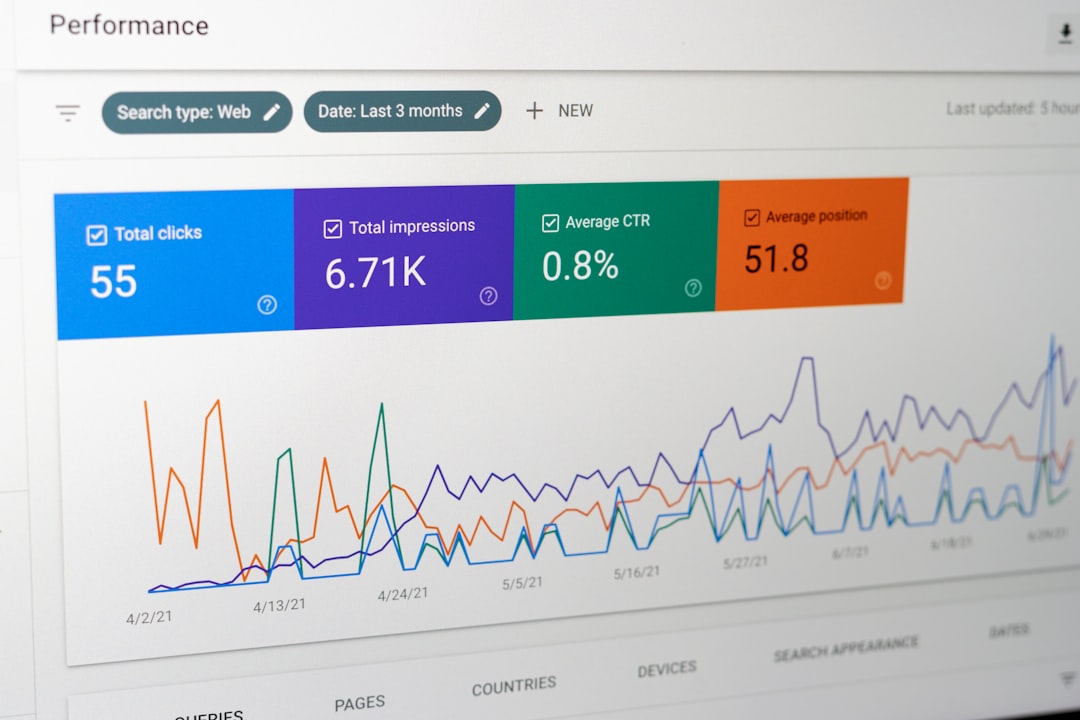
- Google Search Console: To get a good handle on your blog keywords, you’ll want Google Search Console — it shows you what people have searched when your site appears in results, and yes, this includes AI Overviews/AI Mode queries too.
- AlsoAsked: AlsoAsked is a powerful question-finding tool — just type in a keyword or trend and get a graph of all the related questions people are asking about the subject.
- Google Keyword Planner: In 2026, there’s a shift toward smarter SEO tools focused on user intent and search patterns, but trusted platforms such as Google Keyword Planner remain free and provide access to reliable insights.
- Contadu: Contadu automatically analyzes top results showing dominant intent and most commonly used content formats, and provides a complete list of semantic terms and “People Also Ask” questions essential for creating comprehensive content.
One important warning: Don’t ask ChatGPT to give you blog keywords — the data is never accurate in terms of how popular or difficult a particular keyword is. Use it for brainstorming seed topics, but always validate with a real keyword tool before committing to a content plan.
How Often Should You Revisit Your Keyword Strategy?
This is where a lot of teams fall into a trap — treating keyword research as a one-time exercise. Review keyword strategy quarterly for most businesses, since search behaviour, competitor positioning, and AI search patterns evolve continuously. Monthly reviews are appropriate for fast-moving industries or during major product launches. Annual keyword research is insufficient given the pace of change in 2026.
A quarterly review cadence lets you catch emerging trends, respond to algorithm shifts, and capture new long-tail opportunities before your competitors do. Think of it less like a research project and more like a living dashboard.
Putting It All Together: A Practical Checklist
- ✅ Shift from volume-first to intent-first thinking
- ✅ Prioritize long-tail, question-based keywords (3+ words)
- ✅ Use PAA sections in Google as a free content outline tool
- ✅ Build topic clusters, not isolated keyword-optimized pages
- ✅ Optimize for both traditional SERPs and AI-generated answers
- ✅ Use SEMrush, Ahrefs, or SE Ranking — not ChatGPT — for keyword data
- ✅ Review your keyword strategy at least once per quarter
- ✅ Place primary keywords in titles, headers, URLs, and image alt text naturally
If your situation is that you’re running a brand-new site with zero authority, go hyper-niche with ultra-specific long-tail terms where competition is minimal. If you’re an established domain looking to scale, invest in topical authority through content clusters and focus on earning AI citations alongside traditional rankings. Both paths are valid — they just require different entry points.
Drop a comment below and tell me: What’s the single biggest keyword research mistake you’ve caught yourself making this year? I read every response, and sometimes the best insights come right from those conversations — let’s figure this out together.
📚 관련된 다른 글도 읽어 보세요
- 월가도 쫓아오기 시작했다: 2026년 가상자산·블록체인 생태계 대격변 완전분석
- 업비트 투자자라면 지금 당장 읽어야 할 한국 블록체인 규제 정책 2026 완전 해부: 5대 핵심 이슈와 생존 전략
- Beyond the Hype: How Virtual Assets & Blockchain Technology Are Quietly Reshaping the Global Ecosystem in 2026
태그: []
Leave a Reply