A friend of mine — a solid content marketer with five years of experience — spent three months building out a content calendar last quarter. Fifty articles, all carefully mapped to high-volume keywords discovered in a popular SEO tool. The result? Flatline traffic. Almost nothing. When we sat down together to diagnose the problem, the answer was both simple and frustrating: he was playing a 2019 game in 2026. That conversation is exactly why we need to talk about what keyword research actually means right now.

The Old Playbook Is Officially Broken
For years, keyword research had one core rule: find a phrase with high search volume and low competition, then build content around it. That era is over. For years, keyword research was simple — find a phrase with high volume and low competition. In 2026, in the era of AI Search and semantic understanding, this approach is doomed to fail. The search engines we’re optimizing for today don’t just match pages to keywords anymore. Search engines in 2026 do not match pages to keywords — they match answers to needs. That single shift changes everything downstream: your research process, your content structure, your measurement approach.
Here’s something that should stop you in your tracks: with 58.5% of searches now resulting in zero clicks, 91.8% of all searches being long-tail keywords, and AI search platforms accounting for growing search share, successful 2026 keyword research must serve two purposes: ranking in traditional search results and being cited in AI-generated answers. If your strategy only targets one of those surfaces, you’re already leaving visibility on the table.
Intent Is the New Keyword Density
Remember keyword density? The idea that stuffing a phrase 15 times per page would boost you up the rankings? Exact match chasing is obsolete — keyword stuffing does not improve rankings. Context matters more — today’s systems focus on meaning, intent, and topic coverage rather than exact word counts. This isn’t just a technical nuance. It’s a fundamental shift in how you should think about what a “keyword” even is.
Keyword research in 2026 is no longer about collecting words people type into search engines. It is about understanding how intent forms, how questions evolve, and how search systems interpret meaning before ranking content. And if you’re tempted to shortcut this with ChatGPT? Think twice. Don’t ask ChatGPT to give you blog keywords; it’ll lie to you. Really! The data is never accurate in terms of how popular or difficult a particular keyword is. Stick to purpose-built tools instead.
The Real ROI Numbers Behind Strategic Keyword Work
Let’s talk money, because this is where the argument for doing keyword research properly becomes undeniable. B2B companies using strategic keyword research achieve 702–1,389% ROI from SEO according to First Page Sage research. But the gap between doing it right and doing it casually is enormous. Thought leadership SEO with strategic keyword research (approximately 8 pages monthly) delivers 748% ROI over three years, whilst basic content marketing without proper keyword research (approximately 4 articles monthly) delivers only 16% ROI. That’s not a marginal difference — that’s the difference between a channel that funds your business and one that drains it.
And if you’re wondering whether long-tail keywords are worth the effort given their lower raw volume: long-tail keywords are specific phrases (3+ words) with lower volume but higher conversion rates. Research shows 91.8% of searches are long-tail, and they convert at 2.5 times the rate of short-tail terms. That’s a statistic worth printing out and pinning to your monitor.
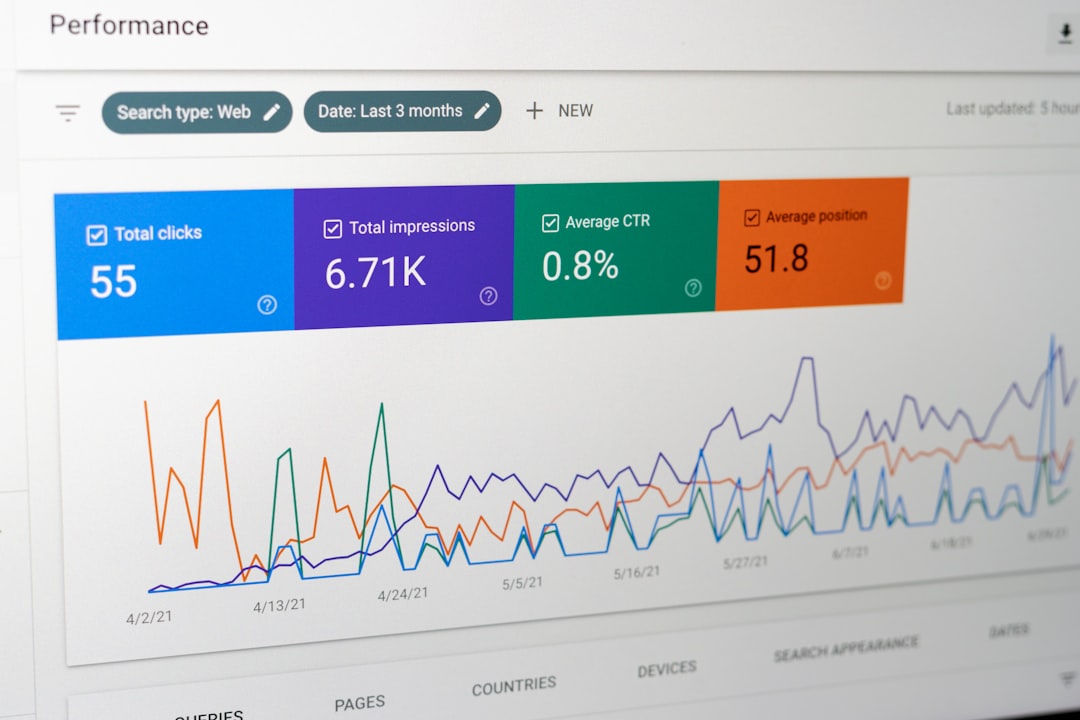
What the 2026 Keyword Research Process Actually Looks Like
Keyword research in 2026 is topic-first. Each topic becomes a content system and does not revolve around a single page. This approach improves internal linking, strengthens topical authority, and supports AI-led discovery. Here’s a practical breakdown of what the modern process involves:
- Start with intent, not volume: keyword research has fundamentally shifted from volume-first to intent-first methodology. Ask why someone is searching before asking what they typed.
- Build topic clusters, not keyword lists: Group thematically related content and interlink it. Search engines reward depth over breadth.
- Use NLP and PAA signals: “People Also Ask” shows you real, related questions that users are asking. Each of these questions is a potential H2 or H3 heading in your article.
- Prioritize question-format keywords: A keyword can be one word, a few words, or even a full sentence. People who use AI tools to find information are asking for that info in full sentences, usually questions.
- Use trusted tools — not AI chatbots: Platforms like SEMrush, Ahrefs, and Google Search Console remain essential. SEMrush remains a favorite among marketers due to its extensive database and features, providing comprehensive keyword analytics including search volumes, trends, and competitiveness.
- Review quarterly, not annually: Annual keyword research is insufficient given the pace of change in 2026. Set a calendar reminder every 90 days.
- Optimize for AI citation, not just ranking: Keyword research in 2026 combines traditional search analysis with AI search optimisation to identify the terms and topics your audience uses across Google, ChatGPT, and Perplexity. The process involves understanding search intent, building topical authority, and structuring content for both human readers and AI extraction.
Are Keywords Actually Dead? Here’s the Honest Answer
Every few years, someone publishes a hot take claiming keywords are dead. In 2026, that claim is more wrong — and more right — than ever, simultaneously. Keywords have been at the heart and soul of SEO almost since search engines began, but as AI reshapes how search engines interpret content, do keywords still matter in 2026? The answer is yes, but the way we leverage them has fundamentally changed.
Specifically: even in 2026, AI search isn’t fully “freeform.” It still leverages structured content signals (keywords being one of them) to index and retrieve relevant pages. Without those signals, AI models may struggle to interpret your content’s purpose, especially in crowded niches. So while AI makes search smarter, it doesn’t make keyword data obsolete — it actually enhances the need to understand and use keywords intelligently.
The businesses winning right now aren’t the ones who abandoned keyword research — they’re the ones who upgraded it. Businesses that still treat keyword research as a volume-based exercise struggle to maintain visibility. Those that treat it as a discovery framework build durable growth.
Your Realistic Path Forward
If your current keyword strategy feels stuck or stale, you don’t need to burn everything down. You need a methodical upgrade. Start by auditing your existing content for intent-alignment — are the pages you have actually answering the why behind the search, or just matching a phrase? Then build out topic clusters around your highest-performing existing content. Layer in long-tail, question-format keywords from tools like AlsoAsked, Google Search Console, and Ahrefs. Measure not just rankings, but AI citation appearances and zero-click impression share.
If your situation is “I’m a small site with limited content budget,” prioritize 5–8 deeply researched, intent-matched long-tail articles over 30 shallow ones. If your situation is “I’m a B2B brand competing in a saturated niche,” invest in topical authority clusters that signal sustained expertise to both Google and AI models like Perplexity and ChatGPT.
💬 Drop a comment below: Which part of the 2026 keyword research shift has hit your strategy hardest — the AI search piece, the zero-click surge, or the intent-first methodology? Let’s compare notes and figure it out together.
📚 관련된 다른 글도 읽어 보세요
- Altcoin Market Trends 2026: Are We on the Edge of Altseason — or Just Dreaming?
- DeFi, NFT & Crypto Markets in 2026: What’s Actually Happening Right Now (And What the Data Says)
- 월가도 못 막는다: 스테이블코인 시총 $3,200억 돌파, 2026년 지금 당장 알아야 할 5가지 냉혹한 진실
태그: []
Leave a Reply