A few months back, a colleague of mine — seasoned content marketer, been doing this for years — proudly showed me a spreadsheet full of keywords all sitting above 50,000 monthly searches. He’d spent weeks building it. Three months later, his new site had almost zero organic traffic. Sound familiar? That story is more common than most SEO guides want to admit, and it’s exactly what pushed me to rethink the whole approach to keyword research from the ground up in 2026.
Let’s dig into what’s actually working right now, why the old playbook is failing people, and how to build a strategy that doesn’t just look good on a spreadsheet — but actually brings in visitors who convert.

The Volume-First Trap — Why It’s Still Eating Budgets
Here’s the uncomfortable truth: volume-first keyword research is a 2019 strategy. In 2026, Google’s AI algorithms, AI Overview dominance, and zero-click search behavior mean that chasing high-volume keywords without matching intent produces traffic that converts to nothing — or no traffic at all.
And the zero-click problem is bigger than most people realize. With 58.5% of searches now resulting in zero clicks, understanding search intent has become more important than chasing volume. Think about that for a second — more than half of all searches never even result in someone visiting a website. If your entire strategy is built around volume, you’re fishing in an increasingly empty pond.
The hard data backs this up. Analysis reveals that 90% of webpages receive no Google traffic, as Ahrefs reports, and poor keyword selection drives most of these failures. That’s not a small rounding error — that’s a systemic problem with how most people approach the whole process.
What “Intent-First” Actually Means in Practice
Keyword research in 2026 means identifying the exact questions, problems, and decisions your target audience is searching for, then matching your content to the intent behind each search — not just the words used.
This is more than a buzzword shift. Keyword research has fundamentally shifted from volume-first to intent-first methodology. The most successful practitioners have restructured their entire workflow around this principle. The most successful SEO professionals have shifted to an intent-first keyword strategy: identify what the user is trying to accomplish, then build content that is the clearest, most authoritative answer.
And there’s a massive ROI difference between doing this right and doing it wrong. Thought leadership SEO with strategic keyword research (approximately 8 pages monthly) delivers 748% ROI over three years, whilst basic content marketing without proper keyword research (approximately 4 articles monthly) delivers only 16% ROI. That gap should be alarming if you’re currently just producing content without a proper keyword strategy underneath it.
The 2026 Keyword Research Process — Step by Step
Let’s get concrete. Here’s how I’d walk through this today, whether you’re a solo blogger or running a content team:
- Start with seed questions, not seed words. A keyword can be one word, a few words, or even a full sentence. People who use AI tools to find information are asking for that info in full sentences, usually questions — so you’ll want to prioritize using and answering full questions in your blog posts.
- Lean hard into long-tail. Research shows 91.8% of searches are long-tail, and they convert at 2.5 times the rate of short-tail terms. If you’re avoiding them because the volume looks small, you’re leaving conversions on the table.
- Manually check the SERP before you write anything. The mistake most brands make is writing informational content for transactional keywords, or creating service pages for informational queries. The match between intent and content format is more important than keyword density.
- Don’t trust ChatGPT for keyword data. Don’t ask ChatGPT to give you blog keywords — it’ll lie to you. The data is never accurate in terms of how popular or difficult a particular keyword is. Stick to dedicated tools.
- Track social search too. Searches on TikTok, YouTube, Instagram, and Reddit reveal how your audience actually phrases their questions. These social search queries often translate directly to blog and content opportunities.
- Review your strategy often. AI search behavior changes rapidly enough in 2026 that annual keyword audits are no longer sufficient. Monthly monitoring is now the baseline, not the exception.
The Tools That Are Actually Worth Your Time
There’s no shortage of platforms, but not all of them are created equal in the current landscape. The keyword research landscape has evolved significantly in 2026, with AI-powered tools leading the charge.
SEMrush continues to dominate the keyword research space in 2026 with its comprehensive Keyword Magic Tool. The platform offers access to over 25 billion keywords across 142 geographic databases, making it invaluable for both local and international SEO campaigns. The tool’s standout features include advanced filtering options, SERP feature indicators, and intent-based keyword grouping.
Ahrefs has revolutionized its Keywords Explorer tool in 2026, incorporating machine learning algorithms that predict keyword trends and seasonal fluctuations with 94% accuracy. The platform now covers 171 countries and offers real-time search volume updates, crucial for time-sensitive campaigns. What sets Ahrefs apart is its “Parent Topic” feature, which identifies whether you can rank for multiple related keywords with a single piece of content. Their Lite plan starts at $99/month — reasonable for what you get.
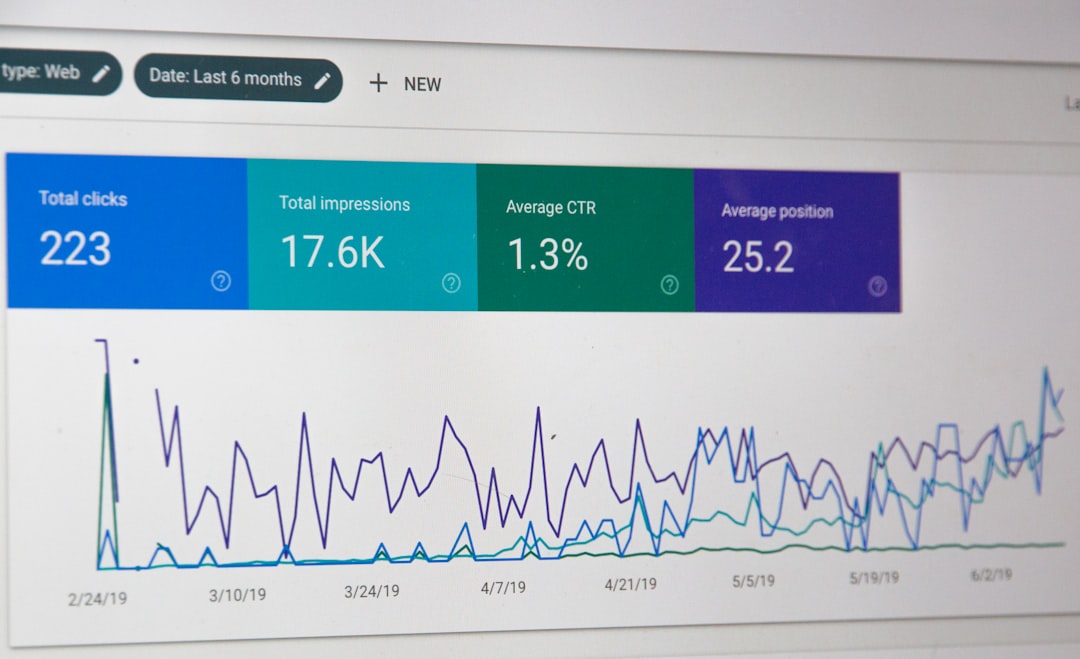
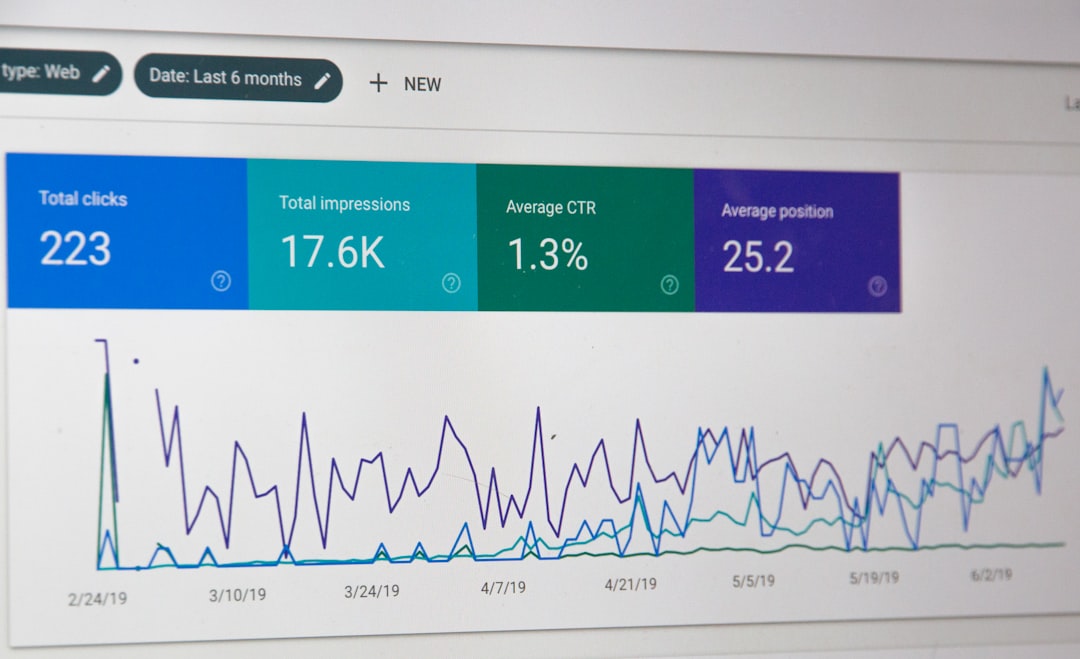
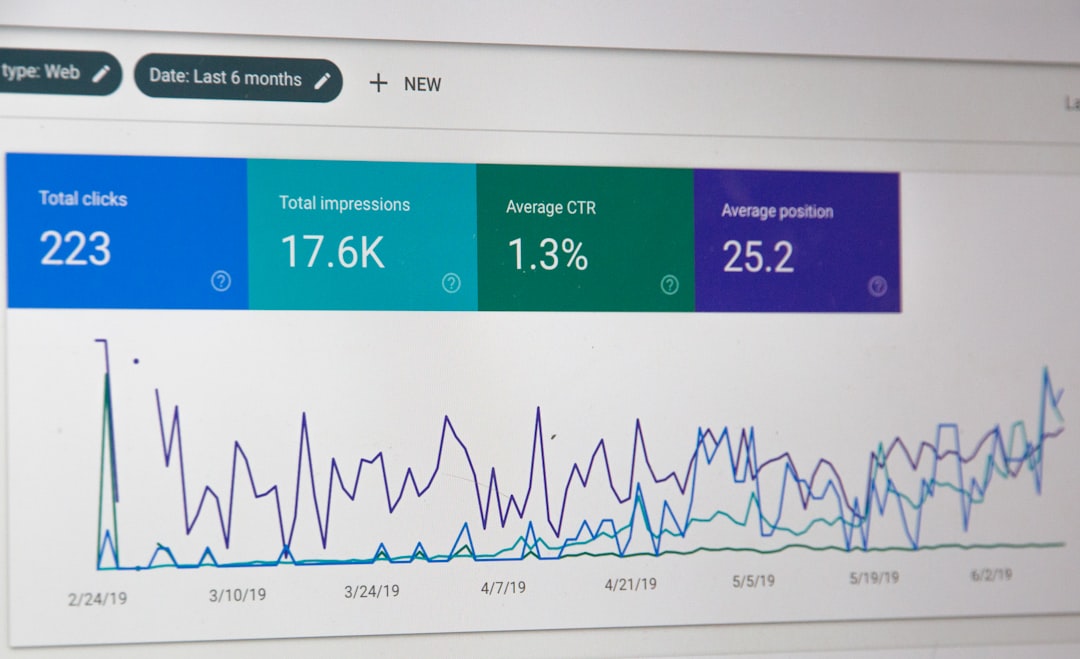
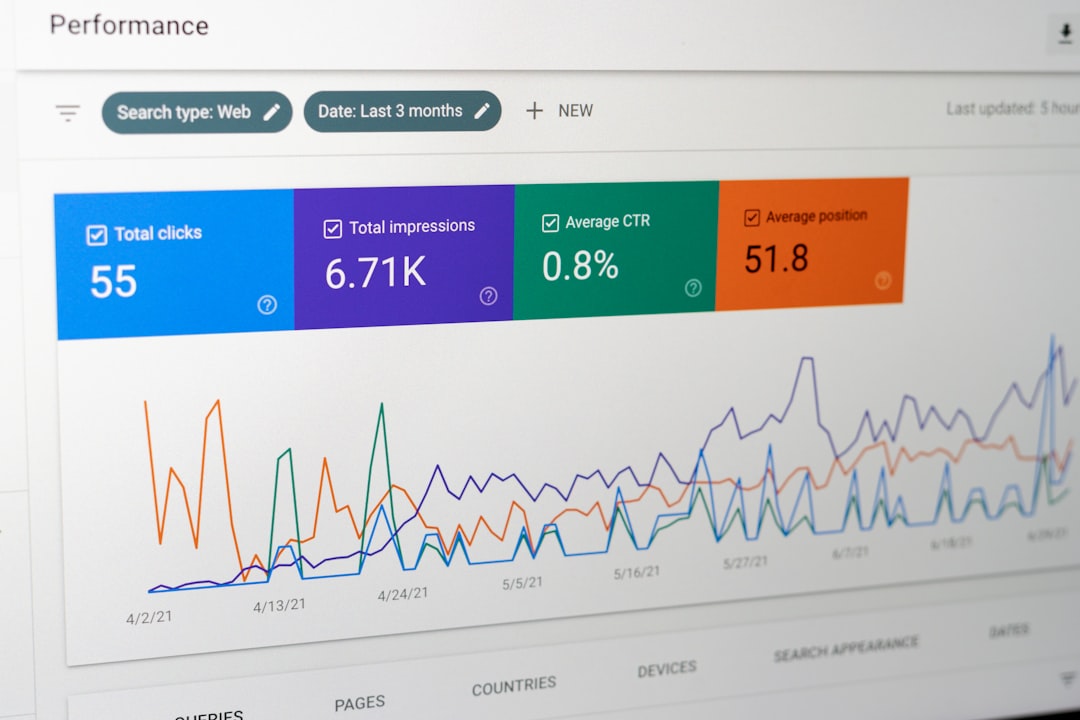
And don’t sleep on Google’s own free tools. You’re going to want Google Search Console in your stack. It shows you what people have searched when your site appears in the results — and yes, this includes AI Overviews and AI Mode queries, too.
AI Overviews Are Reshaping What “Ranking” Even Means
This is where things get really interesting — and where a lot of marketers are still catching up. Keyword research in 2026 must serve two purposes: ranking in traditional search results and being cited in AI-generated answers. The process now involves understanding search intent, building topical authority, and structuring content for both human readers and AI extraction.
Lily Ray, VP of SEO Strategy at Amsive Digital, warns that all traffic projections should be increasingly conservative in 2026 due to AI search impact. She emphasises that success depends on authenticity, original research, strong personal brands, and building trust — focusing on strategies that search engines can’t take away. That’s advice worth tattooing on your monitor.
In 2026, search engines weigh relevance and user satisfaction heavily, so choosing the right keywords ensures your content aligns with what real people are looking for. AI-driven ranking systems also evaluate context, meaning your keyword strategy should focus on clarity, precision, and intent rather than stuffing or repetition.
If You’re Just Getting Started — Here’s the Realistic Path
If your site is brand new or low-authority, don’t go after anything competitive out of the gate. Beginners should focus on terms scoring below 30 in keyword difficulty. Emerging sites benefit by concentrating on long-tail keywords — these phrases are longer, more specific, and present reduced competition, as Moz confirms.
If you’re in B2B, the upside of doing this right is enormous. B2B companies using strategic keyword research achieve 702–1,389% ROI from SEO according to First Page Sage research. And organic search generates 44.6% of all B2B revenue — the largest single channel. That’s not a marketing channel you want to approach with guesswork.
The bottom line is this: keyword research in 2026 isn’t dead, it hasn’t been replaced by AI, and it doesn’t require a massive budget to get right. What it does require is a genuine shift in mindset — from chasing numbers on a spreadsheet to actually understanding why someone opens a search bar in the first place.
💬 Have you been burned by the volume-first trap before? Drop your experience in the comments — I’d love to hear what finally clicked for you, and whether you’ve started building your keyword strategy around intent rather than raw search numbers.
📚 관련된 다른 글도 읽어 보세요
- 아직도 검색량만 보고 키워드 고르세요? 2026년 기준 SEO 키워드 리서치 완전 정복
- I Wasted 6 Months Chasing Volume — The Real 2026 Keyword Research Guide That Actually Ranks
- Stop Wasting Hours on the Wrong Terms — The Real Keyword Research Guide for 2026
태그: []