A friend of mine — sharp marketer, runs a niche e-commerce store — spent the better part of half a year grinding out blog posts, optimizing meta tags, and obsessing over backlinks. Traffic barely budged. When we finally sat down and audited her strategy together, the culprit was painfully obvious: she had been targeting the wrong keywords from day one. High volume, brutal competition, zero conversion intent. Sound familiar? Yeah, I’ve been there too.
That conversation sent me down a rabbit hole revisiting everything I thought I knew about keyword research in 2026 — and honestly, a lot of it needed updating.
What Keywords Actually Do (And Why Most People Misread Them)
At the most fundamental level, keywords are the bridge between what a person types into a search engine and the content you’ve created. But here’s where most beginners — and even some seasoned marketers — go wrong: they treat keywords as volume metrics rather than intent signals.
Think about it this way. A keyword with 90,000 monthly searches sounds incredible. But if the top 10 results are all Wikipedia, Forbes, and HubSpot, you’re essentially trying to sprint into a Formula 1 race on a bicycle. The real opportunity in 2026 lives in the intersection of three things:
- Search Volume: How many people are actually searching for this term each month (use tools like Semrush’s Keyword Magic Tool or Google Keyword Planner to get reliable estimates).
- Keyword Difficulty (KD): A 0–100 score indicating how hard it is to rank organically. For newer sites, targeting KD below 30 is a realistic starting point.
- Search Intent: Is the user researching, comparing, or ready to buy? A keyword like “best running shoes” signals comparison intent, while “buy Nike Air Zoom size 10” screams transactional intent.
- Cost Per Click (CPC): High CPC often indicates high commercial value — advertisers wouldn’t pay $8–$15 per click on a term that doesn’t convert.
- Trend Trajectory: A keyword growing 40% month-over-month in 2026 is worth targeting even at moderate volume — you’re riding the wave up.
The Tools Landscape in 2026: What’s Worth Your Money
The keyword tool ecosystem has matured significantly. Here’s the honest breakdown of what’s actually useful right now:
Google Keyword Planner remains the bedrock — it’s free (with a Google Ads account), pulls directly from Google’s own data, and lets you discover new keyword ideas, view monthly search estimates, and even model ad costs. The catch? Volume data is often displayed in wide ranges (“1K–10K”) unless you have an active spending campaign.
Semrush Keyword Magic Tool is the power-user favorite. It surfaces high-volume, low-competition opportunities, clusters keywords by topic, and even shows whether a keyword signals research, comparison, or buying intent — all in one dashboard. It’s paid, but the ROI justifies it for anyone doing serious SEO work.
Keywordtool.io takes a different angle — it scrapes Google, YouTube, Bing, Amazon, and Instagram autocomplete data, giving you a panoramic view of how people actually phrase their searches across platforms. The free tier is solid for ideation; the pro tier unlocks volume and CPC data.
WordStream’s Free Keyword Tool is a surprisingly strong alternative for PPC-focused research — it delivers competition level and estimated CPC alongside keyword suggestions, which makes budget planning much easier for ad campaigns.
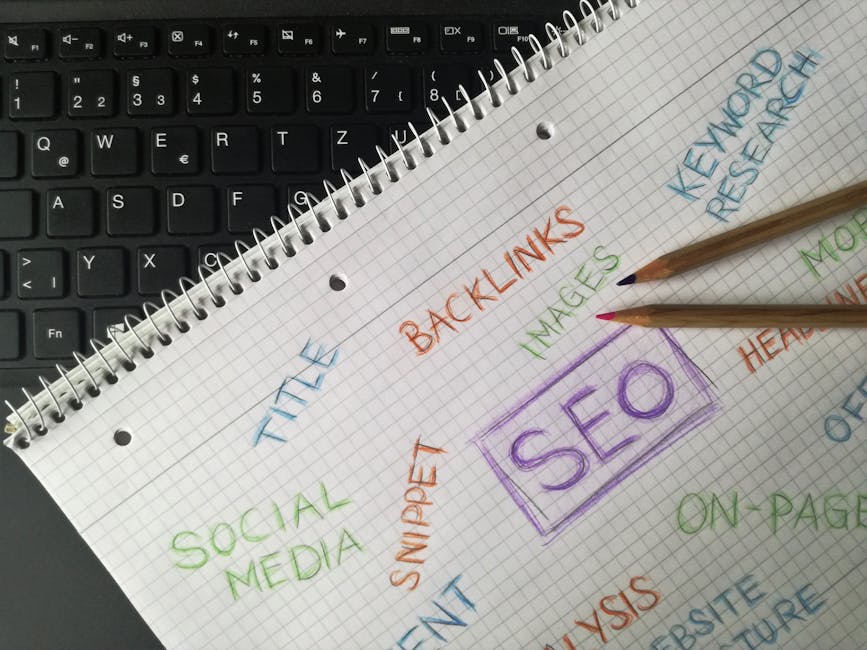
The Long-Tail Advantage: Where Real Wins Hide in 2026
Here’s a number that should reframe your entire strategy: approximately 70% of all search queries are long-tail keywords — phrases of three or more words with lower individual volume but far higher collective reach and conversion rates. A new site trying to rank for “coffee maker” is chasing a dream. A site ranking for “best quiet coffee maker for small apartment 2026” is closing sales.
Long-tail keywords also align naturally with how AI-powered search (think Google’s AI Overviews and conversational queries) is reshaping search behavior in 2026. People are typing full questions, not just fragments. Your keyword strategy needs to reflect that shift.
A Realistic Workflow That Actually Works
Here’s the framework I now follow — and recommend — for any keyword research project:
- Step 1 — Seed Keywords: Start with 5–10 broad terms that describe your niche. Don’t overthink it — just what you’d type if you were the customer.
- Step 2 — Expand with Tools: Run seeds through Semrush, Keywordtool.io, or Google Keyword Planner to generate hundreds of related suggestions.
- Step 3 — Filter Ruthlessly: Apply KD thresholds appropriate to your domain authority. New site? Stay under KD 25–30. Established domain? You can push into KD 40–60.
- Step 4 — Map Intent: Categorize every surviving keyword as Informational, Navigational, Commercial, or Transactional. Match each to the right content type.
- Step 5 — Check Competitors: Use tools like Semrush to see which keywords your direct competitors rank for — then find the gaps they’re missing.
- Step 6 — Monitor & Iterate: Keyword performance is not a set-it-and-forget-it game. Review rankings monthly and pivot when trends shift.
Where People Still Go Wrong (And How to Avoid It)
Even with great tools, I see the same mistakes repeating in 2026. Chasing vanity metrics (massive search volume with no commercial intent) is still the #1 killer. Ignoring local keyword modifiers is #2 — “coffee maker” and “coffee maker near me” serve completely different users. And #3? Failing to account for how AI search overviews are now absorbing clicks for purely informational queries, meaning you need to either go deeper than the AI summary or target keywords where users still click through.
The realistic alternative to a keyword-only SEO strategy is a topical authority approach — building clusters of deeply interconnected content around a subject so search engines recognize your site as the definitive resource, not just a page with a keyword stuffed into the title tag.
💬 Got a keyword strategy that’s working (or one that completely flopped)? Drop your experience in the comments — real-world data from fellow practitioners is worth more than any tool’s estimate.
📚 관련된 다른 글도 읽어 보세요
- Bitcoin vs. Ethereum in 2026: A Deep-Dive Ecosystem Comparison Every Crypto Investor Needs to Read
- Stop Chasing Volume — The 2026 Keyword Research Reality Check That Changed How I Work
- I Wasted 6 Months on Wrong Keywords — The Real 2026 Keyword Research Guide
태그: []