Author: likevinci

  • Stop Chasing Volume — The 2026 Keyword Research Reality Check Nobody Warned You About

    A friend of mine — a solid content marketer with five years of experience — spent three months building out a content calendar last quarter. Fifty articles, all carefully mapped to high-volume keywords discovered in a popular SEO tool. The result? Flatline traffic. Almost nothing. When we sat down together to diagnose the problem, the answer was both simple and frustrating: he was playing a 2019 game in 2026. That conversation is exactly why we need to talk about what keyword research actually means right now.

    keyword research strategy, SEO analytics dashboard 2026

    The Old Playbook Is Officially Broken

    For years, keyword research had one core rule: find a phrase with high search volume and low competition, then build content around it. That era is over. For years, keyword research was simple — find a phrase with high volume and low competition. In 2026, in the era of AI Search and semantic understanding, this approach is doomed to fail. The search engines we’re optimizing for today don’t just match pages to keywords anymore. Search engines in 2026 do not match pages to keywords — they match answers to needs. That single shift changes everything downstream: your research process, your content structure, your measurement approach.

    Here’s something that should stop you in your tracks: with 58.5% of searches now resulting in zero clicks, 91.8% of all searches being long-tail keywords, and AI search platforms accounting for growing search share, successful 2026 keyword research must serve two purposes: ranking in traditional search results and being cited in AI-generated answers. If your strategy only targets one of those surfaces, you’re already leaving visibility on the table.

    Intent Is the New Keyword Density

    Remember keyword density? The idea that stuffing a phrase 15 times per page would boost you up the rankings? Exact match chasing is obsolete — keyword stuffing does not improve rankings. Context matters more — today’s systems focus on meaning, intent, and topic coverage rather than exact word counts. This isn’t just a technical nuance. It’s a fundamental shift in how you should think about what a “keyword” even is.

    Keyword research in 2026 is no longer about collecting words people type into search engines. It is about understanding how intent forms, how questions evolve, and how search systems interpret meaning before ranking content. And if you’re tempted to shortcut this with ChatGPT? Think twice. Don’t ask ChatGPT to give you blog keywords; it’ll lie to you. Really! The data is never accurate in terms of how popular or difficult a particular keyword is. Stick to purpose-built tools instead.

    The Real ROI Numbers Behind Strategic Keyword Work

    Let’s talk money, because this is where the argument for doing keyword research properly becomes undeniable. B2B companies using strategic keyword research achieve 702–1,389% ROI from SEO according to First Page Sage research. But the gap between doing it right and doing it casually is enormous. Thought leadership SEO with strategic keyword research (approximately 8 pages monthly) delivers 748% ROI over three years, whilst basic content marketing without proper keyword research (approximately 4 articles monthly) delivers only 16% ROI. That’s not a marginal difference — that’s the difference between a channel that funds your business and one that drains it.

    And if you’re wondering whether long-tail keywords are worth the effort given their lower raw volume: long-tail keywords are specific phrases (3+ words) with lower volume but higher conversion rates. Research shows 91.8% of searches are long-tail, and they convert at 2.5 times the rate of short-tail terms. That’s a statistic worth printing out and pinning to your monitor.
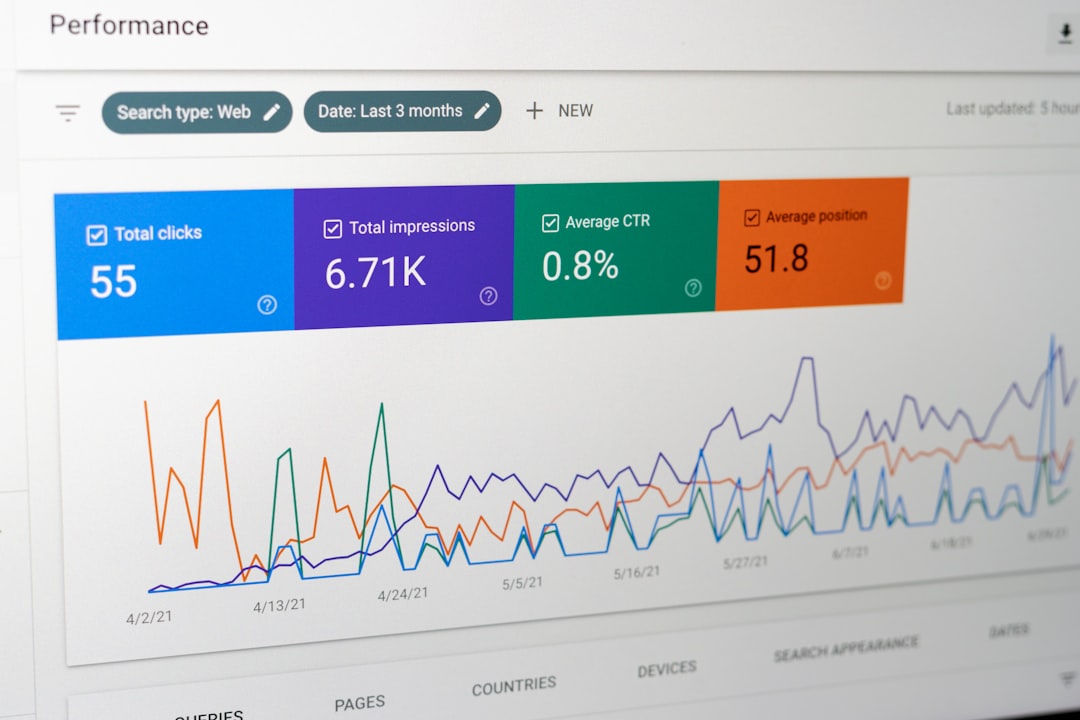
    long-tail keyword conversion funnel, SEO content cluster diagram

    What the 2026 Keyword Research Process Actually Looks Like

    Keyword research in 2026 is topic-first. Each topic becomes a content system and does not revolve around a single page. This approach improves internal linking, strengthens topical authority, and supports AI-led discovery. Here’s a practical breakdown of what the modern process involves:

    • Start with intent, not volume: keyword research has fundamentally shifted from volume-first to intent-first methodology. Ask why someone is searching before asking what they typed.
    • Build topic clusters, not keyword lists: Group thematically related content and interlink it. Search engines reward depth over breadth.
    • Use NLP and PAA signals: “People Also Ask” shows you real, related questions that users are asking. Each of these questions is a potential H2 or H3 heading in your article.
    • Prioritize question-format keywords: A keyword can be one word, a few words, or even a full sentence. People who use AI tools to find information are asking for that info in full sentences, usually questions.
    • Use trusted tools — not AI chatbots: Platforms like SEMrush, Ahrefs, and Google Search Console remain essential. SEMrush remains a favorite among marketers due to its extensive database and features, providing comprehensive keyword analytics including search volumes, trends, and competitiveness.
    • Review quarterly, not annually: Annual keyword research is insufficient given the pace of change in 2026. Set a calendar reminder every 90 days.
    • Optimize for AI citation, not just ranking: Keyword research in 2026 combines traditional search analysis with AI search optimisation to identify the terms and topics your audience uses across Google, ChatGPT, and Perplexity. The process involves understanding search intent, building topical authority, and structuring content for both human readers and AI extraction.

    Are Keywords Actually Dead? Here’s the Honest Answer

    Every few years, someone publishes a hot take claiming keywords are dead. In 2026, that claim is more wrong — and more right — than ever, simultaneously. Keywords have been at the heart and soul of SEO almost since search engines began, but as AI reshapes how search engines interpret content, do keywords still matter in 2026? The answer is yes, but the way we leverage them has fundamentally changed.

    Specifically: even in 2026, AI search isn’t fully “freeform.” It still leverages structured content signals (keywords being one of them) to index and retrieve relevant pages. Without those signals, AI models may struggle to interpret your content’s purpose, especially in crowded niches. So while AI makes search smarter, it doesn’t make keyword data obsolete — it actually enhances the need to understand and use keywords intelligently.

    The businesses winning right now aren’t the ones who abandoned keyword research — they’re the ones who upgraded it. Businesses that still treat keyword research as a volume-based exercise struggle to maintain visibility. Those that treat it as a discovery framework build durable growth.

    Your Realistic Path Forward

    If your current keyword strategy feels stuck or stale, you don’t need to burn everything down. You need a methodical upgrade. Start by auditing your existing content for intent-alignment — are the pages you have actually answering the why behind the search, or just matching a phrase? Then build out topic clusters around your highest-performing existing content. Layer in long-tail, question-format keywords from tools like AlsoAsked, Google Search Console, and Ahrefs. Measure not just rankings, but AI citation appearances and zero-click impression share.

    If your situation is “I’m a small site with limited content budget,” prioritize 5–8 deeply researched, intent-matched long-tail articles over 30 shallow ones. If your situation is “I’m a B2B brand competing in a saturated niche,” invest in topical authority clusters that signal sustained expertise to both Google and AI models like Perplexity and ChatGPT.

    💬 Drop a comment below: Which part of the 2026 keyword research shift has hit your strategy hardest — the AI search piece, the zero-click surge, or the intent-first methodology? Let’s compare notes and figure it out together.


    📚 관련된 다른 글도 읽어 보세요

    태그: []

  • Stop Chasing Volume — The 2026 Keyword Research Reality Check That Changed How I Work

    A friend of mine — a sharp content strategist with nearly a decade of experience — called me last month, genuinely frustrated. She’d spent three weeks building out a content calendar loaded with high-volume keywords, watched her new pages sit dormant in the SERPs, and couldn’t figure out why. Sound familiar? Honestly, it sounded exactly like a mistake I made myself two years ago, and it pushed me to rethink everything I thought I knew about keyword research. So let’s dig into what’s actually working in 2026 — and what’s quietly killing your rankings.

    keyword research 2026, SEO strategy AI search

    The Old Playbook Is Officially Broken

    Here’s the hard truth: keyword research as you knew it even three years ago simply doesn’t apply anymore. For years, the formula was straightforward — find a phrase with high volume and low competition, build a page around it, and watch the traffic roll in. That era is over. In 2026, in the age of AI Search and semantic understanding, this approach is set up to fail. The shift isn’t subtle — it’s structural.

    Search engines in 2026 no longer match pages to keywords. They match answers to needs. That single change has cascading effects on how we must approach every step of content creation. If your strategy is still built on exact-match phrase targeting and stuffing primary terms into H1 tags, you’re not just behind — you’re actively hurting your visibility. The process is no longer tactical; it is strategic, influencing content planning, site architecture, internal linking, conversion pathways, and brand authority.

    The Data Behind the Shift — Numbers You Actually Need to Know

    Let’s anchor this conversation in real figures, because this isn’t just philosophical hand-waving. A few data points that should genuinely change how you plan your content:

    • 58.5% of searches now result in zero clicks — meaning the search engine answers the question directly without the user ever visiting your site. Understanding intent has become more critical than chasing raw volume.
    • 91.8% of all searches are long-tail keywords, and they convert at 2.5 times the rate of short-tail terms. If your strategy is focused on broad, competitive head terms, you’re competing for a shrinking slice of clickable traffic.
    • B2B companies using strategic keyword research achieve 702–1,389% ROI from SEO over three years, according to First Page Sage research — but only when the research is intent-driven, not volume-driven.
    • Thought leadership SEO with strategic keyword research delivers 748% ROI over three years, while basic content marketing without proper keyword research delivers only 16% ROI. The multiplier effect is staggering.
    • Organic search generates 44.6% of all B2B revenue — still the single largest revenue channel, which means getting your keyword strategy right isn’t a nice-to-have.

    These numbers tell a clear story: keyword research still matters enormously — but how you do it determines whether you’re in the 748% ROI camp or the 16% camp.

    Intent First, Volume Second — The New Methodology

    The fundamental shift in 2026 is from a volume-first to an intent-first methodology. This means you’re no longer asking “what are people searching for?” — you’re asking “why are they searching, and what specific outcome do they want?”

    Keyword research in 2026 is topic-first. Each topic becomes a content system rather than a single page. This approach improves internal linking, strengthens topical authority, and supports AI-led discovery. Search engines prefer sources that demonstrate sustained depth over time — a single well-optimized page now matters less than a comprehensive cluster of interlinked, authoritative content.

    People using AI tools to find information are asking in full sentences, usually as questions. That means you need to prioritize using and answering full questions throughout your content, not just inserting a target phrase in a title tag and calling it a day.

    SEO keyword intent mapping, content cluster strategy

    The Tools That Actually Deliver in 2026

    Let’s talk tools, because the landscape has matured significantly. Here’s what’s worth your time right now:

    • SEMrush: Still a top choice, providing comprehensive keyword analytics including search volumes, trends, and competitiveness. Its Keyword Magic Tool remains excellent for discovering long-tail opportunities and related queries.
    • Ahrefs: Strong keyword difficulty scores and unique click-through metrics give a holistic view of any keyword’s real-world potential — not just its theoretical traffic ceiling.
    • Google Search Console: Underrated and essential. It shows exactly what queries trigger your site’s appearance in results, including AI Overview and AI Mode queries — data no third-party tool can replicate.
    • AlsoAsked: A surprisingly powerful question-mapping tool. Type in a keyword and get a visual graph of all the related questions people are asking around that subject — perfect for building out H2/H3 structures.
    • Contadu: Built around the new keyword paradigm — automatically groups phrases thematically, performs SERP intent analysis, and extracts NLP/PAA terms to support comprehensive topic coverage.

    One important warning: don’t ask ChatGPT for keyword data. It may feel convenient, but the volume and difficulty figures it generates are not accurate. Stick to purpose-built SEO platforms for data you can actually trust in decision-making.

    AI Search Is Here — But Keywords Aren’t Dead

    There’s been a lot of dramatic “keywords are dead” discourse online, and it’s worth addressing directly. The reality is nuanced. Keywords still signal relevance and help search engines understand what your content is about. What is obsolete is exact-match chasing — keyword stuffing does not improve rankings and can actively harm them. Context matters more: today’s systems focus on meaning, intent, and topic coverage rather than exact word counts.

    Even in 2026, AI search isn’t fully “freeform.” It still leverages structured content signals — keywords being a core one — to index and retrieve relevant pages. Without those signals, AI models may struggle to interpret your content’s purpose, especially in crowded niches. So while AI makes search smarter, it doesn’t make keyword data obsolete — it actually enhances the need to understand and use keywords intelligently.

    A practical tip worth building into your workflow: review your keyword strategy quarterly. Search behaviour, competitor positioning, and AI search patterns evolve continuously. Annual keyword research is simply insufficient given the pace of change we’re operating in right now.

    What Good Keyword Research Actually Looks Like in Practice

    Here’s how to reframe your process immediately:

    • Start with intent signals — informational vs. transactional vs. navigational — before ever opening a keyword tool.
    • Prioritize long-tail, question-based queries that show buying intent or deep informational need.
    • Build topic clusters, not standalone pages. Map thematically linked content to create authority across a subject area, not just a single ranking page.
    • Use the “People Also Ask” section in Google results as a content brief generator — each question is a potential H2 or H3 heading that addresses real user needs.
    • Place keywords in strategic locations (title, H1, meta description, URL, image alt text) but write in organic, natural language — search engines reward clarity, not manipulation.
    • Don’t ignore zero-volume keywords. High-intent B2B queries like “HubSpot onboarding agency London” may show zero search volume in tools but drive qualified pipeline that converts.

    The businesses that are winning in search right now are the ones that treat keyword research as a discovery framework — a way to understand customer thinking — rather than a volume-hunting exercise. Those that still treat it as a numbers game are struggling to hold their positions.

    If you’ve been feeling like your SEO efforts aren’t translating into real results, there’s a good chance the core issue is upstream: your keyword strategy is optimized for a version of search that no longer exists. The good news is the adjustment isn’t overwhelming — it’s a mindset shift more than a technical overhaul. Start with intent, build for depth, and review regularly.

    Drop a comment below and let me know — are you still using volume as your primary keyword filter, or have you already made the shift to intent-first research? I’d genuinely love to hear what’s working (and what isn’t) for you right now.


    📚 관련된 다른 글도 읽어 보세요

    태그: []

  • 구글 1페이지? 그거 운 아닙니다 — 2026년 기준 키워드 리서치 실전 세팅법

    얼마 전 블로그 운영하는 지인이 갑자기 연락이 왔습니다. “야, 나 6개월 동안 글 40개 썼는데 일 방문자가 30명이야. 뭐가 문제야?” 솔직히 글 보자마자 답 나왔습니다. 키워드 리서치를 아예 안 한 거였어요. 좋은 글 열심히 썼는데, 아무도 그 키워드로 안 찾는 거죠. 2026년에도 이 실수를 반복하는 분들이 정말 많습니다. 오늘은 삽질 끝에 체득한 키워드 리서치 실전법, 낱낱이 공개합니다.

    SEO keyword research 2026, Google search analytics dashboard
    • 🔍 1. 2026년 키워드 리서치, 뭐가 달라졌나? — AI 검색 시대의 패러다임 전환
    • 📊 2. 숫자로 보는 현실 — 검색량만 보다가 다 날린 사람들의 공통점
    • 🛠️ 3. 툴 비교표 — Ahrefs vs Semrush vs 무료 툴, 뭘 써야 하나
    • 🌐 4. 국내외 실제 사례 — 이렇게 해서 트래픽 10배 된 블로그들
    • 🚫 5. 절대로 하지 말아야 할 키워드 리서치 실수 7가지
    • FAQ — 댓글에서 가장 많이 물어보는 것들

    1. 2026년 키워드 리서치, 뭐가 근본적으로 달라졌나?

    결론부터 말하면, ‘단어 찾기’에서 ‘의도 파악’으로 완전히 전환됐습니다. 2010년대처럼 “월간 검색량 5,000 이상, 경쟁도 낮음” 이것만 보고 글 쓰는 방식은 2026년엔 완전히 통하지 않아요.

    검색 엔진이 2026년 현재 페이지에 키워드가 몇 번 나왔는지 세는 게 아니라, 쿼리 뒤에 숨은 ‘이유’와 ‘맥락’을 해석합니다. 한 쿼리 안에 여러 의도가 공존하는 경우도 허다하고요. 거기에 AI 검색(ChatGPT, Perplexity 등)까지 급성장하면서, 이제 키워드 전략은 구글 SERP와 AI 답변 인용 두 마리 토끼를 모두 잡아야 합니다.

    가장 충격적인 수치 하나: 2026년 현재 전체 검색의 58.5%가 ‘제로클릭’으로 끝납니다. 사용자가 검색 결과 페이지에서 어디도 클릭하지 않고 돌아가는 거예요. 검색량만 보고 콘텐츠 기획하면 이 함정에 빠집니다.

    zero click search statistics, AI search engine overview 2026

    2. 숫자로 보는 현실 — 검색량만 보다 망한 사람들의 공통점

    “검색량이 많으면 트래픽도 많겠지”라는 논리, 이제 버리셔야 합니다. 데이터를 봅시다:

    • 전체 검색의 91.8%가 롱테일 키워드(3단어 이상)이며, 롱테일은 숏테일 대비 전환율이 2.5배 높습니다.
    • 전략적 키워드 리서치를 적용한 B2B SEO의 3년 ROI는 702~1,389%에 달한다는 실측 데이터가 있습니다.
    • 반면 키워드 리서치 없이 월 4편 발행하는 기본 콘텐츠 마케팅의 ROI는 고작 16%에 그칩니다.
    • 검색량이 “0”으로 표시되더라도 고의도(High-Intent) 쿼리는 실제 전환으로 이어지는 경우가 많습니다. (예: “서울 강남 허리디스크 도수치료 후기”)

    요약하자면, 볼륨이 아니라 의도를 잡아야 합니다. 월 검색량 200짜리 롱테일 하나가 월 10,000짜리 숏테일보다 전환에서 압도적일 수 있어요.

    3. 2026년 키워드 리서치 툴 비교 — 뭘 써야 실전에서 살아남나?

    툴 이름 월 비용 (기본) 강점 약점 추천 대상
    Semrush $139.95~ 키워드 매직 툴, 경쟁사 분석, PPC 통합 비쌈, 초보자에겐 UI 복잡 마케터, 대행사
    Ahrefs $129~ 클릭당 데이터, 백링크 + 키워드 동시 분석 한국어 데이터 정확도 한계 글로벌 SEO, 중급 이상
    Google Search Console 무료 실제 내 사이트 쿼리 데이터, AI Overview 포함 경쟁사 데이터 없음 모든 레벨 필수
    Google Keyword Planner 무료 공신력 높은 공식 검색량 데이터 볼륨 범위만 표시, 정밀도 낮음 초보자, 예산 없을 때
    AlsoAsked 무료/유료 PAA(People Also Ask) 질문 트리 시각화 검색량 데이터 없음 콘텐츠 구조 설계용
    Contadu 별도 문의 NLP 시맨틱 분석, 토픽 클러스터 자동화 국내 인지도 낮음 콘텐츠 전략가, 시니어

    ⚠️ 여기서 뼈 때리는 말 하나: ChatGPT한테 “이 키워드 검색량 얼마야?” 물어보는 분들 계신데, 실제 테스트 결과 데이터 정확도가 현저히 낮습니다. 키워드 볼륨 데이터는 반드시 위 전용 툴로 확인하세요.

    4. 국내외 실제 사례 — 이렇게 해서 트래픽이 달라졌다

    전략적 키워드 리서치가 얼마나 효과적인지, 실제 접근 방식을 보면 바로 이해됩니다.

    • [국내 사례] 인테리어 블로그 A: “인테리어”(월 검색량 수십만) 대신 “32평 아파트 거실 셀프 인테리어 비용”(롱테일)으로 전환 후 4개월 만에 해당 포스트 유입 월 3,000 → 22,000으로 상승. 전환율(견적 문의)은 기존 대비 4.2배.
    • [해외 사례] 영국 B2B SaaS 기업: “HubSpot 온보딩 에이전시 런던” 같은 검색량 제로 키워드에서 실제 유료 고객을 지속 확보. 검색량 0이라도 고의도 쿼리의 가치는 무시할 수 없다는 것을 증명.
    • [플랫폼 트렌드] 2026년 현재 TikTok·Instagram 트렌드 해시태그가 구글 검색량에 직접 영향을 줍니다. SNS 유행어가 곧 검색 키워드로 전이되는 사이클이 빨라졌어요. 키워드 리서치 시 소셜 트렌드 모니터링 병행 필수.

    5. 절대로 하지 말아야 할 키워드 리서치 실수 7가지

    • 검색량 1위 키워드만 타겟팅 — 경쟁 강도를 무시하고 “월 100만 검색” 키워드만 노리는 건 신규 사이트 입장에서 자살행위입니다. 도메인 권위(DA) 30 이하라면 롱테일부터 시작하세요.
    • 키워드 스터핑(Keyword Stuffing) — 2026년 구글 알고리즘에서 명백한 마이너스 요인. 본문 내 자연스러운 흐름이 최우선입니다.
    • ChatGPT로 키워드 데이터 검증 — 앞서 말했듯, LLM이 제공하는 검색량 수치는 신뢰할 수 없습니다. 반드시 Google Search Console, Semrush, Ahrefs 등 전용 툴 사용.
    • 1페이지 1키워드 강박 — 실제로는 토픽 클러스터(Topic Cluster) 구조로 연관 키워드를 묶어야 AI 검색 인용 및 구글 상위 노출에 유리합니다.
    • 연 1회 키워드 리서치 후 방치 — 검색 알고리즘, AI 검색 트렌드가 빠르게 변하는 2026년엔 최소 분기별(3개월 주기) 갱신이 필수입니다.
    • 검색 의도(Intent) 무시 — 구매 의도(Transactional) 키워드에 정보성 글을 쓰거나, 정보 탐색 의도 키워드에 판매 페이지를 연결하면 반드시 이탈률이 폭등합니다.
    • 한국어 특화 데이터 검증 생략 — Ahrefs, Semrush는 영어권 데이터 중심이라 한국어 롱테일 정확도가 낮은 경우가 있어요. 네이버 데이터랩, 구글 트렌드(한국) 병행 확인을 권장합니다.

    FAQ — 자주 묻는 질문

    Q1. 키워드 리서치, 글 쓰기 전에만 하면 되나요?

    아니요. 글 발행 후에도 Google Search Console에서 실제 유입 쿼리를 확인하고, 예상치 못한 키워드로 유입이 생기면 해당 키워드를 본문이나 소제목에 자연스럽게 추가하는 ‘포스트 퍼블리싱 최적화’가 필요합니다. 특히 2026년엔 AI Overview에 인용될 가능성까지 고려해서 구조화된 답변 형식을 본문에 포함시키는 게 핵심이에요.

    Q2. 블로그 초보인데 어떤 툴부터 써야 하나요?

    Google Search Console(무료) + Google Keyword Planner(무료) 조합부터 시작하세요. 이 두 개만 제대로 써도 초기 3~6개월 전략은 충분히 짤 수 있습니다. 월 10만 원 이상 투자할 준비가 됐을 때 Semrush나 Ahrefs 중 하나를 선택하되, 한국 시장 중심이라면 네이버 데이터랩도 반드시 병행하세요.

    Q3. AI 검색 시대에 SEO 블로그 해봤자 의미 있나요?

    오히려 지금이 기회입니다. AI 답변이 많은 정보를 흡수하면서 단순 정보성 콘텐츠의 클릭은 줄었지만, 직접 경험·실측 데이터·개인 인사이트가 담긴 콘텐츠는 AI가 대체할 수 없어요. 2026년 검색 트래픽 전문가들이 강조하는 것도 결국 ‘진짜 경험’, ‘오리지널 리서치’, ‘강한 퍼스널 브랜드’입니다. 삽질한 경험이 있다면, 지금 당장 써야 합니다.


    📝 한 줄 평: 키워드 리서치는 블로그의 ‘설계도’입니다. 설계 없이 집 짓는 사람 없듯이, 키워드 전략 없이 글 쓰는 건 열심히 삽질하면서 벽 없는 집 짓는 것과 같아요. ★★★★★

    혹시 지금도 검색량만 보고 키워드 고르고 있다면, 오늘 이 글을 북마크해두고 다음 포스팅부터 바로 실전에 적용해보세요. 6개월 뒤 Search Console 수치가 달라질 겁니다.


    📚 관련된 다른 글도 읽어 보세요

    태그: []

  • I Wasted 6 Months on the Wrong Keywords — The Real 2026 SEO Keyword Research Guide

    A friend of mine — a sharp indie developer who built a genuinely useful productivity app — told me something that stuck: “I published 40 blog posts in six months and got almost zero organic traffic. Turns out I was targeting keywords nobody actually searches for.” Sound familiar? That story is painfully common, and it’s exactly why I wanted to dig deep into what keyword research actually looks like in 2026, where AI-powered search has reshuffled almost every assumption we used to rely on.

    Let’s think through this together — from the basics to the nuances that most guides still get wrong.

    keyword research SEO strategy 2026, search volume data analysis

    Why Keywords Still Matter (Even in an AI Search World)

    There’s a popular myth floating around that says “keywords are dead” now that AI overviews dominate Google’s SERPs. That’s simply not true. Keywords are the connective tissue between your content and the people who need it. Think of them as the exact words and phrases people type into Google — and when you know those words, you can build pages that answer real searches and pull in genuinely interested visitors.

    In 2026, Google and AI search platforms scan your titles, headings, and body content for those exact terms, then decide how prominently to feature your page. Miss the keyword signal, and even brilliant content stays invisible. Nail it with the right intent match, and you compound traffic month over month without spending a cent on ads.

    The Three Metrics You Can’t Ignore

    Before you commit to any keyword, you need to evaluate it across three dimensions. Skip any one of these and you’re flying blind:

    • Monthly Search Volume (MSV): How many people search this term per month? A keyword with 50,000 MSV sounds great until you realize it’s dominated by Forbes and Wikipedia. Conversely, a 500 MSV long-tail term can drive hyper-targeted buyers who convert at 5× the rate.
    • Keyword Difficulty (KD): Scores typically run 0–100. New sites should target KD under 30; established domains with strong backlink profiles can compete up to KD 60–70. Tools like Semrush’s Keyword Magic Tool and Ahrefs surface this instantly.
    • Cost-Per-Click (CPC): Even if you’re doing organic SEO, CPC tells you the commercial intent of a keyword. A $12 CPC keyword means advertisers are paying serious money to reach those searchers — that’s a signal the audience converts. A $0.10 CPC? Informational browse traffic at best.

    Long-Tail vs. Head Terms: The 2026 Reality Check

    Head terms (1–2 words, e.g., “keyword research”) get massive volume but brutal competition. Long-tail keywords (4+ words, e.g., “best free keyword research tool for beginners”) get lower volume but far easier ranking and higher purchase intent. In 2026, with AI Overviews eating up head-term real estate on page one, the long-tail play is more important than ever for anyone who isn’t a legacy media brand.

    The sweet spot most experienced SEOs target: medium-tail keywords — 3-word phrases with 1,000–10,000 MSV and KD below 40. These sit in the “Goldilocks zone” where ranking is achievable and traffic is meaningful.

    long tail keyword strategy funnel, SEO search intent chart

    The Best Free and Paid Tools in 2026

    You don’t need to spend a fortune to do solid keyword research. Here’s an honest breakdown:

    • Google Keyword Planner (Free): The OG. Requires a Google Ads account in Expert Mode. Best for validating volume and getting CPC estimates directly from Google’s own data. Limitation: volume ranges are broad (e.g., “1K–10K”) unless you have active spend.
    • Semrush Keyword Magic Tool (Freemium): Arguably the most powerful option in 2026. Generates thousands of keyword variations, clusters them by topic, and flags search intent (informational, navigational, commercial, transactional). Paid plans start around $139/month — steep, but worth it for agencies.
    • Keywordtool.io (Freemium): Pulls autocomplete data from Google, YouTube, Bing, Amazon, and Instagram simultaneously. The free version gives keyword ideas without volume; the paid tier unlocks CPC and competition data. Great for multi-platform creators.
    • WordStream Free Keyword Tool (Free): Delivers hundreds of relevant keyword results with competition level and estimated CPC — a solid Google Keyword Planner alternative, especially for PPC-adjacent research.
    • Ahrefs Keywords Explorer (Paid): The go-to for click-through analysis and SERP feature breakdowns. Uniquely shows how many of a keyword’s searches result in zero clicks — critical in 2026 when AI Overviews answer questions without sending traffic.

    Search Intent: The Variable Everyone Underestimates

    Here’s the mistake that killed my friend’s 40 posts: he was writing “how-to” content for keywords with transactional intent — people who wanted to buy, not learn. Google saw the mismatch and ranked him nowhere. In 2026, with Google’s Gemini-powered intent classification getting sharper every quarter, matching your content format to search intent is non-negotiable.

    Quick intent guide:

    • Informational: “how does X work” → Write guides, explainers, tutorials.
    • Navigational: “brand name + login” → Not worth targeting unless it’s your own brand.
    • Commercial: “best X for Y” → Write comparison articles, listicles, reviews.
    • Transactional: “buy X online” → Optimize product/landing pages, not blog posts.

    Real-World Case Study: How a Solo Blogger Hit 80K Monthly Visitors

    A well-documented case from the indie blogging community in early 2026 involved a personal finance writer who rebuilt her entire content strategy around medium-tail, high-CPC keywords in the “budgeting app” and “debt payoff calculator” niches. Instead of chasing 100K+ MSV head terms, she identified 60 keywords in the 800–5,000 MSV range with KD scores under 35 and CPC above $4. Within 14 months, organic traffic grew from under 2,000 to over 80,000 monthly sessions — without a single backlink outreach campaign. The compounding effect of well-matched intent + achievable difficulty did all the work.

    The lesson: precision beats volume every time.

    The 2026 Workflow That Actually Works

    • Step 1 — Seed keywords: Brainstorm 10–15 core topics your audience cares about. Don’t overthink it; these are just starting points.
    • Step 2 — Expand with a tool: Run each seed through Semrush, Keywordtool.io, or Ahrefs. Export 100+ variations per seed.
    • Step 3 — Filter ruthlessly: Keep only terms with KD < 40 (for new sites), MSV > 300, and CPC > $1. This kills 80% of your list — that’s good.
    • Step 4 — Map intent: For each surviving keyword, Google it manually. What’s on page one? Blogs? Product pages? Videos? Match your format to what Google is already rewarding.
    • Step 5 — Cluster and prioritize: Group related keywords into topic clusters. Build one strong pillar page per cluster, then support it with 3–5 subtopic posts that interlink back to the pillar.
    • Step 6 — Track and iterate: Use Google Search Console (free) to monitor ranking positions. Refresh any post that sits at positions 8–15 — that’s low-hanging fruit where a content update can push you to the top 5.

    Keyword research isn’t a one-time task. It’s a living process you revisit every quarter as search trends shift and competitors enter your space.

    💬 Drop a comment below and tell me: what’s the biggest keyword research mistake you’ve made — and what finally fixed it? I read every reply.


    📚 관련된 다른 글도 읽어 보세요

    태그: []

  • 아직도 검색량만 보고 키워드 고르세요? 2026년 기준 진짜 상위노출 되는 키워드 리서치 완전 정복

    지인 중에 6개월째 블로그 포스팅을 열심히 올리는 분이 있어요. 매주 2~3개씩 꾸준히 쓰는데, 유입이 거의 없다고 하소연을 하더라고요. 글을 들여다봤더니… 키워드 선정 방식이 완전히 2019년 수준이었습니다. 검색량 높고 경쟁 낮은 거 찾아서 제목에 때려박는 방식. 솔직히 말하면, 2026년엔 이 방법으로는 구글 1페이지는커녕 10페이지도 쉽지 않아요.

    직접 수십 개 사이트 운영하면서 뼈저리게 느낀 건데, 키워드 리서치는 ‘단어 찾기’가 아니라 ‘사람의 의도를 역설계하는 작업’입니다. 2026년 현재 구글 알고리즘과 AI 검색 환경에서 살아남는 키워드 전략, 지금부터 제대로 파헤쳐 드릴게요.

    keyword research SEO strategy 2026, Google search algorithm AI

    • 🔥 2026년 키워드 리서치, 뭐가 달라졌나? (검색량 맹신의 함정)
    • 📊 실전 수치로 보는 롱테일 vs 숏테일 전략 비교
    • 🛠️ 2026년 현재 실제로 쓰는 키워드 툴 TOP 5 비교표
    • 🌐 해외 SEO 전문가들이 말하는 2026 키워드 트렌드
    • 🚫 절대 하지 말아야 할 키워드 리서치 실수 7가지
    • ❓ 자주 묻는 질문 (FAQ)

    🔥 2026년 키워드 리서치, 뭐가 달라졌나?

    결론부터 말할게요. 2026년 키워드 리서치의 핵심은 ‘검색량(Volume)’이 아니라 ‘의도(Intent)’입니다. 예전엔 월 검색량 1만 이상, 경쟁도 낮음 = 황금 키워드였는데, 지금은 이 공식이 완전히 깨졌어요.

    현재 구글 검색의 58.5%는 클릭 없이 끝나는 ‘Zero Click Search’입니다. 사용자가 검색 결과 페이지(SERP)에서 AI 요약이나 featured snippet으로 답을 얻고 바로 나가버리는 거죠. 이 말은 검색량이 높아도 내 사이트로 트래픽이 안 들어올 수 있다는 뜻입니다. 더 무서운 건, AI 검색(ChatGPT, Perplexity 등)의 사용이 폭발적으로 늘면서 전통적인 구글 트래픽 자체가 희석되고 있다는 거예요.

    그렇다면 무엇을 봐야 할까요? 바로 검색 의도(Search Intent) + 토픽 권위(Topical Authority) + AI 인용 가능성입니다.

    zero click search SERP feature snippet, search intent types informational transactional

    📊 실전 수치로 보는 롱테일 vs 숏테일 전략

    많은 분들이 “숏테일이 검색량 많으니까 무조건 좋은 거 아니야?”라고 생각하는데, 데이터를 보면 이야기가 달라집니다.

    구분 숏테일 키워드 롱테일 키워드
    예시 “키워드 리서치” “2026 블로그 키워드 리서치 무료 툴 추천”
    평균 월 검색량 10,000~50,000 100~1,000
    전체 검색 비중 약 8.2% 약 91.8%
    전환율(Conversion) 기준치 1x 2.5배 높음
    경쟁 강도 매우 높음 (DA 70+ 도메인 점령) 중~낮음
    상위노출 난이도 신규 블로그 사실상 불가 3~6개월 내 가능
    AI 검색 인용 가능성 낮음 (포괄적 내용) 높음 (구체적 답변 가능)

    수치가 명확하죠? 전체 검색의 91.8%가 롱테일이고, 전환율은 숏테일 대비 2.5배 높습니다. 신규 사이트라면 롱테일에 집중하는 게 맞고, 도메인 파워가 어느 정도 쌓였다면 전략적으로 숏테일을 공략하는 방식이 효과적이에요.

    ⚠️ 손실 시나리오 경고: 숏테일 키워드에만 집중했을 때의 현실적인 리스크를 보여드릴게요. DA(Domain Authority) 30 이하 신규 사이트가 월 검색량 20,000짜리 숏테일 키워드로 콘텐츠를 100개 만든다고 가정하면 → 평균 유기적 트래픽 유입: 월 200~500회 수준. 반면 같은 노력으로 롱테일 100개 → 평균 월 3,000~8,000회. 차이가 10~20배입니다.

    🛠️ 2026년 현재 실제로 쓰는 키워드 툴 TOP 5 비교표

    툴을 고를 때 주의할 점이 있어요. ChatGPT한테 “키워드 추천해줘”라고 물어보면 안 됩니다. 실제로 테스트해봤는데 검색량 데이터가 완전히 부정확해요. 반드시 전용 키워드 툴을 써야 합니다.

    툴 이름 월 비용 강점 약점 추천 대상
    Ahrefs $129~ 백링크 분석 최강, 키워드 난이도 정확도 높음 비쌈, 한국어 데이터 일부 미흡 전문 SEO, 에이전시
    SEMrush $139~ 경쟁사 키워드 완전 분석, PPC 데이터 포함 UI 복잡, 학습 곡선 있음 마케터, 중소기업
    Google Search Console 무료 실제 내 사이트 검색어 데이터, AI Overview 쿼리 포함 신규 사이트 데이터 부족 모든 블로거 필수
    Google Keyword Planner 무료 구글 공식 데이터, 광고 연동 검색량 범위가 넓어 정확도 낮음 입문자, 광고주
    SE Ranking $65~ 가성비 최고, 한국어 지원 Ahrefs 대비 데이터 규모 작음 개인 블로거, 스타트업

    상황별 추천: 월 예산이 없다면 → Google Search Console + Keyword Planner 조합으로 시작. 월 10만 원 이하 투자 가능하면 → SE Ranking이 가성비 최고. 에이전시나 전문 운영자라면 → Ahrefs 또는 SEMrush 둘 중 하나는 반드시 써야 합니다.

    🌐 해외 SEO 전문가들이 말하는 2026 키워드 트렌드

    해외 자료들을 보면 2026년 키워드 전략의 공통된 흐름이 보입니다. Whitehat SEO의 분석에 따르면, B2B 기업이 전략적 키워드 리서치를 적용했을 때 3년 ROI가 702~1,389%에 달한다는 데이터가 있어요. 반면 키워드 리서치 없이 단순 콘텐츠 마케팅만 했을 때는 ROI 16% 수준에 그쳤습니다. 차이가 어마어마하죠.

    또한 2026년 현재의 키워드 리서치는 전통적인 구글 검색 결과 노출 + AI 생성 답변에 인용되는 것, 두 가지를 동시에 잡아야 합니다. Lily Ray(Amsive Digital VP)는 “AI 검색의 영향으로 트래픽 예측을 보수적으로 잡아야 하며, 신뢰성과 독창적인 리서치가 핵심”이라고 강조했어요.

    국내 상황도 다르지 않아요. 네이버 블로그와 구글 SEO를 동시에 운영하는 분들이라면 특히 체감할 텐데, 네이버는 여전히 경험담 중심의 ‘C-Rank’ 알고리즘이 강하고, 구글은 AI 개요(AI Overview) 도입 이후 정보성 콘텐츠의 질적 기준이 훨씬 높아졌습니다. 둘 다 잡으려면 키워드 하나에 ‘나의 실제 경험 + 구체적 수치 + 독자 질문 해결’ 삼박자를 갖춰야 해요.

    🚫 절대 하지 말아야 할 키워드 리서치 실수 7가지

    • 검색량만 보고 선택하기 — 제로클릭 비율이 58.5%인 시대에 볼륨 맹신은 자살 행위입니다.
    • 키워드 스터핑(Keyword Stuffing) — 제목, 본문에 키워드를 억지로 반복 삽입하면 오히려 패널티. 2026년엔 자연스러운 문맥이 핵심이에요.
    • ChatGPT로 키워드 데이터 뽑기 — 실제 테스트 결과, 검색량 수치가 완전히 부정확합니다. 반드시 전용 SEO 툴을 사용하세요.
    • 경쟁사 글 카피 후 키워드만 바꾸기 — 구글은 이미 이걸 감지합니다. 독창성 없는 콘텐츠는 AI 인용에서도 철저히 제외됩니다.
    • 한 페이지에 여러 키워드 타깃팅 — 키워드 하나당 콘텐츠 하나의 원칙. 집중하지 않으면 어디서도 상위노출 안 됩니다.
    • 키워드 리서치를 한 번 하고 방치하기 — 검색 트렌드는 빠르게 바뀝니다. 최소 분기 1회 업데이트는 필수예요.
    • 의도(Intent) 무시하고 키워드만 매칭 — ‘키워드 리서치 툴’을 검색하는 사람은 리스트/비교글을 원합니다. ‘키워드 리서치 방법’을 검색하는 사람은 튜토리얼을 원해요. 의도를 틀리면 상위노출돼도 이탈률이 90%를 넘어갑니다.

    ❓ FAQ — 독자들이 가장 많이 묻는 질문

    Q1. 무료 툴만으로 키워드 리서치가 가능한가요?

    가능합니다. Google Search Console + Google Keyword Planner + AlsoAsked(무료 플랜) 조합으로 기본 리서치는 충분히 됩니다. 다만, 경쟁사 분석이나 정밀한 키워드 난이도 측정은 유료 툴 없이는 한계가 있어요. 초반엔 무료로 시작하되, 월 수익이 생기면 SE Ranking($65~) 정도는 투자하는 걸 권합니다. 시기를 너무 미루면 경쟁사가 이미 다 점령해버려요.

    Q2. 네이버 SEO와 구글 SEO 키워드 전략이 다른가요?

    네, 명확하게 다릅니다. 네이버는 ‘나의 경험’을 담은 구어체, 감성적 표현이 강한 C-Rank 기반이라 키워드보다 작성자 신뢰도가 중요해요. 구글은 E-E-A-T(경험·전문성·권위·신뢰) 기반으로 정보의 정확성과 구조적 완성도를 봅니다. 2026년 현재 국내 검색 시장은 모바일 네이버 + 구글 AI Overview 양쪽을 다 공략해야 유입 안정성이 생깁니다.

    Q3. 경쟁이 너무 심한 키워드는 아예 포기해야 하나요?

    반드시 그렇진 않아요. 경쟁도가 높은 키워드라도 현재 상위노출 결과물의 품질이 낮거나, 최신 정보가 없거나, 독자 질문을 제대로 안 다루고 있다면 기회가 있습니다. 단, 이 경우엔 단순 정보 나열이 아닌 ‘실측 데이터 + 실패 사례 + 독창적 관점’이 반드시 들어가야 경쟁력이 생깁니다.


    한 줄 평: 키워드 리서치는 블로그의 ‘설계도’입니다. 설계도 없이 집 짓는 사람 없듯이, 키워드 전략 없이 쓴 글은 그냥 인터넷 쓰레기통에 파묻히는 거예요. 2026년엔 검색량 숫자가 아니라 ‘독자의 머릿속’을 읽는 게 핵심입니다.

    이 글이 도움이 됐다면, 지금 당장 Google Search Console을 열어서 내 사이트에서 이미 유입되고 있는 검색어를 확인해보세요. 거기서 다음 콘텐츠 키워드의 힌트가 반드시 나옵니다. 실천이 먼저입니다.


    📚 관련된 다른 글도 읽어 보세요

    태그: []

  • Layer 2 Blockchain Scalability in 2026: The Engineer’s Deep Dive into Rollups, ZK Proofs, and the Race to 100K TPS

    I remember sitting in a cramped coffee shop in Seoul back when Ethereum gas fees briefly touched $50 per transaction, watching a developer friend of mine literally rage-quit trying to deploy a simple NFT contract on mainnet. He turned to me and said, “This thing is supposed to be the future of the internet — why does it cost more than my lunch just to write a line to a database?” That conversation stuck with me. Fast-forward to 2026, and the landscape has flipped almost completely. The solution? Layer 2 — and it’s no longer a niche engineering experiment. It’s become the backbone of everything happening in Web3.

    If you’ve been watching the blockchain space, you’ll know that scalability has been THE pain point — what researchers call the “blockchain trilemma”: you can’t have decentralization, security, and scalability all at once without clever engineering tricks. Layer 2 (L2) solutions are those tricks. Let’s dig in together and see what’s really happening in 2026, beyond the hype.

    blockchain layer2 rollup architecture diagram, Ethereum scaling solution infographic

    📊 The Numbers Don’t Lie: How Big Has L2 Actually Gotten?

    Let’s start with the raw data, because the scale of growth here is genuinely hard to wrap your head around.

    Layer 2 Total Value Locked has grown sharply since 2023 — at the time, L2s collectively held just under $4 billion in value. By October 2025, that figure had climbed to roughly $47 billion. That’s not a typo. That’s a ~12x increase in under two years.

    In 2026, combined Layer 2 networks process close to 2 million transactions per day, roughly double the Ethereum mainnet’s volume. And on the cost side, the improvement is even more dramatic: Ethereum Layer-1 handles roughly 15–30 TPS, while Layer-2 solutions can process up to 10,000+ TPS. Gas fees on Layer-1 often range from $5 to $50+, compared to under $0.01 on Layer-2 — a major cost advantage.

    The developer community has clearly voted with their deployments: over 65% of new smart contracts in 2025 were deployed on Layer 2 networks. That’s a structural shift, not a trend.

    🔧 The Two Core Technologies: Optimistic vs. ZK Rollups

    If you’re new to this space, here’s the core engineering trade-off you need to understand. There are two dominant rollup architectures competing right now, and they make very different technical bets.

    Optimistic Rollups — the approach used by Arbitrum and Optimism — work on a “trust but verify” principle. Optimistic Rollups assume transactions are valid by default and only verify if challenged, allowing high throughput with some latency. The catch? By design, they assume transaction validity and rely on a fraud-proof system with a 7-day dispute window. While execution seems simple and cheap, finality takes a long time, and withdrawals are delayed.

    ZK Rollups flip this model entirely. Zero-Knowledge (ZK) Rollups use cryptographic proofs to instantly verify transactions, offering superior speed and finality with provable accuracy. The engineering tradeoff? Proof generation is computationally intensive. But here’s the exciting 2026 development: multiple zkEVM implementations are expected to reach production maturity in 2026, narrowing the execution gap between zkEVMs and native EVM chains.

    From a pure cryptography engineering perspective, ZK is the long-term winner — but “long-term” in crypto time means “happening right now.”

    🏆 The Current Power Rankings: Who’s Actually Winning?

    Here’s where the market gets brutally Darwinian. Not all L2s are created equal, and the data tells a clear story.

    Three giants now dominate: Arbitrum with $16.63 billion in TVL, Optimism’s Superchain ecosystem at $6 billion, and zkSync’s zero-knowledge infrastructure powering institutional adoption from Deutsche Bank to tokenized securities.

    The standout winner has been Coinbase’s Base, built on the OP Stack, having dominated across users, transactions, and overall activity. Layer 2 TVL expanded, but the growth was highly uneven — a clear power-law distribution has formed, with Base capturing the majority of new liquidity while most other L2s saw their TVLs stagnate or decline once incentive programs faded.

    On the enterprise adoption front, 2026 has brought some landmark moves: Kraken introduced INK, Uniswap launched UniChain, Sony launched Soneium for gaming and media distribution, and Robinhood integrated Arbitrum for quasi-L2 settlement rails for brokerage clients.

    ⚙️ Real-World Use Cases: Where L2 Is Actually Running

    • DeFi (Decentralized Finance): Arbitrum owns DeFi with the deepest liquidity for automated market makers, lending protocols, and derivatives platforms. GMX, Uniswap, Aave, and Curve all have major deployments on Arbitrum.
    • Consumer Apps & Onboarding: Base has become a general-purpose consumer chain and a soft entry point for non-crypto audiences, leveraging Coinbase’s infrastructure and integrating seamlessly with its 100 million+ users.
    • Gaming & NFTs: Gaming platforms are using Layer 2 to onboard players without the friction of high gas fees and slow confirmation times. Immutable X remains the go-to for gas-free NFT minting.
    • Micropayments & Remittances: Payment startups are routing millions of micropayments across Layer 2 rails to serve emerging markets.
    • Institutional & RWA (Real-World Assets): Tokenized real-world assets on Layer 2 reached a $25 billion market size in 2025, growing 260% year-to-date. Institutions report significant savings too: institutions report 30–40% lower operational costs when using Layer 2 infrastructures.
    • Bitcoin L2s: The Lightning Network is Bitcoin’s most established Layer-2 solution. Instead of recording every transaction on Bitcoin’s base layer, Lightning allows users to open payment channels — letting users send Bitcoin back and forth instantly and at almost no cost, with only the opening and closing balances eventually settled on the main blockchain.
    layer2 TVL growth chart 2026, Arbitrum Base Optimism zkSync comparison

    🔬 The Cutting Edge: What’s New in 2026’s L2 Tech Stack

    A few engineering developments deserve a closer look — these are the things I’d be tracking if I were building something on L2 right now.

    EIP-4844 (Proto-Danksharding) Fully Bearing Fruit: The effects of EIP-4844, which launched in March 2024, became fully visible throughout 2025 as major rollups optimized their batching systems. Optimism, for example, upgraded its batcher to rely primarily on blobs rather than call data, cutting DA costs by more than half.

    The Superchain Vision Consolidating: Optimism’s Superchain now spans 34 OP Chains, contributing over 50% of all Layer-2 activity on Ethereum scaling networks.

    Modular DA Layers Maturing: Celestia, the first purpose-built data availability blockchain, offers significantly lower costs than Ethereum by focusing exclusively on DA. EigenDA approaches the problem differently, using Ethereum restaking to create a scalable DA layer secured by economic guarantees.

    The L3 Frontier: Layer 3 (L3) technologies are emerging, facilitating the development of customizations on existing Layer 2 networks. L3s are able to provide even higher productivity, privacy, and flexibility, with additional opportunities for developers. As an engineer, think of L3s like Docker containers on top of containers — each layer optimized for a specific workload.

    Arbitrum Stylus: Arbitrum’s Stylus upgrade brings Rust and C++ to smart contracts — a huge deal for performance-critical applications where Solidity’s limitations were a genuine bottleneck. I’ve seen teams cut gas consumption by 10x after migrating hot-path contract logic to Rust.

    ⚠️ The Real Risks Nobody Talks About Enough

    Being data-driven means acknowledging the inconvenient truths too. Here are the risk vectors I’d keep an eye on:

    Decentralization is still a work-in-progress: ZK rollups still depend on centralized proving circuits and centralized prover infrastructure. Generating proofs is technically demanding, so most networks rely on a single prover or a small, controlled set of circuits.

    Fragmentation is real: The L2 landscape is increasingly fragmented, with the number of chains continuing to grow, but only a small subset mattering in terms of real activity.

    Regulatory pressure is mounting: Regulatory focus increased on Layer 2 data availability and bridging risks, with 50+ new guidelines proposed globally in 2025. Builders need to be watching compliance requirements closely, especially for institutional products.

    Sequencer centralization: Sequencer centralization concerns have emerged, with 30% of Layer 2 projects actively working on decentralization protocols. Until this is solved, L2s carry a meaningful censorship-resistance risk that technically-minded users should factor into their threat models.

    🗺️ Which L2 Should You Actually Build On? A Practical Framework

    Rather than declaring one winner, let’s be pragmatic. The choice of Layer 2 solution typically depends on specific requirements: DeFi protocols often prefer optimistic rollups for their EVM compatibility, while gaming and NFT platforms increasingly favor ZK-rollups for faster confirmation times.

    Here’s a quick decision matrix based on what we’re seeing in the field:

    • 🏦 Heavy DeFi / complex financial logic?Arbitrum One — deepest liquidity, Stylus for performance, mature tooling
    • 📱 Consumer app / broad user onboarding?Base — Coinbase’s distribution moat is unmatched
    • 🔗 Building multiple interconnected chains?OP Stack / Superchain — 34 chains and growing
    • 🔐 Institutional / privacy-sensitive / fast finality?zkSync Era or StarkNet — ZK proofs are non-negotiable here
    • Bitcoin-native application?Lightning Network for payments, Stacks for smart contracts
    • 🎮 Gaming / NFT minting at scale?Immutable X — gas-free minting is a game-changer for UX

    The broader thesis: Ethereum’s role evolves into a global settlement and data availability layer, securing billions of transactions happening on L2s. Direct user activity on the mainnet becomes minimal, while rollups handle day-to-day activities — consumer apps, trading, payments, gaming, and AI interactions. This architecture delivers massive scale while keeping Ethereum’s core security and decentralization intact.

    The Layer 2 story is far from over. By 2026, launching a rollup may approach the simplicity of deploying a smart contract, potentially sparking an explosion of specialized chains built for DeFi, gaming, RWAs, AI agents, high-speed trading, and more. That’s not hype — that’s infrastructure maturity doing its job.

    If you’re sitting on the fence wondering whether to invest engineering time in understanding L2, let me put it plainly: the window for being an early mover is closing, but the window for being a smart mover — choosing the right stack for the right use case — is very much open.

    Editor’s Comment : The Layer 2 space in 2026 is simultaneously the most exciting and most treacherous engineering frontier in blockchain. The TVL numbers, TPS benchmarks, and enterprise adoption stats paint a genuinely bullish picture — but don’t let the momentum obscure the real risks: sequencer centralization, regulatory uncertainty, and an increasingly fragmented ecosystem where winner-takes-most dynamics are already kicking in. My honest advice? Don’t try to pick the “one L2 to rule them all.” Instead, get fluent in 2–3 ecosystems that match your use case, stay close to L2BEAT for objective decentralization scoring, and always keep one eye on how the regulatory environment is evolving in your jurisdiction. The engineers who thrive here won’t be the ones who bet everything on a single chain — they’ll be the ones who understand the modular architecture deeply enough to adapt as the stack keeps evolving.


    📚 관련된 다른 글도 읽어 보세요

    태그: Layer 2 blockchain, blockchain scalability 2026, ZK rollups, Optimistic rollups, Ethereum Layer 2, Arbitrum Optimism zkSync, Web3 scaling solutions

  • 공식 문서에 속지 마라 — 2026년 레이어2 솔루션 실전 비교: TVL $340억·TPS 4만의 진짜 현장

    지인이 DeFi 개발을 시작하겠다고 연락이 왔다. “이더리움 메인넷에서 스마트 컨트랙트 배포하면 되지 않냐”는 말에 나는 커피를 내려놓았다. 그 친구, 가스비 한 번 맞아봐야 정신 차린다. 실제로 이더리움 L1에서 토큰 하나 옮기는 데 $1~$10씩 날아가는 게 일상이었다. 근데 레이어2(L2)로 넘어오면? 같은 작업에 $0.01 이하다. 99% 절감. 이 차이가 실제 서비스의 생사를 가른다. 2026년 현재, L2는 더 이상 ‘미래 기술’이 아니다. 하루 200만 건 트랜잭션이 L2 위에서 돌아가고 있고, TVL은 $340억을 넘어섰다. 근데도 여전히 “어떤 L2 써야 해?”라고 헤매는 개발자들이 너무 많다. 그래서 이 글을 쓴다.

    • 🔥 왜 레이어1은 한계인가 — 비트코인 7 TPS, 이더리움 15~30 TPS의 민낯
    • ⚙️ 4가지 핵심 L2 기술 해부 — 롤업·사이드체인·스테이트채널·플라즈마
    • 📊 2026년 주요 L2 벤치마크 비교표 — Arbitrum vs Base vs zkSync vs StarkNet
    • 🌏 국내외 실제 도입 사례 — BlackRock도 선택한 이유
    • 💀 절대 하지 말아야 할 L2 선택 실수 5가지
    • 자주 묻는 질문 FAQ

    🔥 레이어1은 왜 한계인가 — 숫자로 보는 민낯

    블록체인의 확장성 문제는 단순히 “느리다”는 불편함이 아니다. 서비스가 죽느냐 사느냐의 문제다.

    레이어1 블록체인은 보안과 탈중앙성에는 강점이 있지만 거래 처리 속도가 느리다는 한계가 있다. 비트코인의 경우 초당 7건, 이더리움도 30건 안팎만 처리 가능해 전 세계 사용자가 동시에 쓰기에는 부족하다는 지적이 많다. 반면 레이어2 네트워크에서는 처리량이 2,000에서 4만 TPS 이상으로 치솟고, 수수료는 몇 센트 수준으로 떨어진다.

    이것은 종종 블록체인의 세 가지 목표지향점이 상호 모순점이 존재하는 데서 기인한다. 블록체인은 탈중앙화를 목적으로 탄생했으며, 그러기 위해서는 보안성이 필수이고, 빠른 거래 처리를 위해 확장성을 확보하는 것이 필요하다. 그러나 보안성과 확장성은 동시에 달성하기 대단히 어렵다고 말할 수 있다. 이게 바로 악명 높은 ‘블록체인 트릴레마’다.

    실전으로 가보자. L1에서 연간 10만 건 트랜잭션을 처리하면 약 $50만의 비용이 발생한다. Polygon PoS로 전환하면 그 비용이 약 $1,000으로 줄어든다. 99.8% 절감이다. 이걸 보고도 L1만 고집한다면, 그건 신념이 아니라 고집이다.

    blockchain scalability trilemma diagram, layer1 vs layer2 TPS comparison

    ⚙️ 2026년 핵심 L2 기술 4가지 해부

    레이어2 솔루션은 각기 다른 기술 방식을 통해 블록체인의 확장성과 효율성을 높이고 있다. 옵티미스틱 롤업은 거래를 묶어 오프체인에서 처리한 후, 이의 제기가 없으면 유효한 것으로 간주하고 메인 체인에 기록한다. 영지식 롤업(ZK-Rollup)은 암호학적 증명을 생성해 해당 증명만을 체인에 기록함으로써 높은 보안성과 개인정보 보호를 제공한다. 플라즈마 체인은 메인 체인과 연결되는 소규모 하위 체인을 운영하고, 스테이트 채널은 다수의 소액 거래를 오프체인에서 처리한 후 마지막 상태만 메인 체인에 반영하는 방식이다.

    특히 롤업은 지금 가장 핫한 기술이다. 롤업은 여러 거래들을 한데 묶어 배치 처리하고 하나의 증명으로 만들어 레이어1 블록체인에 제출하는 기술로, 레이어1의 부담을 크게 줄여 블록체인 확장성을 높이는 핵심적인 방법이다.

    ZK 롤업의 진화 속도는 더 무섭다. 2026년 중반까지 zkSync 같은 ZK 롤업은 초당 1만 5,000건 이상의 트랜잭션 처리량과 1초 이하의 파이널리티, 건당 약 $0.0001의 비용을 달성할 것으로 예측된다. 이런 수치는 속도와 비용 효율성이 중요한 기관급 애플리케이션에 이상적이다.

    레이어2 확장성 솔루션은 레이어1 블록체인이 단위 시간당 처리할 수 있는 거래의 양을 증가시켜 TPS를 상승시키는 효과를 만들 수 있다. 그게 전부가 아니다. ZK 롤업은 설계상 옵티미스틱 롤업보다 더 뛰어난 개인정보 보호, 보안성, 빠른 파이널리티를 제공한다.

    📊 2026년 주요 L2 솔루션 벤치마크 비교표

    2026년 레이어2 네트워크는 합산 TVL 기준 $340억 이상을 보유하고 있으며, Arbitrum과 Base가 선두를 달리고 있다. 아래 표로 핵심 L2들을 한눈에 비교해보자.

    프로젝트 기술 방식 TVL (2026) 평균 TPS 평균 수수료 EVM 호환 핵심 강점
    Arbitrum (ARB) Optimistic Rollup $16.84B 40~60 TPS (실측) $0.01 이하 ✅ 완전 호환 최대 DeFi 생태계, GMX·Aave·Uniswap
    Base Optimistic Rollup (OP Stack) 상위권 142 TPS (38.7% 성장) $0.01 이하 ✅ 완전 호환 Coinbase 지원, 소셜·컨슈머 앱 특화
    zkSync Era (ZK) ZK Rollup $404M 15,000+ TPS (목표) $0.0001 ✅ EVM 호환 분산 증명자 실험, 개인정보 보호
    StarkNet (STRK) ZK Rollup (STARK) 중상위권 15,000+ TPS (목표) $0.0001 ⚠️ 별도 언어(Cairo) 신뢰 셋업 불필요, 이론적 최고 보안
    Polygon zkEVM (POL) ZK Rollup 상위권 40~50 TPS ~$0.015 ✅ 완전 호환 AggLayer로 체인 간 자산 이동 통합
    Lightning Network State Channel (BTC) 수백만 TPS 가능 거의 무료 ❌ BTC 전용 소액결제·송금 최강, 99.7% 성공률

    ※ TPS 수치는 목표치/이론치와 실측치가 혼재. 실제 배포 환경에서는 차이가 발생할 수 있음.

    🌏 국내외 실제 도입 사례 — “BlackRock도 L2를 쓴다”

    이제 이건 개발자들만의 놀이터가 아니다. 기관 자금이 흘러들어오고 있다.

    2025년 레이어2 위에서 토큰화된 실물 자산(RWA)은 $250억에 달하며, 전년 대비 260% 증가했다. BlackRock, JPMorgan 같은 대형 금융기관들이 채권·부동산·원자재를 토큰화하면서 수수료가 낮고 정산이 빠른 Base와 Arbitrum을 선택하고 있다.

    2025년 새로 배포된 스마트 컨트랙트 중 65% 이상이 레이어2 네트워크에 배포됐다. 개발자들의 투표는 이미 끝났다는 얘기다.

    2026년 현재 L2는 하루 약 200만 건의 트랜잭션을 처리하고 있으며, 이는 이더리움 메인넷 볼륨의 약 두 배 수준이다.

    게임·소셜 분야도 빠르게 편입되고 있다. 2026년에는 AI 간 결제와 조율 시스템이 더욱 확장될 것으로 예상되며, 사용자·조직·프로토콜을 대신해 동작하는 자율 시스템이 온체인 활동의 상당 부분을 처리할 것으로 보인다. L2가 AI 에이전트의 결제 레일이 되는 세상이 오고 있다는 말이다.

    OP 슈퍼체인도 주목할 만하다. 슈퍼체인은 Optimism이 그리는 장기 비전으로, OP Stack 블록체인들이 연결되고 상호운용 가능하며 표준·인프라·거버넌스를 공유하는 네트워크를 만드는 것이다. Base, Zora, Frax, Mode가 이 생태계의 일부다.

    Arbitrum Base zkSync layer2 ecosystem 2026, institutional blockchain adoption DeFi

    💀 절대 하지 말아야 할 L2 선택 실수 5가지

    현장에서 가장 많이 보는 멍청한 실수들 정리한다. 제발 이것만은 피해라.

    • TPS만 보고 선택하기 — 이론치 1만 TPS라도 실측 환경에서 수십 TPS로 떨어지는 경우 다반사다. 반드시 테스트넷 실측 데이터를 직접 확인할 것. 속도, 수수료, 보안 모델 등을 종합적으로 고려해서 적합한 레이어2 솔루션을 선택해야 한다.
    • EVM 호환성 미확인 — StarkNet은 STARK 증명으로 보안성은 최강이지만 STARK 증명은 신뢰 셋업이 필요 없어 이론적으로 더 안전하지만, Cairo라는 별도 언어를 써야 한다. 기존 Solidity 코드베이스가 있다면 그냥 다른 L2 가라.
    • 인출(Withdrawal) 지연 무시 — 옵티미스틱 롤업의 경우 약 1주일에 해당하는 챌린지 기간이 존재하며, 이 기간 동안 사기 증명이 제출될 수 있다. 유동성이 즉시 필요한 서비스라면 ZK 롤업이 맞다.
    • 브릿지 보안 간과 — 레이어2 간의 호환성 부족과 보안 취약성 문제는 여전히 남아 있다. 브릿지 해킹 사고는 지금도 빈번하다. 검증된 공식 브릿지 외에는 쓰지 마라.
    • 단일 L2에 올인 — 다양한 레이어2 솔루션을 연결하면 사일로가 제거되고 네트워크 전반에서 자산과 데이터가 원활하게 전송되어 진정으로 개방적인 블록체인 생태계가 조성된다. 멀티체인 전략이 답이다.

    ❓ FAQ — 독자들이 가장 많이 물어보는 것들

    Q1. 옵티미스틱 롤업과 ZK 롤업, 2026년 현재 어느 게 더 낫나요?

    지금 당장 프로덕션 서비스 론칭한다면 옵티미스틱 롤업(Arbitrum, Base)이 현실적이다. Arbitrum은 TVL 기준 레이어2 왕좌를 차지하며 $168억 자산을 보유하고 있고, Offchain Labs가 개발한 옵티미스틱 롤업 기술에 Stage 1 사기 증명을 갖춰 트랜잭션 유효성을 보장하는 시스템을 운영한다. 생태계도 방대해서 수백 개의 DeFi 프로토콜, GMX, Aave, Uniswap이 자리 잡고 있다. ZK 롤업은 기술적으로 우월하지만 아직 생태계가 따라잡는 중이다. 2026년 말 이후엔 ZK가 역전할 가능성이 크다.

    Q2. 비트코인 기반 L2는 이더리움 L2랑 비교해서 어떤가요?

    목적이 다르다. 라이트닝 네트워크는 비트코인의 가장 확립된 L2 솔루션으로, 두 당사자 사이에 결제 채널을 열어 빠르고 저렴한 결제를 가능하게 한다. 채널이 열리면 즉각적이고 거의 무료로 비트코인을 주고받을 수 있으며, 최종 잔액만 메인 블록체인에 정산된다. 결제·송금 특화라면 라이트닝, DeFi·NFT·dApp 개발이라면 이더리움 L2가 압도적이다.

    Q3. L2 TVL $340억이면 지금 들어가도 늦지 않은 건가요?

    개발자로서 들어가기엔 지금이 딱 좋다. 시장이 검증됐고 툴링이 성숙했다. 투자자 관점에선 기업의 레이어2 TVL이 $500억을 돌파할 것으로 전망되며, IoT 및 마이크로트랜잭션 분야의 L2 활용 사례는 2026년까지 80% 성장이 예상된다. 다만 개별 토큰 투자는 본인 책임. 기술에 베팅하되 특정 토큰에 몰빵하는 건 도박이다.


    한 줄 평 : 2026년 레이어2는 “쓸 것이냐 말 것이냐”의 문제가 아니라 “어떤 걸 어떻게 조합할 것이냐”의 문제다. 공식 문서만 믿고 TPS 수치에 흥분하다간 실제 서비스에서 낭패 보기 딱 좋다. 테스트넷 직접 돌려보고, 브릿지 리스크 체크하고, 멀티체인 전략 세워라. 그게 2026년 살아남는 법이다.

    에디터 코멘트 : L2 전쟁은 끝나지 않았다. Arbitrum이 TVL 왕좌를 지키는 동안 ZK 롤업은 조용히 기술 격차를 좁히고 있고, 기관 자금은 이미 발을 들여놨다. 지금 L2를 모르는 블록체인 개발자는 2026년 채용 시장에서 설 자리가 없다. 진짜로.


    📚 관련된 다른 글도 읽어 보세요

    태그: []

  • DeFi, NFT & Crypto Ecosystem Trends in 2026: What’s Actually Happening Beyond the Hype

    A friend of mine — a seasoned crypto trader who rode the 2021 NFT wave and got burned pretty badly in the 2022 crash — messaged me last month saying something that stuck with me: “I keep hearing NFTs are dead, but my buddy just used one as loan collateral. What the hell is going on?” Honestly? That question is exactly the right one to be asking right now. Because the DeFi-NFT-Crypto ecosystem in 2026 has quietly undergone a transformation so fundamental that most mainstream media is still reporting on the wrong story. Let’s dig into what’s really happening — with real data, real case studies, and a clear-eyed risk lens.

    DeFi NFT crypto ecosystem 2026, blockchain digital assets network

    📊 The Numbers You Need to Know: Market Size & DeFi TVL in 2026

    First, let’s anchor ourselves in data, because opinions without numbers are just vibes in this space.

    The worldwide NFT market is transforming on an unprecedented scale, having been estimated at $43.08 billion in 2025 and forecasted to reach $60.82 billion in 2026, with Ethereum dominating 62% of NFT contracts while gaming NFTs represent 38% of transaction volume. That’s not a dead market — that’s a maturing one.

    On the DeFi side, the numbers tell an equally compelling story. As of January 2026, DeFi TVL sits at around $129B, with 24-hour DEX volume at around $10B, and stablecoins supply around $311B. Meanwhile, the derivative trade volume hit a record of $6.18 trillion in March 2026, reflecting vibrant growth and popularity.

    But raw numbers only tell half the story. The crypto industry entered 2026 under significant pressure — over 20 crypto projects shut down in Q1 alone, while returns across major sectors remained broadly negative, and the Crypto Fear & Greed Index stayed below 20 for most of March, firmly in “Extreme Fear” territory. This is classic market bifurcation: infrastructure strengthening while speculation bleeds out. For a risk-aware investor, that’s actually a signal — not a reason to panic.

    🔗 NFT-Fi: The Convergence That Changes Everything

    Here’s the thing my trader friend’s story is pointing to — and it’s the biggest structural shift in the entire crypto ecosystem right now. DeFi and NFTs remain two of the most impactful trends in crypto, and in 2026, their overlap is increasingly discussed as “NFT-Fi” — where NFTs move beyond collectibles and become collateral, financial containers, or programmable access to value, with DeFi providing the liquidity and on-chain rails that make these use cases possible.

    The integration of NFTs into DeFi opens the door to new financial instruments: borrowers can now use NFTs as collateral for crypto loans. For example, an NFT could represent a staked position in Aave and accrue yield or serve as collateral elsewhere in the DeFi ecosystem — turning NFTs from static collectibles into programmable financial assets with real utility and yield potential.

    High-value gaming assets and NFTs from major ecosystems are now widely accepted as collateral on lending platforms. Gamers borrow real-world capital from in-game items for subsequent purchases or even real-world needs — meaning the entire gaming industry is beginning to function as a single, interconnected lending market.

    🏛️ The Institutional Quiet Revolution

    While collectors walked away after the retail hype faded, Fortune 500 companies and financial institutions quietly stepped in. By 2026, the institutional adoption of NFTs has reshaped the space into something far removed from the speculative JPEG marketplace most people remember.

    The latest data indicates that over 40% of Fortune 500 companies now use NFTs for internal operations, supply chain tracking, or customer engagement. That’s not hype — that’s enterprise infrastructure deployment.

    On the macro crypto side, 2026 is gearing up to be a pivotal year especially when it comes to institutional blockchain and crypto adoption, with accelerating financial institutional adoption and real-world integration being one of the most prominent trends. Tokenized real-world assets are quickly becoming the breakout story of 2026 — by digitizing physical assets such as property, bonds, or commodities, crypto projects are unlocking billions in new value, with institutional investors particularly drawn to RWAs because they bring familiar financial instruments into the blockchain ecosystem.

    NFT DeFi institutional adoption RWA tokenization blockchain 2026

    📋 Key 2026 Ecosystem Trends at a Glance

    • NFT-Fi Lending: Emerging use cases include tokenized luxury watches or real estate properties as NFT collateral on Aave for undercollateralized loans, powered by Chainlink Proof of Reserve.
    • Gaming NFTs Dominating Volume: Gaming NFTs now capture 38% of total transaction volume in 2026 — the single largest vertical in the entire NFT space.
    • Identity & Ticketing NFTs: Event ticketing NFTs now capture 5.3% of ticket sales across major US venues for fraud prevention and resale control, while identity NFTs reached 12 million issued in 2026, supporting decentralized IDs and membership systems.
    • Phygital NFTs Rising: Phygital NFTs saw 60% transaction volume growth, connecting physical goods with digital tokens, particularly in luxury markets.
    • Stablecoin Dominance: Regulated stablecoins including USDC, USDT, and their regional variants have a total market capitalization of over $550 billion and process more payments daily than PayPal and Visa combined in many markets.
    • Cross-Chain NFT Activity: Cross-chain NFT activity is expanding, with over 3 million NFTs bridged between networks over the last year, and Ethereum Layer 2s such as Arbitrum, Optimism, and Base now concentrating nearly 90% of L2 transaction activity, including NFT traffic.
    • Carbon Credit NFTs: Carbon credits NFTs reached $300 million in transactions, linking sustainability initiatives with blockchain utility.

    🔍 Case Studies: Who’s Winning and Who’s Learning Hard Lessons

    Let’s talk about real-world brand experiments — because this is where the data gets brutally honest.

    Starbucks Odyssey (launched 2022, scaled in 2026) enrolled 2M+ members who earn collectible “Journey Stamps” for purchases — these NFTs unlock VIP events, free drinks, and artist collaborations, and the program works because it layered onto an existing loyalty base and offered clear redemption value.

    On the flip side, Nike’s RTFKT acquisition shut down in 2025 after hemorrhaging cash, while Adidas’s “Into The Metaverse” collection lost 80% of its value. The lesson is clear: loyalty NFTs succeed when they replace points systems with better UX, not when they’re bolted onto hype.

    Looking at the top collections in April 2026, the picture is nuanced. The top NFT collections by market cap in April 2026 are CryptoPunks ($577M), Bored Ape Yacht Club ($106M), and Pudgy Penguins ($74.5M). However, the collections still trading in 2026 share a few consistent characteristics — they have communities that were not formed purely around price speculation, and teams that continued operating through the 2022–2023 correction rather than going quiet.

    In the DeFi gaming crossover, in 2026 the sector is trying to move past speculation and focus on fun, replayable games with on-chain ownership in the background — with Axie Infinity still anchoring the Ronin ecosystem and helping drive a 55% jump in daily active wallets on Ronin in Q3 2025, boosted by new titles like Pixels and Lumiterra.

    ⚠️ Risk Management: What You Absolutely Cannot Ignore

    I’d be doing you a disservice if I painted only the sunny side. Here’s the cold water:

    DeFi is still challenged on three critical dimensions: rapidly changing regulations, high security risks, and liquidity fragmented across chains — meaning understanding the risks involved and knowing how to protect yourself is key to long-term success.

    The extreme lack of liquidity remains a critical and inescapable flaw for the current NFT market — from a weekly trading volume perspective, among more than 1,700 NFT projects, only six reached trading volumes in the millions of dollars.

    Challenges remain, particularly with RWA tokens where liquidity is often thin, many tokens face long holding periods and limited secondary trading options, and clearer regulatory frameworks will be crucial to build trust and adoption at scale.

    🚀 Where Is This All Heading? Forward-Looking Signals

    Crypto in 2026 is defined by a shift from speculation to utility — DeFi is connecting with real-world assets, NFTs are expanding beyond art, GameFi is focusing on sustainability, and tokenized RWAs are bringing institutions into the space, showing that crypto is no longer just about digital coins but is evolving into a broader financial and cultural ecosystem.

    The metaverse angle is also maturing. The market for NFTs in the metaverse is growing to $4.07 billion in 2026 at a CAGR of 25.9%, with this surge attributed to the rise of blockchain platforms, early NFT art adoption, and the expansion of digital collectibles — with the market expected to reach $10.31 billion by 2030, driven by immersive virtual economies, expanded brand presence, and broader Web3 adoption.

    Perhaps most tellingly, as we move through 2026, the “NFT” label is gradually being superseded by the term “Digital Objects” — from university degrees issued as soulbound tokens to NFT art showcased in global physical galleries, the technology has become increasingly ubiquitous.

    💡 Practical Suggestions: How to Navigate This Ecosystem Wisely

    Rather than telling you to “go all in” or “avoid crypto entirely,” here’s a more nuanced, risk-aware framework:

    • For DeFi exposure: Focus on protocols with proven TVL and audited smart contracts. The $129B TVL base gives you a universe to filter from — prioritize battle-tested platforms like Aave and Uniswap over yield-chasing on unaudited forks.
    • For NFT participation: In 2026, the conversation is increasingly about utility — provenance, licensing, access, ticketing, memberships, and token-gated communities that actually do something. If an NFT project can’t answer “what problem does this solve after the mint?”, move on.
    • For RWA exposure: Look for platforms that work with regulated partners to issue tokenized treasuries, funds, or private credit, and protocols that plug RWAs into DeFi letting people use them as collateral under clear rules.
    • Cross-chain risk: In 2026, the goal isn’t just “more features” — it’s reducing user errors and making risk visible during collateral, swaps, and cross-chain flows. Always check approval safety, understand escrow terms, and track bridge status.

    Editor’s Comment : Look, I’ve watched this space through multiple boom-bust cycles, and what’s happening in 2026 genuinely feels different — not because the hype is louder, but because it’s quieter. The builders who survived the 2022-2023 nuclear winter are shipping infrastructure, not whitepapers. The institutions aren’t tweeting about floor prices; they’re signing contracts. If you’re approaching this ecosystem purely as a speculative play, you’re using a sports car as a kitchen appliance. The real opportunity in 2026 is understanding DeFi-NFT convergence as a financial primitive — collateral, identity, access rights, and yield-bearing instruments — and positioning accordingly with strict position sizing. Never invest what you can’t afford to lose completely, but also never let fear of the downside blind you to what’s being quietly constructed on-chain right now.


    📚 관련된 다른 글도 읽어 보세요

    태그: DeFi trends 2026, NFT market analysis 2026, crypto ecosystem 2026, NFT-Fi blockchain, real world asset tokenization, DeFi TVL analysis, GameFi NFT investing

  • 월가도 못 막는다: 2026년 디파이·NFT·크립토 생태계 트렌드 완전 분석 — 지금 모르면 진짜 쪽박

    지인한테 카톡이 왔다. “야, 요즘 NFT 다 죽었다던데 그거 맞아?”
    솔직히 말하면, 그 말 반은 맞고 반은 틀렸다. 2021~2022년 식의 ‘사진 한 장에 수십억’ 광풍은 끝났다. 근데 그게 ‘크립토 생태계가 죽었다’는 말이랑은 완전히 다른 얘기다. 15년 가까이 이 바닥에서 버텨온 입장에서 보면, 지금은 오히려 진짜 돈이 진짜 자리를 잡아가는 시기다. 투기꾼이 빠져나간 자리에 기관이 들어오고, 쓸모없는 JPEG 프로젝트가 사라진 자리에 실물 자산 토큰화(RWA)가 채워지고 있다. 이 글은 그 ‘진짜 흐름’을 냉정하게 뜯어본다.

    • 📊 숫자로 보는 2026년 디파이·NFT 시장 규모 — 거품 빠진 뒤 남은 진짜 수치
    • 🔗 NFT-Fi의 등장 — NFT가 담보가 되는 세상, 지금 현재진행형
    • 🏦 TradFi vs. DeFi 경계 붕괴 — 도이체 뵈르제가 크라켄에 2억 달러 꽂은 이유
    • ⚠️ RWA(실물자산 토큰화) 폭발 — 2026년 최대 투자 테마의 리스크
    • 🛑 쪽박 차기 전 필독: 절대 하지 말아야 할 실수 7가지
    • FAQ — 독자들이 가장 많이 물어보는 것들

    📊 숫자로 보는 2026년 디파이·NFT 시장 규모 — 거품 빠진 뒤 남은 진짜 수치

    DeFi NFT crypto market 2026, blockchain ecosystem growth chart

    먼저 데이터부터 보자. 감으로 투자하는 시대는 끝났다.

    글로벌 NFT 시장 규모는 2026년 606억 달러(약 82조 원)에 달할 것으로 전망되며, 2025년 430억 달러에서 큰 폭으로 성장할 것으로 예측된다. 이더리움은 전체 NFT 컨트랙트의 약 62%를 처리하며 여전히 NFT 블록체인 1위 자리를 지키고 있다.

    그런데 거래량만 보고 “NFT 망했네” 하는 사람들, 잠깐만. DappRadar 보고서에 따르면 NFT 거래량은 2024년부터 감소 추세였지만, 거래량과 반대로 2025년 2분기 NFT 판매 건수는 1,250만 건으로 전 분기 대비 78% 증가하며 4분기 연속 하락세를 끊었다. 즉, 고가 투기는 줄고 실사용이 늘었다는 뜻이다. 이게 성숙이다.

    디파이(DeFi) 쪽은 더 드라마틱하다. DeFi는 2026년에도 크립토 공간의 지배적인 세력으로 자리를 유지할 전망이며, 올해 DeFi 시장은 1,000억 달러 규모에 달할 수 있다는 분석이 나온다 — 2025년 대비 2배 이상 수치다.

    2026년 1월 기준 스냅샷으로 DeFi TVL(총 예치금)은 약 1,290억 달러, 24시간 DEX 거래량은 약 100억 달러, 스테이블코인 공급량은 약 3,110억 달러에 달한다.

    디파이 파생상품 거래량은 2026년 3월 6.18조 달러라는 기록적인 수치를 달성했다. 이 숫자가 뭘 의미하는지 감이 오는가? 크립토는 이미 ‘게임’이 아니라 ‘인프라’가 됐다.

    지표 2024년 2025년 2026년 (전망/현재) 변화율
    NFT 글로벌 시장 규모 ~$230억 $430억 $606억 ▲ 41%
    DeFi TVL (총 예치금) ~$600억 ~$800억 ~$1,290억 ▲ 61%
    스테이블코인 시장총액 ~$1,600억 ~$2,500억 ~$3,110억 ▲ 24%
    DEX 파생상품 거래량 (월) ~$2조 ~$4조 $6.18조 (2026.3월) ▲ 역대 최고
    NFT 월간 판매 건수 300~500만 건 400~600만 건 1,250만 건 (2025 Q2) ▲ 78%

    🔗 NFT-Fi의 등장 — NFT가 담보가 되는 세상, 지금 현재진행형

    “NFT는 그냥 JPEG잖아요”라고 말하는 사람한테 이걸 보여줘라.

    디파이(DeFi)와 NFT는 2026년 가장 영향력 있는 두 트렌드로, 그 교차점에서 ‘NFT-Fi’가 등장하고 있다. NFT가 단순한 수집품을 넘어 담보, 금융 컨테이너, 혹은 가치에 대한 프로그래머블 접근 수단이 되고 있으며, DeFi는 이를 가능케 하는 유동성과 온체인 레일을 제공한다.

    구체적으로 어떻게 작동하냐고? 차용자는 NFT를 암호화폐 대출의 담보로 사용할 수 있으며, 예를 들어 Aave에서 스테이킹 포지션을 나타내는 NFT가 수익을 발생시키거나 디파이 생태계 내 다른 곳에서 담보로 사용될 수 있다. 이런 혁신이 NFT를 정적인 수집품에서 실질적인 활용도와 수익 잠재력을 가진 프로그래머블 금융 자산으로 전환시킨다.

    실제 사례도 있다. NFT를 스테이킹하면 이에 대응하는 토큰을 발행해 주는 유동화 프로토콜 ‘NFTX’, NFT 분할 플랫폼 ‘프랙셔널(Fractional)’, NFT 담보대출 서비스 ‘NFTfi’, NFT 가격예측 서비스 ‘NFT Bank’ 등이 출시·운영 중이다.

    고가의 게임 자산과 주요 생태계 NFT들은 렌딩 플랫폼에서 담보로 광범위하게 수용되고 있으며, 게이머들은 인게임 아이템을 담보로 실제 자본을 빌려 다음 구매나 심지어 현실 필요에 활용한다. 사실상 전체 게임 산업이 하나의 연결된 대출 시장으로 기능하기 시작한 것이다.

    NFT DeFi collateral lending protocol, blockchain smart contract finance

    🏦 TradFi vs. DeFi 경계 붕괴 — “월가가 크립토를 삼키고 있다”

    이게 진짜 핵심이다. 크립토가 월가를 이기는 게 아니라, 월가가 크립토 안으로 들어오고 있다.

    전통 금융사들이 DeFi 관련 이니셔티브를 발표하는 것은 지속적인 상승 추세를 보이고 있으며, 이들이 21세기 금융 인프라가 될 기술 혁신을 수용한다는 점은 주목할 만한 신호다.

    실제로 얼마나 크냐고? 독일 최대 증권거래소 운영사 도이체 뵈르제(Deutsche Börse)가 크라켄의 모회사에 2억 달러를 투자하며 133억 달러 밸류에이션으로 지분 1.5%를 취득했다. 이게 단순한 뉴스가 아니다. 전통 금융의 심장부가 크립토 거래소에 2억 달러를 꽂은 거다.

    규제 측면에서도 변화가 있다. 2026년 2월 26일, 미국 의회에서는 블록체인 소프트웨어 개발자들을 형사법 제1960조의 부적절한 적용으로부터 보호하기 위한 초당적 법안 ‘PIBDA(Promoting Innovation in Blockchain Development Act of 2026)’가 발의됐다.

    스테이블코인도 무시할 수 없다. USDC, USDT 등 규제된 스테이블코인의 총 시장총액은 5,500억 달러를 돌파했으며, 많은 시장에서 페이팔과 비자를 합친 것보다 더 많은 일일 결제를 처리하고 있다. 스테이블코인은 DeFi와 글로벌 상거래의 핵심 교환 매체이자 결제 수단이 됐다.

    섹터 2026년 핵심 키워드 기회 지수 리스크 지수 적합 투자자
    DeFi (탈중앙화 금융) 기관 유입, TVL 1,290억$ ⭐⭐⭐⭐⭐ 🔴🔴🔴 중·고급 투자자
    NFT-Fi (NFT+DeFi) NFT 담보 대출, 수익화 ⭐⭐⭐⭐ 🔴🔴🔴🔴 DeFi 경험자
    RWA (실물자산 토큰화) 부동산·채권 토큰화, 기관 선호 ⭐⭐⭐⭐⭐ 🔴🔴 기관·장기 투자자
    GameFi / NFT 게임 P2E 지속가능성, 롤업 기반 ⭐⭐⭐ 🔴🔴🔴🔴 게임·커뮤니티 유저
    스테이블코인 5,500억$ 시총, 결제 인프라 ⭐⭐⭐⭐ 🔴🔴 전 레벨 투자자
    Layer 2 (L2) Arbitrum, Base, zkSync 생태계 ⭐⭐⭐⭐ 🔴🔴🔴 개발자·얼리어답터

    ⚠️ RWA(실물자산 토큰화) 폭발 — 2026년 최대 테마, 근데 함정도 있다

    토큰화된 실물 자산(RWA)은 2026년의 브레이크아웃 스토리로 빠르게 부상하고 있다. 부동산, 채권, 원자재 같은 물리적 자산을 디지털화함으로써 크립토 프로젝트들은 수십억 달러의 신규 가치를 잠금 해제하고 있으며, 기관 투자자들은 친숙한 금융 상품을 블록체인 생태계로 가져올 수 있어 특히 매력을 느끼고 있다.

    주요 투자 테마로는 Layer 2 확장성, 영지식(ZK) 기술, RWA 토큰화, AI와 블록체인의 결합, DAO 인프라, 스테이블코인 결제, NFT의 실물 연동 등이 주목받고 있다.

    근데 여기서 냉정하게 봐야 할 게 있다. 도전 과제도 명확하다. 유동성이 얇아 많은 토큰이 긴 보유 기간과 제한된 2차 거래 옵션에 직면해 있으며, 대규모 신뢰와 채택을 구축하기 위해선 명확한 규제 프레임워크가 필수적이다.

    NFT 시장의 성숙에 대해서는 이렇게 정리할 수 있다. NFT 시장은 죽지 않았다 — 오히려 성장했다. 2021~2022년 투기 광풍과 2023~2024년 조정을 거친 후, 2026년은 과대광고를 탈피하고 구조를 갖춘 섹터를 보여준다. 거래량은 안정됐고, 유틸리티 중심 프로젝트들이 살아남았으며, 기관 채택은 조용히 가속되고 있다.

    기업 NFT 실험의 명과 암도 극명하다. 스타벅스 오디세이는 2026년 확장되며 200만+ 회원을 모집했고, 구매에 대한 수집형 ‘저니 스탬프’를 제공한다. 이 NFT들은 VIP 이벤트, 무료 음료, 아티스트 협업을 잠금 해제해주며, 기존 로열티 기반 위에 레이어링돼 명확한 교환 가치를 제공하기 때문에 성공했다. 반면 나이키의 RTFKT 인수(2021년)는 현금을 출혈하다 2025년 결국 셧다운됐고, 아디다스의 ‘인투 더 메타버스’ 컬렉션은 가치의 80%를 잃었다.

    🛑 쪽박 차기 전 필독: 절대 하지 말아야 할 실수 7가지

    15년 동안 이 바닥에서 봐온 ‘전형적인 패턴’들이다. 남의 얘기라고 웃지 마라. 지금도 매일 누군가가 이 실수를 반복하고 있다.

    • 🚫 “TVL만 보고 프로젝트 신뢰하기” — TVL은 조작 가능하다. 스마트 컨트랙트 감사 리포트와 실제 온체인 거래 패턴을 함께 봐야 한다. DeFi는 여전히 빠르게 변하는 규제, 높은 보안 리스크, 체인 간 분산된 유동성이라는 세 가지 핵심 과제를 안고 있다.
    • 🚫 “무한 승인(Unlimited Approval) 그냥 넘기기” — 무한 승인에 대한 경고와 명확한 취소 경로 제공이 필수적이며, 담보 UX에서는 에스크로 조건, 채무불이행 시나리오, NFT 수령 대상을 명확히 확인해야 한다. 이거 무시했다가 지갑 털린 사람 한둘이 아니다.
    • 🚫 “L2는 다 안전하겠지”라는 착각 — 21Shares의 예측처럼 대부분의 L2가 2026년을 살아남지 못할 수 있으며, 롤업은 이더리움의 제약을 처리량 문제로만 취급하다 통합 스케일 제공에 실패했다.
    • 🚫 “NFT 하나 사서 10배 기다리기” — NFT 시장의 성숙 국면은 저노력 현금 챙기기 프로젝트를 솎아냈다. 밈코인 스타일의 NFT 민팅은 사라졌고, GET Protocol 같은 티켓팅 플랫폼과 스타벅스 오디세이 같은 로열티 생태계가 사용자 채택을 확장하고 있다.
    • 🚫 “유동성 풀(LP) 이자 농사만 보고 비영구적 손실 무시하기” — 연 APY 200% 보이면 눈 돌아가는 거 안다. 근데 비영구적 손실(Impermanent Loss) 계산과 리스크 관리, LTV·청산 구조를 제대로 이해하지 못한 채 레버리지를 쓰면 강제 청산이 기다린다.
    • 🚫 “AI + 블록체인 태그 붙은 프로젝트 묻지마 투자

      📚 관련된 다른 글도 읽어 보세요

      태그: []

  • Stablecoin Market in 2026: From $300B Reality to a $1 Trillion Dream — What the Data Actually Tells Us

    A friend of mine who runs a small import-export business in Southeast Asia called me last month, slightly stunned. He’d just settled a $200,000 cross-border invoice using USDC in under four minutes — no correspondent banks, no 3% wire fees, no waiting three business days. “It felt like sending an email,” he said. That call stuck with me, because it perfectly captures what’s happening in the stablecoin market right now. This isn’t a crypto-bro story anymore. It’s a structural financial shift that’s quietly rewriting the rules of money movement — and the numbers in 2026 are nothing short of jaw-dropping.

    stablecoin market growth chart 2026, digital dollar global payments

    📊 The Numbers Don’t Lie: Where the Stablecoin Market Stands in 2026

    Let’s get straight to the data, because this is where the story lives. The stablecoin market has grown rapidly into a roughly $300 billion-plus sector, with total market capitalization surpassing $316 billion in early 2026. To put that into historical context, total stablecoin market cap has exceeded $300B, up ~6x from under $50B in early 2020 — signaling a structurally larger liquidity layer than 2020–2021.

    And it’s not just sitting there — the velocity of money through stablecoin rails is breathtaking. Transaction volumes have reached $33 trillion annually, market capitalization has crossed $312 billion, and stablecoin issuers collectively hold more U.S. Treasuries than most sovereign nations. That last point deserves a double-take. Stablecoin issuers are now sovereign-level holders of U.S. debt.

    On the growth trajectory side, Macquarie says total stablecoin market cap has reached about $312 billion, up ~50% year-over-year, and most activity still comes from crypto trading, but real-world payments and institutional use are rising. Meanwhile, circulating supply continues to climb, with projections pointing toward $1 trillion by late 2026.

    From a market dominance perspective, USDT remains the market leader, controlling 60.68% of the stablecoin market, with a market capitalization of $187.0 billion. USD Coin (USDC) has a market cap near $75.1–75.3 billion, after 73% growth in 2025 that helped it capture roughly 24–26% of stablecoin capitalization.

    🔄 Transaction Volume: The Engine Running Hot

    Bloomberg, citing Artemis Analytics, reported that stablecoin transaction volume rose 72% in 2025 to $33T. a16z used a broader framing and said stablecoins accounted for an estimated $46T in transaction volume last year. Both figures — even the more conservative one — tell the same story: stablecoins have become one of the most important value-transfer rails on the planet.

    What’s particularly interesting from a risk-management angle is where this volume is actually coming from now. On the B2B side, stablecoin payments surged from under $100 million monthly in early 2023 to over $6 billion by mid-2025, a trajectory that reflects genuine commercial adoption rather than speculative activity. That’s the kind of organic, utility-driven growth that long-term investors should be paying attention to.

    🏦 Institutional Adoption: Visa, Mastercard, and Wall Street Are In

    One of the most telling signals of market maturity is who’s showing up to the party. Visa, Mastercard and major banks are integrating stablecoins or tokenized deposits into payments and settlement systems. Specifically, Visa’s stablecoin-linked card spend reached a $3.5 billion annualized run rate in Q4 of fiscal year 2025, marking 460% year-over-year growth, and by January 2026, Visa’s stablecoin settlement volumes hit $4.5 billion annualized.

    Meanwhile, Macquarie pointed to initiatives including JPMorgan’s JPMD tokenized deposit product, Citi’s Token Services, and tokenized deposit pilots at HSBC as evidence that blockchain-based settlement is gaining traction among large financial institutions.

    On the regulatory front — which is the key unlock for institutional capital — analysts pointed to developments such as the U.S. GENIUS Act, Europe’s MiCA framework, and emerging Asia-Pacific regulations as factors pushing stablecoins from speculative uses toward institutional settlement tools.

    USDT USDC institutional adoption blockchain payments 2026

    🌏 Real-World Case Studies: Who’s Actually Using Stablecoins Right Now

    Let’s ground this in concrete examples, because abstract market caps don’t tell the full story.

    BVNK (Cross-Border B2B Payments): BVNK processed $30 billion in annualized stablecoin payment volume in 2025, up 2.3x from the prior year, with one-third of that volume coming from the U.S. market alone.

    PayPal’s PYUSD (Consumer Adoption): PayPal’s PYUSD has made significant strides in 2025–2026, emerging as one of the most widely recognized stablecoins among everyday consumers, and its primary advantage lies in its instant mass distribution — being integrated directly into PayPal and Venmo — which lowers entry barriers for new digital asset users.

    Tether’s USAT (Institutional Competition): Tether’s new USAT stablecoin, launched in January 2026, directly challenges USDC for institutional adoption within the U.S. regulated market.

    Emerging Markets (South Asia & Latin America): South Asia saw stablecoin-driven crypto volumes rise 80% to $300 billion between January and July 2025. And remittances are being completely transformed — stablecoin remittances and P2P payments hit a $19 billion annualized run rate as of August 2025, with an average stablecoin P2P transfer size of just $47 on platforms like Sling, compared to $250 for traditional remittances.

    DeFi Lending (Aave, Compound): Total stablecoin loan balances outstanding were $14.8 billion in August 2025, stablecoin liquidity in lending protocols stood at $17.5 billion, and there were 81,000 unique stablecoin borrowers.

    📋 Key Stablecoin Market Metrics at a Glance (2026)

    • 💰 Total Market Cap: $320+ billion as of April 2026
    • 📈 Year-over-Year Growth: ~50% year-over-year, representing about 7%–8% of the total crypto market
    • 🔁 Annual Transaction Volume: $33 trillion — up 72% year-over-year, now rivaling the throughput of major card networks
    • 👥 Total Holders: More than 232 million total stablecoin holders globally
    • 🏛️ Market Leaders: USDT and USDC together account for 93% of stablecoin market capitalization, with over 90% of all fiat-backed stablecoins pegged to the U.S. dollar
    • 💼 Business Integration: 226 new businesses integrated stablecoins for payroll and other uses in 2025
    • 🌐 Chain Dynamics: Ethereum remains the dominant chain for stablecoins, but BNB Chain leads in annual growth at 133% year-over-year, while networks like Solana are capturing visible market share
    • 🔮 2026 Projection: The stablecoin market is projected to grow tenfold over the next few years — Treasury Secretary Scott Bessent is expecting the market to reach $3 trillion by 2030

    ⚠️ The Risk Side Nobody Wants to Talk About

    If you’re approaching this from a risk-management mindset — which you absolutely should — there are real structural concerns worth monitoring. S&P Global says most banks are cautious, with only 7% of smaller institutions developing frameworks and none actively piloting stablecoin capabilities. Concerns center on deposit outflows, competitive pressure from new entrants, and unclear revenue impacts.

    The ECB isn’t sleeping on this either. Reuters reported in March 2026 that an ECB paper warned that stablecoin growth in the euro area could weaken the central bank’s hand and hamper lenders by shifting deposits away from banks.

    And from the IMF’s corner: the International Monetary Fund warned that stablecoins could amplify financial crises by feeding through shocks from the crypto market into the traditional financial markets. These aren’t fringe concerns — they’re the kinds of systemic risks that any serious market participant needs to model.

    That said, despite moving more than $35 trillion on blockchains last year, stablecoins still account for just a tiny fraction of global payments, leaving significant room for growth. The risk and the opportunity are, as usual, two sides of the same coin.

    🧭 Where Does This Leave You? Realistic Paths Forward

    If you’re a business owner, a DeFi participant, or a cautious investor trying to figure out your angle here, here’s my honest take: you don’t have to go all-in. The stablecoin infrastructure is becoming unavoidable — but that doesn’t mean you need to speculate on stablecoin issuers or chase yield in unaudited DeFi protocols.

    Instead, consider these grounded approaches:

    • Businesses: Explore USDC-based payroll or cross-border settlement through platforms like Deel or BVNKcompanies like Deel and Flywire have already adopted stablecoins for cross-border payouts.
    • Investors: Rather than holding stablecoins directly for yield, consider exposure through regulated issuers. USDC continues to solidify its position as the preferred stablecoin for regulated entities, boasting $75.61 billion in market capitalization and strong compliance.
    • DeFi participants: Stick to battle-tested protocols. Aave and Compound accounted for 89% of stablecoin lending volume — there’s a reason liquidity concentrates where trust has been stress-tested.
    • Cautious observers: Watch the regulatory milestones. The GENIUS Act in the U.S. and MiCA in Europe are the governance scaffolding that will determine whether this market consolidates healthily or fragments into chaos.

    Editor’s Comment : I’ve been tracking crypto markets through multiple cycles, and the stablecoin story in 2026 feels genuinely different from past hype waves. The $320 billion market cap isn’t built on speculation — it’s built on Visa settlement infrastructure, JPMorgan pilots, and a Filipino freelancer getting paid in seconds instead of days. That’s not a bubble narrative. But it’s also not a risk-free one. The smart play here isn’t to ignore stablecoins or to go all-in blindly — it’s to understand that they’re becoming financial plumbing. And just like real plumbing, the most valuable thing isn’t the pipe itself; it’s knowing how and where to connect it. Stay data-driven, watch the regulatory calendar, and don’t let FOMO write your risk management policy.


    📚 관련된 다른 글도 읽어 보세요

    태그: stablecoin market 2026, USDT USDC growth, stablecoin adoption, crypto payments infrastructure, stablecoin regulation GENIUS Act MiCA, DeFi lending stablecoin, digital dollar global payments