Category: Uncategorized

  • Why I Wasted 6 Months on the Wrong Keywords — A 2026 Honest SEO Reality Check

    A friend of mine — sharp marketer, runs a niche e-commerce store — spent the better part of half a year grinding out blog posts, optimizing meta tags, and obsessing over backlinks. Traffic barely budged. When we finally sat down and audited her strategy together, the culprit was painfully obvious: she had been targeting the wrong keywords from day one. High volume, brutal competition, zero conversion intent. Sound familiar? Yeah, I’ve been there too.

    That conversation sent me down a rabbit hole revisiting everything I thought I knew about keyword research in 2026 — and honestly, a lot of it needed updating.
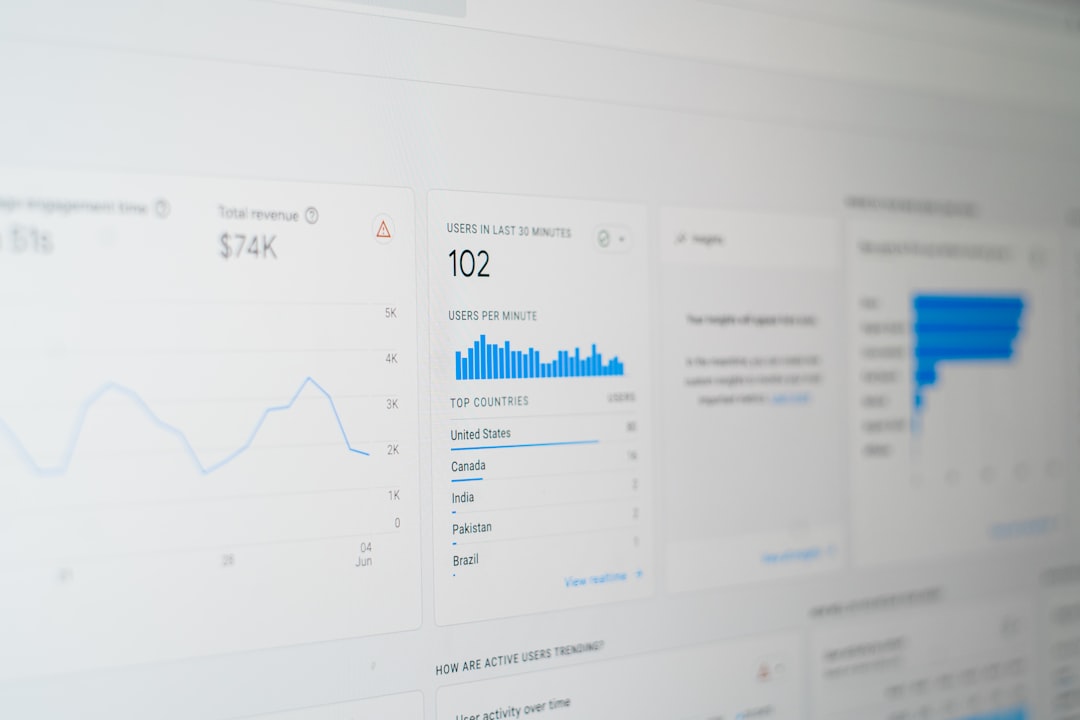
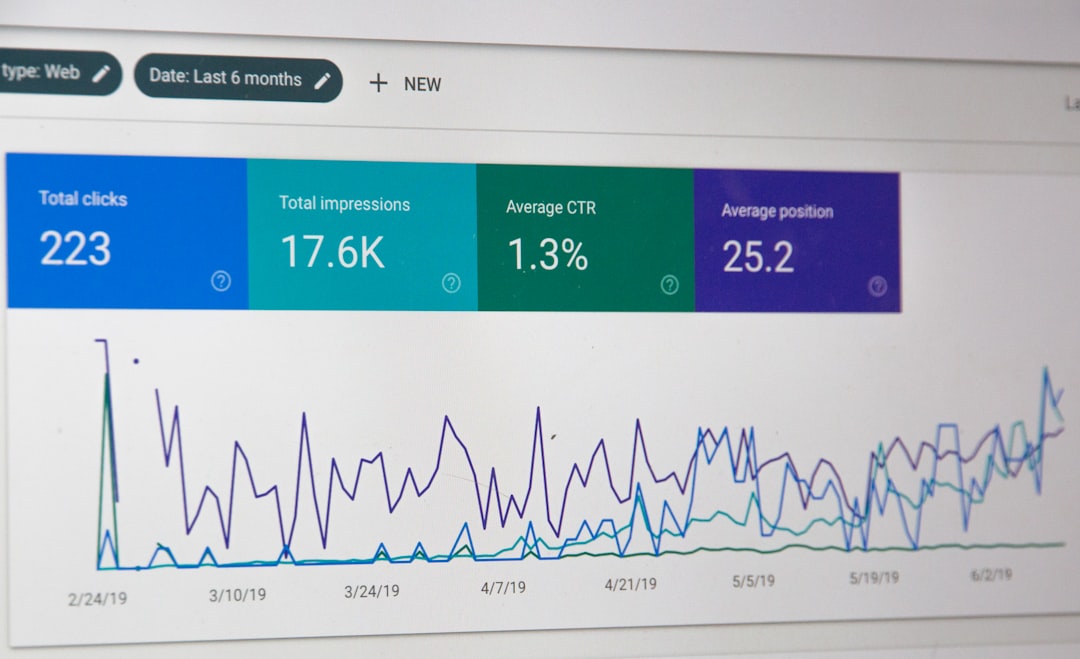
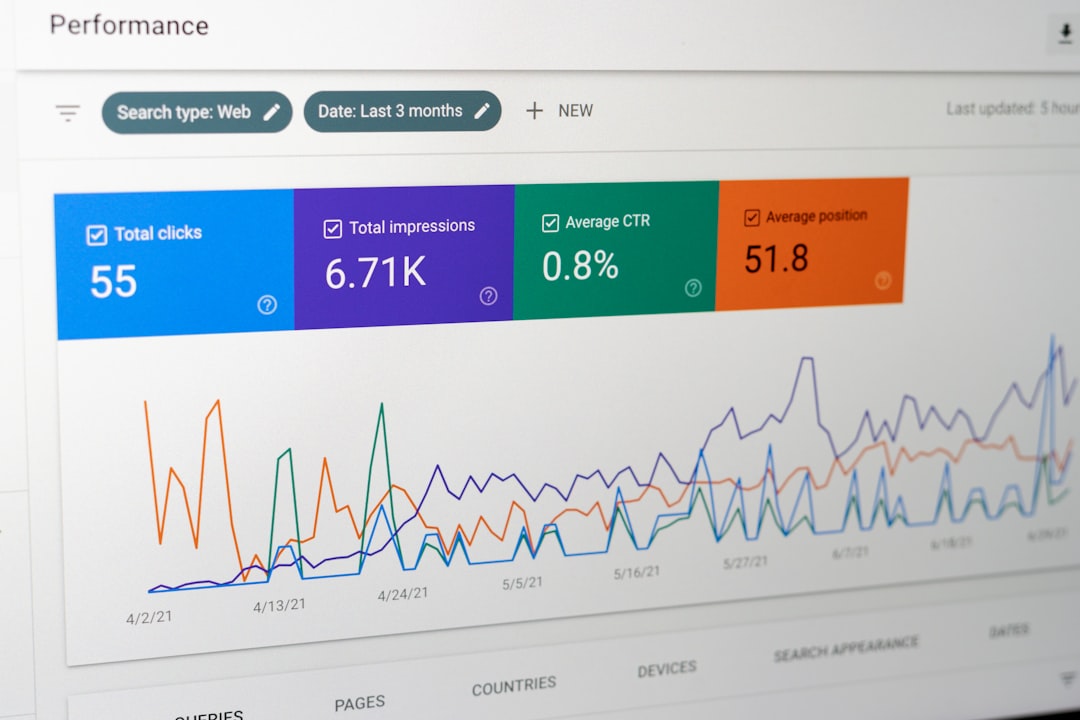
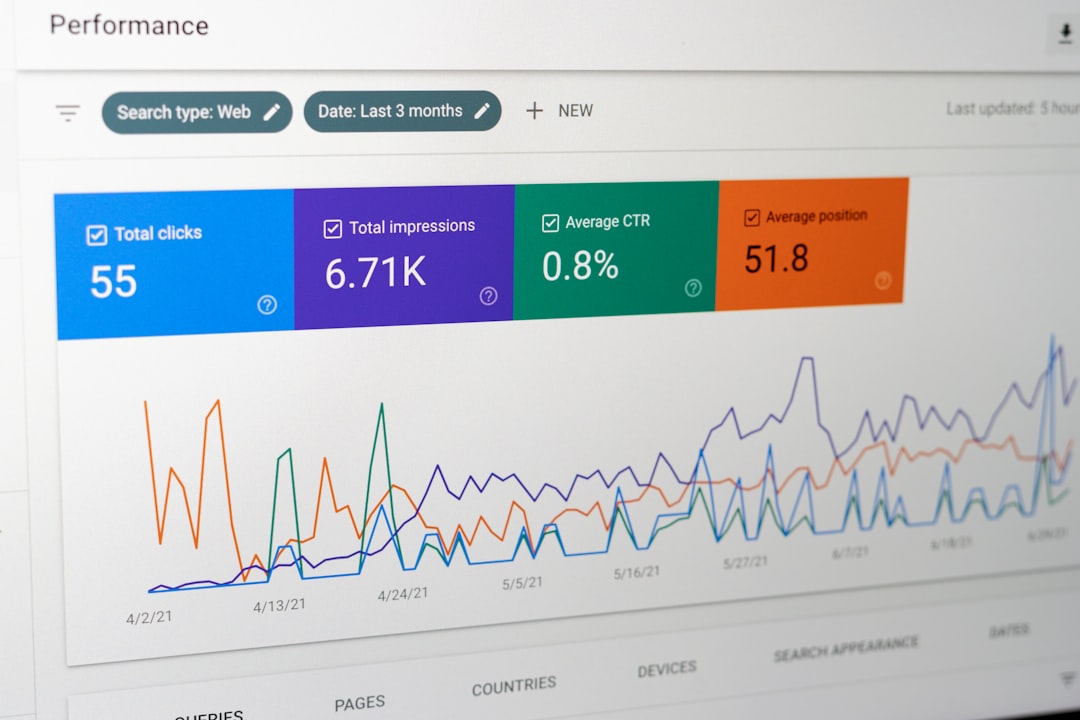
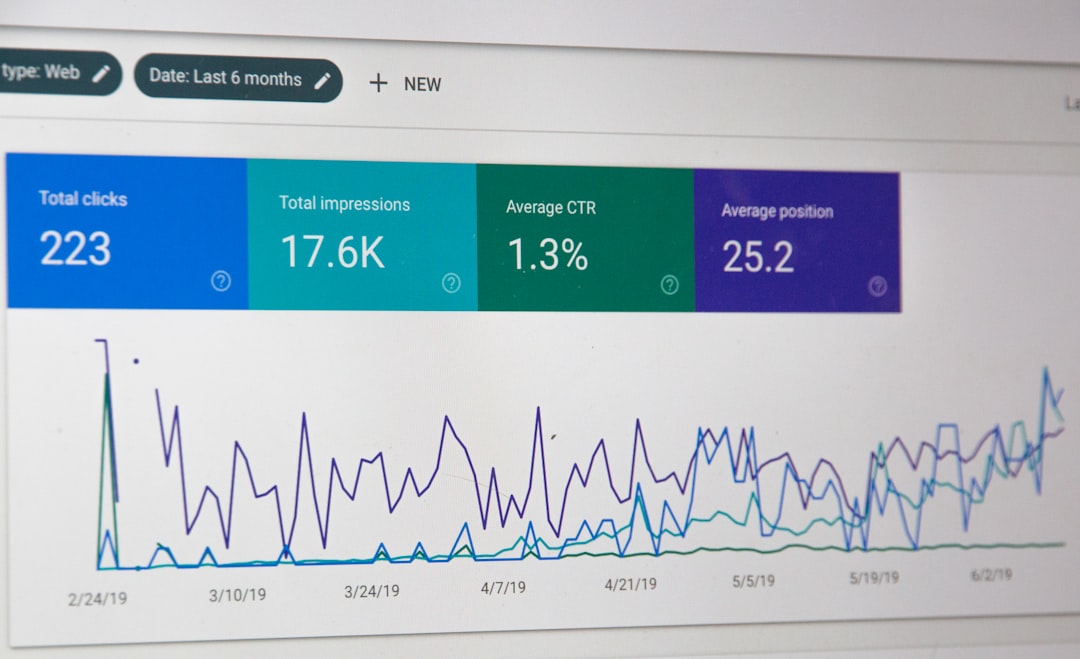
    keyword research strategy, SEO analytics dashboard

    What Keywords Actually Do (And Why Most People Misread Them)

    At the most fundamental level, keywords are the bridge between what a person types into a search engine and the content you’ve created. But here’s where most beginners — and even some seasoned marketers — go wrong: they treat keywords as volume metrics rather than intent signals.

    Think about it this way. A keyword with 90,000 monthly searches sounds incredible. But if the top 10 results are all Wikipedia, Forbes, and HubSpot, you’re essentially trying to sprint into a Formula 1 race on a bicycle. The real opportunity in 2026 lives in the intersection of three things:

    • Search Volume: How many people are actually searching for this term each month (use tools like Semrush’s Keyword Magic Tool or Google Keyword Planner to get reliable estimates).
    • Keyword Difficulty (KD): A 0–100 score indicating how hard it is to rank organically. For newer sites, targeting KD below 30 is a realistic starting point.
    • Search Intent: Is the user researching, comparing, or ready to buy? A keyword like “best running shoes” signals comparison intent, while “buy Nike Air Zoom size 10” screams transactional intent.
    • Cost Per Click (CPC): High CPC often indicates high commercial value — advertisers wouldn’t pay $8–$15 per click on a term that doesn’t convert.
    • Trend Trajectory: A keyword growing 40% month-over-month in 2026 is worth targeting even at moderate volume — you’re riding the wave up.

    The Tools Landscape in 2026: What’s Worth Your Money

    The keyword tool ecosystem has matured significantly. Here’s the honest breakdown of what’s actually useful right now:

    Google Keyword Planner remains the bedrock — it’s free (with a Google Ads account), pulls directly from Google’s own data, and lets you discover new keyword ideas, view monthly search estimates, and even model ad costs. The catch? Volume data is often displayed in wide ranges (“1K–10K”) unless you have an active spending campaign.

    Semrush Keyword Magic Tool is the power-user favorite. It surfaces high-volume, low-competition opportunities, clusters keywords by topic, and even shows whether a keyword signals research, comparison, or buying intent — all in one dashboard. It’s paid, but the ROI justifies it for anyone doing serious SEO work.

    Keywordtool.io takes a different angle — it scrapes Google, YouTube, Bing, Amazon, and Instagram autocomplete data, giving you a panoramic view of how people actually phrase their searches across platforms. The free tier is solid for ideation; the pro tier unlocks volume and CPC data.

    WordStream’s Free Keyword Tool is a surprisingly strong alternative for PPC-focused research — it delivers competition level and estimated CPC alongside keyword suggestions, which makes budget planning much easier for ad campaigns.
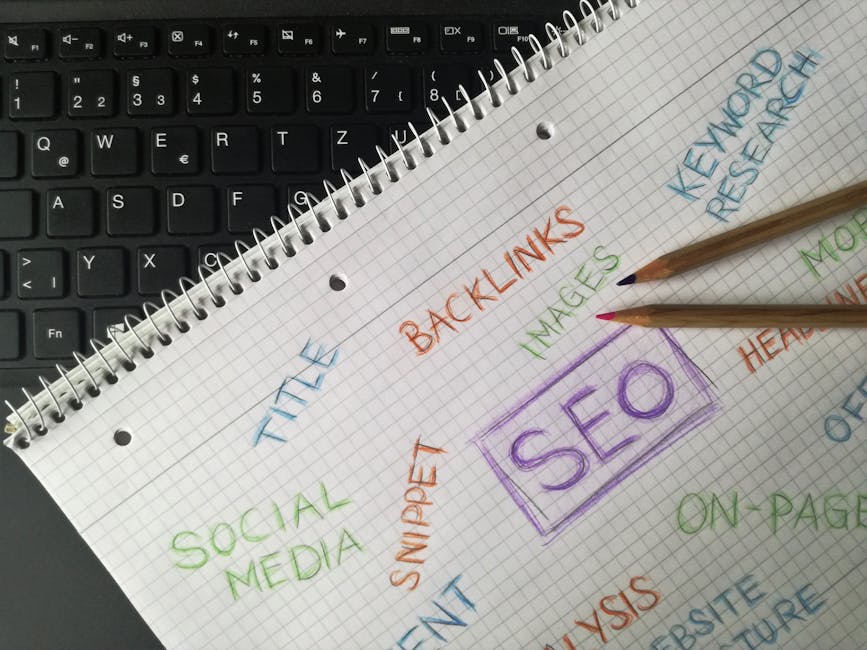
    SEO tools comparison, keyword difficulty chart

    The Long-Tail Advantage: Where Real Wins Hide in 2026

    Here’s a number that should reframe your entire strategy: approximately 70% of all search queries are long-tail keywords — phrases of three or more words with lower individual volume but far higher collective reach and conversion rates. A new site trying to rank for “coffee maker” is chasing a dream. A site ranking for “best quiet coffee maker for small apartment 2026” is closing sales.

    Long-tail keywords also align naturally with how AI-powered search (think Google’s AI Overviews and conversational queries) is reshaping search behavior in 2026. People are typing full questions, not just fragments. Your keyword strategy needs to reflect that shift.

    A Realistic Workflow That Actually Works

    Here’s the framework I now follow — and recommend — for any keyword research project:

    • Step 1 — Seed Keywords: Start with 5–10 broad terms that describe your niche. Don’t overthink it — just what you’d type if you were the customer.
    • Step 2 — Expand with Tools: Run seeds through Semrush, Keywordtool.io, or Google Keyword Planner to generate hundreds of related suggestions.
    • Step 3 — Filter Ruthlessly: Apply KD thresholds appropriate to your domain authority. New site? Stay under KD 25–30. Established domain? You can push into KD 40–60.
    • Step 4 — Map Intent: Categorize every surviving keyword as Informational, Navigational, Commercial, or Transactional. Match each to the right content type.
    • Step 5 — Check Competitors: Use tools like Semrush to see which keywords your direct competitors rank for — then find the gaps they’re missing.
    • Step 6 — Monitor & Iterate: Keyword performance is not a set-it-and-forget-it game. Review rankings monthly and pivot when trends shift.

    Where People Still Go Wrong (And How to Avoid It)

    Even with great tools, I see the same mistakes repeating in 2026. Chasing vanity metrics (massive search volume with no commercial intent) is still the #1 killer. Ignoring local keyword modifiers is #2 — “coffee maker” and “coffee maker near me” serve completely different users. And #3? Failing to account for how AI search overviews are now absorbing clicks for purely informational queries, meaning you need to either go deeper than the AI summary or target keywords where users still click through.

    The realistic alternative to a keyword-only SEO strategy is a topical authority approach — building clusters of deeply interconnected content around a subject so search engines recognize your site as the definitive resource, not just a page with a keyword stuffed into the title tag.

    💬 Got a keyword strategy that’s working (or one that completely flopped)? Drop your experience in the comments — real-world data from fellow practitioners is worth more than any tool’s estimate.


    📚 관련된 다른 글도 읽어 보세요

    태그: []

  • I Wasted 6 Months Chasing Volume — The Real Keyword Research Playbook for 2026

    A friend of mine — a sharp content marketer with a solid portfolio — spent the better part of last year publishing three blog posts a week. Traffic? Practically zero. She wasn’t a bad writer. Her posts were well-structured, genuinely helpful, and visually clean. The culprit, it turned out, was something far more fundamental: she’d been picking keywords the way most of us learned to, chasing big monthly search volumes without ever asking why someone was searching in the first place. That conversation changed the way I think about keyword research entirely, and I suspect it’ll change yours too.

    So let’s dig into what keyword research actually looks like in 2026 — not the version from a three-year-old YouTube tutorial, but the version that reflects how search engines, AI tools, and real human behavior have all shifted at once.

    The Ground Has Shifted: Intent Is Now King

    Keyword research has fundamentally shifted from a volume-first to an intent-first methodology. With 58.5% of searches now resulting in zero clicks, and 91.8% of all searches being long-tail keywords, successful 2026 keyword research must serve two purposes: ranking in traditional search results and being cited in AI-generated answers.

    That last part — being cited in AI-generated answers — is genuinely new territory. Keyword research in 2026 combines traditional search analysis with AI search optimization to identify the terms and topics your audience uses across Google, ChatGPT, and Perplexity. If you’re not thinking about platforms beyond Google, you’re already playing a partial game.

    In 2026, search engines weigh relevance and user satisfaction heavily, so choosing the right keywords ensures your content aligns with what real people are looking for. AI-driven ranking systems also evaluate context, meaning your keyword strategy should focus on clarity, precision, and intent rather than stuffing or repetition.

    keyword research intent map, SEO strategy 2026

    The Real Cost of Getting This Wrong

    Here’s a number that should stop you cold: 90% of webpages receive no Google traffic, as Ahrefs reports — and poor keyword selection drives most of these failures. That’s not a content quality problem. That’s a targeting problem.

    On the flip side, the upside of getting it right is enormous. B2B companies using strategic keyword research achieve 702–1,389% ROI from SEO according to First Page Sage research. And the gap between those who do it well versus barely: thought leadership SEO with strategic keyword research (approximately 8 pages monthly) delivers 748% ROI over three years, whilst basic content marketing without proper keyword research (approximately 4 articles monthly) delivers only 16% ROI.

    That’s not a marginal difference. That’s the difference between a business asset and a digital diary nobody reads.

    Long-Tail Keywords: Stop Underestimating Them

    Long-tail keywords are specific phrases (3+ words) with lower volume but higher conversion rates. Research shows 91.8% of searches are long-tail, and they convert at 2.5 times the rate of short-tail terms.

    Long-tail keywords are essential for SEO in 2026 because they target highly specific queries. Instead of broad terms with heavy competition, long-tail keywords attract users who already know what they want. These keywords often lead to more focused engagement and better conversion opportunities.

    Think about it this way: someone searching “shoes” is browsing. Someone searching “best waterproof trail running shoes for wide feet under $120” is buying. That’s your audience.

    A Practical 5-Phase Framework That Actually Works

    A five-phase framework is recommended: generate ideas, assess volume and difficulty, map to intent, cluster into topic silos, and build an editorial calendar. In 2026, search intent is more nuanced than ever — knowing what users mean behind their queries helps you craft content that actually answers questions, not just ranks.

    Here’s how to work through each phase without getting lost:

    • Phase 1 — Seed Keywords: Before opening any keyword tool, write down the 10–20 most common questions your customers ask before hiring you or buying from you. These are your seed keywords. Real customer language is almost always better than industry jargon.
    • Phase 2 — Tool Expansion: Use Google Keyword Planner, Semrush, Ahrefs, or similar tools to expand your seed keywords. Look at search volume, keyword difficulty (KD), and CPC as signals — not gospel.
    • Phase 3 — Difficulty Filtering: Keyword Difficulty (KD) indicates the ranking challenge. Lower KD equates to more accessible targets — beginners should focus on terms scoring below 30.
    • Phase 4 — Intent Matching: The mistake most brands make is writing informational content for transactional keywords, or creating service pages for informational queries. The match between intent and content format is more important than keyword density.
    • Phase 5 — AI Visibility Check: For your target keywords, check whether Google AI Overviews appear. If they do, your content needs to be structured to be citable — think clear headers, direct answers, and authoritative sourcing.

    Tools Worth Using (And One to Avoid)

    Google Suggest is a great way to discover keywords — it’s the list of suggestions that appear when you start searching for something on Google. These suggestions are perfect candidates for potential keywords to target, and as a bonus, they’re usually long-tail keywords.

    For social signals, don’t sleep on platforms beyond Google. Searches on TikTok, YouTube, Instagram, and Reddit reveal how your audience actually phrases their questions — and these social search queries often translate directly to blog and content opportunities.

    One important caveat: don’t ask ChatGPT to give you blog keywords — it’ll lie to you. The data is never accurate in terms of how popular or difficult a particular keyword is. Stick with dedicated SEO platforms for the actual numbers.

    keyword research tools dashboard, SEO analytics screen

    How Often Should You Revisit Your Keyword Strategy?

    Review keyword strategy quarterly for most businesses. Search behaviour, competitor positioning, and AI search patterns evolve continuously. Monthly reviews are appropriate for fast-moving industries or during major product launches. Annual keyword research is simply insufficient given the pace of change in 2026.

    This isn’t busywork — it’s maintenance on your most important traffic asset. Think of it like changing your oil. Skip it long enough and the whole engine seizes.

    The Realistic Alternative When You’re Starting from Zero

    If you’re brand new and don’t have budget for Ahrefs or Semrush, don’t panic. Research consistently shows that free tools adequately support beginners, avoiding immediate financial commitment. Google Search Console, Google Suggest, Google Trends, and AnswerThePublic together give you a genuinely powerful starting stack at zero cost.

    The key mindset shift? Right Keyword + Right Intent + Quality Content = Traffic. Get that equation right and the platform almost doesn’t matter.

    💬 Drop a comment below: What’s the trickiest part of keyword research you’ve run into — picking the right seed terms, matching intent, or figuring out what AI Overviews mean for your traffic strategy? Let’s work through it together.


    📚 관련된 다른 글도 읽어 보세요

    태그: []

  • 아직도 애드센스만 믿어요? 2026년 AI 블로그 수익화 — 월 300 버는 구조 완전 분해

    지난달 지인한테 연락이 왔어요. ‘블로그 1년 했는데 월 수익이 3만원이야. 뭐가 문제야?’ 솔직히 처음엔 웃음이 나왔습니다. 근데 자세히 들어보니 문제가 딱 보이더라고요. 글은 열심히 썼는데, 구조가 없었던 거예요. 2026년 기준으로 블로그 수익화는 ‘글 잘 쓰기’의 싸움이 아닙니다. 트래픽 → 전환 → 수익 파이프라인 설계가 전부예요. 저도 처음 3년은 헛바퀴 돌았으니까, 지금부터 그 삽질 비용을 여러분한테 그냥 드리겠습니다.

    blog monetization strategy, passive income laptop, content creator workspace
    • 🔥 2026년 블로그 수익 구조, 뭐가 달라졌나?
    • 💰 실제 월 300만원 블로거의 수익 포트폴리오 분석
    • 📊 플랫폼별 수익화 비교표 (애드센스 vs 제휴 vs 디지털 상품)
    • 🤖 AI 도구 활용법 — 속도는 3배, 품질은 유지하는 법
    • 🚫 절대로 하지 말아야 할 블로그 수익화 실수 7가지
    • ❓ 자주 묻는 질문 (FAQ)

    🔥 2026년 블로그 수익 구조, 뭐가 달라졌나?

    2026년 현재 블로그 생태계는 크게 두 가지 변화가 왔습니다. 첫 번째는 AI 검색(제로클릭)의 확산입니다. 구글 AI Overview, 네이버 AI 브리핑이 상단을 먹으면서 단순 정보성 글의 클릭률(CTR)이 최대 35~45% 감소했다는 데이터가 나오고 있어요. 두 번째는 롱테일 + 전문성 콘텐츠의 부활입니다. AI가 요약해줄 수 없는 ‘경험 기반 실증 정보’, ‘비교 분석’, ‘실패 사례’에 대한 검색 수요는 오히려 증가했습니다.

    결론적으로 말하면, 2026년에는 ‘AI가 대답할 수 없는 콘텐츠’만 살아남아요. 직접 써봤고, 직접 비교했고, 직접 돈 벌어본 사람의 이야기. 그게 지금의 블로그 경쟁력입니다.

    AI search zero click, Google AI overview blog traffic

    💰 실제 월 300만원 블로거의 수익 포트폴리오 분석

    제 주변에서 실제로 월 250~350만원 수익을 내는 블로거 5명의 수익 구조를 분석해봤습니다. 공통점이 딱 하나 있어요. 애드센스 비중이 30% 이하입니다. 나머지는 제휴 마케팅(쿠팡파트너스, 아이허브 등), 디지털 상품 판매, 외주 의뢰, 강의 판매로 채워져 있어요.

    • 애드센스/디스플레이 광고: 월 60~80만원 (20~25%)
    • 제휴 마케팅 (쿠팡파트너스 + 전문몰): 월 80~120만원 (30~35%)
    • 디지털 상품 (노션 템플릿, PDF 가이드): 월 50~70만원 (18~22%)
    • 외주/컨설팅 의뢰: 월 60~100만원 (20~25%)

    핵심은 트래픽이 아니라 ‘전환율’입니다. 월 방문자 5만명짜리 블로그가 50만원 벌 때, 방문자 1만명짜리 블로그가 200만원 버는 경우가 허다해요. 타겟팅이 명확하고, 독자가 ‘다음 행동’을 하게끔 설계된 구조가 있기 때문입니다.

    📊 플랫폼별 수익화 방법 비교표

    수익화 방법 초기 세팅 난이도 월 수익 잠재력 트래픽 의존도 추천 대상
    구글 애드센스 ★★☆☆☆ (쉬움) 5~100만원 매우 높음 대용량 트래픽 확보된 블로그
    쿠팡파트너스/제휴마케팅 ★★★☆☆ (보통) 20~200만원 중간 리뷰/비교 콘텐츠 운영자
    디지털 상품 판매 ★★★★☆ (어려움) 50~500만원+ 낮음 전문 지식 보유자
    외주/컨설팅 유입 ★★★★★ (전문성 필요) 100~1000만원+ 매우 낮음 실무 경력자, 프리랜서
    뉴스레터 구독 (유료) ★★★☆☆ (보통) 30~300만원 낮음 팬덤 형성 가능한 니치 블로거

    🤖 AI 도구 활용법 — 속도는 3배, 품질은 유지하는 법

    2026년 현재 블로그 운영에서 AI 도구를 안 쓰는 건 진짜 손해예요. 근데 함정이 있습니다. AI가 써준 글을 그대로 올리는 순간, 구글의 ‘Helpful Content’ 평가 알고리즘에 걸려서 검색 노출 자체가 막힙니다. 실제로 2024~2025년에 AI 어뷰징 블로그들이 대거 순위에서 사라진 게 증거예요.

    제가 직접 써보고 검증한 2026년 기준 최적 AI 활용 워크플로는 다음과 같습니다:

    • 1단계 (리서치 자동화): ChatGPT-4o / Perplexity로 주제 관련 최신 데이터, 통계, 경쟁 블로그 구조 파악 (소요 시간: 10분 → 2분)
    • 2단계 (구조 설계): AI에게 TOC 초안 생성 요청 후 인간이 편집 (핵심: AI 구조 + 내 경험 스토리 삽입)
    • 3단계 (초안 작성): AI 초안 50% + 직접 경험담 50% 혼합 편집
    • 4단계 (SEO 최적화): Surfer SEO 또는 Ahrefs로 키워드 밀도, LSI 키워드 최종 점검
    • 5단계 (팩트체크): 수치/날짜/링크는 반드시 사람이 직접 검증 — 이 단계 스킵하면 신뢰도 폭망

    이 워크플로 적용 시 글 1편 작성 시간이 기존 4~6시간에서 1.5~2시간으로 단축됩니다. 월 16편 → 30편 업로드가 가능해지는 구조예요.

    🔍 국내외 성공 사례 — 이렇게 하면 됩니다

    미국 SEO 전문가 커뮤니티에서도 화제가 된 사례가 있습니다. 단순히 ‘Best Tools 2026’ 같은 제목보다 ‘내가 6개월간 10개 도구를 직접 테스트해봤다’ 형태의 1인칭 경험 콘텐츠가 CTR이 2~3배 높다는 실측 데이터가 계속 나오고 있어요. 국내에서도 마찬가지입니다. 재테크 블로거 A씨는 ‘코인 추천’ 글이 아닌 ‘내가 200만원 날린 코인 투자 실패기’로 월 방문자를 6개월 만에 3,000명 → 42,000명으로 늘렸습니다. 실패 스토리가 성공 스토리보다 공감과 체류시간을 더 잡아요.

    핵심 인사이트: 경험 기반 + 수치 포함 + 실패 공개. 이 세 가지가 2026년 블로그 콘텐츠의 황금 공식입니다.

    🚫 절대로 하지 말아야 할 블로그 수익화 실수 7가지

    • 주제 없이 잡블로그 운영: 구글은 ‘이 블로그가 어떤 분야의 전문가인지’ 판단합니다. 주제가 없으면 도메인 권위도 없고, 광고 단가도 최저입니다.
    • 애드센스 승인 직후 광고만 달기: 트래픽이 월 3,000명 이하면 애드센스 수익은 월 1~3만원입니다. 제휴 마케팅을 먼저 붙이세요.
    • AI 글 무편집 업로드: 2026년 기준 구글 Helpful Content 업데이트가 AI 어뷰징 콘텐츠를 정밀 타격 중입니다. 반드시 사람의 경험이 들어가야 합니다.
    • 내부 링크 설계 안 하기: 독자가 1개 글 읽고 나가면 이탈률 90%+, 체류시간 1분 이하로 SEO 점수 폭락합니다.
    • 모바일 최적화 무시: 2026년 국내 블로그 트래픽의 약 72%가 모바일. 글자 크기, 표 가로스크롤, 이미지 로딩 속도 필수 체크.
    • CTA(Call to Action) 없는 글 작성: 글 끝에 ‘다음 행동’을 유도하지 않으면 독자는 그냥 뒤로가기 누릅니다. 관련 글 링크, 뉴스레터 구독, 상품 클릭 유도 등을 반드시 넣으세요.
    • 수익화 전에 도메인 에이지 쌓기 포기: 블로그는 최소 6개월은 꾸준히 해야 구글이 신뢰를 줍니다. 3개월에 포기하는 게 가장 큰 실수입니다.

    ❓ FAQ — 독자들이 가장 많이 묻는 질문

    Q1. 블로그 수익화, 정말 지금 시작해도 늦지 않았나요?

    솔직히 말씀드릴게요. ‘쉽게 돈 버는 시대’는 지났습니다. 2026년 기준으로 경쟁은 분명히 심해졌어요. 하지만 역설적으로 AI 어뷰징 콘텐츠가 걸러지면서 진짜 경험 기반 전문 블로그에 대한 수요는 오히려 올라가고 있습니다. 니치(niche)를 좁게 잡고, 본인만의 경험을 녹인 콘텐츠라면 지금 시작해도 충분히 승산 있습니다. 단, 최소 12개월은 각오해야 해요.

    Q2. 티스토리 vs 워드프레스, 2026년 기준 어느 게 낫나요?

    수익화 목적이라면 워드프레스입니다. 티스토리는 카카오 정책 변경 리스크가 있고, 광고 삽입 자유도와 플러그인 확장성이 워드프레스에 비해 제한적입니다. 반면 초기 진입 장벽이 낮고 SEO 최적화가 어느 정도 자동화된 티스토리는 ‘테스트 블로그’로는 여전히 유효합니다. 진지하게 수익화할 계획이라면 호스팅 비용(연 3~10만원)이 들더라도 워드프레스로 시작하세요.

    Q3. 포스팅 주기는 얼마나 자주 해야 하나요?

    정답은 ‘일관성’입니다. 주 5편 올리다가 갑자기 한 달 쉬는 것보다, 주 2편을 12개월 동안 꾸준히 올리는 게 구글 크롤링 신뢰도와 도메인 권위 상승에 훨씬 효과적입니다. 2026년 기준 월 8~10편, 편당 1,500자 이상, 최소 1개 이상의 실증 데이터 포함이 권장 기준입니다.


    📊 한 줄 평: 2026년 블로그는 ‘글 공장’이 아닌 ‘경험 아카이브’입니다. 쓸수록 자산이 쌓이는 구조, 제대로 설계하면 월 300은 진짜 가능합니다. 별점 4.2 / 5.0 — 진입 장벽은 있지만 ROI는 여전히 최상위권.

    마지막으로 한마디 드리자면, 이 글에서 소개한 전략 중 딱 하나만 오늘 당장 실행하세요. ‘제휴 링크 하나 달기’든 ‘내부 링크 3개 추가하기’든 상관없어요. 전략을 100개 아는 사람보다 1개를 실행하는 사람이 이 바닥에서 살아남습니다. 지금 바로 시작하세요.


    📚 관련된 다른 글도 읽어 보세요

    태그: []

  • Stop Chasing Volume — Here’s How Keyword Research Actually Works in 2026

    A friend of mine spent three months grinding out blog content last year. Solid writing, clean site, decent backlinks. Traffic? Practically nothing. When we finally sat down together and pulled up his keyword strategy, the problem was obvious: he was targeting high-volume, one-word head terms and completely ignoring search intent. It’s a mistake I see constantly, and honestly, one I made myself when I first started. So let’s talk about what actually works in 2026 — because the rules have quietly but fundamentally shifted.

    keyword research SEO strategy 2026, search intent analysis tools

    Why the Old Volume-First Approach is Hurting You

    Here’s the uncomfortable truth: chasing high search volume in 2026 is often a trap. With 58.5% of searches now resulting in zero clicks, understanding search intent has become more important than chasing volume. Think about what that really means — more than half the people who type something into Google never leave Google. AI Overviews, featured snippets, and knowledge panels are absorbing answers before users ever reach your site. So if you’re optimizing purely for impressions, you’re building on sand.

    Keyword research has fundamentally shifted from volume-first to intent-first methodology. With 91.8% of all searches being long-tail keywords, and AI search platforms accounting for growing search share, successful 2026 keyword research must serve two purposes: ranking in traditional search results and being cited in AI-generated answers. That second part is new — and most people aren’t doing it yet.

    The Intent-First Framework That’s Actually Working

    Keyword research in 2026 means identifying the exact questions, problems, and decisions your target audience is searching for, then matching your content to the intent behind each search — not just the words used. This is a subtle but massive distinction. Two people can type nearly the same phrase with completely different goals, and if your content doesn’t match what they actually want, you won’t rank — period.

    The mistake most brands make is writing informational content for transactional keywords, or creating service pages for informational queries. The match between intent and content format is more important than keyword density. If you see a transactional SERP full of product pages and you publish a how-to guide, you’re almost certainly going nowhere.

    In 2026, search engines weigh relevance and user satisfaction heavily, so choosing the right keywords ensures your content aligns with what real people are looking for. AI-driven ranking systems also evaluate context, meaning your keyword strategy should focus on clarity, precision, and intent rather than stuffing or repetition.

    Long-Tail Keywords: Still Underused, Still Winning

    If you’re a newer site or working in a competitive niche, long-tail keywords are still your best friend — and the data backs this up hard. Long-tail keywords are specific phrases (3+ words) with lower volume but higher conversion rates. Research shows 91.8% of searches are long-tail, and they convert at 2.5 times the rate of short-tail terms.

    Keyword Difficulty (KD) indicates ranking challenge. Lower KD equates to more accessible targets — consequently, beginners should focus on terms scoring below 30. Pair that low difficulty with a clear transactional or commercial intent, and you’ve got a realistic shot at page one even on a young domain.

    By targeting long-tail, intent-rich phrases you can outrank competitors for queries that matter most to your business. This is the actual playbook serious SEOs use in 2026 — not hunting for the highest-volume vanity keyword in the niche.

    long tail keyword difficulty chart, SEO content clustering topic silos

    The 5-Phase Workflow You Should Steal

    Rather than random keyword hunting, structured workflows win every time. A five-phase framework works best: generate ideas, assess volume and difficulty, map to intent, cluster into topic silos, and build an editorial calendar. In 2026, search intent is more nuanced than ever — knowing what users mean behind their queries helps you craft content that actually answers questions, not just ranks.

    Here’s a quick breakdown of each phase:

    • Phase 1 — Seed Keyword Brainstorm: Before opening any keyword tool, write down the 10–20 most common questions your customers ask before hiring you or buying from you. These are your seed keywords. Real customer language is almost always better than industry jargon.
    • Phase 2 — Expand & Assess: Use Google Keyword Planner, Semrush, Ahrefs, or similar tools to expand your seed keywords. Filter by KD score and search volume to find your sweet spots.
    • Phase 3 — Intent Mapping: Map intent categories — informational, navigational, transactional — and how they map to funnel stages. One keyword per intent per page.
    • Phase 4 — Topic Clustering: Rather than targeting one keyword per page, create clusters of thematically linked content. This approach increases authority and ranks for multiple related terms.
    • Phase 5 — Editorial Calendar: Batch your clusters into a publishing schedule, prioritizing quick-win low-KD targets first to build domain trust.

    Tools That Are Actually Worth Using in 2026

    The toolbox for keyword research has expanded significantly from cumbersome spreadsheets and basic Google searches. By 2026, a slew of emerging tools harness AI and predictive analytics, providing insights that are quicker, smarter, and more actionable. But more tools doesn’t mean better results — it means more noise if you don’t know what you’re looking for.

    Here are the categories that matter most right now:

    • Intent-analysis tools: These tools analyze how people phrase questions and what information they expect to find. They help you understand why someone searches for a keyword — not just how often they search for it. This is especially important as search engines continue to prioritize context and relevance.
    • Competitor gap tools: Competitor-focused tools show which topics other websites are ranking for and how they structure their content. They help you identify gaps in the market and understand which keywords are worth pursuing based on actual performance — not guesswork.
    • Social search signals: Searches on TikTok, YouTube, Instagram, and Reddit reveal how your audience actually phrases their questions. These social search queries often translate directly to blog and content opportunities.
    • AI search monitoring: For your target keywords, check whether Google AI Overviews appear — if they do, you need to structure your content to be cited within those overviews, not just ranked below them.

    How Often Should You Revisit Your Keyword Strategy?

    This is where a lot of content teams drop the ball. Quarterly for core strategy, with monthly monitoring of keyword rankings and search volume trends. AI search behavior changes rapidly enough in 2026 that annual keyword audits are no longer sufficient. Set a calendar reminder now. Seriously.

    And watch out for keyword cannibalization — a sneaky problem that silently tanks rankings. Keyword cannibalization is when multiple pages on your site target the same primary keyword, causing them to compete against each other. This splits authority and often causes neither page to rank well. Each primary keyword should map to one canonical page.

    The ROI Case: Why This Is Worth Your Time

    Still not convinced keyword research deserves a dedicated block of your week? Consider this: B2B companies using strategic keyword research achieve 702–1,389% ROI from SEO according to First Page Sage research. And the delta between doing it right vs. doing it casually is enormous — thought leadership SEO with strategic keyword research delivers 748% ROI over three years, whilst basic content marketing without proper keyword research delivers only 16% ROI. That’s not a small gap. That’s the difference between a growth engine and a content hamster wheel.

    If you’re earlier in your SEO journey and don’t have budget for premium tools yet, don’t panic. Research consistently shows that free tools adequately support beginners, avoiding immediate financial commitment. Start with Google Search Console, Google Keyword Planner, and AnswerThePublic — then layer in paid tools as your traffic grows.

    Bottom line: Volume is a vanity metric. Intent is a revenue metric. If your keyword strategy in 2026 still starts with “what has the most monthly searches?”, it’s time to flip the script — start with your customer’s real questions, map those to intent and funnel stage, cluster your content, and monitor quarterly. That’s not a hack. That’s just the actual job now.


    📚 관련된 다른 글도 읽어 보세요

    태그: []

  • I Wasted 6 Months Chasing Volume — My Real 2026 Keyword Research Reset

    A friend of mine runs a niche recipe blog. Smart person, great writer — spent months cranking out content, targeting every high-volume food keyword she could find. Six months later? Barely a trickle of organic traffic. Sound familiar? It wasn’t until she shifted her entire approach that things clicked. And honestly, her story is what pushed me to rethink everything I thought I knew about keyword research in 2026.

    Let’s dig into what’s really going on — and why the “more volume = more traffic” mindset is quietly wrecking a lot of SEO strategies right now.

    keyword research strategy, SEO analytics dashboard 2026

    The Volume Trap: Why Big Numbers Lie

    Here’s the uncomfortable truth most keyword guides skip: chasing high search volume without understanding intent is like fishing with a giant net in the wrong river. You burn energy, get nothing, and wonder what went wrong.

    Keywords are still fundamental to SEO, but intent matters far more today — search engines now prioritize content that aligns with user intent and genuinely satisfies their needs. That’s a seismic shift from the old days of stuffing a page with the highest-volume term you could find.

    The most successful SEO professionals have shifted to an intent-first keyword strategy: identify what the user is trying to accomplish, then build content that is the clearest, most authoritative answer. That single reframe changes everything about how you pick and use keywords.

    And if you’re worried about AI cannibalizing your traffic? You’re right to think about it — but not in the way most people do. More than half of Google searches now end without anyone clicking through to a website, and AI Overviews appear for nearly one in five searches. But here’s the flip side: transactional and commercial intent keywords still drive clicks because AI can’t complete purchases or make complex buying decisions for people. That’s your opening.

    What Actually Works in 2026: The Intent-First Framework

    In 2026, keyword research goes beyond identifying high-volume keywords and focuses on intent, context, and real user value — it’s about knowing what users want, predicting trends, and providing value through intelligent, organized, contextual content.

    Think of your keyword strategy in three layers:

    • Informational keywords: These build authority and top-of-funnel awareness. Great for blog posts, guides, and explainers. Keyword research uncovers the terms people type into search engines and guides not just topics, but the actual phrasing of headings, meta tags, and internal links to match user intent at each funnel stage.
    • Long-tail keywords: Long-tail keywords are more specific, lower competition, and easier to rank for — think “best free SEO tools for beginners 2026” vs just “SEO tools.” Lower volume, but searchers with laser-sharp intent convert significantly better.
    • Transactional & commercial keywords: While informational content builds authority, commercial and transactional keywords drive revenue. These should map directly to product or service pages, not blog posts.

    The Tools That Actually Move the Needle

    Let’s be practical. You don’t need to pay for ten platforms. Here’s a lean, effective stack:

    • Semrush Keyword Magic Tool: Find keywords with high search volume and low competition so you can rank pages quickly and easily. Their competitor keyword gap analysis is particularly sharp.
    • Ahrefs: Ahrefs has deeper historical SERP data and more features for analyzing what content performs best in terms of links and shares.
    • Google Search Console: The best way to check your current keyword rankings is to head to Google Search Console and navigate to the Search Results report, then look at your current rankings under the Queries tab. Free, first-party, and brutally honest.
    • AnswerThePublic + AI tools: Utilize a combination of tools such as Ahrefs, Semrush, Google Search Console, AnswerThePublic, and even AI-based tools such as ChatGPT to find question-based and intent-based keywords.
    • Google Keyword Planner: You can use Google Keyword Planner to discover new keywords related to your business and view estimates of the searches they receive and the cost to target them. It requires a Google Ads account but is free to use.
    keyword intent mapping, long-tail keyword research tools

    The AI Search Factor You Can’t Ignore

    Here’s where 2026 gets genuinely different from any year before it. SEO in 2026 centers on three core principles: creating high-quality content that serves user intent, building authority through credible signals, and making pages technically accessible to both search engines and AI systems.

    According to Semrush’s 2026 AI search traffic study, websites appearing in AI-generated answers receive an average of 15–20% more organic traffic compared to similar sites not featured. So optimizing for AI citations isn’t optional anymore — it’s a multiplier.

    How do you get cited by AI? AI tools like ChatGPT and Perplexity process natural language queries differently than traditional search engines — use prompt research tools to identify conversational queries in your niche, because users ask AI things like “What are the most effective SEO strategies for my small business?” rather than typing “small business SEO.”

    Building Your Keyword Cluster (The Right Way)

    Random keywords don’t rank. Clustered, interconnected topic architectures do. Group terms into logical keyword clusters to build out comprehensive content strategies. Think of it like a solar system: one pillar page at the center (targeting a broad, high-authority keyword), surrounded by supporting posts that target related long-tail queries — all linked together.

    Keyword research identifies opportunities; strategy turns those opportunities into action by mapping keywords to actual content, prioritizing what gets created first, and connecting everything to measurable business goals.

    And don’t “set and forget” your keywords. Keyword trends for 2026 are constantly evolving, and your keyword strategy should evolve as well — regularly updating your keyword research ensures that your SEO efforts remain relevant, effective, and competitive.

    Quick Checklist: Keyword Research Done Right in 2026

    • ✅ Map every keyword to a clear user intent (informational, navigational, commercial, transactional)
    • ✅ Prioritize long-tail + low-difficulty terms first for faster wins
    • ✅ Build topic clusters, not isolated pages
    • ✅ Optimize for conversational queries to earn AI Overview citations
    • ✅ Use Google Search Console to find keywords you’re already close to ranking for
    • ✅ Pair PPC data with organic research — use PPC data to inform your organic keyword strategy, finding search terms with low organic competition but high PPC competition.
    • ✅ Refresh your keyword list quarterly, not annually

    The Realistic Alternative to Chasing Big Keywords

    If you’re a smaller site or newer blog, don’t try to out-muscle established domains on head terms. Target a mix of high-volume head terms and specific long-tail keywords — for example, “SEO tips” (high volume, high difficulty) versus “local SEO strategies for restaurants” (lower volume, more specific intent). The second type? Far more winnable, and the people landing on it are actively looking for exactly what you offer.

    If your situation is A — you have an established domain with strong authority — compete for head terms alongside long-tail clusters. If your situation is B — you’re newer or in a competitive niche — go deep on long-tail intent-driven keywords first, build topical authority, then work up. Don’t skip steps.

    💬 Drop a comment below and tell me: Are you still chasing volume, or have you made the switch to intent-first keyword research? I’d love to hear what’s actually working (or not) for your niche right now — this stuff evolves fast and the best insights come from real people in the trenches, not just data reports.


    📚 관련된 다른 글도 읽어 보세요

    태그: []

  • 2026년 이제 이것 없으면 벼락거지? PLTR 버리고 선택한 미국 주식 TOP 3

    얼마 전 친한 직장 동료가 카톡을 보내왔습니다. “팔란티어 아직 들고 있어도 돼? 지금 130달러대로 내려왔는데 물타기 해야 하나?” 그 질문을 받고 저도 잠깐 멈칫했어요. 솔직히 팔란티어(PLTR)는 훌륭한 회사입니다. 근데 문제는 ‘회사’가 아니라 ‘가격’이에요. 분기 실적을 두드려 패도 주가가 오히려 빠지는 걸 보면서, 이제는 냉정하게 갈아탈 타이밍을 논해야 한다고 생각했습니다. 오늘은 2026년 기준, PLTR 대신 제가 실제로 비중을 옮기고 있는 미국 주식 TOP 3를 데이터와 함께 뼈 때리는 방식으로 공유합니다.

    • 📌 팔란티어(PLTR)의 진짜 문제: 실적은 완벽, 주가는 왜 빠지나?
    • 📌 2026년 대안 종목 TOP 3 — 수치로 보는 선택 근거
    • 📌 종목별 손실 시나리오: 이 조건에선 무조건 손해다
    • 📌 비교표: PLTR vs 대안 3종 핵심 지표 한눈에
    • 📌 절대 하지 말아야 할 실수 — 초보 투자자가 가장 많이 당하는 패턴
    • 📌 FAQ: 독자들이 가장 많이 물어보는 것들
    Palantir PLTR stock chart 2026, bear bull market analysis

    팔란티어(PLTR)가 나쁜 게 아니다 — 근데 지금 가격이 문제다

    팔란티어는 2026년 1분기에 진짜 미친 실적을 냈습니다. 매출 전년 대비 +85% YoY로 $1.63B을 기록하고, EPS는 $0.33으로 예상치인 $0.28을 17.86%나 초과했어요. 미국 내 매출은 무려 +104% YoY 성장하며 전체 매출의 79%를 차지했고, 조정 영업이익률은 60%에 달했습니다. 놀라운 수치죠. 근데 실적 발표 이후 주가는 오히려 애프터마켓에서 -5.66% 하락해 $135.91로 마감했고, 현재 $129.99 수준에서 거래되고 있습니다.

    이게 왜 그럴까요? 팔란티어는 현재 Forward PER 약 97~111배에 거래되고 있어요. Motley Fool은 이에 대해 “이미 미래 성장이 충분히 가격에 반영됐다”고 지적했고, Bear Case 시나리오로 AI 거품이 붕괴될 경우 주가 $100 이하까지 하락할 수 있다는 분석도 나옵니다. 2026년 전체 매출 가이던스는 $7.66B(전년 대비 +71%)이지만, 이미 주가에 반영된 숫자라는 게 핵심 문제입니다.

    US stock market AI growth sector 2026, NVDA AMD MU performance

    2026년 대안 종목 TOP 3 — 수치로 따져보겠습니다

    ① NVDA (엔비디아) — AI 인프라의 ‘세금 징수자’

    월스트리트 7대 기관 컨센서스에서 공통으로 최우선 종목에 이름을 올린 건 Nvidia입니다. AI 가속칩 1위로, 데이터센터·네트워크·소프트웨어 생태계를 묶어 파는 풀스택 전략이 강점입니다. 2026년 기준 AI 인프라 투자는 전략적 군비 경쟁 수준이라는 Wedbush의 분석처럼, NVDA는 AI 혁명의 수혜를 가장 직접적으로 받습니다. 포지션이 없다면, 지금도 늦지 않았습니다. 단, 분할 매수가 필수입니다.

    ② AMD (어드밴스드 마이크로 디바이시스) — 2026년 최고의 복병

    시가총액 대비 이익 성장 속도를 고려하면, 2026년 가장 놀라운 수익률을 안겨줄 ‘복병’은 AMD일 수 있습니다. MI 시리즈 AI 가속기 점유율이 확대되면, 데이터센터 매출 믹스가 극적으로 개선되는 구조입니다. NVDA 대비 밸류에이션 매력이 있고, AI 수요 다변화 수혜를 받을 수 있는 위치에 있습니다.

    ③ MU (마이크론 테크놀로지) — HBM4 시대의 수혜주

    마이크론은 단순한 메모리 반도체 회사가 아닙니다. 2026년부터 본격화될 HBM4 시대는 기존 범용 메모리와 완전히 다릅니다. HBM4는 고객사 설계 단계부터 함께 참여해 제작되는 특수재(Specialty Goods)라, 한 번 채택되면 대체가 사실상 불가능하고, 강력한 가격 결정권을 마이크론이 쥐게 됩니다. 2026년 순이익이 전년 대비 3배 이상 증가할 것이라는 전망도 있습니다.

    비교표: PLTR vs 대안 3종 핵심 지표 (2026년 5월 기준)

    항목 PLTR (팔란티어) NVDA (엔비디아) AMD MU (마이크론)
    카테고리 AI 소프트웨어/데이터 AI 가속칩 1위 AI 가속칩 2위 AI 메모리(HBM)
    현재 주가 (5월) ~$130 고성장 구간 상대적 저평가 HBM4 전환 초기
    Forward PER 97~111배 ❌ 고평가 성장 대비 합리적 NVDA 대비 저렴 이익 급증 시 재평가
    2026 매출 성장률 +71% YoY (가이던스) AI 데이터센터 고성장 MI 시리즈 점유율 확대 HBM4 채택 급증
    핵심 리스크 과도한 밸류에이션 수출규제, 경기침체 NVDA 점유율 방어 중국 수출 규제
    월가 컨센서스 Buy (19명) / Sell (2명) 최우선 종목 (공통) 2위 추격자 베팅 HBM 수요 수혜 기대
    52주 가격 범위 $118.93 ~ $207.52

    손실 시나리오: 이 조건에서는 반드시 손해 납니다

    PLTR 손실 시나리오: AI 거품이 조정을 받거나, 기업들이 AI 투자 ROI에 회의적이 되는 순간 PLTR의 고평가(Forward PER 97~111배)는 순식간에 무너질 수 있습니다. Bear Case 시나리오에서는 주가 $100 이하까지의 하락이 거론됩니다. 현재가 $130에서 진입하면 -23% 손실이 현실화될 수 있습니다.

    NVDA 손실 시나리오: 미국의 대중국 반도체 수출규제가 강화되거나, 데이터센터 투자 사이클이 조기에 꺾이면 단기 급락 가능성이 있습니다. H20 이후 중국 노출도 있는 만큼 지정학 리스크는 항상 염두에 두어야 합니다.

    MU 손실 시나리오: 메모리 반도체는 여전히 사이클 산업입니다. 만약 HBM4 채택이 예상보다 늦어지거나 삼성·SK하이닉스가 가격 경쟁에 뛰어들면 마진 압박이 올 수 있습니다. 또한 대중국 수출 규제가 유지되면 성장률이 둔화될 수 있습니다.

    절대로 하지 말아야 할 실수 — 구매 전 체크리스트

    • 실적 발표 직전에 단기 배팅: PLTR처럼 어닝 서프라이즈에도 주가가 빠지는 경험을 했다면, 고밸류 성장주의 ‘실적 당일 플레이’는 위험합니다.
    • 포트폴리오 80~90%를 테크에 올인: 2026년 월가 IB들은 공통적으로 “AI·테크 비중을 50~60%로 낮추고 가치주·소형주로 분산”을 권고하고 있습니다.
    • Forward PER 100배 이상 종목에 일괄 매수: 성장 스토리가 아무리 좋아도, 가격이 이미 완벽을 가정하고 있다면 조금만 실망해도 -30% 이상 폭락합니다.
    • 뉴스 헤드라인만 보고 진입: “PLTR 사상 최고 매출!” 헤드라인만 보고 샀다가 애프터마켓에서 -5% 빠지는 경험, 한 번쯤 해봤죠? 수치의 맥락을 먼저 보세요.
    • 손절 없이 물타기 반복: 고밸류 성장주는 조정 시 ‘저점’이 어디인지 아무도 모릅니다. 물타기 전에 ‘이 종목의 적정 가치’를 먼저 계산하세요.
    • 분할 매수 + 섹터 분산: NVDA, AMD, MU를 동시에 소량씩 분할 매수해 AI 반도체 섹터 전체를 커버하는 전략이 2026년에는 유효합니다.

    FAQ — 독자들이 가장 많이 물어보는 것들

    Q1. 팔란티어를 지금 당장 팔아야 하나요?

    무조건 파라는 게 아닙니다. PLTR의 비즈니스 자체는 훌륭합니다. 다만 현재 Forward PER 97~111배 수준은 AI 거품 우려가 나올 때 가장 먼저 타격받는 구조입니다. 수익이 나고 있는 분이라면 일부 익절 후 비중을 줄이고, 손실 중이라면 손절 선(예: -15%)을 정해놓고 철저히 지키는 게 맞습니다. ‘이 회사는 좋아’와 ‘이 주가는 싸다’는 전혀 다른 이야기입니다.

    Q2. NVDA는 이미 많이 오른 것 아닌가요? 지금 사도 될까요?

    네, 맞습니다. 이미 시가총액이 어마어마합니다. 하지만 월스트리트 7대 기관이 공통적으로 최우선 종목으로 꼽는 이유가 있어요. AI 인프라 투자는 2026년에도 전략적 군비 경쟁 수준이고, NVDA는 그 인프라의 ‘세금 징수자’ 위치에 있습니다. 단, 일괄 매수는 금물입니다. 3~5회 분할 매수로 진입 단가를 낮추는 전략을 강력히 권장합니다.

    Q3. 마이크론(MU)은 사이클 주식이라 위험하지 않나요?

    예전 마이크론은 맞습니다. 근데 HBM4 시대부터는 다릅니다. 고객사 설계 단계부터 함께 개발되는 특수재로 바뀌면서, 한 번 납품 계약이 맺히면 사실상 대체가 불가능해졌습니다. 물론 중국 수출 규제, 삼성과의 가격 경쟁 리스크는 실재합니다. 그래서 ‘전액 올인’이 아닌 포트폴리오의 10~15% 수준에서 접근하는 걸 추천합니다.


    한 줄 평 ⭐⭐⭐⭐☆ (5점 만점 4점): 팔란티어는 훌륭한 회사지만, 2026년 지금 가격은 ‘훌륭한 투자’가 아닐 수 있습니다. NVDA·AMD·MU 조합으로 AI 반도체 섹터 전체를 분산 커버하는 게 더 현명한 선택입니다. ‘회사를 사랑하는 것’과 ‘제 돈을 넣는 것’은 별개로 생각하세요.

    ※ 본 글은 투자 참고용 정보이며, 모든 투자 결정과 손익의 책임은 본인에게 있습니다. 투자 전 반드시 본인의 리스크 성향을 점검하세요.


    📚 관련된 다른 글도 읽어 보세요

    태그: []

  • I Wasted 6 Months Chasing Volume — The Real Keyword Research Playbook for 2026

    A friend of mine — a solo content creator running a niche finance blog — came to me frustrated last quarter. He’d spent six months meticulously targeting high-volume keywords, publishing two posts a week, and watching his traffic flatline. “I did everything the old tutorials said,” he told me. Sound familiar? The problem wasn’t his writing. It was his entire keyword research framework — one built for 2019, not 2026.

    Let’s dig into what actually works now, because the shift is real and the stakes are higher than ever.

    keyword research strategy, SEO analytics dashboard 2026

    The Volume-First Myth Is Finally Dead

    For years, the playbook was simple: find a high-volume, low-competition keyword and write around it. For years, keyword research was simple — find a phrase with high volume and low competition. In 2026, in the era of AI Search and semantic understanding, this approach is doomed to fail. That’s not hyperbole. The search landscape has structurally changed.

    Keyword research has fundamentally shifted from volume-first to intent-first methodology. With 58.5% of searches now resulting in zero clicks, 91.8% of all searches being long-tail keywords, and AI search platforms accounting for growing search share, successful 2026 keyword research must serve two purposes: ranking in traditional search results and being cited in AI-generated answers.

    Think about that for a second. Nearly 6 in 10 searches never result in a click. If you’re targeting broad, high-volume terms just to get impressions, you’re building on sand.

    Intent Is the New Keyword Density

    Despite repeated claims that “keywords are dead,” the reality is nuanced: keywords still signal relevance — they help search engines understand what the content is about. Exact match chasing is obsolete — keyword stuffing does not improve rankings. Context matters more — today’s systems focus on meaning, intent, and topic coverage rather than exact word counts.

    So what does intent-first actually look like in practice? AI Search further strengthens the importance of intent and context. People will ask more complex, conversational questions. Your research must focus on anticipating these questions and creating content that provides comprehensive, authoritative answers, not just matching keywords.

    This is a workflow change, not just a mindset one. Keyword research is no longer about finding high-volume terms and creating content around them. The methodology now prioritises understanding what your audience needs to know, then identifying the queries that reflect those needs across both traditional search and AI platforms.

    The Data Behind Long-Tail Dominance

    Here’s the part that should make you rethink your entire content calendar. Long-tail keywords are specific phrases (3+ words) with lower volume but higher conversion rates. Research shows 91.8% of searches are long-tail, and they convert at 2.5 times the rate of short-tail terms.

    And the ROI gap between strategic and generic SEO is staggering. Thought leadership SEO with strategic keyword research (approximately 8 pages monthly) delivers 748% ROI over three years, whilst basic content marketing without proper keyword research (approximately 4 articles monthly) delivers only 16% ROI.

    That’s not a marginal difference — that’s a completely different business outcome from the same activity.

    long tail keyword research, SEO content intent mapping

    The NLP Layer You’re Probably Skipping

    One of the most underused techniques right now is building semantic depth into your content. NLP and LSI keywords aren’t just synonyms. They are terms and phrases that naturally co-occur in conversation about a given topic. If you’re writing about “electric cars,” Google expects you to mention “batteries,” “charging stations,” “range,” and “Tesla.”

    A fantastic free entry point for this is the “People Also Ask” (PAA) box. The PAA section in Google results shows you real, related questions that users are asking. Each of these questions is a potential H2 or H3 heading in your article.

    Tools That Actually Work in 2026

    Let’s get specific. Here’s a practical stack worth considering:

    • SEMrushSEMrush remains a favorite among marketers due to its extensive database and features. The tool provides comprehensive keyword analytics, including search volumes, trends, and competitiveness. Its keyword magic tool allows users to find long-tail keywords and related queries, making it invaluable for crafting content strategies.
    • AhrefsAhrefs has become synonymous with high-quality backlink analysis, but its keyword research capabilities are equally impressive. The tool offers unique metrics, such as keyword difficulty and clicks per search, providing a holistic view of any keyword’s potential.
    • Google Search ConsoleSearch Console shows you what people have searched when your site appears in the results. And yes, this includes AI Overviews / AI Mode queries, too.
    • AlsoAsked — A question-based tool that maps related queries visually, great for building topic clusters around real user curiosity.
    • Google Keyword PlannerIn 2026, there’s a shift toward smarter SEO tools focused on user intent and search patterns. Trusted platforms such as Google Keyword Planner remain free and provide access to reliable insights.

    One hard-won warning: Don’t ask ChatGPT to give you blog keywords; it’ll lie to you. Really! I’ve tested it, and the data is never accurate in terms of how popular or difficult a particular keyword is. Use dedicated SEO platforms for actual search data — AI chatbots are for brainstorming, not measurement.

    The 5-Phase Workflow That Actually Scales

    If you want a repeatable process, a focused five-phase approach delivers keywords that align with real user intent and business goals. Move from broad ideas to a tightly scheduled editorial plan that feeds your content engine. Set concrete targets and signals from your audience. Pinpoint the problem you solve, the buyer journey stage, and the exact questions users ask at each step.

    And critically — don’t set it and forget it. Review keyword strategy quarterly for most businesses. Search behaviour, competitor positioning, and AI search patterns evolve continuously. Monthly reviews are appropriate for fast-moving industries or during major product launches. Annual keyword research is insufficient given the pace of change in 2026.

    So What’s the Realistic Alternative?

    If your current strategy is volume-first and it’s not working, don’t scrap everything — pivot the lens. Start by auditing your existing content through the intent filter: does each piece answer a specific question at a specific stage of the buyer journey? By targeting long-tail, intent-rich phrases you can outrank competitors for queries that matter most to your business.

    Even if you can’t afford premium tools right away, keyword research is the foundation of SEO success. If you choose the right keywords, ranking becomes much easier. The right formula is: Right Keyword + Right Intent + Quality Content = Traffic.

    Bottom line: The creators winning in 2026 aren’t the ones with the biggest keyword lists — they’re the ones who understand why someone is searching, not just what they typed. Start with one topic cluster, map the intent at each funnel stage, and build outward from there. It’s slower to start, but the compounding effect is real. Your future self — and your analytics dashboard — will thank you.


    📚 관련된 다른 글도 읽어 보세요

    태그: []

  • I Wasted 6 Months Chasing Volume — The 2026 Keyword Research Method That Actually Works

    A friend of mine — sharp marketer, runs a niche e-commerce store — spent the better part of last year obsessing over search volume numbers. He’d found a keyword sitting at 40,000 monthly searches, low competition score, the whole dream setup. He wrote the article, optimized every heading, and waited. Six months later? A trickle of traffic and zero conversions. Sound familiar? That story is exactly why I want to walk through what keyword research actually looks like in 2026 — because the old playbook is quietly breaking down.

    The Old Volume-First Model Is Failing

    For years, the formula seemed foolproof: find a high-volume phrase, stuff it into your headings, and wait for Google to reward you. For years, keyword research was simple — find a phrase with high volume and low competition. But in 2026, in the era of AI Search and semantic understanding, this approach is doomed to fail.

    Here’s the data that should stop you cold: 58.5% of all searches now result in zero clicks, 91.8% of all searches are long-tail keywords, and AI search platforms are accounting for a growing share — meaning successful 2026 keyword research must serve two purposes: ranking in traditional search results and being cited in AI-generated answers.

    Let that sink in. More than half the people who search for something never click a single result. Chasing raw volume without understanding why someone is searching is like opening a store on a highway — lots of cars driving past, zero customers walking in.

    keyword research strategy, SEO intent funnel 2026

    Intent Is the New Currency

    Keyword research has fundamentally shifted from a volume-first to an intent-first methodology. This isn’t just an SEO buzzword — it’s a structural change in how search engines interpret your content.

    Despite repeated claims that “keywords are dead,” the reality is nuanced: keywords still signal relevance and help search engines understand what content is about — but exact match chasing is obsolete, and context matters more, with today’s systems focusing on meaning, intent, and topic coverage rather than exact word counts.

    Think about the difference between someone searching “keyword research” versus “how to find low-competition keywords for a new blog in 2026.” Same broad topic, completely different intent, completely different content needed. Long-tail keywords are specific phrases of three or more words with lower volume but higher conversion rates — research shows 91.8% of searches are long-tail, and they convert at 2.5 times the rate of short-tail terms.

    What the Data Says About ROI

    Still not convinced the intent-first pivot is worth the effort? Let’s talk numbers. B2B companies using strategic keyword research achieve 702–1,389% ROI from SEO, according to First Page Sage research. That’s not a typo.

    Thought leadership SEO with strategic keyword research — roughly 8 pages monthly — delivers 748% ROI over three years, whilst basic content marketing without proper keyword research delivers only 16% ROI. The multiplier effect of doing keyword research right is enormous.

    And for those worried that AI is eating SEO’s lunch: even in 2026, AI search isn’t fully “freeform” — it still leverages structured content signals (keywords being one of them) to index and retrieve relevant pages. Without those signals, AI models may struggle to interpret your content’s purpose, especially in crowded niches. So while AI makes search smarter, it doesn’t make keyword data obsolete — it actually enhances the need to understand and use keywords intelligently.

    The 2026 Keyword Research Framework (Step by Step)

    A proven workflow uses a five-phase framework: generate ideas, assess volume and difficulty, map to intent, cluster into topic silos, and build an editorial calendar — because in 2026, search intent is more nuanced than ever, and knowing what users mean behind their queries helps you craft content that actually answers questions, not just ranks.

    Let’s break down each phase practically:

    • Phase 1 – Seed Keyword Discovery: Begin with real audience questions, problems, and goals. Prioritize terms with informational or navigational intent first, then map transactional terms to product pages or checkout paths.
    • Phase 2 – Intent Mapping: AI Search further strengthens the importance of intent and context. People are asking more complex, conversational questions — your research must focus on anticipating these questions and creating content that provides comprehensive, authoritative answers, not just matching keywords.
    • Phase 3 – Semantic Expansion (NLP & PAA): If you’re writing about “electric cars,” Google expects you to mention “batteries,” “charging stations,” “range,” and “Tesla.” The “People Also Ask” section in Google results shows real, related questions users are asking — each of these is a potential H2 or H3 heading in your article.
    • Phase 4 – SERP Competition Analysis: Volume and difficulty are only part of the picture. You need to understand who and what you’re competing against — check whether videos, images, featured snippets, or “Top Stories” carousels dominate the results.
    • Phase 5 – Topic Clustering: Rather than targeting one keyword per page, create clusters of thematically linked content — this approach increases authority and ranks for multiple related terms.
    • Phase 6 – Regular Review Cadence: Review keyword strategy quarterly for most businesses, since search behaviour, competitor positioning, and AI search patterns evolve continuously. Annual keyword research is simply insufficient given the pace of change in 2026.
    keyword clustering topic map, SEO tools dashboard 2026

    The Best Tools Right Now (And One Tool to Avoid)

    SEMrush remains a favorite among marketers due to its extensive database and features — it provides comprehensive keyword analytics including search volumes, trends, and competitiveness, and its keyword magic tool allows users to find long-tail keywords and related queries, making it invaluable for crafting content strategies.

    Ahrefs has become synonymous with high-quality backlink analysis, but its keyword research capabilities are equally impressive — the tool offers unique metrics such as keyword difficulty and clicks per search, providing a holistic view of any keyword’s potential.

    And here’s a warning that might save you hours of frustration: don’t ask ChatGPT to give you blog keywords — the data is never accurate in terms of how popular or difficult a particular keyword is. Stick with trusted SEO platforms like Semrush, Ahrefs, or SE Ranking.

    In 2026, there’s a notable shift toward smarter SEO tools focused on user intent and search patterns. Trusted platforms such as Google Keyword Planner remain free and provide access to reliable insights. For question-based keyword discovery, tools like AlsoAsked are genuinely excellent — type in a topic and get a visual graph of every related question people are currently asking.

    How to Write the Content Once You Have Your Keywords

    Finding the right keywords is only half the battle. Execution matters just as much. When you create SEO content in 2026, you need to get right to the point — several times throughout the article. And while you can end with a call to action, you need to provide something of value in the article itself. It can’t just be an eloquently written sales pitch.

    A keyword can be one word, a few words, or even a full sentence. People who use AI tools to find information are asking for that info in full sentences, usually questions — so you’ll want to prioritize using and answering full questions in your blog posts.

    Keyword placements still matter, but organic language is paramount — search engines reward clarity, not manipulation. Use your primary keyword in the title, the first paragraph, at least one H2 or H3, and the meta description. Beyond that, let context and natural phrasing do the heavy lifting.

    The Zero-Click Reality and What to Do About It

    Here’s the uncomfortable truth nobody in SEO loves to talk about: with 58.5% of searches now resulting in zero clicks, understanding search intent has become more important than chasing volume. When Google or an AI assistant answers a query directly in the search results, your beautifully optimized article may never get a visit — even if it ranks #1.

    The solution isn’t to panic and abandon SEO. The solution is to target keywords where the searcher needs to click through. That means transactional and navigational intent keywords, comparison queries, and anything requiring nuanced, experience-based answers that a snippet can’t fully satisfy. SEO experts warn that all traffic projections should be increasingly conservative in 2026 due to AI search impact — success depends on authenticity, original research, strong personal brands, and building trust with strategies that search engines can’t take away.

    💬 Drop a comment below and tell me: are you still doing keyword research the old volume-first way, or have you made the intent-first switch? I’d love to hear what’s actually working (or not working) for your niche right now — the more specific, the better.


    📚 관련된 다른 글도 읽어 보세요

    태그: []

  • I Wasted 6 Months on Wrong Keywords — The Real 2026 Keyword Research Guide

    A friend of mine — a sharp developer who runs a SaaS tool for project managers — spent the better part of last year cranking out blog posts. Good ones, honestly. Well-structured, technically accurate, genuinely useful. But by month six, his organic traffic was still flatlined at around 200 visits/month. When we finally sat down to audit his strategy, the culprit was immediately obvious: he’d been chasing high-volume, short-tail keywords in a landscape that had completely changed around him. Sound familiar?

    Here’s the thing — keyword research in 2026 looks almost nothing like it did even two or three years ago. The rules didn’t just evolve; the entire paradigm shifted. And if you’re still running the same playbook from 2022, you’re essentially playing chess while everyone else has moved to a different game entirely. Let’s dig into what’s actually working right now.

    keyword research dashboard, SEO analytics 2026

    The Old Playbook Is Officially Dead

    For years, the keyword research formula was deceptively simple: find a phrase with high volume and low competition, then build content around it. It felt scientific, even elegant. But that approach is now a recipe for wasted effort. For years, keyword research meant finding a phrase with high volume and low competition — but in 2026, in the era of AI Search and semantic understanding, this approach is doomed to fail.

    Why? Two compounding forces are at work. First, AI-powered search engines no longer rank pages based on keyword frequency — they interpret meaning and intent. Second, and this is the one that stings, with 58.5% of searches now resulting in zero clicks, understanding search intent has become more important than chasing volume. You could rank #1 and still get almost no traffic if an AI overview answers the question before the user ever clicks.

    The 2026 Shift: Intent-First, Not Volume-First

    Keyword research has fundamentally shifted from volume-first to intent-first methodology. With 58.5% of searches resulting in zero clicks, 91.8% of all searches being long-tail keywords, and AI search platforms accounting for growing search share, successful 2026 keyword research must serve two purposes: ranking in traditional search results and being cited in AI-generated answers.

    That second purpose — being cited in AI-generated answers — is new territory for most content creators. Keyword research in 2026 combines traditional search analysis with AI search optimisation to identify the terms and topics your audience uses across Google, ChatGPT, and Perplexity. The process involves understanding search intent, building topical authority, and structuring content for both human readers and AI extraction.

    Practically speaking, this means your keyword strategy needs to account for conversational, question-based phrasing. AI Search further strengthens the importance of intent and context. People are asking more complex, conversational questions, so your research must focus on anticipating these questions and creating content that provides comprehensive, authoritative answers — not just matching keywords.

    Long-Tail Keywords: Still Your Best Friend (With Data to Prove It)

    If there’s one concrete takeaway here, it’s to go long. Long-tail keywords are specific phrases (3+ words) with lower volume but higher conversion rates — and research shows 91.8% of searches are long-tail, converting at 2.5 times the rate of short-tail terms.

    Don’t be fooled by low search volume numbers on niche queries, either. Many valuable B2B queries don’t register in keyword tools because search volume is too low — but they represent high-intent buyers. Terms like “HubSpot onboarding agency London” may show zero volume yet drive qualified pipeline.

    And on the ROI side, the numbers are genuinely compelling. Thought leadership SEO with strategic keyword research (approximately 8 pages monthly) delivers 748% ROI over three years, whilst basic content marketing without proper keyword research (approximately 4 articles monthly) delivers only 16% ROI. That’s not a marginal difference — that’s the gap between a strategy that works and one that just keeps the lights on.

    The Semantic Layer: NLP, PAA, and Topic Clusters

    Modern keyword research is less about individual terms and more about topic ecosystems. NLP and LSI keywords aren’t just synonyms — they are terms and phrases that naturally co-occur in conversation about a given topic. If you’re writing about “electric cars,” Google expects you to mention “batteries,” “charging stations,” “range,” and “Tesla.”

    The “People Also Ask” (PAA) section in Google results shows you real, related questions that users are asking — and each of these questions is a potential H2 or H3 heading in your article. This is free, real-time data about what searchers actually want to know, and it’s criminally underused.

    Rather than optimizing a single page for one keyword, the winning strategy in 2026 is building interconnected content clusters. By targeting long-tail, intent-rich phrases you can outrank competitors for queries that matter most to your business. And yes, even in 2026, AI search isn’t fully “freeform” — it still leverages structured content signals (keywords being one of them) to index and retrieve relevant pages. Without those signals, AI models may struggle to interpret your content’s purpose, especially in crowded niches.

    topic cluster content strategy, SEO keyword mapping diagram

    The Best Tools for Keyword Research in 2026

    Your toolstack matters enormously here. Let’s break down what’s worth your time:

    • SEMrush: SEMrush remains a favorite among marketers due to its extensive database and features — providing comprehensive keyword analytics including search volumes, trends, and competitiveness. Its keyword magic tool allows users to find long-tail keywords and related queries.
    • Ahrefs: Ahrefs has become synonymous with high-quality backlink analysis, but its keyword research capabilities are equally impressive, offering unique metrics such as keyword difficulty and clicks per search.
    • Google Search Console: To get a good handle on your blog keywords, you’ll want Google Search Console — it shows you what people have searched when your site appears in results, and yes, this includes AI Overviews/AI Mode queries too.
    • AlsoAsked: AlsoAsked is a powerful question-finding tool — just type in a keyword or trend and get a graph of all the related questions people are asking about the subject.
    • Google Keyword Planner: In 2026, there’s a shift toward smarter SEO tools focused on user intent and search patterns, but trusted platforms such as Google Keyword Planner remain free and provide access to reliable insights.
    • Contadu: Contadu automatically analyzes top results showing dominant intent and most commonly used content formats, and provides a complete list of semantic terms and “People Also Ask” questions essential for creating comprehensive content.

    One important warning: Don’t ask ChatGPT to give you blog keywords — the data is never accurate in terms of how popular or difficult a particular keyword is. Use it for brainstorming seed topics, but always validate with a real keyword tool before committing to a content plan.

    How Often Should You Revisit Your Keyword Strategy?

    This is where a lot of teams fall into a trap — treating keyword research as a one-time exercise. Review keyword strategy quarterly for most businesses, since search behaviour, competitor positioning, and AI search patterns evolve continuously. Monthly reviews are appropriate for fast-moving industries or during major product launches. Annual keyword research is insufficient given the pace of change in 2026.

    A quarterly review cadence lets you catch emerging trends, respond to algorithm shifts, and capture new long-tail opportunities before your competitors do. Think of it less like a research project and more like a living dashboard.

    Putting It All Together: A Practical Checklist

    • ✅ Shift from volume-first to intent-first thinking
    • ✅ Prioritize long-tail, question-based keywords (3+ words)
    • ✅ Use PAA sections in Google as a free content outline tool
    • ✅ Build topic clusters, not isolated keyword-optimized pages
    • ✅ Optimize for both traditional SERPs and AI-generated answers
    • ✅ Use SEMrush, Ahrefs, or SE Ranking — not ChatGPT — for keyword data
    • ✅ Review your keyword strategy at least once per quarter
    • ✅ Place primary keywords in titles, headers, URLs, and image alt text naturally

    If your situation is that you’re running a brand-new site with zero authority, go hyper-niche with ultra-specific long-tail terms where competition is minimal. If you’re an established domain looking to scale, invest in topical authority through content clusters and focus on earning AI citations alongside traditional rankings. Both paths are valid — they just require different entry points.

    Drop a comment below and tell me: What’s the single biggest keyword research mistake you’ve caught yourself making this year? I read every response, and sometimes the best insights come right from those conversations — let’s figure this out together.


    📚 관련된 다른 글도 읽어 보세요

    태그: []

  • I Wasted 6 Months Chasing High-Volume Keywords — Here’s What Actually Works in 2026

    Let me take you back to a conversation I had with a fellow content creator early this year. She had spent months publishing articles, each one carefully stuffed with keywords her free tool spat out. Traffic? Flatlined. Conversions? Basically zero. Sound familiar? I’ve been there too — back when I thought keyword research meant grabbing the biggest search numbers and hammering them into headlines. Spoiler: that’s not how 2026 works anymore, and this post is my honest breakdown of what does.

    keyword research strategy, SEO analytics dashboard

    The Fundamental Shift: From Keywords to Intent

    Here’s the hard truth most tutorials skip. The most common mistake in SEO is writing for keywords instead of people. In 2026, Google’s algorithms prioritize intent matching over raw keyword placement — meaning if your content doesn’t answer the why behind the search, it simply won’t rank. That’s a massive paradigm shift from even two years ago.

    And it’s not just about Google anymore. AI Overviews, ChatGPT, and Perplexity changed how people find information, which means traditional keyword strategy needs to adapt — but adaptation doesn’t mean abandonment, because some keyword types still drive meaningful traffic while others require completely new approaches.

    What does this mean practically? The shift is not away from keywords entirely, but toward understanding the core intent behind those specific keywords. A future-proof SEO strategy requires categorizing keywords by the exact problem the user is trying to solve — you are no longer targeting a single, robotic string of text; you are targeting a cluster of related concepts.

    Research vs. Strategy: The Gap That’s Killing Your Traffic

    This is where I see most bloggers — myself included, early on — completely fall apart. The terms “keyword research” and “keyword strategy” get used interchangeably, but they represent fundamentally different activities. Understanding this distinction changes how you approach SEO and explains why research alone never delivers results.

    There’s a chronic disconnect between keyword research and results. Teams invest time finding the right keywords, but struggle to connect that research to their editorial calendar, content creation, and business goals — and the gap between knowing which keywords matter and actually using them is where most strategies break down.

    Concretely, knowing “nonprofit website design” gets 1,900 searches per month means nothing until someone builds a pillar page around it, creates supporting content, and links everything together. The same logic applies to any niche. Data without execution is just noise.

    The High-Volume Trap (And What to Target Instead)

    Focusing only on high-volume keywords without aligning content to user intent is a classic blunder — search engines now analyze why a user is searching, not just what they type. The algorithm has gotten that good.

    Meanwhile, high search volume does not always equal high business value — some keywords bring traffic but generate no calls or visits, and prioritization ensures that effort actually leads to measurable outcomes.

    The B2B world figured this out first. Low search volume doesn’t mean low value in B2B markets. Niche terms might get 50 searches monthly, but if those 50 people represent your entire addressable market, every click matters — so focus on commercial intent and problem-solving content, since B2B buyers research solutions to specific problems.

    For local businesses specifically, low-competition keywords often perform better in local searches — they offer faster visibility and more stable rankings, and they also attract users with clearer intent, supporting long-term and sustainable local SEO growth.

    long-tail keyword research, search intent funnel

    The Modern Toolkit: What Actually Works in 2026

    Let’s talk tools, because this is where opinions get heated. The good news: you don’t need to spend a fortune. A keyword tool is an online tool that uses real, accurate search data to show you the exact words and phrases real people are searching on Google — you type a word or phrase in and it serves up highly related keyword suggestions so you can discover ideas you might never think of on your own.

    Here’s a quick rundown of the major players and their strengths:

    • Google Keyword Planner (Free): Google Keyword Planner helps you research keywords for your Search campaigns — you can use it to discover new keywords related to your business and view estimates of the searches they receive and the cost to target them. Best starting point for beginners.
    • Semrush Keyword Magic Tool: Semrush’s Keyword Magic Tool turns Google queries into clear, data-driven next steps — find keywords with high search volume and low competition so you can rank your pages quickly and easily. Great for competitive gap analysis.
    • Keywordtool.io (Free tier): Keywordtool.io scrapes data from Google but also YouTube, Bing, Amazon, and Instagram to offer insights into search behavior across a host of platforms — and if you just need keyword inspiration, the free offering is spot on.
    • WordStream Free Keyword Tool: Accurate keyword volume and cost-per-click data helps you find the right keywords to target and maximize your marketing budget. Solid for PPC planning alongside organic SEO.
    • Multiple tools together: Using only one tool can hide important signals — using several tools creates a clearer and more reliable picture. Don’t rely on just one source.

    Three Deadly Mistakes Still Hurting Rankings in 2026

    Even with the right tools, these specific behaviors will tank your performance:

    • Keyword stuffing: Keyword stuffing is still one of the fastest ways to hurt your rankings — in 2026, Google’s natural language processing tools easily detect forced keyword usage and penalize pages that sacrifice readability.
    • Publishing and forgetting: Publishing content once and never updating it is a guaranteed path to losing rankings — outdated content loses rankings over time.
    • Raw AI content without editing: Using AI to generate bulk content without editing is a major mistake — search engines detect low-quality, generic AI content. Use AI as a research assistant, not a ghostwriter.

    The International Angle: Don’t Just Translate

    If you’re targeting multiple language markets, here’s a nuance that surprises most people. The most common mistake in international keyword research is simply translating your existing keywords — translated keywords often fail to match how users naturally search, because search behavior is shaped by culture, habits, and language patterns. If your keywords don’t align with those, your content becomes invisible no matter how well it is optimized technically.

    The difference can be dramatic in practice. For example, “Laufschuhe für Frauen” has very low demand in Germany while “Laufschuhe Damen” has significantly higher search volume — the difference is not language accuracy, it is behavioral accuracy, and ensuring your keywords match how users actually search directly impacts both rankings and conversions.

    Data-Driven Iteration: The Habit That Separates Winners

    Here’s the mindset shift that made the biggest difference in my own work. SEO is now more focused on data rather than guesswork, with businesses using performance metrics and user behavior to guide their decisions — and in 2026, success depends on regularly checking what works and making improvements based on real insights.

    And remember: keyword research is not a one-time task but an ongoing improvement cycle — focus on relevance instead of chasing high search volume, and choose keywords that bring calls, visits, and real inquiries.

    Realistic Alternatives If You’re Starting from Zero

    If you’re brand new and don’t have a budget for premium tools, don’t panic. The free tiers of Semrush, Google Keyword Planner, and Keywordtool.io give you more than enough to build a solid foundation. Focus on three to five long-tail keywords per content piece, map each to a specific user intent (informational, commercial, transactional), and build a content calendar that assigns clear ownership and deadlines to each keyword cluster. Teams often export keyword lists but never create the content because no one assigns ownership, sets deadlines, or connects keywords to publication dates — writers can’t create optimized content without clear direction about which keywords matter most, what intent they’re serving, or what questions the content should answer. Fix that process problem first, and the tool choice becomes secondary.

    💬 Reader note: If you’ve been burned by chasing vanity metrics like monthly search volume without looking at intent or conversion potential, you’re not alone — the good news is the fix is straightforward: slow down, pick fewer keywords, go deeper on intent, and iterate every 90 days. The bloggers winning in 2026 aren’t the ones with the biggest keyword lists; they’re the ones with the tightest strategy behind a shorter one.


    📚 관련된 다른 글도 읽어 보세요

    태그: []