A friend of mine recently bought a bottle of olive oil at a grocery store in Seoul. Nothing unusual, right? But here’s the twist — she scanned a QR code on the label and watched, in real time, the entire journey of that olive oil: from a family farm in Andalusia, Spain, to the shipping container, through customs, and finally to the shelf in front of her. Every step was verified and immutable. She didn’t need to trust the brand’s marketing — she could see it herself. That moment, for me, perfectly captured what blockchain’s real-world adoption actually looks like in 2026.
We’ve spent years hearing about blockchain as either a crypto speculation vehicle or a futuristic buzzword. But quietly, steadily, it has been weaving itself into the fabric of everyday life — from the food we eat to the music we stream. Let’s think through this together, because the reality is both more grounded and more fascinating than the hype ever suggested.
📦 1. Supply Chain Transparency: You Can Now Verify What You Buy
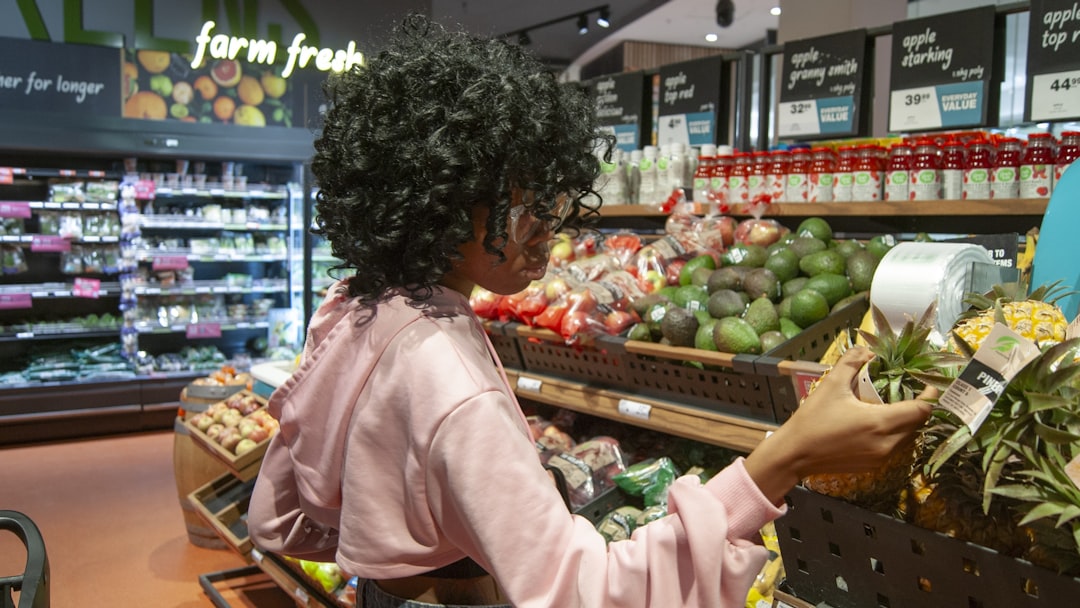
This is arguably the most mature real-world application of blockchain right now. Major retailers and food companies have deployed blockchain-based traceability systems because consumers increasingly demand it — and regulators are catching up too.
According to a 2026 Gartner Supply Chain Technology report, over 42% of Fortune 500 companies now use some form of distributed ledger technology in their supply chain operations — up from just 11% in 2021. That’s not a small jump. That’s a structural shift.
- Walmart & IBM Food Trust: Still one of the most cited examples — leafy greens and mangoes are tracked from farm to store. What used to take days to trace during a contamination event now takes seconds.
- Maersk TradeLens (evolved): Although the original platform had setbacks, its successor systems now handle billions of shipping events globally, cutting documentation fraud significantly.
- Korea’s KFTC Food Safety Chain: South Korea’s Food Trade Commission launched a domestic blockchain traceability pilot in 2023 that expanded nationally by 2025, covering kimchi, seafood, and premium agricultural products exported to the EU and US.
🏥 2. Healthcare Records: Your Data, Actually Yours
Here’s a scenario worth thinking about. You move cities, change hospitals, and suddenly your decade-long medical history is scattered across paper files and incompatible systems. Blockchain-based health records solve this by giving you control over a verified, portable medical identity.
Estonia has been doing this since 2016, but the model has scaled globally. As of early 2026, the UAE’s Ministry of Health operates a national blockchain health record system serving over 9 million residents. Meanwhile, in the US, pilot programs in California and Texas allow patients to grant temporary access to their records via a private key — meaning you, not the hospital, decide who sees what.
🎵 3. Music & Creative Rights: Artists Getting Paid Fairly (Finally)
The music industry has wrestled with royalty distribution for decades. Blockchain is quietly restructuring this. Platforms like Royal.io and Audius allow artists to tokenize their music rights, letting fans literally co-own a percentage of a song’s streaming revenue. Smart contracts automatically distribute royalties the moment a stream happens — no waiting 18 months for a quarterly statement.
In South Korea, HYBE (home to BTS and other major acts) experimented with NFT-based fan engagement and smart contract royalty distribution through their subsidiary platforms. By 2026, multiple mid-tier K-pop agencies have adopted similar models as a competitive differentiator for independent artists.
🗳️ 4. Voting Systems: Cautious but Growing
This one’s politically sensitive, so let’s be honest about both sides. Blockchain-based voting has been trialed in Sierra Leone, Utah (US), and Switzerland, with mixed but improving results. The appeal is clear: immutable vote records, transparent tallies, and reduced fraud risk.
However, the challenges are real too — digital access inequality, smart contract vulnerabilities, and public trust issues mean this isn’t a magic solution. The more realistic 2026 scenario is blockchain being used for internal organizational voting (corporate shareholder meetings, union elections, DAO governance) rather than national elections just yet.
🏠 5. Real Estate: Cutting Out Weeks of Paperwork
Property transactions are notoriously slow and document-heavy. Blockchain-based title registries are changing this in several countries.
- Georgia (the country): One of the earliest adopters, digitizing land title registration on blockchain since 2016. Fraud cases dropped by over 90% in tracked regions.
- Dubai Land Department: All property transactions in Dubai are now recorded on blockchain, dramatically reducing time-to-close and eliminating duplicate title fraud.
- South Korea Pilot (2025–2026): The Ministry of Land, Infrastructure and Transport launched a blockchain real estate registry pilot in Sejong City, aiming to reduce average transaction closing time from 14 days to under 3.
💳 6. Cross-Border Payments: Faster and Cheaper Than SWIFT
Remittances — money sent home by migrant workers — cost an average of 6.2% in fees globally (World Bank, Q1 2026). Blockchain-based payment rails are attacking this directly. Ripple’s payment network now processes transactions for over 300 financial institutions. Stellar powers remittance corridors in Africa and Southeast Asia. For someone sending $300 home every month, saving 4% in fees means an extra $144 a year — that’s real money.
🎓 7. Academic Credentials: No More Diploma Mills
Fake degrees are a multi-billion dollar global problem. Blockchain-verified credentials let employers instantly verify your qualifications without calling universities or waiting weeks for background checks. MIT, National University of Singapore, and Yonsei University in South Korea are among hundreds of institutions now issuing blockchain-verified digital diplomas. LinkedIn has integrated credential verification APIs that pull directly from these systems.
💡 Realistic Alternatives If You’re Not Ready to “Go All In” on Blockchain
Not every business or individual needs to build on blockchain directly. Here’s how to engage practically:
- Use existing platforms: If you’re a musician, Royal.io and Audius are entry points. If you’re a small exporter, look into whether your logistics partner uses IBM Food Trust or a compatible system.
- Start with verification, not creation: Use blockchain-verified credentials when hiring. Accept blockchain receipts and certificates. You benefit without building anything.
- Watch for regulatory alignment: The EU’s MiCA (Markets in Crypto-Assets) regulation has matured, and APAC is following. Aligning with compliant platforms protects you long-term.
- Hybrid approaches: Many companies combine blockchain with traditional databases — using blockchain only for the data points that require highest trust and immutability. This reduces cost while capturing core benefits.
The bottom line? Blockchain in 2026 isn’t the speculative casino it once appeared to be. It’s a plumbing upgrade — invisible to most users, but fundamentally changing how trust, verification, and ownership work across industries. You’re probably already benefiting from it without realizing it, like my friend and her olive oil.
Editor’s Comment : The most exciting thing about where blockchain stands in 2026 isn’t any single killer app — it’s the quiet normalization. When technology stops feeling like technology and starts feeling like common sense infrastructure, that’s when you know it’s truly arrived. The real question now isn’t “should I pay attention to blockchain?” but “which parts of my life and work are already running on it, and how do I make the most of that?”
📚 관련된 다른 글도 읽어 보세요
- Digital Asset Investment Risks in 2026: What Every Investor Needs to Know Before Diving In
- Web3, Blockchain & Virtual Assets in 2026: Where Is the Ecosystem Actually Heading?
- NFT Market in 2026: What’s Actually Happening (And Where the Real Opportunities Are Now)
태그: [‘blockchain real life applications 2026’, ‘blockchain supply chain’, ‘blockchain healthcare records’, ‘smart contracts everyday use’, ‘blockchain South Korea’, ‘decentralized technology trends’, ‘blockchain real estate’]
Leave a Reply