A friend of mine spent the better part of last year building out a content strategy she was genuinely proud of. Sixty-plus articles, solid writing, clean site structure. But by month six? Crickets. Barely any organic traffic. When we sat down and dug into it together, the culprit was painfully clear: she’d been doing keyword research the 2018 way in a 2026 world. High-volume, broad terms. No intent matching. No AI search consideration. Sound familiar? Let’s fix that — together.

Why Your Old Keyword Playbook Is Quietly Killing Your Traffic
Here’s the hard truth: volume-first keyword research is a relic. Volume-first keyword research is a 2019 strategy. In 2026, Google’s AI algorithms, AI Overview dominance, and zero-click search behavior mean that chasing high-volume keywords without matching intent produces traffic that converts to nothing — or no traffic at all.
The numbers back this up in a sobering way. With 58.5% of searches now resulting in zero clicks, understanding search intent has become more important than chasing volume. And it’s not just Google you’re competing on anymore. Keyword research in 2026 combines traditional search analysis with AI search optimisation to identify the terms and topics your audience uses across Google, ChatGPT, and Perplexity.
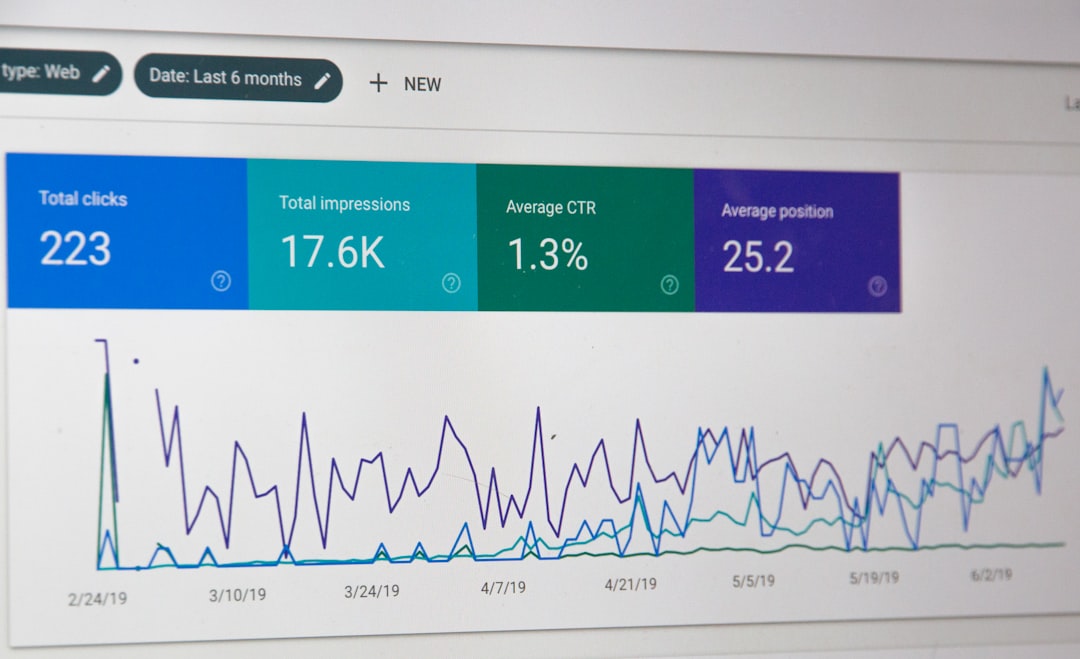
Meanwhile, analysis reveals that 90% of webpages receive no Google traffic, as Ahrefs reports — and poor keyword selection drives most of these failures. That’s not a minor gap. That’s almost every page on the internet going unread.
The Intent-First Framework That Actually Works in 2026
So what does work? Keyword research in 2026 means identifying the exact questions, problems, and decisions your target audience is searching for, then matching your content to the intent behind each search — not just the words used.
The most successful SEO professionals have shifted to an intent-first keyword strategy: identify what the user is trying to accomplish, then build content that is the clearest, most authoritative answer. This sounds obvious when you say it out loud, but the execution is where most people fall short.
Practically speaking, the mistake most brands make is writing informational content for transactional keywords, or creating service pages for informational queries. The match between intent and content format is more important than keyword density.
Here’s a quick sanity check I use before writing anything: before you start writing any piece of content, Google your target keyword and look at the top 3–5 results. If they’re all listicles, write a listicle. If they’re all step-by-step guides, write a guide. If they’re product pages, your blog post won’t rank — target a different keyword variation.
Long-Tail Keywords: Your 2026 Competitive Advantage
If you’re building a newer site or trying to break into a competitive niche, long-tail is your best friend right now. Research shows 91.8% of searches are long-tail, and they convert at 2.5 times the rate of short-tail terms.
For beginners, long-tail and question keywords are the fastest path to ranking. They have lower competition, attract highly specific audiences, and are more likely to be featured in Google’s People Also Ask boxes. That’s three wins for the price of one keyword.
Even for B2B scenarios, low-volume doesn’t mean low-value. Many valuable B2B queries don’t register in keyword tools because search volume is too low — but they represent high-intent buyers. Terms like “HubSpot onboarding agency London” may show zero volume yet drive qualified pipeline.
The 2026 Keyword Research Process: Step by Step
Let’s get concrete. Here’s the workflow I recommend:
- Start with seed keywords from real customers: Before opening any keyword tool, write down the 10–20 most common questions your customers ask before hiring you or buying from you. These are your seed keywords. Real customer language is almost always better than industry jargon.
- Expand with trusted tools: Use Google Keyword Planner, Semrush, Ahrefs, or similar tools to expand your seed keywords. For beginners especially, research consistently shows that free tools adequately support beginners, avoiding immediate financial commitment.
- Target difficulty scores below 30: Keyword Difficulty (KD) indicates ranking challenge. Lower KD equates to more accessible targets. Beginners should focus on terms scoring below 30.
- Check for AI Overview presence: For your target keywords, check whether Google AI Overviews appear. If they do, your click-through opportunity shrinks significantly — factor that into your content ROI math.
- Mine social platforms for real language: Searches on TikTok, YouTube, Instagram, and Reddit reveal how your audience actually phrases their questions. These social search queries often translate directly to blog and content opportunities.
- Prioritize questions over keywords: A keyword can be one word, a few words, or even a full sentence. People who use AI tools to find information are asking for that info in full sentences, usually questions — so prioritize using and answering full questions in your blog posts.
- Avoid keyword cannibalization: Keyword cannibalization is when multiple pages on your site target the same primary keyword, causing them to compete against each other. This splits authority and often causes neither page to rank well. Each primary keyword should map to one canonical page.
The ROI Case: Why This Is Worth the Effort
If you’re wondering whether all this effort actually moves the needle financially — it does, dramatically. B2B companies using strategic keyword research achieve 702–1,389% ROI from SEO according to First Page Sage research.
The gap between disciplined and lazy keyword research is enormous: thought leadership SEO with strategic keyword research (approximately 8 pages monthly) delivers 748% ROI over three years, whilst basic content marketing without proper keyword research (approximately 4 articles monthly) delivers only 16% ROI. That’s not a marginal difference — that’s a completely different business outcome.
How Often Should You Review Your Keywords?
This is something a lot of teams get wrong by setting it and forgetting it. Review keyword strategy quarterly for most businesses. Search behaviour, competitor positioning, and AI search patterns evolve continuously. Monthly reviews are appropriate for fast-moving industries or during major product launches. Annual keyword research is insufficient given the pace of change in 2026.
One more critical warning on tooling: don’t ask ChatGPT to give you blog keywords — the data is never accurate in terms of how popular or difficult a particular keyword is. Stick to purpose-built SEO platforms for your research data.
The Mindset Shift That Changes Everything
In 2026, we find ourselves in an era where understanding the nuances of search behavior is the gold standard. Keywords have morphed into a conversational context, matching user queries with user intent more accurately than ever. This means your job isn’t to find keywords anymore — it’s to understand people.
The good news is that this actually makes content creation more interesting. You’re solving real problems for real people, not playing a numbers game with a spreadsheet. And when your content genuinely answers what someone is searching for, the rankings tend to follow — not the other way around.
If my friend had started with intent instead of volume, she’d have written 20 articles instead of 60 — and ranked with all of them. That’s the 2026 way.
💬 Drop a comment below: Are you still using volume-first keyword research, or have you already made the shift to intent-first strategy? I’d love to hear what’s working (or not) for your niche right now.
📚 관련된 다른 글도 읽어 보세요
- Stop Chasing Volume — The 2026 Keyword Research Reality Check Nobody Warned You About
- 구글 1페이지? 그거 운 아닙니다 — 2026년 기준 키워드 리서치 실전 세팅법
- 2026년 이제 이것 없으면 벼락거지? PLTR 버리고 선택한 미국 주식 TOP 3
태그: []
Leave a Reply