Back in early 2022, a friend of mine spent nearly $8,000 on a pixelated avatar — a Bored Ape, to be specific. By mid-2023, it was worth less than $400. He laughed it off, but there was a real sting in that laugh. Fast forward to today, March 2026, and the conversation around NFTs has shifted dramatically. It’s no longer about JPEGs and overnight millionaires. Something more structural — and honestly, more interesting — is quietly taking shape in the NFT space. Let’s think through this together and figure out what’s really going on.
Where Did NFTs Actually Stand at the Start of 2026?
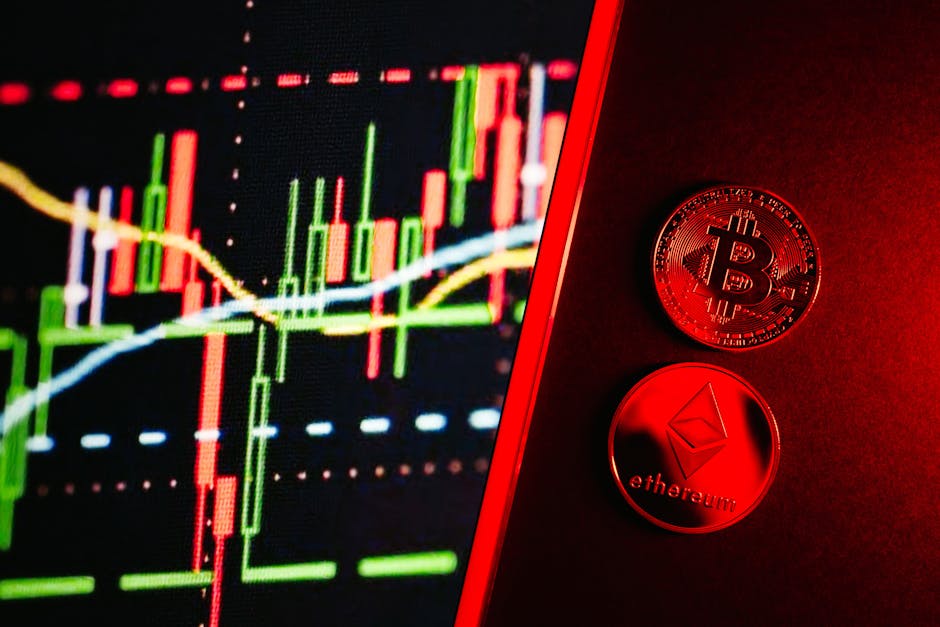
Let’s be honest about the numbers first. The NFT market hit its all-time high of roughly $25 billion in trading volume in 2021. Then came the brutal correction — by 2023, monthly trading volumes had collapsed to under $600 million. But here’s where it gets interesting: heading into 2026, several analytics platforms including DappRadar and Nansen have tracked a consistent quarter-over-quarter volume increase since Q3 2025, with total NFT trading volume for Q1 2026 estimated around $3.2–3.8 billion. That’s still far from the peak, but the trajectory matters more than the absolute number right now.
What’s driving this? A few converging forces worth unpacking:
- Utility-first NFTs: The speculative JPEG era is largely over. What’s gaining traction now are NFTs tied to real-world assets (RWAs), event ticketing, gaming items, and membership access. Buyers actually use these tokens rather than flip them.
- Layer-2 adoption: Ethereum’s high gas fees were a massive barrier for average users. With networks like Base, Arbitrum, and Starknet now handling a significant share of NFT transactions, minting and trading costs have dropped dramatically — sometimes to mere cents.
- Institutional re-entry: After the crypto winter scared off institutional players, several major brands and financial institutions quietly re-entered the NFT space through 2025, this time with much more conservative, compliance-first strategies.
- Regulatory clarity: The EU’s MiCA framework and updated SEC guidance in the U.S. (following the 2025 Digital Asset Clarity Act) gave developers and buyers a clearer legal framework, reducing the risk that once made corporations run for the hills.
- AI-generated content rights: Perhaps the most unexpected driver — NFTs are increasingly being used as provenance and ownership certificates for AI-generated art and media, solving a genuine problem in the creator economy.
The Numbers Behind the Recovery Narrative
Let’s not get carried away with optimism without grounding it in data. According to Chainalysis’s 2026 Crypto Market Report (released in January 2026), the number of unique NFT buyers grew by 34% year-over-year in 2025. Importantly, the average transaction value has decreased — which might sound bad but is actually a healthy sign. It means the market is broadening to include everyday consumers rather than concentrating wealth among whale collectors.
OpenSea, which had been struggling with declining market share, launched a revamped platform in late 2025 focusing on utility NFTs and cross-chain compatibility. Meanwhile, competitor Blur shifted its incentive model away from pure wash-trading rewards (a major problem in 2023) toward rewarding genuine long-term holders. These platform-level changes matter enormously for market health.
Global and Domestic Case Studies Worth Watching
The recovery isn’t happening uniformly around the world — and that’s actually fascinating to map out.
South Korea: Often cited as one of the most digitally engaged markets in the world, South Korea saw major entertainment conglomerates like HYBE and SM Entertainment double down on NFT-based fan membership programs in 2025. Rather than pure collectibles, these tokens grant fans backstage ballot access, exclusive content streams, and early album downloads. The model has reported over 2 million active token holders as of early 2026 — a genuinely engaged audience, not just speculators.
Japan: Following Japan’s progressive crypto tax reforms in 2025, the NFT market there experienced a notable resurgence. Traditional manga and anime studios began issuing limited NFT editions with verifiable scarcity — appealing directly to the deep collector culture that already exists in Japanese pop culture.
United States: The sports NFT vertical is resurging, but with a twist. NBA Top Shot, which famously boomed and busted, has reinvented itself as a platform where tokens double as fantasy sports assets. Your NFT highlight clip now earns points in a fantasy league — suddenly there’s a reason to hold it beyond speculation.
Europe: The luxury goods sector in France and Italy is quietly using NFTs as digital certificates of authenticity. Brands like a major Parisian fashion house (not naming names yet, but the rumors are loud) are trialing NFT-based provenance tracking for high-end handbags. This is genuinely useful and doesn’t require the buyer to care about crypto at all.
What a Realistic Recovery Actually Looks Like
Here’s where I want to slow down and think critically, because the hype machine has burned people before. A full return to 2021 peak volumes is unlikely in 2026 — and arguably, we shouldn’t want that. That peak was inflated by zero-interest-rate speculation, wash trading, and a cultural FOMO frenzy. A healthier market at $15–20 billion annual volume, composed of genuine utility transactions, is worth more than a $25 billion bubble that collapses again.
The realistic scenario for 2026 looks something like this: slow, steady volume growth driven primarily by gaming, ticketing, RWA tokenization, and creator rights — not by profile picture (PFP) collections going viral. Blue-chip collections like CryptoPunks will retain cultural status but won’t drive the market. New growth will come from categories that didn’t meaningfully exist in 2021.
Practical Alternatives If You’re Considering Re-Entering the NFT Space
Not everyone should rush into NFTs, and that’s okay. Let’s think through a few realistic positions depending on where you’re coming from:
- If you’re a creator: Platforms like Zora and Manifold now offer remarkably low-barrier entry points for minting. Focus on building a genuine audience first — your NFT is only as valuable as the community around it.
- If you’re a collector/investor: Look at utility-backed NFTs rather than pure art speculation. Gaming assets on established platforms (Illuvium, Axie’s relaunch) and sports moment tokens with fantasy utility offer more defensible value floors.
- If you’re a brand: The loyalty and membership use case is genuinely compelling. NFT-based memberships can replace traditional punch cards or subscription tiers with much more engaging, tradeable rights.
- If you’re skeptical and cautious: Totally valid! Consider simply learning about RWA tokenization as a parallel concept. It shares NFT infrastructure but feels far more grounded in traditional finance logic.
- If you got burned in 2022–2023: Take your time. The market evolving doesn’t mean you have to jump back in. If you do, start extremely small and only in categories you genuinely understand and would use.
The NFT market recovery in 2026 isn’t a second coming of the 2021 gold rush — and thank goodness for that. It’s quieter, more structural, and frankly more interesting. The technology proved it could solve real problems (ownership verification, creator royalties, event access). The question now is whether the ecosystem can stay disciplined enough to build on that foundation rather than re-inflate another speculative bubble.
I think the signs are cautiously encouraging. But as always, the best investment you can make first is in understanding what you’re getting into.
Editor’s Comment : The NFT story in 2026 is fundamentally a story about an industry growing up. The adolescent chaos of 2021–2023 gave way to some genuine soul-searching, and what’s emerging now — utility, provenance, community — looks a lot more like sustainable infrastructure than a passing craze. Stay curious, stay skeptical, and remember: the most interesting use cases are usually the quiet ones nobody’s hyping yet.
태그: [‘NFT market recovery 2026’, ‘NFT utility tokens’, ‘blockchain digital ownership’, ‘crypto market trends 2026’, ‘real world asset NFT’, ‘NFT investing guide’, ‘Web3 creator economy’]
Leave a Reply