Picture this: It’s early 2026, and a friend of yours who bought a basket of mid-cap altcoins back in late 2024 is nervously refreshing his portfolio app every twenty minutes. Sound familiar? The altcoin market has always been that rollercoaster ride where the highs feel euphoric and the lows feel absolutely catastrophic — and 2026 is proving to be no exception. But here’s the thing: cycles aren’t random chaos. They follow patterns, and if you know how to read them, you can at least make informed decisions rather than reactive ones.
Let’s think through the 2026 altcoin market cycle together — what the data says, where we might be in the cycle right now, and what realistic moves you can consider depending on your situation.
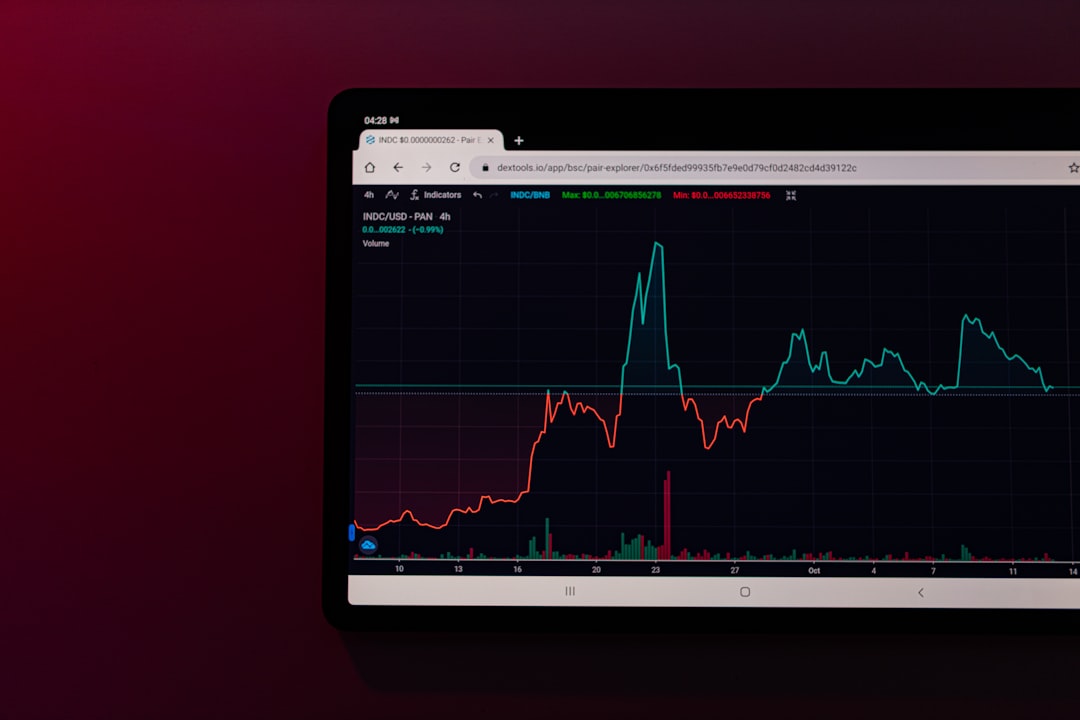
Where Are We in the Cycle? The Four-Phase Framework
Crypto market cycles are typically broken down into four recognizable phases: Accumulation, Expansion (Bull Run), Distribution, and Contraction (Bear). Think of it like the seasons — each one eventually transitions into the next, even if the timing feels maddeningly unpredictable.
As of March 2026, on-chain analytics platforms like Glassnode and CryptoQuant are pointing to signals that suggest the broader market is navigating the late-expansion to early-distribution phase. Here’s what that actually means in plain terms:
- Bitcoin dominance has been gradually declining from its February 2026 peak of around 58%, dropping toward the 52–54% range — a classic indicator that capital is rotating out of BTC and into altcoins.
- Total altcoin market cap (TOTAL2) has seen a significant uptick since January 2026, with Layer-1 competitors and DeFi tokens leading the charge.
- Funding rates on perpetual futures for major altcoins like ETH, SOL, and emerging Layer-2 tokens have been persistently positive, signaling speculative long pressure — a double-edged sword that can fuel pumps but also trigger sharp liquidations.
- Exchange inflows for several large-cap altcoins have been ticking up, which historically precedes sell pressure as longer-term holders begin offloading into strength.
The Altcoin Season Index: Reading the Signal in 2026
The Altcoin Season Index — popularized by platforms like CoinMarketCap — scores the market from 1 to 100 based on how many of the top 100 altcoins are outperforming Bitcoin over a 90-day window. In Q1 2026, this index has oscillated between 65 and 78, meaning we’re firmly in “altcoin season” territory but not yet at the frothy 90+ readings that historically mark a cycle top.
Interestingly, the narrative rotation within altcoins is faster than ever in 2026. AI-integrated blockchain projects surged in January, RWA (Real-World Asset) tokenization tokens dominated February headlines, and as of March, DePIN (Decentralized Physical Infrastructure Networks) projects are attracting fresh capital. This rapid narrative cycling is itself a hallmark of mid-to-late expansion phases — the market is hungry for the “next big thing,” which is exciting but also a warning sign of speculative froth building up.
Global and Domestic Examples: Learning from Real Moves
Let’s ground this in some real-world context, because data points are only useful when you can picture them in action.
South Korea (Domestic Lens): Korean retail investors — famously known for their high participation in altcoin trading, a phenomenon sometimes called the “Kimchi Premium” effect — have been notably active in Q1 2026. Upbit and Bithumb have reported trading volume spikes in mid-cap altcoins, particularly in AI-narrative tokens and Korean-developed blockchain projects. Historically, when Korean retail volume surges in altcoins, it has correlated with being 4–8 weeks from a local cycle top. It’s not a perfect signal, but it’s worth watching.
International Example — U.S. Institutional Behavior: The approval and gradual adoption of spot altcoin ETFs in the United States in late 2025 has been a structural game-changer heading into 2026. Ethereum ETF inflows have been steadily positive, but more interestingly, filings for Solana and XRP spot ETFs have created anticipatory buying pressure. Institutional capital tends to be slower and more deliberate than retail — when institutions are still in the “accumulation” mode for altcoins while retail is already in “expansion mode,” that tension often signals we haven’t hit the true cycle top yet.
The 2018 vs. 2022 vs. 2026 Comparison: Each altcoin bear market has been progressively shorter and less severe in percentage terms for blue-chip altcoins (think ETH, SOL, BNB). The 2022 bear wiped out roughly 85% of ETH’s value from peak to trough. Analysts at research firms like Messari and Delphi Digital have argued that increasing institutional participation in 2025–2026 may act as a “floor effect,” potentially limiting altcoin drawdowns to 50–65% in the next contraction — which is still brutal, but meaningfully better than historical cycles.
Key Risks the Optimism Tends to Overlook
It would be intellectually dishonest not to flag the risks sitting alongside all this cycle enthusiasm:
- Macro headwinds: Global interest rate policy in early 2026 remains a wildcard. Any surprise Fed hawkishness or unexpected inflation data can trigger rapid risk-off sentiment that disproportionately crushes altcoins versus Bitcoin.
- Regulatory uncertainty in the EU: MiCA (Markets in Crypto-Assets) implementation has been largely positive, but enforcement actions against specific DeFi protocols could create sector-specific selloffs.
- Liquidity concentration risk: The top 10 altcoins by market cap absorb the majority of altcoin season gains. Holding a portfolio of obscure small-caps hoping they’ll replicate Solana’s 2021 run is statistically a very low-probability bet in 2026’s more mature market.
- Vesting schedules: Many 2024–2025 ICO and token launch projects have significant token unlocks scheduled throughout 2026, which can create sustained sell pressure on specific assets regardless of broader market sentiment.
Realistic Alternatives Based on Your Situation
Here’s where I want to be practical rather than preachy, because not everyone reading this is in the same position:
If you’re already holding altcoins with significant gains: Consider a tiered take-profit strategy rather than “hold everything until the top.” Nobody rings a bell at the cycle peak. Taking 20–30% off the table into stable assets or BTC as prices rise into strength is a psychologically easier and statistically reasonable approach.
If you’re thinking about entering now: Be honest with yourself about whether you’re buying based on analysis or FOMO. If it’s the latter, dollar-cost averaging over 8–12 weeks into a small number of high-conviction, liquid altcoins is far safer than deploying a lump sum chasing recent movers.
If you’re entirely on the sidelines and overwhelmed: That’s actually fine. Missing a cycle is not the same as losing money. Spending the next few months learning on-chain analysis fundamentals (tools like Glassnode, Nansen, and DeFiLlama are worth exploring) puts you in a far stronger position for the next accumulation phase, which will come.
If you’re in a bear survival mode (for whenever that comes): Focus on assets with genuine utility and revenue generation — protocols with real fee income, networks with growing developer activity, and tokens with strong token economics. These are the ones most likely to lead the next altcoin season, not just the current one.
Editor’s Comment : The altcoin market in 2026 is simultaneously more mature and more complex than any previous cycle — institutional money, faster narrative rotation, and global regulatory evolution are all reshaping the playbook. The good news? The cycle logic hasn’t broken; it’s just gotten noisier. Stay curious, stay skeptical of your own optimism, and remember that the most important financial decision you’ll ever make in crypto is usually the one involving how much you’re willing to lose — because that’s what actually determines whether you survive long enough to benefit from the next expansion. Keep your position sizing honest, and let the data lead rather than the hype.
태그: [‘altcoin market cycle 2026’, ‘altcoin season analysis’, ‘crypto market cycle phases’, ‘altcoin investment strategy 2026’, ‘Bitcoin dominance altcoin rotation’, ‘DeFi AI RWA crypto trends 2026’, ‘cryptocurrency on-chain analysis’]
Leave a Reply