Category: Uncategorized

  • Japanese Whisky vs Scotch Whisky: Which One Actually Deserves a Spot in Your Glass in 2026?

    Picture this: you’re standing in a well-stocked spirits shop, eyes darting between a bottle of Yamazaki 12 and a Glenfiddich 15. Both are gorgeous. Both are expensive. And both are quietly judging you for taking so long to decide. I’ve been in that exact spot more times than I’d like to admit, and honestly? Each time I walked away having learned something new about what I actually want from a whisky.

    The Japanese whisky vs Scotch whisky debate isn’t just about geography — it’s about philosophy, craftsmanship, flavor architecture, and yes, value for your money. Let’s think through this together, because the answer might be more personal — and more surprising — than you expect.

    The Origins: Two Very Different Spirits of Place

    Scotch whisky has a roughly 500-year head start. Distilled in Scotland under strict legal definitions — it must be aged in oak casks for at least three years, made from water and malted barley (for single malts), and distilled in Scotland — Scotch carries a kind of ancestral weight. The Scotch Whisky Association (SWA) regulates five categories: Single Malt, Single Grain, Blended Malt, Blended Grain, and Blended Scotch.

    Japanese whisky, by contrast, is barely a century old. Masataka Taketsuru traveled to Scotland in 1918, studied distillation at the University of Glasgow, apprenticed at Scottish distilleries, and brought those techniques back to Japan. He partnered with Shinjiro Torii to found Suntory’s Yamazaki Distillery in 1923 — the first commercial whisky distillery in Japan. Taketsuru later left to found Nikka. That origin story is crucial: Japanese whisky was born as an homage to Scotch, then evolved into something distinctly its own.

    As of 2026, Japan’s Spirits and Liqueurs Makers Association has tightened labeling laws (effective since April 2024), requiring that bottles labeled “Japanese Whisky” must use Japanese water, be distilled and aged in Japan for at least three years. This has eliminated a wave of misleading blends that were quietly using imported Scotch or Canadian whisky — a transparency win for consumers.

    Flavor Profile: Where the Real Differences Live

    If Scotch is a bold oil painting, Japanese whisky is often a precise watercolor. That’s not a value judgment — it’s a texture comparison.

    • Scotch (Speyside style, e.g., Macallan, Glenfarclas): Rich, sherry-forward, dried fruit, nutmeg, dark chocolate. Full-bodied and assertive.
    • Scotch (Islay style, e.g., Ardbeg, Laphroaig): Heavy peat smoke, iodine, medicinal notes, brine. Love it or loathe it — there’s no middle ground.
    • Scotch (Highland/Lowland style, e.g., Glenmorangie, Auchentoshan): Lighter, floral, citrus-driven, approachable.
    • Japanese Whisky (e.g., Yamazaki 12, Hakushu 12): Delicate, elegant, layered complexity — honey, green apple, subtle smoke (mizunara oak imparts sandalwood and incense notes unique to Japan).
    • Japanese Whisky (Nikka From the Barrel): Punchy, complex, spicy — almost a hybrid personality that surprises people expecting only delicacy.
    • Japanese Blends (e.g., Toki, Hibiki Harmony): Smooth, approachable, slightly sweet — excellent entry points.

    The mizunara oak cask deserves a special mention. This Japanese oak species is notoriously difficult to work with (it leaks, it’s rare, it requires decades to season properly), but it imparts flavors — coconut, oriental spice, sandalwood — that simply cannot be replicated with American or European oak. It’s one of Japanese whisky’s most irreplaceable identifiers.

    Price & Availability in 2026: A Buyer’s Reality Check

    Let’s be honest about the elephant in the room. Japanese whisky prices went through the roof between 2015 and 2023, and while the market has stabilized somewhat in 2026, premium expressions remain eye-wateringly expensive.

    • Yamazaki 12: Approximately $90–$130 USD retail (when you can find it)
    • Hibiki 17: $300–$500+ USD, secondary market higher
    • Nikka Coffey Grain: $65–$85 USD — arguably the best value in Japanese whisky right now
    • Glenfiddich 12: $40–$55 USD — consistent, widely available
    • Macallan 12 Double Cask: $65–$80 USD
    • Ardbeg 10: $55–$70 USD

    Scotch wins decisively on value and availability at entry-to-mid tier. The sheer breadth of Scottish distilleries (over 140 active as of 2026) means competitive pricing and reliable supply chains. Japanese whisky, constrained by limited distillery capacity and global demand, still commands a premium that isn’t always justified purely on quality grounds — it’s partially brand mystique and scarcity marketing.

    Real-World Examples: What Enthusiasts Are Saying in 2026

    At the 2026 World Whiskies Awards held in London earlier this month, Nikka’s Yoichi Single Malt 10 took Gold in the Japanese Single Malt category, while the GlenDronach 18 Allardice swept the Scotch Single Malt (aged 13–20 years) category. Interestingly, blind tasting panels in both Tokyo and Edinburgh have repeatedly shown that casual drinkers struggle to identify which is which when Japanese whiskies are styled away from heavy smoke and grain spirits stay in the mix — a testament to how successfully Japanese distillers absorbed and refined Scottish techniques.

    On whisky forums and communities like r/whisky and Whisky Advocate’s tasting circles, the prevailing 2026 sentiment runs something like: “Scotch for exploration and value, Japanese for a special occasion or a specific mood.” That’s a pretty healthy way to frame it.

    So Which Should You Choose? Let’s Think Through Your Situation

    Rather than declaring a winner (because there genuinely isn’t one), here’s a realistic decision framework:

    • You’re new to whisky: Start with a Japanese blend like Suntory Toki or a lighter Scotch like Glenmorangie Original. Both are forgiving and approachable.
    • You love complexity and have budget to spare: Yamazaki 18 or a well-aged Speyside Scotch like Glenfarclas 21 will reward your patience.
    • You’re a smoke lover: Scotch Islay expressions dominate here. Japanese peated expressions (Hakushu has lightly peated variants) exist but are rarer and pricier.
    • You want value without sacrificing quality: Nikka From the Barrel (Japanese) or Monkey Shoulder (Scotch blend) are your best friends.
    • You’re building a home bar or giving a gift: A bottle of Hibiki Harmony communicates sophistication and story. A bottle of Macallan 12 communicates classic taste — both land well.

    One realistic alternative worth considering: Taiwanese whisky, particularly Kavalan, has matured (pun intended) into a serious contender in 2026. The subtropical climate accelerates aging, producing rich, complex spirits in fewer years. If Japanese whisky’s price feels steep and you want that Asian distilling philosophy without the wait list, Kavalan Solist Vinho Barrique is worth every penny around $80–$100.

    Editor’s Comment : After years of tasting and writing about spirits, I genuinely believe this debate is less about which whisky is “better” and more about what kind of drinker you want to become. Scotch gives you a vast, centuries-deep universe to explore — from smoky Islay monsters to silk-soft Speysides. Japanese whisky offers a more curated, almost meditative experience, where precision and restraint are the art form. If your budget allows, don’t choose — let each teach you something different. And if budget is a real constraint (which is completely valid), a quality blended Scotch at $40 will outperform a mediocre Japanese blend at $80 every single time. Drink what genuinely makes you curious. That’s always the right answer.

  • 2026 Crypto Market Risks & Opportunities: What Smart Investors Are Watching Right Now

    Imagine it’s early 2021 and you’re watching Bitcoin break $60,000 for the first time. The euphoria was electric — but so was the hangover that followed. Fast forward to today, March 2026, and the crypto landscape looks dramatically different: more regulated, more institutionalized, and yet still wildly unpredictable in its own fascinating ways. Whether you’re a seasoned holder or someone just dipping a toe into digital assets, understanding the real risk-reward picture right now is more important than ever.

    Let’s think through this together — logically, honestly, and without the hype.

    📊 Where the 2026 Crypto Market Actually Stands

    After the dramatic regulatory consolidation of 2024–2025, the 2026 crypto market has entered what analysts are calling a “Structured Maturity Phase.” Here’s what the data tells us:

    • Bitcoin (BTC) is hovering in the $85,000–$110,000 range following its fourth halving cycle, with on-chain data showing increased long-term holder accumulation — a historically bullish signal.
    • Ethereum (ETH) continues to dominate DeFi and tokenization infrastructure, with total value locked (TVL) across Ethereum-based protocols exceeding $180 billion as of Q1 2026.
    • Altcoin market cap has grown selectively — projects with real utility (Layer 2 solutions, AI-integrated blockchains, RWA tokenization) are outperforming speculative meme coins significantly.
    • Stablecoin volume has crossed $3.5 trillion in monthly transfers, signaling that crypto is now a legitimate rails system for global finance, not just speculation.

    The key takeaway? The market isn’t homogeneous anymore. Lumping “crypto” into one bucket in 2026 is like saying “I’m investing in tech” without distinguishing between semiconductors and social media startups.

    ⚠️ The Real Risks You Shouldn’t Ignore

    Now, let’s be honest about the landmines — because there are several.

    • Regulatory fragmentation: While the U.S. finally passed comprehensive crypto legislation in late 2025 (the Digital Asset Market Structure Act), the EU’s MiCA 2.0 updates and Asia-Pacific regulatory divergence mean compliance costs are skyrocketing for smaller projects. This creates a survival-of-the-fittest environment.
    • Liquidity concentration risk: Institutional dominance has a dark side — ETF-driven demand from firms like BlackRock and Fidelity means retail investors can get whipsawed by institutional rebalancing events.
    • Smart contract vulnerabilities: Despite years of auditing improvements, DeFi exploits totaled over $2.1 billion in losses through 2025. The complexity of cross-chain bridges remains a persistent weak point.
    • Macro sensitivity: Crypto’s growing correlation with risk assets means a Federal Reserve policy surprise or geopolitical shock can trigger rapid drawdowns — even in a “maturing” market.
    • AI-driven market manipulation: This is the 2026-specific wildcard. Algorithmic trading bots powered by large language models are creating micro-volatility patterns that are genuinely new and difficult for human traders to anticipate.

    🌍 Global & Domestic Examples: Who’s Getting It Right (and Wrong)

    Let’s look at some real-world cases to ground this analysis.

    South Korea’s Virtual Asset User Protection Act (2025 expansion): Korea — one of the world’s most active retail crypto markets — significantly tightened exchange oversight last year. The result? Short-term trading volumes dropped 30%, but the exchanges that survived (Upbit, Bithumb) saw increased institutional inflows. The lesson: regulatory pressure doesn’t kill crypto, it reshapes who participates.

    El Salvador’s Bitcoin Experiment — The Honest Update: Five years into Bitcoin legal tender status, El Salvador’s results are mixed. Tourism revenue and remittance costs did improve, but adoption among ordinary citizens remains below 20% for daily use. It’s a reminder that crypto adoption isn’t automatic — it requires usability infrastructure.

    Hong Kong’s Crypto Hub Strategy: In contrast, Hong Kong’s 2025–2026 push to become Asia’s regulated crypto hub is showing real traction, with over 40 licensed exchanges and $12 billion in new crypto-related FDI reported in 2025 alone. This is the model other financial centers are watching closely.

    The US Spot ETF Effect: Since Bitcoin and Ethereum spot ETFs launched in the U.S., over $45 billion has flowed into these products. This democratized access — but also means crypto price action increasingly mirrors equity market sentiment during risk-off periods.

    💡 Opportunities Worth Serious Attention in 2026

    So where does the genuine upside live? Here’s where logical reasoning points us:

    • Real-World Asset (RWA) Tokenization: BlackRock’s tokenized money market fund already manages $10B+ on-chain. Tokenizing real estate, bonds, and private equity is arguably the biggest structural opportunity in crypto right now — and it’s still early innings.
    • Layer 2 Ecosystems: Ethereum’s Layer 2 solutions (Arbitrum, Base, Optimism) are processing millions of transactions daily at fractions of a cent. Projects building on these rails have a competitive moat that pure L1 competitors struggle to match.
    • AI × Blockchain convergence: Decentralized AI compute networks (think Render Network, Akash) are solving a real problem — the demand for AI infrastructure is outpacing centralized supply. This intersection is generating legitimate revenue, not just narrative.
    • Institutional-grade DeFi: Regulated DeFi protocols offering compliant yield products are attracting pension funds and family offices for the first time. The yield advantage over traditional fixed income is a compelling draw in a 3.5% Fed funds rate environment.

    🧭 Realistic Alternatives: How to Position Yourself

    Not everyone should go all-in on crypto — and that’s completely fine. Here’s how to think about positioning based on your situation:

    • If you’re risk-averse: Stick to BTC and ETH via regulated ETFs. Limit crypto exposure to 3–5% of your total portfolio. You get the asymmetric upside without existential risk to your financial plan.
    • If you’re moderately risk-tolerant: Explore a diversified “crypto basket” — BTC, ETH, and 1–2 high-conviction L2 or RWA tokens. Dollar-cost averaging remains the most psychologically and statistically sound entry strategy.
    • If you’re a high-risk appetite investor: DeFi yield farming and early-stage token projects can offer extraordinary returns — but treat this money as fully expendable. Rug pulls and protocol failures are still real in 2026.
    • For everyone: Cold wallet storage for anything you’re not actively trading is non-negotiable. Not your keys, not your coins — this rule hasn’t changed.

    The most important mindset shift for 2026? Stop thinking about crypto as a get-rich-quick vehicle and start thinking about it as a parallel financial infrastructure that’s integrating with the traditional system at an accelerating pace. The opportunities are real — but so is the complexity.

    Editor’s Comment : What excites me most about the 2026 crypto landscape isn’t the price action — it’s the fact that the technology is finally being stress-tested by real institutional money and real regulatory frameworks. The projects that survive this crucible will likely form the backbone of finance for the next decade. But please, never invest more than you can genuinely afford to lose. The best crypto strategy is the one that lets you sleep at night and still participate in the upside. Stay curious, stay diversified, and keep asking questions.

  • 2026 암호화폐 시장 리스크 및 기회 분석: 지금 투자해도 될까요?

    지난달, 오랫동안 연락이 끊겼던 대학 동창에게서 메시지가 왔어요. 내용인즉슨, 2024년 말에 비트코인에 전 재산의 30%를 넣었다가 2025년 급등장에서 수익을 냈지만, 이후 변동성 장세에서 절반 가까이 다시 잃었다는 이야기였습니다. 그 친구의 이야기가 낯설지 않은 건, 아마 이 글을 읽고 계신 분들 중에도 비슷한 경험을 하신 분이 있기 때문이 아닐까요.

    2026년 현재, 암호화폐 시장은 또 한 번의 중대한 기로에 서 있는 것 같습니다. 단순한 투기 자산이라는 낙인에서 벗어나 제도권 금융에 편입되는 흐름이 가속화되고 있는 반면, 규제 리스크와 거시경제 변수는 여전히 시장을 위협하고 있거든요. 오늘은 2026년 암호화폐 시장의 리스크와 기회를 데이터와 사례를 바탕으로 함께 짚어보겠습니다.

    📊 본론 1: 숫자로 보는 2026 암호화폐 시장 현황

    2026년 1분기 기준으로, 글로벌 암호화폐 시가총액은 약 3.2조 달러(USD) 수준을 오가고 있는 것으로 집계됩니다. 2025년 강세장 정점 대비 약 18~22% 조정을 받은 상태지만, 2022년 ‘크립토 윈터(Crypto Winter)’ 당시의 0.8조 달러 수준과 비교하면 시장 자체의 저변은 크게 확대됐다고 봐도 무방할 것 같아요.

    비트코인(BTC)의 경우, 2024년 4월 네 번째 반감기(Halving) 이후 공급량 축소 효과가 시장에 서서히 반영되면서 2025년에 역대 최고가를 경신한 바 있습니다. 2026년 현재는 횡보 및 재축적(Accumulation) 국면에 진입했다는 시각이 우세합니다. 온체인 데이터 분석 플랫폼 글래스노드(Glassnode) 류의 지표들을 보면, 장기 보유자(LTH, Long-Term Holder)의 코인 비중이 전체 유통량의 70% 이상을 차지하고 있어 ‘패닉 셀(Panic Sell)’보다는 매집 심리가 강하다는 해석이 가능합니다.

    이더리움(ETH) 역시 주목할 만합니다. 이더리움 현물 ETF의 제도권 편입 이후 기관 자금 유입이 꾸준히 이어지고 있으며, 레이어2(Layer 2) 솔루션의 거래 처리량이 2025년 대비 약 40% 증가한 것으로 추정됩니다. 이는 단순 투기 수요가 아닌 실사용(Utility) 기반 수요가 늘어나고 있다는 신호로 읽힌다는 점에서 의미가 있어요.

    🌍 본론 2: 국내외 사례로 보는 리스크와 기회의 두 얼굴

    [해외 사례 — 미국 기관 투자의 본격화]
    미국에서는 블랙록(BlackRock), 피델리티(Fidelity) 등 전통 자산운용사들이 비트코인 및 이더리움 현물 ETF를 통해 수십억 달러 규모의 자금을 꾸준히 시장에 투입하고 있습니다. 특히 블랙록의 IBIT(iShares Bitcoin Trust)는 출시 이후 누적 운용자산(AUM)이 빠르게 성장하며 기관 투자자들에게 암호화폐가 ‘대체 불가능한 포트폴리오 자산’으로 인식되기 시작했다는 걸 보여줍니다. 이는 과거처럼 개인 투자자 주도의 투기 사이클과는 성격이 다른 자금이라는 점에서 시장 변동성을 낮추는 완충 역할을 할 수도 있다는 분석이 나오고 있어요.

    [국내 사례 — 제도화와 규제의 양면성]
    국내에서는 2025년 말부터 가상자산이용자보호법의 후속 입법 논의가 이어지면서, 거래소 투명성 강화와 스테이블코인 규제 프레임이 구체화되는 추세입니다. 이는 투자자 보호 측면에서는 긍정적이지만, 일부 중소 거래소들의 운영 부담이 가중되며 시장 집중화(소수 대형 거래소 중심)가 심화될 수 있다는 우려도 있습니다. 업비트, 빗썸 같은 대형 플랫폼의 입지는 오히려 강화될 가능성이 높고요.

    [글로벌 리스크 — 거시경제와의 상관관계]
    2026년 시장에서 가장 주목해야 할 리스크 요인 중 하나는 미국 연방준비제도(Fed)의 금리 정책 방향입니다. 금리 인하 속도가 예상보다 느려질 경우, 위험자산 전반에 걸쳐 자금이 이탈하는 압력이 작용할 수 있고, 암호화폐 역시 그 영향권에서 자유롭지 않습니다. 실제로 나스닥 지수와 비트코인의 30일 상관계수(Correlation Coefficient)가 0.6~0.75 수준을 유지하고 있다는 점은 이를 잘 보여준다고 봅니다.

    ⚠️ 2026년 암호화폐 투자, 놓치면 안 되는 핵심 리스크 목록

    • 규제 불확실성: 미국 SEC의 알트코인 증권성 판단, EU의 MiCA(Markets in Crypto-Assets) 시행 세부 조항 등 각국 규제 방향이 아직 완전히 정립되지 않은 상황입니다.
    • 스테이블코인 리스크: 테라-루나 사태 이후에도 알고리즘 기반 스테이블코인에 대한 신뢰는 회복되지 않았으며, 법정화폐 담보형도 발행사의 투명성 이슈가 잠재 리스크로 남아 있습니다.
    • 해킹 및 스마트컨트랙트 취약점: 2025년 한 해에만 DeFi(탈중앙화 금융) 프로토콜에서 발생한 해킹 피해액이 수십억 달러 규모에 달했다는 추산이 있습니다. 코드 감사(Audit) 여부 확인은 기본 중의 기본이에요.
    • 유동성 리스크: 시가총액 하위 알트코인의 경우 거래량이 얕아 소량의 매도 주문에도 가격이 급락할 수 있는 구조입니다.
    • 심리적 리스크(FOMO & FUD): SNS와 커뮤니티 중심으로 형성되는 과도한 기대감(FOMO)과 공포 심리(FUD)는 여전히 개인 투자자의 판단을 흐리는 가장 흔한 함정 중 하나입니다.

    💡 2026년, 그래도 기회는 있다 — 주목할 영역

    리스크가 크다고 해서 기회가 없는 건 아닙니다. 오히려 리스크를 명확히 이해한 사람에게 기회가 더 선명하게 보이는 법이죠. 2026년 현재 주목받는 영역을 정리해 보면 다음과 같아요.

    • RWA(Real-World Asset) 토큰화: 부동산, 채권, 사모펀드 등 실물 자산을 블록체인 위에 토큰화하는 시장이 빠르게 성장 중입니다. 블랙록, JP모건 등 전통 금융사들이 직접 뛰어들면서 신뢰도가 높아지는 추세예요.
    • AI × 블록체인 융합: AI 에이전트가 블록체인 위에서 자율적으로 거래를 수행하는 구조가 실험적으로 등장하고 있습니다. 관련 인프라 토큰들이 중장기 성장 모멘텀을 가질 수 있다는 시각이 있어요.
    • 비트코인 L2 생태계: 비트코인 네트워크 위에 구축되는 레이어2 솔루션(예: 라이트닝 네트워크의 진화형)이 활성화되면서 단순 가치 저장 수단을 넘어서는 유틸리티 확장이 기대됩니다.
    • 스테이킹 및 이자 수익 전략: 변동성이 높은 시장에서는 단순 보유보다 스테이킹, 유동성 공급 등 수익 창출 전략을 병행하는 것이 리스크 완화에 도움이 될 수 있습니다. 단, 스마트컨트랙트 리스크와의 트레이드오프를 반드시 고려해야 해요.

    🔍 결론: 2026년 암호화폐, 어떻게 접근해야 할까요?

    결국 2026년 암호화폐 시장은 ‘성숙 중인 자산군’이라는 표현이 가장 적절한 것 같습니다. 완전히 제도권에 편입된 것도 아니고, 과거처럼 순수한 투기판도 아닌, 그 경계 어딘가에 있는 거죠. 이 어중간함이 리스크이기도 하고 동시에 알파(초과 수익)의 원천이 되기도 합니다.

    현실적인 접근법을 제안드리자면, 첫째로 전체 투자 포트폴리오 내 암호화폐 비중을 5~15% 이내로 제한하는 것이 합리적인 출발점이라고 봅니다. 둘째, 알트코인 투자 전에 반드시 비트코인·이더리움 같은 시가총액 상위 자산으로 기반을 구성하고, 나머지는 검증된 프로젝트에 소액 분산하는 방식이 안전합니다. 셋째, ‘언제 팔 것인가’에 대한 기준을 사전에 정해두는 것, 즉 목표 수익률과 손절 라인을 미리 설정하는 습관이 무엇보다 중요해요.

    에디터 코멘트 : 암호화폐에 대한 이야기를 할 때마다 느끼는 건, 이 시장은 ‘얼마나 많이 아느냐’보다 ‘얼마나 감정을 잘 통제하느냐’가 결과를 가른다는 거예요. 2026년의 시장은 분명 기회를 품고 있지만, 그 기회는 공부하고 준비한 사람에게 더 크게 열릴 거라고 생각합니다. 서두르지 않아도 괜찮아요. 시장은 생각보다 오래 기다려줍니다.

    \

  • How to Invest in BlackRock’s Bitcoin ETF in 2026: A Step-by-Step Guide for Real Investors

    Picture this: it’s early 2026, and your colleague at the water cooler casually mentions they’ve been riding the Bitcoin wave — but not by setting up a crypto wallet or fumbling through an exchange. They’re doing it through their regular brokerage account, the same one they use for Apple and Tesla stocks. That’s the power of BlackRock’s iShares Bitcoin Trust ETF (ticker: IBIT), and honestly, it’s changed the game for everyday investors who want Bitcoin exposure without the technical headaches.

    If you’ve been curious but hesitant, let’s think through this together — from what IBIT actually is, to how you buy it, to whether it even makes sense for your situation right now in 2026.

    What Exactly Is the BlackRock Bitcoin ETF (IBIT)?

    IBIT is a spot Bitcoin ETF — meaning the fund actually holds real Bitcoin in custody (via Coinbase Custody), and each share you buy represents a proportional claim on that underlying Bitcoin. This is fundamentally different from futures-based products that track Bitcoin contracts rather than the asset itself.

    As of early 2026, IBIT has grown into one of the largest commodity ETFs in U.S. history, with assets under management (AUM) surpassing $55 billion. BlackRock charges a competitive 0.25% annual expense ratio, which is remarkably low for a product tracking a volatile alternative asset. For context, that means on a $10,000 investment, you’re paying roughly $25 per year in management fees — far less than most actively managed funds.

    Step-by-Step: How to Actually Buy IBIT in 2026

    • Step 1 — Open a brokerage account: IBIT trades on the Nasdaq, so any brokerage that gives you access to U.S. markets will work. Popular options include Fidelity, Charles Schwab, TD Ameritrade, and for international investors, platforms like Interactive Brokers or eToro. Korean investors can access it through securities firms like Mirae Asset Securities or Kiwoom Securities via their overseas stock trading services.
    • Step 2 — Fund your account: Transfer your desired investment amount. Remember: never invest money you can’t afford to leave untouched for at least 3–5 years given Bitcoin’s volatility cycles.
    • Step 3 — Search the ticker “IBIT”: On your brokerage platform, simply search for IBIT. You’ll see the real-time price, volume, and historical chart — just like any stock.
    • Step 4 — Choose your order type: For most retail investors, a market order is fine during normal trading hours. If you want more price control, use a limit order to specify the maximum price you’re willing to pay.
    • Step 5 — Consider dollar-cost averaging (DCA): Rather than going all-in at once, many smart investors set up automatic monthly purchases. This strategy smooths out the impact of Bitcoin’s notorious price swings.
    • Step 6 — Monitor and rebalance: Check your portfolio allocation quarterly. If Bitcoin surges 40% in a month (it has happened), your portfolio balance may shift significantly — rebalancing keeps your risk level intentional.

    Real-World Examples: Who’s Actually Investing?

    Let’s look at some real scenarios playing out in 2026. In the U.S., major pension funds in states like Wisconsin and Michigan have quietly allocated small percentages (0.5–1%) of their portfolios to IBIT, citing its regulated structure and BlackRock’s institutional credibility. This wasn’t possible — or even thinkable — three years ago.

    Internationally, Korean retail investors have become surprisingly active participants. Following regulatory clarifications from the FSC (Financial Services Commission) in late 2025, Korean brokerage platforms saw a surge in IBIT-related trades, with volume reportedly doubling between Q3 2025 and Q1 2026. Many Korean investors prefer IBIT over direct crypto exchanges precisely because of the familiar tax reporting structure for overseas stock gains.

    In the UK and EU, where direct spot Bitcoin ETFs remain restricted under UCITS rules, investors are using ETPs (Exchange Traded Products) like the 21Shares Bitcoin ETP as a comparable alternative — but IBIT remains the gold standard for those with U.S. market access.

    The Honest Risk Conversation (Don’t Skip This)

    Here’s where I want to be genuinely useful rather than just enthusiastic. Bitcoin is still a highly volatile, speculative asset. Even through a regulated ETF wrapper, if Bitcoin drops 60% (as it did in 2022), your IBIT shares drop 60% too. BlackRock’s involvement doesn’t cushion the price risk — it only removes the custodial and technical risks of self-custody.

    Most financial planners in 2026 suggest keeping Bitcoin ETF exposure at 1–5% of a total portfolio, scaling up only if you have a genuine long-term conviction and the emotional fortitude to hold through brutal drawdowns without panic-selling.

    Realistic Alternatives Worth Considering

    IBIT isn’t the only path. Here are some thoughtful alternatives depending on your situation:

    • Fidelity’s FBTC: A direct competitor to IBIT with a similar 0.25% expense ratio — worth comparing liquidity and spreads before choosing.
    • MicroStrategy (MSTR) stock: Essentially a leveraged Bitcoin proxy through a public company — higher risk, higher potential reward, but adds corporate operational risk.
    • Direct Bitcoin ownership: If you’re comfortable with self-custody and want 100% of gains without expense ratios, buying Bitcoin directly on a regulated exchange like Coinbase or Kraken remains valid — just comes with wallet management responsibility.
    • Crypto-themed equity ETFs: Funds like the Amplify Transformational Data Sharing ETF (BLOK) give you exposure to the broader blockchain ecosystem without single-asset concentration.

    The right choice genuinely depends on your tax situation, technical comfort level, investment timeline, and how much volatility you can stomach without losing sleep.


    Editor’s Comment : In 2026, investing in Bitcoin through IBIT feels remarkably… normal. And that’s exactly the point. BlackRock didn’t just create a product — they legitimized an asset class for mainstream portfolios. But normalization doesn’t mean risk disappears; it just means the access barrier is lower. My honest take? IBIT is a genuinely elegant solution for investors who want Bitcoin in their financial plan without the crypto-native complexity. Start small, stay consistent with DCA, and treat it as a long-term position rather than a trading vehicle. The regulated wrapper is your friend — let it do the heavy lifting while you focus on the bigger picture of your financial goals.

  • Ethereum Upgrades in 2026: What’s Really Changing and What It Means for You

    Picture this: It’s early 2026, and a developer friend of mine — someone who’s been building on Ethereum since the Merge days — calls me genuinely excited. “This isn’t just a patch,” she said. “It actually feels like a different network.” That kind of enthusiasm from someone who’s seen every upgrade cycle since 2020 is hard to ignore. So let’s dig into what’s actually happening with Ethereum in 2026, why it matters, and — perhaps more importantly — what you should realistically do about it depending on where you stand.

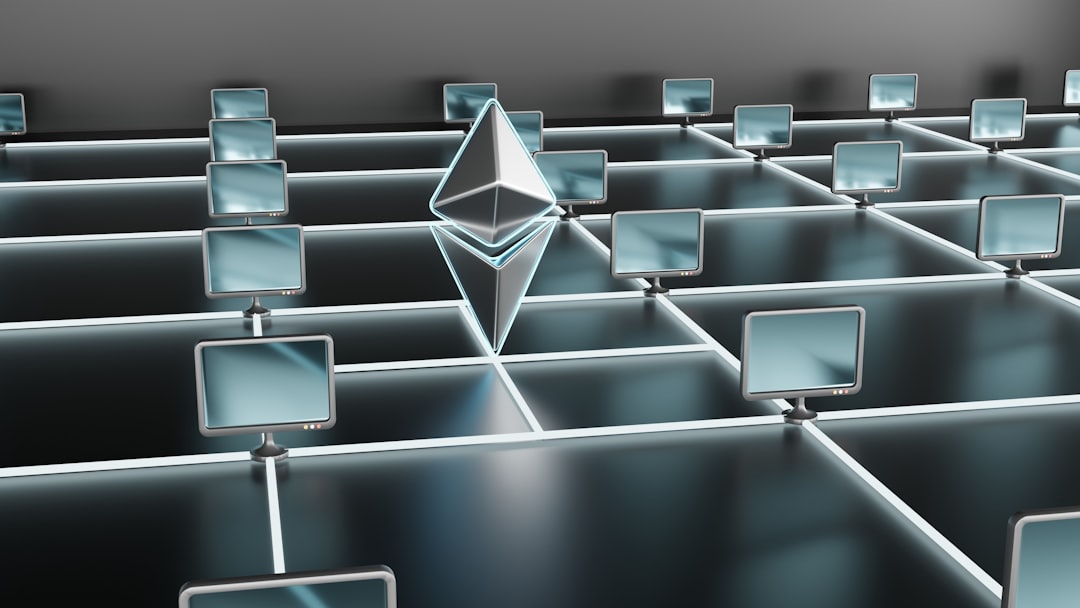
    Ethereum blockchain network upgrade 2026 digital glowing nodes

    The Big Picture: Where Ethereum Stands in 2026

    Ethereum has never stopped evolving. After the landmark Merge in 2022 shifted the network to Proof-of-Stake (PoS), and the Cancun-Deneb (Dencun) upgrade in 2024 slashed Layer-2 transaction fees dramatically through proto-danksharding (EIP-4844), the 2026 upgrade cycle is being described by core developers as the “scaling maturity” phase.

    The centerpiece of 2026’s roadmap is the progression toward full Danksharding — a design where Ethereum’s data availability layer is massively expanded, allowing rollups (Layer-2 networks like Arbitrum, Optimism, and Base) to post far more data cheaply. Combined with new improvements to the Ethereum Virtual Machine (EVM) via the EOF (EVM Object Format) finalization and Verkle Trees replacing the current Merkle Patricia Trie structure, we’re looking at a foundational re-architecture — not just a tune-up.

    Breaking Down the Key 2026 Upgrades with Real Numbers

    Let’s get specific, because vague promises about “faster” and “cheaper” don’t actually help you make decisions.

    • Full Danksharding (Data Blobs Expansion): EIP-4844 introduced 3–6 data blobs per block. The 2026 progression targets scaling this toward 32–64 blobs per block, potentially reducing L2 transaction costs by an additional 80–90% compared to even post-Dencun levels. For context, a simple token swap on Arbitrum that cost ~$0.05 in late 2025 could drop below $0.005.
    • Verkle Trees: This is the nerdy-but-crucial one. Verkle Trees replace the current data structure Ethereum uses to store its state. The result? “Stateless clients” become possible — meaning lightweight nodes can verify the chain without downloading the entire state (~hundreds of GBs today). This dramatically lowers the hardware barrier for running a node.
    • EOF (EVM Object Format): Think of this as a cleaner, more structured bytecode format for smart contracts. It enables better static analysis, reduces attack surfaces, and makes the developer experience significantly more predictable. Security auditing firms have noted it could reduce certain classes of contract vulnerabilities by design.
    • Single Slot Finality (SSF) Progress: Currently, Ethereum achieves “economic finality” in ~12-15 minutes. SSF aims to bring this to a single ~12-second slot. In 2026, we’re seeing the theoretical groundwork and early testnets, though full mainnet deployment is likely still 12–18 months out from now.
    • Staking Improvements (EIP-7251): The validator maximum effective balance increases from 32 ETH to 2,048 ETH. This consolidates the validator set (currently over 1 million validators!), reducing network overhead and making solo staking more practical for larger holders.

    Real-World Examples: How Different Communities Are Reacting

    The response to these upgrades isn’t uniform — and that’s actually really telling about where opportunity and friction lie.

    South Korea’s DeFi developer community has been particularly vocal in 2026. Korean Web3 hubs like Ludium and the growing Seoul blockchain tech cluster have doubled down on L2-native application development, anticipating the cheaper data environment. Several Korean gaming projects (the “GameFi 2.0” wave) specifically paused mainnet launches in late 2025 to time their rollout with the 2026 data blob expansion — a calculated bet that’s starting to look smart.

    In the United States, institutional players like large asset managers who gained ETH ETF exposure in 2024–2025 are watching the Verkle Tree and SSF roadmap closely. Why? Faster finality directly addresses one of their key operational concerns: settlement certainty. A 12-second finality changes the risk calculus for on-chain institutional settlement dramatically.

    In Europe, MiCA (Markets in Crypto-Assets) compliance frameworks are intersecting interestingly with Ethereum’s upgrades. The EOF changes make smart contract auditing more tractable, which compliance-focused European fintech startups view as a genuine gift — reducing their legal and technical overhead simultaneously.

    Ethereum staking validator nodes 2026 decentralized network infrastructure

    What This Realistically Means for Different Types of People

    Here’s where I want to slow down and actually think through your specific situation, because a blanket “buy ETH!” or “ignore this” take helps nobody.

    • If you’re a casual ETH holder: The upgrades strengthen the network’s long-term value proposition, but they don’t demand immediate action. The key thing to understand is that ETH’s role as the “gas” for an increasingly efficient global settlement layer is being cemented, not disrupted. Hold your position, but don’t over-leverage based on upgrade hype alone.
    • If you’re a developer: 2026 is genuinely the year to get comfortable with EOF and start designing with stateless client assumptions in mind. The tooling is maturing rapidly. Ignoring these now means technical debt later.
    • If you’re interested in staking: The EIP-7251 changes are nuanced. Smaller stakers (under 32 ETH) will increasingly rely on liquid staking protocols like Lido or Rocket Pool, which themselves are adapting to the new validator consolidation landscape. Understand the protocol you’re delegating to — not all liquid staking solutions are responding equally well.
    • If you’re building a business on L2: This is your infrastructure upgrade cycle. Plan your product roadmap around dramatically cheaper data costs materializing through 2026 and into 2027. The user acquisition economics of L2-native applications are about to become significantly more favorable.

    The Honest Caveats: What Could Go Wrong

    Let’s not be naive. Ethereum’s upgrade process has historically faced delays — Verkle Trees, for instance, have been “coming soon” for several years. The 2026 timeline for full Danksharding is ambitious, and testnet stability will be the real signal to watch. Also, the consolidation of validators under EIP-7251 raises legitimate decentralization questions that the research community is actively debating. A network with fewer, larger validators changes the trust model in subtle ways.

    Additionally, competitors aren’t standing still. Solana’s continued throughput improvements and the growth of alternative Layer-1 ecosystems mean Ethereum’s upgrades need to deliver, not just promise. The next 12–18 months will be a genuine stress test of execution.

    Realistic Alternatives If You’re Uncertain

    If all of this feels overwhelming and you’re not sure where to plant your flag, here are some measured approaches:

    • Dollar-cost average into ETH rather than timing the upgrade cycle — the technical improvements are real, but market pricing around upgrades is notoriously noisy.
    • Explore L2 native tokens (with serious due diligence) — the ecosystems that benefit most directly from 2026’s data improvements are L2 rollups themselves.
    • Engage with testnets if you’re a developer — Ethereum’s testnets for Verkle and Danksharding features are live and free to experiment with. There’s no better way to understand the impact than to build something on it.
    • Follow core developer calls — The Ethereum All Core Developers (ACD) calls are public and surprisingly accessible. Following them cuts through the hype dramatically.

    The bottom line is that 2026 represents Ethereum’s most structurally significant year since the Merge — not because of one dramatic headline moment, but because multiple long-planned architectural changes are converging simultaneously. That’s both exciting and something that deserves careful, grounded attention rather than reflexive excitement or dismissal.

    Editor’s Comment : What strikes me most about Ethereum’s 2026 trajectory isn’t any single upgrade — it’s the compounding effect of years of careful, sometimes frustratingly slow, research finally materializing into production-ready changes. The teams building on Ethereum who stayed patient and kept building through the noise are positioned remarkably well right now. If there’s one lesson the crypto space keeps re-teaching us, it’s that foundational infrastructure improvements reward those who understand them early, not those who chase the loudest headlines.

    태그: [‘Ethereum 2026’, ‘Ethereum upgrade’, ‘Danksharding’, ‘Verkle Trees’, ‘EVM improvements’, ‘ETH staking 2026’, ‘Layer 2 blockchain’]

  • 이더리움 업그레이드 2026: 달라진 것들과 지금 당장 알아야 할 변화들

    지난 몇 달간 암호화폐 커뮤니티에서 유독 자주 들려오는 말이 있었어요. “이더리움, 이번엔 진짜 달라진 거 맞아?” 친구 중 한 명이 2022년부터 이더리움을 스테이킹해 온 꽤 오랜 홀더인데, 올해 초 저한테 이런 질문을 던졌습니다. 그 친구는 머지(Merge) 이후에도 기대했던 수수료 인하가 체감되지 않았다며 다소 지쳐 있었거든요. 그래서 오늘은 2026년 현재 이더리움에 어떤 업그레이드가 이루어졌고, 실제로 무엇이 바뀌었는지 함께 짚어보려 합니다.

    ethereum upgrade 2026 blockchain network

    1. 펙트라(Pectra) 업그레이드: 수치로 보는 실질적 변화

    2026년 이더리움 생태계에서 가장 큰 화두는 단연 펙트라(Pectra) 업그레이드라고 봅니다. 펙트라는 프라하(Prague)와 일렉트라(Electra)의 합성어로, 실행 레이어와 합의 레이어를 동시에 개선하는 대형 업그레이드입니다. 핵심 변화들을 수치와 함께 살펴볼게요.

    • 최대 유효 잔액(Max Effective Balance) 상향: 기존 스테이킹 검증자 한 명당 유효 잔액 상한이 32 ETH였는데, 이번 업그레이드를 통해 최대 2,048 ETH까지 통합 관리가 가능해졌어요. 기관 스테이커들의 노드 운영 비용이 이론적으로 최대 수십 배 절감될 수 있다는 이야기입니다.
    • EIP-7702 (계정 추상화 확장): 일반 외부 소유 계정(EOA)이 특정 트랜잭션에서 스마트 컨트랙트처럼 동작할 수 있게 되었어요. 즉, 가스비를 다른 토큰으로 대납하거나 트랜잭션을 묶어서 처리하는 방식이 지갑 레벨에서 가능해졌습니다.
    • 블롭(Blob) 처리량 증가: EIP-4844(덴쿤 업그레이드)에서 도입된 블롭 방식이 펙트라에서 한 단계 더 발전했어요. 블록당 블롭 수가 기존 타깃 3개에서 최대 9개까지 처리 가능한 구조로 개선되면서 L2 롤업의 데이터 비용이 추가적으로 낮아졌습니다.
    • 인출 자격 증명 마이그레이션: 구형 BLS 인출 키(0x00 타입)를 자동으로 최신 실행 레이어 주소(0x01 타입)로 전환하는 프로세스가 간소화되었습니다.

    이 수치들만 보면 “드디어 이더리움이 사용자 친화적으로 변하는 건가?” 하는 기대가 생기죠. 실제로 L2 레이어 기준 평균 트랜잭션 수수료가 2025년 대비 약 40~60% 수준으로 낮아진 사례들이 보고되고 있습니다.

    2. 국내외 반응과 실제 적용 사례

    해외에서는 특히 기관 투자자들과 대형 디파이(DeFi) 프로토콜들이 펙트라 업그레이드에 빠르게 반응했습니다. 미국의 대형 스테이킹 서비스 업체들은 검증자 통합을 통해 인프라 운영 비용을 줄이는 방향으로 재편 작업을 진행 중인 것으로 알려져 있어요. 또한 아비트럼(Arbitrum), 옵티미즘(Optimism) 등 주요 L2 네트워크들은 블롭 증가 효과를 즉각 반영하며 수수료 구조를 재조정했습니다.

    국내 상황도 흥미롭습니다. 국내 주요 거래소들은 인출 자격 증명 마이그레이션을 고객에게 안내하는 공지를 잇따라 발표했고, 일부 블록체인 스타트업들은 EIP-7702 기반의 스마트 지갑 서비스를 준비 중이라는 소식도 들려옵니다. 계정 추상화는 웹3 온보딩의 가장 큰 장벽 중 하나인 “지갑의 복잡성” 문제를 해결하는 열쇠로 보여서, 국내 블록체인 프로젝트들에도 의미 있는 기회가 될 것 같아요.

    ethereum staking DeFi L2 rollup 2026

    3. 그래서 나한테는 어떤 의미인가요?

    업그레이드 내용이 복잡하게 느껴질 수 있는데, 실제 사용자 입장에서 정리해 보면 이렇습니다.

    • 일반 이더리움 보유자: 직접적으로 해야 할 일은 크게 없어요. 단, 구형 인출 키를 사용하는 스테이커라면 자신의 키 타입을 확인하고 마이그레이션이 필요한지 점검해 보는 것이 좋습니다.
    • L2 네트워크 사용자: 아비트럼, 베이스(Base), 옵티미즘 등을 자주 쓰는 분들은 이미 수수료 인하를 체감하고 계실 가능성이 높아요. 이 효과는 앞으로도 지속될 것으로 보입니다.
    • 개발자 및 프로젝트 팀: EIP-7702는 지금 당장 공부해 둘 필요가 있어요. 기존 EOA를 대상으로 한 UX 개선 서비스의 가능성이 크게 열렸습니다.
    • 기관 스테이커: 검증자 통합 전략을 새롭게 검토할 시점입니다. 32 ETH 단위로 잘게 쪼개던 기존 방식보다 효율적인 운영이 가능해졌으니까요.

    앞으로의 이더리움 로드맵: 버클(Verkle) 트리와 상태 만기

    펙트라 이후의 이더리움 로드맵도 눈여겨볼 만합니다. 비탈릭 부테린을 비롯한 이더리움 재단 연구팀은 버클 트리(Verkle Tree) 도입과 상태 만기(State Expiry) 메커니즘을 다음 주요 과제로 다루고 있어요. 버클 트리는 현재의 머클 패트리샤 트리 구조를 대체하는 것으로, 라이트 클라이언트가 훨씬 적은 데이터로 블록체인 상태를 검증할 수 있게 해줍니다. 이는 이더리움의 탈중앙화 수준을 실질적으로 높이는 데 기여할 것이라는 평가를 받고 있어요.

    이 모든 변화가 한꺼번에 체감되기는 어렵겠지만, 방향성만큼은 꽤 일관적이라고 봅니다. 더 싸고, 더 빠르고, 더 쉽게 — 결국 이더리움이 추구하는 것은 이 세 가지로 요약되는 것 같아요.


    에디터 코멘트 : 2026년 이더리움은 “혁명”보다는 “착실한 진화”에 가깝다는 느낌입니다. 화려한 마케팅보다 기술 기반을 묵묵히 다져온 결과가 조금씩 수수료와 UX에서 드러나고 있어요. 만약 이더리움 생태계에 관심은 있지만 어디서부터 시작해야 할지 모르겠다면, 지금 당장 L2 네트워크 하나를 직접 써보는 것이 가장 현실적인 첫걸음이라고 봅니다. 베이스(Base)나 아비트럼처럼 진입 장벽이 낮은 네트워크에서 소액으로 몇 번 트랜잭션을 경험해 보면, 숫자로 보던 것들이 피부로 느껴지기 시작할 거예요.

    태그: [‘이더리움업그레이드2026’, ‘펙트라업그레이드’, ‘이더리움스테이킹’, ‘계정추상화EIP7702’, ‘L2롤업수수료’, ‘이더리움로드맵’, ‘블록체인변화2026’]

  • Altcoin Market Ecosystem Shifts in 2026: What’s Really Changing and How to Navigate It

    Picture this: It’s early 2026, and a friend of yours — let’s call her Maya — has been holding a diversified altcoin portfolio since 2023. She’s watched some tokens 10x, others vanish entirely, and now she’s staring at a market that looks almost unrecognizable compared to when she first started. The rules have changed. The players have changed. And honestly? The definition of what makes an altcoin valuable has fundamentally shifted.

    If Maya’s story sounds familiar, you’re not alone. The altcoin ecosystem in 2026 is undergoing one of its most consequential structural transformations to date — and understanding why it’s happening is just as important as knowing what is happening. Let’s think through this together.

    altcoin market ecosystem 2026 blockchain transformation digital assets

    📊 The Numbers Behind the Shift: Where the Market Stands in 2026

    Let’s ground ourselves in data before diving into trends. As of Q1 2026, the total altcoin market capitalization hovers around $1.8 trillion, representing roughly 42% of the total crypto market — a notable increase from the 35% share seen during Bitcoin’s last dominance cycle. But raw market cap tells only part of the story.

    More telling is where capital is flowing. According to on-chain analytics platforms like Glassnode and Nansen, institutional allocation toward Layer-2 tokens, Real-World Asset (RWA) protocols, and AI-integrated blockchain projects has surged by over 170% year-over-year. Meanwhile, purely speculative meme coins — while still generating viral trading volume — are seeing dramatically shorter lifecycle peaks, with average “pump-to-dump” cycles compressing from months to sometimes mere days.

    What does this tell us? The market is maturing in some segments while becoming more volatile in others. That’s a nuanced duality we need to hold in mind.

    🔄 Three Core Structural Changes Reshaping the Altcoin Landscape

    Let me walk you through the three biggest ecosystem shifts I’m tracking right now — and why each one matters for how you think about altcoins going forward.

    1. The Rise of Utility-First Token Models
    The era of tokens surviving purely on hype is rapidly closing. Regulatory clarity — particularly following the EU’s MiCA framework fully kicking in and the U.S. finally passing the Digital Asset Market Structure Act in late 2025 — has forced projects to demonstrate real utility. Tokens tied to decentralized physical infrastructure (DePIN), AI compute networks, and cross-border payment rails are attracting sustained developer and investor interest because they have verifiable economic models.

    2. Layer-2 Fragmentation Is Both a Problem and an Opportunity
    With over 80 active Layer-2 ecosystems now operating on Ethereum and other base chains, liquidity fragmentation has become a genuine headache. However, cross-chain interoperability protocols — think projects in the vein of LayerZero and newer competitors — are building the “plumbing” that could unify these siloed ecosystems. Altcoins that serve as interoperability infrastructure are quietly becoming some of the most strategically positioned assets in the space.

    3. AI x Blockchain Convergence Is No Longer Theoretical
    In 2026, the fusion of AI and blockchain isn’t a whitepaper fantasy — it’s operational. Networks that offer decentralized AI inference, verifiable computation, and tokenized data marketplaces are drawing billions in venture capital. Tokens like those powering decentralized GPU networks have seen explosive developer adoption as demand for AI compute continues to outpace traditional cloud supply chains.

    🌍 Global Examples: Who’s Getting It Right (and Who’s Struggling)

    Let’s look at some real-world case studies from different corners of the globe, because the altcoin story in 2026 is very much a geographic story too.

    South Korea — The Retail Resilience Market: Korean exchanges like Upbit and Bithumb continue to be powerful price-discovery engines, particularly for mid-cap altcoins. Korean retail investors have historically driven outsized volume in projects with strong community narratives — a trend that hasn’t disappeared but is now layered with more fundamental analysis, partly due to DAXA (the Digital Asset eXchange Alliance) implementing stricter listing standards. Projects that want Korean market traction now need both the story and the substance.

    The European Union — Institutional Adoption Under MiCA: Since MiCA’s full enforcement, EU-based asset managers have quietly begun incorporating select altcoin positions into diversified digital asset funds. The focus? Tokens with auditable smart contracts, transparent governance, and identifiable teams. This has effectively created a “two-tier” altcoin market in Europe — compliant tokens thriving, unregulated tokens losing access to fiat on-ramps.

    Southeast Asia — DeFi Adoption Driving Demand: Countries like the Philippines, Vietnam, and Indonesia remain among the highest per-capita DeFi users globally. For these markets, altcoins powering remittance solutions, micro-lending protocols, and mobile-first DeFi apps aren’t speculative assets — they’re functional financial tools. This demographic drives organic, sustained token utility in ways that purely speculative Western retail markets often don’t.

    global crypto adoption altcoin DeFi Southeast Asia Europe blockchain 2026

    ⚠️ The Risks Nobody’s Talking About Enough

    It’d be irresponsible of me to paint only the optimistic picture. Here are the ecosystem risks that deserve serious attention in 2026:

    • Token Dilution via Excessive VC Unlocks: Many 2022-2024 era projects still have significant vesting unlocks scheduled throughout 2026, creating consistent sell pressure that can suppress price appreciation even for fundamentally strong tokens.
    • Regulatory Arbitrage Closing: Jurisdictions that previously served as crypto-friendly havens are tightening rules. Projects that built their legal structure around loopholes may face existential compliance challenges mid-year.
    • AI-Driven Market Manipulation: Sophisticated bots and AI trading systems now dominate short-term altcoin price action, making it harder for retail participants to read genuine market signals from noise.
    • Narrative Fatigue: After multiple “AI crypto” and “RWA” cycles, investor communities are becoming quicker to dismiss new narratives — meaning projects need actual traction, not just compelling stories, to maintain interest.
    • Bridge and Smart Contract Security: As cross-chain activity increases, attack surfaces expand. Major bridge exploits remain one of the ecosystem’s most damaging recurring events.

    💡 Realistic Alternatives: How to Actually Navigate This Market

    So, what should someone like Maya — or you — actually do with all of this? Here’s how I’d think about it practically:

    If you’re a long-term investor: Shift your evaluation framework. Instead of asking “will this token pump?” ask “does this token have a defensible economic model in a regulated environment?” Focus on tokens with real revenue, active developer ecosystems, and clear utility. Layer-2 infrastructure, RWA protocols, and decentralized AI compute networks are worth serious research time in 2026.

    If you’re an active trader: Recognize that the old playbook of buying early-stage narrative tokens and riding hype cycles has compressed dramatically. Position sizing discipline and strict stop-losses are non-negotiable. Consider using on-chain data tools (Nansen, Dune Analytics, Token Terminal) rather than Twitter sentiment as your primary signal source.

    If you’re completely new: Honestly? Start with understanding Bitcoin and Ethereum before allocating to altcoins. Once you have that foundation, consider dollar-cost averaging into 2-3 carefully researched projects rather than spreading thin across dozens. Quality over quantity has never mattered more than in today’s market.

    For everyone: Pay attention to token unlock schedules, audit histories, and team transparency. These used to be “advanced” considerations — in 2026, they’re table stakes.

    The altcoin ecosystem in 2026 isn’t dying — it’s filtering. The noise is getting louder, but so is the signal, if you know where to look. The market is becoming simultaneously more institutionalized and more globally diverse, which creates fascinating opportunities alongside genuine complexity.

    The projects that will define the next chapter aren’t necessarily the flashiest — they’re the ones solving real problems with sustainable economic models, operating transparently under evolving regulatory frameworks. That’s a harder bar to clear than posting a viral tweet, but it’s a far more durable foundation for long-term value.

    Maya, by the way, reorganized her portfolio around these principles in January 2026. She’s sleeping a lot better now.

    Editor’s Comment : The altcoin market in 2026 is a fascinating mirror of where the broader digital economy is heading — messy, dynamic, and full of both genuine innovation and genuine risk. My honest take? The investors who thrive won’t be the ones who picked the right narrative fastest; they’ll be the ones who developed the discipline to separate structural value from speculative noise. The ecosystem is maturing whether the hype-chasers are ready or not. Might as well be ready.

    태그: [‘altcoin market 2026’, ‘crypto ecosystem trends’, ‘DeFi altcoin outlook’, ‘blockchain investment strategy’, ‘Layer-2 tokens’, ‘RWA crypto tokens’, ‘altcoin portfolio 2026’]

  • DeFi in 2026: The Latest Trends Reshaping Decentralized Finance (And What They Mean for You)

    Picture this: it’s early 2026, and a small coffee shop owner in Seoul is earning yield on her daily revenue by parking it in a decentralized liquidity protocol — no bank account required, no intermediary taking a cut, just smart contracts doing the heavy lifting. Meanwhile, a freelance developer in Lagos is collateralizing his crypto portfolio to access instant credit lines for his business. These aren’t sci-fi scenarios anymore. This is the current reality of DeFi (Decentralized Finance) in 2026, and it’s evolving faster than most people realize.

    If you’ve been watching DeFi from the sidelines — curious but cautious — now is a genuinely fascinating time to dig in. Let’s think through what’s actually happening, what the data says, and what realistic options exist for different types of users.

    📊 Where DeFi Stands in 2026: The Numbers Tell a Story

    The DeFi landscape in early 2026 looks dramatically different from the volatile boom-bust cycles of a few years ago. Here’s what the data is showing us right now:

    • Total Value Locked (TVL) across DeFi protocols has stabilized in the $180–220 billion range, a significant maturation from the speculative peaks and troughs of previous years. This stability signals institutional confidence, not just retail speculation.
    • Layer 2 dominance is real — over 60% of DeFi activity in 2026 is happening on Layer 2 networks like Arbitrum, Optimism, and Base, where transaction fees have dropped to near-negligible levels (often under $0.01).
    • Real-World Asset (RWA) tokenization has exploded, with tokenized U.S. Treasuries, real estate, and trade finance instruments now representing over $35 billion in on-chain value — up from just a few billion in 2023.
    • Regulatory clarity in the EU (under MiCA 2.0 provisions) and evolving frameworks in South Korea and Singapore have actually accelerated institutional DeFi adoption rather than suppressing it.

    🔥 The Big Trends Defining DeFi Right Now

    Let’s break down the major movements worth paying attention to in 2026:

    1. AI-Powered DeFi Agents
    This is arguably the biggest shift of the year. Autonomous AI agents — running on protocols like Fetch.ai and integrated into platforms like Uniswap v5 — are now executing yield optimization strategies, rebalancing portfolios, and managing risk parameters in real time. Think of them as tireless financial advisors that never sleep and charge no advisory fees. The catch? Understanding what they’re doing under the hood still requires some technical literacy.

    2. Intent-Based Protocols
    Gone are the days when you had to manually navigate five different protocols to get the best swap rate. Intent-based systems (pioneered by projects like CoW Protocol and Anoma) let you simply state what outcome you want — “I want to turn 1 ETH into the highest possible stablecoin yield over 30 days” — and the protocol figures out the optimal path. This is a massive UX improvement that’s drawing in non-technical users.

    3. Institutional RWA Integration
    BlackRock’s BUIDL fund, Franklin Templeton’s on-chain money market, and Korean giants like Mirae Asset have all deepened their tokenized asset offerings. This isn’t just symbolic — it means DeFi protocols now have access to low-risk, yield-bearing collateral that makes the entire ecosystem more stable.

    4. Cross-Chain Liquidity Unification
    Fragmented liquidity across dozens of blockchains was a real pain point. In 2026, protocols like Across Protocol v3 and LayerZero-powered bridges have made cross-chain transfers nearly seamless, with under 10-second finality in most cases. Your assets can now move where the best opportunities are — automatically.

    🌏 Global & Domestic Examples Worth Watching

    Let’s ground this in real-world cases from both international and Korean contexts:

    • South Korea — Klaytn/Kaia Ecosystem: Following the merger of Klaytn and Finschia into the Kaia blockchain, Korean DeFi has found renewed momentum. KakaoBank-affiliated DeFi pilots are exploring savings products built on Kaia’s infrastructure, targeting everyday retail users through familiar app interfaces.
    • Singapore — MAS Project Guardian 2026: The Monetary Authority of Singapore continues to expand its Project Guardian framework, with DBS Bank and JP Morgan now testing cross-border FX settlements using DeFi-based automated market makers (AMMs). This is institutional DeFi done properly.
    • Europe — Aave v4 with MiCA Compliance: Aave launched its v4 protocol with built-in KYC whitelisting options, allowing EU-regulated institutions to participate in lending markets without violating MiCA 2.0 requirements. It’s a clever middle ground between decentralization and regulatory compliance.
    • United States — Uniswap’s DEX + CEX Hybrid: Uniswap’s 2026 update introduced a hybrid orderbook-AMM model that competes directly with centralized exchanges on price execution while keeping assets in self-custody. Trading volume has crossed $2 billion daily on peak days.

    🤔 So… Is DeFi Actually Safe and Accessible in 2026?

    Honest answer: safer than before, but not risk-free. Smart contract auditing standards have improved dramatically, with firms like Trail of Bits and Certik now offering continuous monitoring rather than point-in-time audits. Insurance protocols like Nexus Mutual and Neptune Mutual cover a wider range of exploits. But hacks still happen — over $800 million was lost to exploits in 2025 alone, so due diligence remains non-negotiable.

    For accessibility, the gap has genuinely narrowed. If you have a smartphone and a basic understanding of wallets (think MetaMask or Rabby Wallet), you can interact with most major protocols today. Gas fees on L2s are a non-issue for small transactions.

    🛤️ Realistic Alternatives Based on Your Situation

    Not everyone should dive into DeFi the same way. Here’s how I’d think about it depending on where you are:

    • Complete Beginner: Start with a centralized exchange (CEX) that offers DeFi-like yield products (e.g., Binance Earn, Upbit’s staking options in Korea). These come with custodial risk but remove smart contract complexity while you learn.
    • Intermediate User (has some crypto): Try a single-asset stablecoin deposit on Aave or Compound on a Layer 2 like Arbitrum. Keep amounts small (under $500) until you’re comfortable with the mechanics. Current USDC lending yields hover around 5–8% APY — better than most savings accounts.
    • Advanced / Risk-Tolerant: Explore liquidity provision on concentrated liquidity AMMs (like Uniswap v4 or Curve), RWA yield strategies, or even AI-agent-managed vaults. Just make sure you understand impermanent loss and smart contract risk before committing significant capital.
    • Institution / Business: Look into compliant DeFi frameworks under MiCA or work with regulated tokenization platforms. The infrastructure for B2B DeFi is genuinely enterprise-ready in 2026.

    💡 What to Keep an Eye On for the Rest of 2026

    A few developments I’m watching closely:

    • The potential passage of the U.S. Digital Asset Market Structure Act, which could define DeFi protocol liability in the U.S. for the first time.
    • ZK-proof privacy layers being integrated into lending protocols — enabling compliant privacy (you prove eligibility without revealing identity).
    • The growth of DeFi for gaming and creator economies, where in-game assets and creator royalties are managed through on-chain protocols.

    DeFi in 2026 isn’t the Wild West it once was — it’s becoming something more interesting: a maturing financial infrastructure that’s still open, permissionless, and globally accessible, but increasingly robust and usable. That’s a rare combination worth paying attention to.

    Editor’s Comment : The single biggest mistake I see people make with DeFi in 2026 is treating it as all-or-nothing — either you go all-in or you ignore it entirely. The smarter move? Start with a small, low-risk experiment on a trusted L2 protocol, learn how it works firsthand, and scale your involvement only as your understanding grows. DeFi rewards the curious and patient. The days of needing to be a blockchain engineer to participate are largely over — what you need now is informed curiosity and a healthy respect for risk.

  • DeFi 디파이 최신 동향 2026: 지금 당장 알아야 할 탈중앙화 금융의 변화

    얼마 전, 지인 한 명이 조심스럽게 물어왔어요. “디파이(DeFi)가 한때 엄청 핫하다고 했는데, 요즘은 어때? 아직 살아있어?” 사실 이 질문은 꽤 많은 분들이 공통적으로 품고 있는 의문인 것 같습니다. 2021~2022년의 폭발적인 성장 이후 크립토 윈터를 겪으며 잠잠해지는 듯했던 DeFi 생태계가, 2026년 현재 조용하지만 훨씬 더 단단하게 진화하고 있거든요. 오늘은 그 변화의 흐름을 함께 짚어보려 합니다.

    📊 2026년 DeFi 시장 규모, 숫자로 보면 이렇습니다

    글로벌 DeFi 시장의 총 예치 자산(TVL, Total Value Locked)은 2026년 1분기 기준 약 2,200억 달러(한화 약 300조 원) 수준으로 집계되고 있습니다. 2023년 저점 대비 약 3배 이상 회복한 수치라고 봐도 무방해요. 특히 주목할 만한 점은 이 성장이 단순한 투기적 자금 유입이 아니라는 겁니다.

    • 기관 투자자 비중 증가: 2026년 DeFi 프로토콜 이용자 중 기관 지갑(Institutional Wallet)의 비중이 전체 TVL의 약 38%를 차지한다는 분석이 나오고 있어요. 2022년에는 10% 미만이었던 것과 비교하면 상당한 변화라고 볼 수 있습니다.
    • 실물자산 토큰화(RWA) 급성장: 부동산, 국채, 사모펀드 등 실물 자산을 블록체인 위에 올린 RWA(Real World Asset) 시장이 2026년 기준 약 500억 달러를 돌파했습니다. BlackRock, Franklin Templeton 등 전통 금융 대형사들이 직접 참여 중이에요.
    • 이더리움 레이어2 생태계 확장: Arbitrum, Base, zkSync 등 레이어2 네트워크의 DeFi TVL 합산이 이더리움 메인넷을 처음으로 추월했습니다. 수수료 절감과 처리 속도 향상이 대중화를 이끈 주요 원인이라고 봅니다.
    • 크로스체인 유동성 통합: 단일 체인에 갇혔던 유동성이 여러 블록체인을 자유롭게 이동하는 ‘옴니체인(Omnichain)’ 구조로 빠르게 전환 중입니다.

    🌏 국내외 주요 사례: DeFi는 지금 어디서 어떻게 쓰이고 있나요?

    [해외 사례] Aave와 Compound의 기관화
    한때 개인 투자자들의 놀이터였던 Aave와 Compound 같은 대출 프로토콜이 2026년에는 기관 전용 풀(Institutional Pool)을 운영하고 있습니다. KYC(신원확인) 절차를 거친 기관만 참여할 수 있는 ‘퍼미션드 DeFi(Permissioned DeFi)’ 구조인데요, 탈중앙화의 가치를 유지하면서도 규제 요건을 충족하려는 절충점으로 봐야 할 것 같습니다.

    [해외 사례] MakerDAO → Sky Protocol 전환
    DAI 스테이블코인으로 유명한 MakerDAO가 리브랜딩한 Sky Protocol은 2026년 기준 RWA 담보 비중을 전체의 50% 이상으로 늘리며 사실상 온체인 자산운용사에 가까운 모습을 보이고 있어요. 미국 단기 국채를 담보로 수익을 창출하는 구조는 전통 금융과 DeFi의 경계를 허물고 있다고 봐도 될 것 같습니다.

    [국내 사례] 국내 규제 환경과 DeFi의 교차점
    한국은 2025년 말 발효된 가상자산이용자보호법 2단계 개정안으로 인해 DeFi 관련 서비스에도 일정한 공시 의무가 부과되기 시작했습니다. 이 때문에 국내 블록체인 스타트업들은 ‘RegDeFi(규제 친화형 디파이)’ 모델을 개발하며 틈새 시장을 공략하고 있어요. Klaytn 기반의 일부 프로젝트와 카카오 계열의 블록체인 인프라가 이 흐름에 편승하고 있다는 점도 눈여겨볼 만합니다.

    🔍 2026년 DeFi의 핵심 트렌드 키워드 정리

    • DePIN(탈중앙화 물리 인프라): 와이파이 공유, 태양광 에너지 거래 등 현실 인프라를 토큰 인센티브로 운영하는 모델이 DeFi와 결합 중입니다.
    • AI × DeFi 융합: AI 에이전트가 사용자 대신 자동으로 유동성을 공급하고 재조정하는 ‘자율 포트폴리오 관리’ 서비스가 등장하고 있어요.
    • ZK 프루프(영지식 증명) 기반 프라이버시 강화: 거래 내역을 노출하지 않으면서도 규제 기관에 증명 가능한 방식, 즉 ‘선택적 공개’ 기술이 빠르게 상용화되고 있습니다.
    • 수익률의 현실화: 2021년처럼 수천 % APY는 사라졌고, 5~15% 수준의 지속 가능한 수익률이 오히려 신뢰를 얻고 있어요. 이건 생태계가 성숙해졌다는 신호라고 봅니다.

    💡 지금 DeFi에 관심 있다면, 현실적으로 어떻게 접근해야 할까요?

    무조건 뛰어들거나, 반대로 “너무 어렵다”며 외면하는 양극단이 아닌, 단계적으로 접근하는 게 라고 봅니다. 먼저 레이어2 기반의 간단한 스테이킹이나 유동성 공급부터 소액으로 경험해보고, 스마트 컨트랙트 감사(Audit) 여부와 TVL 추이를 꼭 확인하는 습관을 들이는 게 중요해요. DeFiLlama, Dune Analytics 같은 온체인 데이터 플랫폼을 활용하면 누구나 데이터를 직접 확인할 수 있습니다.


    에디터 코멘트 : 2026년의 DeFi는 “한탕”을 노리는 공간이 아니라, 전통 금융이 수백 년에 걸쳐 만들어온 인프라를 코드로 재구성하는 실험이 진지하게 진행 중인 장이라고 봐요. 완벽하지 않고 아직 리스크도 분명히 존재하지만, 그 흐름 자체를 이해하고 있는 것만으로도 앞으로 10년의 금융 환경을 읽는 눈이 달라질 것이라 생각합니다. 관심이 있다면 지금이 공부하기 가장 좋은 타이밍인 것 같아요. 시끄럽지 않고, 조용히 단단해지는 시기니까요. 🙂

  • Crypto Market Trends 2026: What’s Actually Happening and Where Your Money Might Go Next

    Picture this: it’s early 2026, and a friend texts you a screenshot of their crypto portfolio — it’s up 40% since January. Your first instinct? Did I miss the boat again? But here’s the thing — I’ve been tracking the crypto space closely this year, and the story isn’t just about price pumps. The crypto market in 2026 is maturing in ways that fundamentally change how everyday people should be thinking about digital assets. Let’s think through this together.

    📊 Where the Crypto Market Actually Stands in 2026

    After the turbulent correction cycles of the early 2020s, 2026 is shaping up to be what analysts are calling a “consolidation and utility year.” Bitcoin has stabilized in a higher trading band following the approval of multiple spot ETF products across the U.S., EU, and Southeast Asian markets. According to CoinGecko’s Q1 2026 report, the total crypto market capitalization is hovering around $3.8 trillion — a figure that would have seemed science fiction just five years ago.

    But raw capitalization numbers only tell part of the story. What’s more interesting is where the capital is flowing. Institutional adoption is no longer a buzzword — it’s a measurable reality. BlackRock’s iShares Bitcoin Trust now manages over $85 billion in assets, and similar products from Fidelity and Invesco are seeing record inflows from pension funds and sovereign wealth funds. This is a structural shift, not a retail speculation frenzy.

    🔍 The Three Dominant Trends Reshaping Crypto in 2026

    Let me break down the three forces you absolutely need to understand right now:

    • Real-World Asset (RWA) Tokenization: This might be the biggest story of 2026. Platforms like Ondo Finance and Maple Finance are tokenizing U.S. Treasury bonds, real estate, and private credit on-chain. The RWA sector has crossed $15 billion in total value locked (TVL), representing a 300% year-over-year increase. Think of it as bringing Wall Street instruments to a blockchain wallet near you.
    • Layer 2 Ecosystem Maturity: Ethereum’s Layer 2 solutions — Arbitrum, Base, and zkSync — are no longer niche developer playgrounds. Transaction throughput on these networks rivals traditional payment processors, with fees often under $0.01. This has quietly unlocked micro-transaction use cases that were theoretically impossible before.
    • AI × Crypto Convergence: Decentralized AI infrastructure projects like Bittensor (TAO) and Render Network are attracting serious developer talent. The idea is straightforward: use blockchain to create open, incentivized markets for computing power and AI model training. In 2026, this isn’t a whitepaper fantasy — it’s generating real protocol revenue.
    • Regulatory Clarity (Finally): The U.S. Digital Asset Market Structure Act, signed into law in late 2025, has provided a clearer framework for token classification. While debate continues, the removal of regulatory ambiguity has allowed exchanges like Coinbase and Kraken to list more assets confidently. The EU’s MiCA framework is fully operational, and South Korea’s Virtual Asset User Protection Act is now in its second year of enforcement.
    • Bitcoin as a Reserve Asset: Following El Salvador’s model, three additional nations have formally included Bitcoin in their foreign reserve portfolios in 2026. This sovereign adoption narrative adds a geopolitical layer to Bitcoin’s price story that goes beyond retail sentiment.

    🌍 Domestic & International Examples Worth Watching

    Let’s ground this in real examples, because abstract trends only mean so much.

    Internationally, Singapore’s MAS (Monetary Authority of Singapore) has greenlit a sandbox for tokenized government bonds, with DBS Bank and Standard Chartered both participating. The results? Settlement times for institutional bond trades dropped from T+2 (two business days) to near-instant. That efficiency gain is worth billions in freed-up capital across the financial system.

    In the United States, JPMorgan’s Onyx blockchain platform is now processing over $2 billion in daily transactions for institutional clients — quietly becoming one of the largest enterprise blockchain operations in the world, even as the bank’s executives remain publicly cautious about retail crypto.

    In South Korea, one of the world’s most active retail crypto markets, the top exchanges (Upbit, Bithumb) have adapted to the new regulatory environment by introducing enhanced KYC and transaction monitoring. Interestingly, this has increased user trust — daily active users on Upbit hit a record 2.3 million in February 2026.

    On the decentralized finance (DeFi) front, Aave’s v4 protocol launched with integrated RWA collateral options, allowing users to borrow against tokenized T-bills. This bridging of TradFi (traditional finance) and DeFi is the kind of practical convergence that creates sticky, long-term utility rather than speculative hype.

    💡 So What Should You Actually Do? Realistic Alternatives for Every Type of Person

    Here’s where I want to get practical, because “crypto is big” means nothing if you don’t know how to apply it to your own situation. Let’s think through a few profiles:

    • The Complete Beginner: Don’t start with altcoins chasing 10x returns. Seriously. Start with a dollar-cost averaging (DCA) strategy into Bitcoin or Ethereum via a regulated exchange. Set aside 5–10% of your monthly discretionary income, automate it, and don’t check the price every day. Boring? Yes. Effective over a 3-year horizon? The data strongly suggests yes.
    • The Intermediate Investor: If you already hold BTC/ETH, 2026 is a reasonable year to explore RWA-backed yield products. Platforms like Ondo Finance offer tokenized T-bill yields (~4.8% APY as of Q1 2026) with significantly lower smart contract risk than typical DeFi yield farms. It’s essentially a crypto-native money market fund.
    • The Risk-Tolerant Enthusiast: The AI × Crypto intersection (Bittensor, Render, Akash Network) is genuinely early-stage but technically substantive. If you can afford to lose your entire position and still sleep fine, allocating a small speculative slice here could be intellectually rewarding — just treat it like a startup bet, not a savings plan.
    • The Skeptic: You don’t have to buy crypto to benefit from this trend. Companies with significant blockchain infrastructure exposure — including certain fintechs and cloud providers — offer indirect exposure through traditional stock markets. This is a perfectly valid path that maintains familiar regulatory protections.

    ⚠️ The Risks Nobody Wants to Talk About

    No trend analysis is honest without acknowledging the downside. Even in a maturing market, crypto in 2026 carries real risks:

    • Smart contract vulnerabilities remain a persistent threat. Over $400 million was lost to protocol exploits in 2025, despite improved auditing practices.
    • Macro correlation hasn’t disappeared. When risk-off sentiment hits global markets — think rising interest rates or geopolitical shocks — crypto still tends to sell off alongside equities, challenging its “digital gold” narrative in short-term windows.
    • Regulatory whiplash is still possible. China’s continued crypto ban and occasional enforcement actions in other jurisdictions remind us that policy environments can shift faster than price charts.

    The point isn’t to scare you — it’s to make sure your enthusiasm is calibrated, not blind. The most successful crypto investors I’ve observed approach it with genuine curiosity, continuous learning, and strict position-sizing discipline.


    Editor’s Comment : The crypto market in 2026 feels different from the frenzied cycles of years past — and I mean that in the best way. Institutional rails are being laid, regulatory frameworks are (slowly) taking shape, and real-world utility is moving from theory to transaction. That doesn’t mean the risk is gone; it means the opportunity is more nuanced. My honest take? The people who will benefit most from this era aren’t necessarily the ones who bought early — they’re the ones who take the time to understand what they own and why. Whether you’re allocating $50 a month or $50,000, that intellectual groundwork is the real edge in 2026’s crypto landscape. Stay curious, stay skeptical, and never invest more than you’d be comfortable explaining at Thanksgiving dinner.