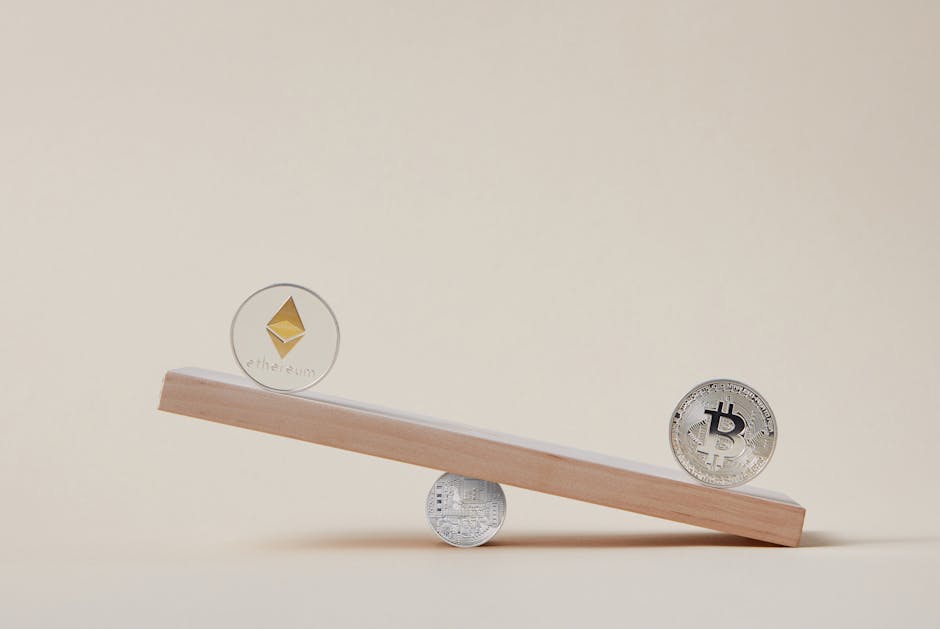
지난해 말, 지인 한 분이 조심스럽게 연락을 해왔어요. “업비트에 있던 코인을 바이낸스로 옮기려는데, 수수료가 너무 차이가 나더라고요. 거래소마다 이렇게 다른 거예요?” 사실 이 질문은 단순한 수수료 문제가 아닌 것 같아요. 어떤 거래소를 선택하느냐는 곧 유동성, 보안, 자산 보호 구조 전체를 선택하는 문제와 직결되거든요. 2026년 현재, 가상자산 시장은 비트코인 현물 ETF 제도화 이후 기관 자금 유입이 본격화되며 거래소 간 경쟁이 그 어느 때보다 치열해졌습니다. 그래서 오늘은 국내외 주요 거래소들의 생태계를 꼼꼼하게 뜯어보려 해요.
📊 본론 1 — 수치로 보는 거래소 생태계 현황 (2026년 기준)
2026년 1분기 기준, 글로벌 중앙화 거래소(CEX) 시장에서 주목할 만한 수치들이 있어요.
글로벌 CEX 24시간 평균 거래량 기준 점유율(추정치)을 보면, 바이낸스(Binance)가 여전히 약 32~35%의 압도적인 점유율을 유지하고 있어요. 2023년 미국 DOJ와의 합의 및 창펑자오 전 CEO 퇴진이라는 큰 파고를 넘긴 이후, 오히려 컴플라이언스 구조를 강화하며 기관 투자자 친화적인 플랫폼으로 탈바꿈하는 데 집중했거든요. 그 결과 신뢰 회복과 함께 점유율을 사실상 방어했다고 봅니다.
반면 코인베이스(Coinbase)는 점유율 자체는 약 8~10% 수준으로 바이낸스에 크게 못 미치지만, 나스닥 상장사라는 규제 투명성 덕분에 미국 기관 자금의 ‘온램프(on-ramp)’ 역할을 독점적으로 수행하고 있어요. 2026년에는 코인베이스 프라임(Coinbase Prime)을 통한 기관 수탁 자산이 1,200억 달러를 돌파했다는 보고가 나왔을 만큼, 리테일보다 인스티튜셔널에 집중하는 전략이 뚜렷합니다.
국내 시장으로 넘어오면, 업비트(Upbit)는 원화 마켓 기준 국내 점유율 약 75~80%를 유지하며 압도적인 1위를 고수하고 있어요. 빗썸(Bithumb)이 수수료 무료 정책과 공격적인 마케팅으로 점유율을 끌어올리려 하고 있지만, 두 거래소 간 유동성 격차는 여전히 상당한 수준인 것 같습니다. 코인원, 코빗은 기업 간 거래(B2B) 및 특수 서비스에 집중하는 방향으로 포지셔닝을 가져가는 추세고요.
탈중앙화 거래소(DEX) 생태계도 빼놓을 수 없어요. 유니스왑(Uniswap) v4와 레이디움(Raydium) 등이 속한 DEX 전체 시장은 2026년 1분기 기준 일 평균 거래량이 약 200~250억 달러 수준으로 성장하며, CEX 전체 대비 비율이 약 18~22%까지 올라왔다는 분석이 있어요. 2022년만 해도 이 비율이 5% 미만이었다는 점을 생각하면, 구조적인 변화가 일어나고 있는 것 같습니다.
🌏 본론 2 — 국내외 주요 거래소 사례 심층 비교
거래소 생태계를 평가할 때는 단순 거래량보다 ① 보안 구조, ② 수수료 체계, ③ 상장 정책, ④ 규제 대응력, ⑤ 생태계 확장성 이 다섯 가지 축으로 보는 것이 합리적이라고 봅니다.
[바이낸스 vs 코인베이스 — 글로벌 양강 구도]
바이낸스는 선물·마진·P2P·런치패드(Launchpad)·스테이킹 등 사실상 모든 가상자산 금융 서비스를 한 플랫폼에 통합한 ‘슈퍼앱’ 전략을 구사해요. 메이커/테이커 수수료가 최저 0.02%/0.04%(BNB 할인 적용 시) 수준으로 업계 최저 수준인 데다, BNB 토큰 생태계와의 연계도 촘촘하게 설계되어 있어요. 다만 규제 리스크는 여전히 상존한다는 점, 특히 국내 거주자가 이용할 경우 특정금융정보법(특금법) 적용 문제가 발생할 수 있다는 점은 유의해야 해요.
반면 코인베이스는 규제 준수를 핵심 가치로 내세우며 미국 내 암호화폐 ETF 수탁 기관으로서의 위상을 확보했어요. 수수료는 상대적으로 높은 편(스팟 기준 최대 0.6% 수준)이지만, Base 레이어2 체인을 직접 운영하며 온체인 생태계까지 확장했다는 점이 주목할 만해요.
[업비트 vs 빗썸 — 국내 양강의 전략적 차이]
업비트는 카카오 계열의 두나무가 운영하며, 카카오페이·카카오뱅크 등 국내 핀테크 생태계와의 연계를 기반으로 한 원화 거래 편의성이 강점이에요. 2026년 현재 원화 입출금 연동 은행은 케이뱅크 단독 체제를 유지하고 있는데, 이 부분이 이용자 입장에서는 일종의 집중 리스크가 될 수 있다고 봐요.
빗썸은 2025년부터 국내 최초로 일부 종목에 대한 ‘수수료 0원’ 정책을 시행하며 가격 경쟁력 강화에 나섰어요. 동시에 기관 투자자를 위한 OTC(장외 거래) 데스크 강화, NFT·STO(증권형 토큰) 연계 서비스 확대 등 수익원 다변화를 꾀하는 전략을 쓰고 있어요.
[DEX 생태계 — 유니스왑·에이프로스·하이퍼리퀴드]
2026년 DEX 생태계에서 가장 주목받는 이름 중 하나는 하이퍼리퀴드(HyperLiquid)예요. 자체 L1 체인 위에서 오더북 기반 퍼페추얼 DEX를 구현하며, 기존 AMM(자동화 시장 조성자) 방식 DEX의 슬리피지(slippage) 문제를 상당 부분 해결했다는 평가를 받고 있거든요. 일 거래량이 수십억 달러를 넘나들며 비트멕스(BitMEX)나 바이비트(Bybit) 일부 시장을 잠식하고 있다는 분석도 나와요.
🔍 거래소 선택 시 반드시 체크해야 할 핵심 포인트
자산 보호 구조 확인: FDIC 보험, 콜드월렛 비율(통상 95% 이상이 기준), 준비금 증명(PoR, Proof of Reserves) 공시 여부를 반드시 체크해야 해요. FTX 사태 이후 이 부분은 선택이 아닌 필수 확인 사항이 됐다고 봅니다.
규제 및 라이선스 현황: 국내 거래소는 VASP(가상자산사업자) 신고 여부, 해외 거래소는 MiCA(EU), FCA(영국), MAS(싱가포르) 등 주요 국가의 라이선스 보유 여부를 확인하는 것이 좋아요.
수수료 구조의 복잡성: 겉으로 보이는 메이커/테이커 수수료 외에도 출금 수수료, 네트워크 피, 환전 스프레드 등 숨겨진 비용이 있을 수 있어요. 실제 거래 시나리오로 총비용을 계산해 보는 것이 좋습니다.
상장 정책의 엄격성: 거래소가 얼마나 까다롭게 프로젝트를 심사하는지가 투자자 보호와 직결돼요. 상장 폐지(상폐) 기준과 절차도 함께 살펴보시길 권해요.
고객 지원 품질: 실제 해킹·오류 사고 발생 시 얼마나 신속하게 대응했는지 과거 사례를 검색해 보는 것이 의외로 중요한 판단 기준이 됩니다.
유동성과 스프레드: 특히 중·소형 알트코인을 거래할 계획이라면 오더북 깊이(depth)와 매수·매도 스프레드를 꼼꼼히 확인해야 체결 불이익을 줄일 수 있어요.
세금 및 신고 지원 기능: 2026년부터 국내에서 가상자산 양도소득세가 본격 정착된 만큼, 거래내역 엑스포트 및 세금 신고 연동 기능이 있는지 여부도 실용적인 선택 기준이 될 수 있어요.
Picture this: it’s 2021, and you’re trying to send $10 worth of Ethereum to a friend. The gas fee? Also $10. Sometimes more. That absurdity was the spark that lit the Layer 2 wildfire — and in 2026, that fire has grown into a full-blown ecosystem battle that’s reshaping how we think about blockchain infrastructure entirely.
I’ve been following the Layer 2 (L2) space closely, and honestly, the competitive dynamics have gotten fascinating. It’s no longer just a technical arms race — it’s a market positioning war, a developer loyalty contest, and yes, a lot of serious money on the line. Let’s think through this together.
What Exactly Is a Layer 2, and Why Should You Care?
Before we dive into market share numbers, let’s ground ourselves. A Layer 2 solution is essentially a secondary framework built on top of a base blockchain (Layer 1, like Ethereum) that handles transactions off the main chain and then settles the final state back on-chain. Think of it like a high-speed express lane that reports back to the main highway.
The two dominant technical approaches right now are:
Optimistic Rollups — These assume transactions are valid by default and only run fraud proofs if someone challenges them. Lower computational overhead, but there’s typically a 7-day withdrawal window back to L1. Examples: Optimism (OP Mainnet), Arbitrum.
ZK-Rollups (Zero-Knowledge Rollups) — These use cryptographic validity proofs to verify every batch of transactions before settlement. More computationally intensive to generate, but near-instant finality and no challenge period. Examples: zkSync Era, StarkNet, Polygon zkEVM, Scroll.
Validiums & Volitions — Hybrid models where data availability is handled off-chain, trading some security guarantees for even higher throughput. Used by projects like Immutable X for NFT gaming.
The 2026 Market Landscape: Numbers That Tell a Story
As of early 2026, the Total Value Locked (TVL) across all Ethereum L2s has crossed the $85 billion mark — a staggering increase from roughly $20 billion in early 2024. But raw TVL doesn’t tell the whole story.
Here’s the competitive breakdown as it stands today:
Arbitrum One commands roughly 28% of L2 TVL, cementing its position as the dominant DeFi hub on L2. Its ecosystem grants program and deep integrations with protocols like GMX and Pendle have created genuine stickiness.
Base (Coinbase’s OP Stack chain) has surged to approximately 22% TVL share, driven aggressively by Coinbase’s retail user base and its positioning as the “compliant-friendly” L2 for U.S.-facing applications.
zkSync Era and Starknet together hold around 18% of TVL, with ZK technology finally hitting the performance benchmarks that developers were promised years ago.
Polygon zkEVM and Scroll are carving out institutional and Asia-Pacific developer niches respectively.
A long tail of application-specific L2s (appchains) — built on frameworks like OP Stack and ZK Stack — now accounts for nearly 15% of total ecosystem activity.
The Real Competition: Developer Mindshare and Ecosystem Gravity
Here’s where it gets genuinely interesting. TVL is a lagging indicator. The real battle in 2026 is being fought over developer tooling, EVM compatibility, and sequencer decentralization.
Arbitrum’s Stylus upgrade — which allows developers to write smart contracts in Rust, C, and C++ alongside Solidity — has been a quiet but significant moat-builder. Meanwhile, zkSync’s ZK Stack framework has enabled dozens of sovereign “hyperchains” to launch with shared liquidity and security, creating a network-of-networks effect that’s hard to replicate quickly.
Base, frankly, is playing a different game altogether. Rather than competing purely on technical specs, it’s leveraging Coinbase’s 100+ million user distribution as a growth flywheel. For consumer crypto apps — think on-chain social, micro-payments, creator monetization — Base’s user acquisition advantage is nearly impossible for a purely tech-first L2 to match.
International Examples: How Different Regions Are Betting
The L2 competitive map looks different depending on where you are in the world.
In South Korea, the Kakao-linked Klaytn network completed its merger with Finschia (LINE’s blockchain) to form the Kaia Chain, which now operates as an L2-adjacent ecosystem targeting Southeast Asian and Korean consumer apps. With Kakao and LINE’s combined messaging user base, this is an underrated distribution play that Western observers often overlook.
In Japan, Sony’s Soneium — built on OP Stack — has gained traction as a content and entertainment-focused L2, with Sony Music and Sony Pictures experimenting with on-chain rights management and fan engagement tools. It’s a fascinating case study in how corporate brand trust can bootstrap blockchain adoption.
In Europe, regulatory clarity from MiCA (Markets in Crypto-Assets regulation) has actually helped certain L2s that prioritized compliance architecture early. Projects like Gnosis Chain and newer EU-registered L2 operators are seeing institutional interest that was previously sitting on the sidelines.
In the Middle East, Abu Dhabi and Dubai have been nurturing their own blockchain infrastructure layers tied to national digital economy strategies, with several projects building sovereign L2s on top of Ethereum for government service applications.
The Sequencer Decentralization Problem — The Elephant in the Room
Let’s be honest about a tension that the industry hasn’t fully resolved yet. As of 2026, most major L2s still rely on a single centralized sequencer — essentially a single entity that orders and processes transactions before batching them to L1.
This creates a real trust assumption. If Offchain Labs (Arbitrum) or OP Labs (Optimism/Base) were to censor transactions or go offline, users would be affected — even if the underlying assets on Ethereum remain safe. Arbitrum has made the furthest progress toward decentralized sequencing with its BOLD (Bounded Liquidity Delay) protocol, but full decentralization across the top L2s is still an ongoing project rather than a completed one.
For institutional users especially, this is a due diligence checkbox that’s increasingly being scrutinized.
Realistic Alternatives: Which L2 Actually Fits Your Needs?
Rather than declaring a single “winner,” let’s think about fit-for-purpose matching:
You’re building a DeFi protocol with deep liquidity needs? Arbitrum One remains the strongest choice for ecosystem depth and developer tooling maturity.
You’re building a consumer app targeting non-crypto-native users? Base’s Coinbase integration and fiat on-ramp accessibility make onboarding dramatically easier.
You care deeply about cryptographic security guarantees and fast finality? zkSync Era or Scroll offer the strongest ZK-native development experiences right now.
You’re an enterprise or government entity needing compliance architecture? Look at Polygon’s enterprise zkEVM offerings or newer EU-compliant L2 frameworks.
You’re building a high-throughput gaming or NFT application? Immutable X or application-specific L2s with Validium data availability are worth serious consideration.
The honest takeaway? There’s no universal winner in 2026. The L2 space has matured into a multi-hub ecosystem where different chains serve genuinely different use cases. The “one L2 to rule them all” narrative has largely been replaced by a more nuanced understanding of trade-offs.
What we’re really watching is whether cross-L2 interoperability — via shared messaging layers like LayerZero, Wormhole, or native OP Stack superchains — can stitch these fragmented ecosystems together into something that feels seamless to end users. That, I’d argue, is the next competitive frontier.
Editor’s Comment : The Layer 2 race in 2026 is less about which technology “wins” and more about which ecosystems can build the strongest gravity — through developers, users, and liquidity simultaneously. If you’re a developer choosing an L2 today, I’d genuinely recommend running a small pilot on two or three chains before committing. The switching costs are lower than they’ve ever been, and the ecosystem differences are real enough to matter for your specific use case. Don’t let tribalism make a technical decision for you.
태그: [‘blockchain layer 2’, ‘zkrollup vs optimistic rollup’, ‘Arbitrum vs Base 2026’, ‘Ethereum scaling solutions’, ‘L2 market competition’, ‘ZK proof blockchain’, ‘layer 2 ecosystem 2026’]
얼마 전 한 개발자 커뮤니티에서 이런 이야기를 들었어요. 이더리움 메인넷에서 NFT 민팅을 시도했다가 가스비로만 수십만 원이 날아갔다는 경험담이었죠. 그 자리에 있던 누군가가 조용히 말했습니다. “그래서 레이어2가 있는 거잖아요.” 그 한마디가 사실 레이어2 솔루션이 왜 2026년 현재 블록체인 생태계의 핵심 전쟁터가 되었는지를 가장 잘 설명해 주는 것 같습니다.
레이어2(Layer 2, 이하 L2)는 메인 블록체인(레이어1) 위에 구축되어 트랜잭션 처리 속도를 높이고 수수료를 낮추는 확장성 솔루션이에요. 기술적으로는 복잡하지만, 개념은 간단합니다. 고속도로(레이어1)가 막히면 옆길(레이어2)로 우회해 빠르게 이동하고, 목적지에서 최종 정산만 고속도로를 통해 한다고 보면 됩니다. 그런데 지금 이 ‘옆길’을 놓고 굵직한 플레이어들이 치열한 경쟁을 벌이고 있어요. 함께 살펴볼게요.
📊 숫자로 보는 L2 시장: 2026년 현재 규모와 점유율
2026년 3월 기준, 이더리움 기반 레이어2 네트워크에 예치된 총 TVL(Total Value Locked, 총 예치 자산)은 약 600억 달러를 상회하는 것으로 추정됩니다. 2023년 초만 해도 50억 달러 수준이었다는 점을 감안하면 불과 3년 만에 10배 이상 성장한 셈이죠.
주요 플레이어별 시장 점유율을 보면 대략 이런 구도가 형성되어 있다고 봅니다:
Arbitrum (아비트럼) — TVL 기준 약 28~32% 점유, 현재까지도 가장 높은 DeFi 생태계 활성도를 유지하고 있어요. ‘Stylus’ 업그레이드 이후 EVM 외 언어(Rust, C++)로도 스마트 컨트랙트 작성이 가능해져 개발자 유입이 꾸준합니다.
Base (베이스) — Coinbase가 운영하는 L2로, 특히 온체인 소셜 앱과 소비자향(consumer-facing) 서비스에서 강세를 보이고 있어요. 2026년 현재 트랜잭션 수 기준으로는 전체 L2 중 1~2위를 다투는 것으로 라인이 잡혀 있습니다.
Optimism (옵티미즘) — OP Stack을 기반으로 ‘슈퍼체인(Superchain)’ 전략을 구사 중이에요. Base, Zora, Mode 등 다수의 체인이 OP Stack을 공유하며 생태계를 확장하고 있어 단순 TVL보다 생태계 영향력이 더 크다고 봐야 합니다.
zkSync Era / Polygon zkEVM / Scroll — ZK롤업(Zero-Knowledge Rollup) 계열 체인들이에요. 보안성과 즉각적인 출금 확정성 측면에서 우위를 가지나, 아직 TVL과 DApp 다양성에서는 옵티미스틱 롤업 계열에 뒤처지는 모습이라고 봅니다.
Starknet — StarkWare가 개발한 독자적 ZK롤업으로, Cairo 언어 기반의 독특한 생태계를 구축 중이에요. 게임 및 AI 온체인 연산 분야에서 틈새시장을 공략하고 있습니다.
🔬 기술 전쟁의 핵심: 옵티미스틱 롤업 vs ZK 롤업
L2 경쟁의 가장 큰 기술적 축은 두 가지 롤업 방식의 대결이에요. 간략하게 정리해 드릴게요.
옵티미스틱 롤업(Optimistic Rollup)은 트랜잭션이 일단 유효하다고 ‘낙관적으로’ 가정하고 처리한 뒤, 이의 제기 기간(보통 7일) 동안 이상이 없으면 최종 확정하는 방식입니다. Arbitrum과 Optimism이 이 방식을 채택했어요. 구현이 상대적으로 쉬워 생태계 구축이 빨랐지만, 인출 시 7일 대기라는 UX 단점이 존재합니다.
ZK 롤업(Zero-Knowledge Rollup)은 수학적 증명(영지식 증명)을 통해 트랜잭션 유효성을 즉시 검증하는 방식이에요. 보안성과 빠른 최종성이 장점이지만, 기술 복잡도가 높고 EVM(이더리움 가상 머신) 호환성 구현이 까다롭습니다. 다만 2026년 현재 zkSync, Polygon zkEVM, Scroll 등이 EVM 동등성(EVM equivalence) 수준을 높이면서 이 격차를 상당 부분 좁혔다고 봐야 합니다.
🌏 국내외 주요 사례: 실제 어디서 쓰이고 있나
해외 사례 — Base의 소비자 서비스 장악: Coinbase의 Base는 2025~2026년을 거치며 온체인 소셜(Farcaster 연동), 간편 결제, 스테이블코인 송금 서비스의 핵심 인프라로 자리매김했어요. 특히 Coinbase의 ‘Smart Wallet’ 기능과 맞물려 일반 사용자도 시드 구문 없이 L2를 사용할 수 있는 UX를 구현했다는 점이 주목할 만합니다.
해외 사례 — 게임 분야의 Arbitrum Orbit: Arbitrum은 ‘오비트(Orbit)’라는 앱체인 프레임워크를 통해 게임사들이 자체 L3 체인을 쉽게 구축할 수 있도록 지원하고 있어요. TreasureDAO 등 게임 특화 생태계가 이를 활용해 수십만 명의 유저를 끌어모은 사례가 있습니다.
국내 사례 — 카카오의 클레이튼과 L2 전략: 국내에서는 카카오 계열의 클레이튼(Klaytn)이 핀스키아(Finschia)와의 통합 이후 ‘Kaia’로 리브랜딩하며 자체 생태계 내 L2 솔루션 도입을 적극 검토하고 있어요. 국내 대형 게임사들과의 협업을 통해 레이어2 기반 온체인 게임 인프라를 확충하려는 움직임이 보입니다. 또한 국내 블록체인 스타트업들이 OP Stack 또는 Arbitrum Orbit을 기반으로 자체 앱체인을 출시하는 사례도 늘고 있어요.
⚔️ 2026년 경쟁 구도의 핵심 변수 3가지
① 상호운용성(Interoperability): 체인 간 자산 이동이 얼마나 빠르고 안전한지가 경쟁력의 핵심이 되고 있어요. ERC-7683 같은 크로스체인 인텐트 표준과 브릿지 프로토콜의 발전이 이 싸움을 결정짓는 요인 중 하나라고 봅니다.
② 슈퍼체인 vs 독립 체인 전략: OP Stack 슈퍼체인처럼 공통 인프라를 공유하는 연합 전략과, zkSync의 ZK Stack처럼 독자 기술 스택을 유지하는 전략 중 어느 쪽이 장기적으로 우위를 점할지 아직 결론이 나지 않은 상태입니다.
③ 규제 환경: 미국 SEC의 스테이킹 및 디파이 규제 방향, 유럽 MiCA 규정의 적용 범위가 L2 프로젝트들의 토크노믹스와 거버넌스 구조에 직접적인 영향을 미치고 있어요. 특히 시퀀서(Sequencer) 탈중앙화 문제가 규제당국의 관심사로 부상하고 있다는 점도 주목해야 합니다.
💡 결론: 누가 살아남을 것인가, 그리고 우리는 어떻게 봐야 할까
솔직히 말하면, 2026년 현재 L2 시장은 ‘승자 독식’보다는 ‘용도별 특화 공존’ 구도로 흘러가고 있다고 봐요. DeFi는 Arbitrum, 소비자 앱은 Base, 엔터프라이즈·게임은 OP Stack 앱체인, 그리고 고보안 금융 결제에는 ZK롤업 계열이 자리 잡는 형태로 시장이 분화되는 느낌입니다.
투자자 또는 빌더 입장에서 현실적인 시각을 드리자면, 지금 당장 TVL 순위보다 개발자 생태계의 성장 속도, 시퀀서 탈중앙화 로드맵, 그리고 실제 사용자 수(DAU)를 함께 보는 것이 더 의미 있다고 생각해요. TVL은 고래 한 명이 움직이면 순위가 뒤바뀌기도 하니까요.
에디터 코멘트 : L2 춘추전국시대를 보면서 드는 생각은, 결국 블록체인의 대중화는 사용자가 ‘L2를 쓰고 있다’는 사실조차 모르는 수준의 UX 추상화가 완성되는 시점에 일어날 것이라는 거예요. 기술 경쟁은 계속되겠지만, 최후의 승자는 가장 뛰어난 기술을 가진 체인이 아니라, 사용자 경험을 가장 매끄럽게 만든 체인이 될 가능성이 높다고 봅니다. 어떤 L2가 그 역할을 먼저 해낼지, 계속 지켜볼 만한 레이스입니다.
Picture this: it’s early 2023, and a mid-sized pharmaceutical company is losing roughly $2.1 million annually to counterfeit drugs slipping into its supply chain. Fast forward to today — March 2026 — and that same company has virtually eliminated the problem using a permissioned blockchain network. The numbers are in, the case studies are stacking up, and the era of “blockchain is just hype” is officially over. Let’s dig into what’s actually working, why it’s working, and what your organization can realistically learn from these wins.
Why 2026 Is the Inflection Point for Enterprise Blockchain
For years, blockchain sat in a strange limbo — too promising to ignore, too complex to deploy at scale. But three converging forces have changed the game heading into 2026:
Regulatory clarity: The EU’s MiCA framework and updated U.S. SEC digital asset guidelines (finalized in late 2025) gave enterprises a legal foundation to build on.
Infrastructure maturity: Hyperledger Fabric 3.0 and enterprise Ethereum solutions now offer throughput rates exceeding 10,000 transactions per second — a far cry from the sluggish early iterations.
Cost normalization: Cloud-based BaaS (Blockchain-as-a-Service) from AWS, Azure, and Google Cloud has slashed deployment costs by approximately 60% compared to 2021 benchmarks, according to Gartner’s Q1 2026 Enterprise Tech Report.
These aren’t incremental improvements. They’re the kind of structural shifts that move technology from pilot projects to production environments — and the success stories below prove exactly that.
Supply Chain Transparency: Walmart Canada & IBM Food Trust (Evolved)
Walmart Canada’s blockchain-based freight invoice system — originally launched in 2018 — underwent a major overhaul in 2025 and has now become a benchmark for the industry. By Q1 2026, the system processes over 500 carrier invoices daily across more than 70 third-party freight carriers, with dispute resolution time dropping from an average of 70 days to under 2.5 days.
The secret sauce? A shared, immutable ledger means every party — carrier, broker, and Walmart — sees the same version of the truth simultaneously. No more “your data vs. my data” arguments. The ripple effect has been a reported $40 million in annual administrative savings, according to data shared at the 2026 Gartner Supply Chain Symposium.
Lesson here: blockchain doesn’t eliminate human relationships in supply chains — it eliminates the friction between them.
Healthcare & Pharmaceuticals: South Korea’s KIMS Blockchain Initiative
South Korea has been quietly building one of the most sophisticated national-level healthcare blockchain ecosystems in the world. The Korea Institute of Medical Science (KIMS) partnered with Samsung SDS and three major hospital networks to launch a patient data interoperability platform in 2024. By January 2026, over 4.2 million patient records are being managed on the network, with patients holding cryptographic keys to their own health data.
What makes this case particularly compelling is the consent management layer. Previously, sharing a patient record between two hospitals required a paper-based consent process taking up to 5 business days. On the blockchain network, verified consent is granted in under 90 seconds — and the audit trail is permanent. Medical fraud cases in participating networks dropped by 34% in the first 18 months.
Trade Finance: HSBC and the Contour Network Milestone
Trade finance is arguably the sector where blockchain has delivered the most measurable ROI. HSBC, through its participation in the Contour Network (a blockchain-based letter of credit platform), reported in February 2026 that digitized letters of credit now take an average of 24 hours to complete, compared to the traditional 5–10 business day cycle.
Here’s a number worth sitting with: trade finance fraud and errors cost the global economy an estimated $2.8 trillion annually (ICC Banking Commission, 2025). HSBC’s internal data shows a 37% reduction in document discrepancies across blockchain-processed transactions. For a bank handling billions in trade finance volume, that’s not a rounding error — that’s a transformative operational shift.
Energy Sector: Germany’s Enerchain P2P Power Trading
Germany’s energy transition (Energiewende) hit a new milestone in 2026 with the Enerchain platform — a blockchain-based peer-to-peer energy trading network developed by a consortium of over 40 European energy companies. The platform allows energy producers and consumers to trade electricity directly, bypassing traditional intermediaries.
By February 2026, Enerchain had facilitated over €800 million in energy trades, with transaction costs roughly 80% lower than conventional exchange-based trading. Perhaps more importantly for Germany’s grid stability goals, the platform enables real-time balancing of renewable energy surpluses — something legacy systems structurally couldn’t do at this speed.
Key Patterns Across All Successful Deployments
Looking across these case studies, a few common threads emerge that separate blockchain winners from expensive pilot failures:
They solved a specific pain point first — not blockchain for blockchain’s sake. Every winner started with a defined problem (invoice disputes, record interoperability, document fraud).
Consortium models outperform solo deployments — blockchain’s value scales with network participation. Single-company blockchains rarely justify the cost.
Integration with existing ERP/legacy systems was non-negotiable — successful deployments treated blockchain as a layer on top of existing infrastructure, not a wholesale replacement.
Governance came before technology — who controls the nodes? Who can write to the ledger? Who resolves disputes? Companies that answered these questions upfront avoided costly redesigns later.
They measured ROI in operational metrics, not token prices — days saved, errors reduced, disputes resolved. Tangible, auditable, boardroom-friendly metrics.
Realistic Alternatives: What If Blockchain Isn’t Right for You Yet?
Let’s be honest — not every organization is ready for full blockchain deployment, and that’s perfectly okay. Here are some practical on-ramps worth considering depending on your situation:
If you’re a small-to-mid-sized business: Start with a BaaS (Blockchain-as-a-Service) trial on AWS or Azure. Many offer sandbox environments at low cost, letting you prototype a specific workflow — like supplier verification — without full commitment.
If your industry already has a consortium network: Join it rather than building your own. The network effect is where the value lives. Check whether your sector has an established consortium (Tradelens successors in logistics, Marco Polo in trade finance, etc.).
If your data governance isn’t mature yet: Blockchain won’t fix bad data discipline — it will actually amplify it. Before deploying, invest in data standardization. Blockchain immutability means bad data becomes permanently bad data.
If cost is the primary barrier: A well-designed distributed database with cryptographic hashing (think: a “blockchain-lite” approach) can solve some trust and audit trail problems at a fraction of the cost. It’s not a permanent solution, but it’s a smart bridge.
The trajectory is clear: by the end of 2026, Deloitte estimates that over 60% of Fortune 500 companies will have at least one production-level blockchain application running. The question is no longer “should we explore blockchain?” but “which problem do we solve with it first — and how do we build toward network scale?”
The companies winning in this space aren’t the ones who invested the most money. They’re the ones who asked the most specific questions first.
Editor’s Comment : What strikes me most about these 2026 success stories is how unglamorous the actual use cases are — invoices, consent forms, letters of credit, power contracts. Blockchain didn’t reinvent the wheel; it just made the wheel stop wobbling. If you’re evaluating blockchain for your organization right now, I’d encourage you to resist the urge to think big first. Think precise. What’s the one process in your operation where trust between two parties costs you the most time and money? Start there. That’s your blockchain entry point — and it’s probably less complicated than you think.
태그: [‘enterprise blockchain 2026’, ‘blockchain supply chain success’, ‘blockchain ROI case studies’, ‘corporate blockchain adoption’, ‘blockchain trade finance’, ‘Hyperledger enterprise use cases’, ‘blockchain technology business’]
2026년 초, 국내 한 중견 물류기업의 IT 담당 임원이 이런 말을 했다고 해요. “우리가 3년 전에 블록체인 파일럿을 접었던 게 지금 생각하면 너무 아쉽습니다.” 당시엔 ‘기술을 위한 기술’처럼 느껴졌던 블록체인이, 지금은 공급망 추적과 스마트 계약 자동화 영역에서 실질적인 비용 절감으로 이어지고 있거든요. 한때 NFT 열풍에 가려 ‘블록체인은 투기판’이라는 인식이 강했지만, 기업용(Enterprise) 블록체인은 그 소란과는 전혀 다른 궤도로 성숙해 왔다고 봅니다. 오늘은 과장 없이, 실제로 성과를 낸 사례들만 들여다볼게요.
📊 본론 1 — 숫자로 보는 기업 블록체인의 현재
먼저 시장 규모부터 짚어볼게요. 2026년 기준, 글로벌 엔터프라이즈 블록체인 시장 규모는 약 320억 달러(한화 약 43조 원)에 달하는 것으로 추정됩니다. 2022년 약 70억 달러 수준과 비교하면 4년 만에 거의 5배 가까이 성장한 셈이에요.
특히 주목할 만한 수치들을 정리하면 이렇습니다:
공급망(Supply Chain) 분야에 전체 블록체인 기업 도입 예산의 약 38%가 집중되고 있어요.
금융 결제·청산 분야에서 블록체인 기반 국제 송금은 전통 방식 대비 처리 비용을 평균 60~70% 절감하는 것으로 보고됩니다.
스마트 계약 도입 기업의 72%가 계약 처리 속도 향상을 체감했다고 응답했어요 (가트너, 2025 엔터프라이즈 블록체인 서베이 기준).
국내에서는 2026년 현재 금융권, 공공기관, 제조업을 중심으로 실증사업 수가 전년 대비 약 2배 이상 증가한 것으로 파악됩니다.
단순히 ‘도입했다’는 기업보다 측정 가능한 ROI(투자 수익률)를 증명한 기업이 늘고 있다는 게 2026년의 가장 큰 변화라고 봅니다.
🌐 본론 2 — 국내외 기업 블록체인 성공 사례
① 월마트 × IBM Food Trust — 식품 추적의 교과서
이미 알려진 사례지만, 2026년 현재 그 성과가 더욱 명확해졌어요. 월마트는 IBM의 하이퍼레저 패브릭(Hyperledger Fabric) 기반 플랫폼을 통해 농산물 이력 추적 시간을 기존 7일에서 2.2초로 단축했습니다. 2025년에는 여기서 한 발 더 나아가 탄소 배출 이력까지 블록체인에 기록하는 ESG 연동 모듈을 추가했는데, 이게 규제 대응 비용 절감에도 직결되고 있다고 해요.
② 삼성SDS — 국내 물류 블록체인의 선두 주자
삼성SDS의 ‘첼로 스퀘어(Cello Square)’ 플랫폼은 블록체인을 기반으로 국제 물류의 선하증권(B/L) 디지털화를 구현했어요. 종이 기반 서류 처리에 비해 처리 시간이 최대 90% 단축되었고, 위·변조 리스크도 획기적으로 줄었다는 평가입니다. 2026년 현재는 동남아시아와 중동 지역 파트너사로 네트워크를 확장 중인 것으로 알려져 있어요.
③ JP모건 — 온체인 달러의 현실화
JP모건의 ‘JPM Coin’은 기업 간 실시간 달러 정산에 활용되고 있어요. 기존에는 국제 결제 청산에 1~3 영업일이 소요됐다면, 이제는 24시간 365일 즉시 정산이 가능해졌습니다. 단순한 속도 개선이 아니라, 야간이나 주말에도 자금이 묶이지 않아 기업의 운전자본 효율이 크게 개선된다는 게 핵심 가치라고 봅니다.
④ 현대해상 × 카카오페이 — 보험 스마트 계약 실증
국내 사례로, 블록체인 기반 여행자 보험 자동 지급 서비스가 주목받고 있어요. 항공편 지연·취소 데이터를 오라클(Oracle) 방식으로 체인에 입력하면, 스마트 계약이 자동으로 보험금을 지급하는 구조입니다. 고객 입장에서는 별도 청구 없이 자동 지급이 가능하고, 보험사 입장에서는 심사 인력 비용이 줄어드는 양방향 효과가 있다고 봅니다.
🔍 왜 이 사례들은 성공했을까 — 공통점 분석
성공한 기업 블록체인 프로젝트에는 몇 가지 공통적인 패턴이 있는 것 같습니다:
문제 우선, 기술 후순위: ‘블록체인을 써보자’가 아니라 ‘이 문제를 어떻게 풀까’에서 출발한 경우가 대부분이에요.
컨소시엄 구조: 단일 기업이 아닌 여러 이해관계자가 참여하는 프라이빗/컨소시엄 블록체인(예: 하이퍼레저, R3 코다)이 실용성이 높았어요.
레거시 시스템과의 연동: 기존 ERP, SCM 시스템과 API로 연결되어 현업 직원이 체감할 수 있는 방식으로 설계됐다는 점이 중요합니다.
측정 가능한 KPI 설정: “투명성 향상”처럼 모호한 목표가 아니라, 처리 속도, 비용 절감률 같은 수치로 성과를 정의했어요.
💡 결론 — 우리 기업은 어디서 시작해야 할까
블록체인 도입을 고민하는 분들이라면, 처음부터 대규모 플랫폼을 구축하려 하지 않아도 된다고 봅니다. 실제로 성공한 프로젝트 상당수가 소규모 파일럿(PoC, Proof of Concept)에서 출발했어요. 핵심은 신뢰가 필요한 데이터가 어디에 있는지를 먼저 찾는 거예요. 여러 참여자가 공유해야 하는 데이터, 위·변조 방지가 중요한 기록, 중간 중개자를 제거하면 이득인 프로세스 — 이 세 가지 중 하나라도 해당된다면 블록체인이 의미 있는 선택지가 될 수 있습니다.
반대로, 데이터를 혼자 관리해도 되는 구조이거나, 참여자 간 신뢰가 이미 충분히 확보된 내부 시스템이라면 굳이 블록체인을 도입할 필요는 없어요. 기술 선택에 있어 ‘유행’보다는 ‘적합성’이 훨씬 중요하다는 점, 함께 기억해두면 좋을 것 같습니다.
에디터 코멘트 : 2026년의 기업 블록체인은 더 이상 실험실 안의 이야기가 아닌 것 같아요. 다만 여전히 ‘우리도 한번 해보자’는 식의 접근은 예산 낭비로 끝나기 쉽습니다. 명확한 문제 정의, 측정 가능한 성과 지표, 그리고 현업 담당자의 참여 — 이 세 가지가 갖춰졌을 때 블록체인은 진짜 강력한 도구가 된다고 봅니다. 기술에 끌려다니지 말고, 기술을 이끌어 가는 관점이 필요한 시점입니다.
Back in early 2026, a colleague of mine — a seasoned fintech analyst — told me something that stuck: “The altcoin market isn’t chaos. It’s an ecosystem with its own food chain. You just need to learn who eats whom.” That framing completely changed how I look at crypto beyond Bitcoin. If you’ve been staring at altcoin charts feeling overwhelmed, let’s slow down and think through this together — logically, practically, and with real context.
🔍 Understanding the Altcoin Ecosystem: It’s Not Just “Everything That Isn’t Bitcoin”
The term altcoin (alternative coin) covers thousands of projects, but treating them as one blob is one of the most expensive mistakes new investors make. In 2026, the altcoin market has matured into distinct tiers and sectors, much like traditional equity markets have large-cap, mid-cap, and small-cap stocks — plus sector classifications like tech, healthcare, and energy.
Here’s how the current altcoin ecosystem roughly breaks down:
Layer 1 Blockchains (L1s): These are the foundational networks — Ethereum (ETH), Solana (SOL), Avalanche (AVAX), and newer 2026 entrants competing for developer mindshare. Think of these as the “operating systems” of crypto.
Layer 2 Scaling Solutions (L2s): Projects like Arbitrum (ARB), Optimism (OP), and Base-native tokens that sit on top of Ethereum to reduce fees and increase speed. In 2026, L2 TVL (Total Value Locked) has surpassed $80 billion collectively — a signal of genuine utility adoption.
DeFi Protocols: Decentralized exchanges, lending platforms, and yield aggregators. Uniswap, Aave, and Pendle are strong examples. These live and die by user activity metrics, not just price speculation.
AI + Crypto Hybrid Tokens: A 2026-specific trend — projects combining on-chain governance with AI inference layers. Think decentralized compute networks like Bittensor (TAO) or Render (RNDR). This sector has seen explosive narratives, but equally explosive volatility.
Real World Asset (RWA) Tokens: Tokenized US Treasuries, real estate, and commodities. In 2026, RWA protocols have attracted institutional capital, with Ondo Finance and Maple Finance leading the charge. This is arguably the most “boring but sustainable” sector.
Meme Coins: Yes, they’re still here. But in 2026, the top-tier meme coins have developed genuine community economies. Still highly speculative — but not entirely without ecosystem logic anymore.
📊 Market Data Snapshot: Where Are We in the Cycle as of March 2026?
Let’s be honest about context. As of Q1 2026, the total crypto market cap sits around $3.4 trillion, with Bitcoin dominance hovering near 52%. That means altcoins collectively represent roughly $1.6 trillion — a significant but still secondary market. Historically, altcoin seasons (“alt seasons”) occur when Bitcoin dominance falls below 48-50%, triggering capital rotation. We’re in a pre-rotation zone right now — which means patient positioning in quality altcoins could be timely.
Key on-chain metrics worth watching in 2026:
Active Addresses: A rising active address count on a protocol signals genuine user growth, not just price speculation.
TVL (Total Value Locked): For DeFi projects, TVL shows how much capital trusts the protocol. Cross-check this with token market cap — if TVL is higher than market cap, that’s often a value signal.
Fee Revenue: Projects generating real fee revenue (like Uniswap or Ethereum itself) have a fundamental value floor. Zero-fee protocols burning through VC runway are riskier.
Developer Activity (GitHub commits): This sounds nerdy, but consistently active dev teams are a moat. Tools like Santiment or Electric Capital’s developer reports track this.
🌍 Real-World Examples: How Different Investors Are Playing Altcoins in 2026
South Korea’s Retail Market: Korea has historically been one of the most altcoin-active retail markets globally. In 2026, Korean exchanges like Upbit and Bithumb show disproportionate volume in mid-cap AI tokens and gaming-fi projects compared to Western platforms. Korean retail tends to chase narrative momentum hard — which creates short-term opportunity for those who position slightly ahead of the curve.
U.S. Institutional Angle: Following the SEC’s clearer regulatory framework established in late 2025, U.S. institutions have begun allocating to altcoins through structured products. BlackRock’s expanded digital asset fund now holds ETH, SOL, and a basket of RWA tokens. This institutional floor has meaningfully reduced the “rug-pull” risk for top 20 altcoins.
Southeast Asia’s DeFi Adoption: Vietnam, Philippines, and Indonesia continue to lead in DeFi wallet usage per capita. For yield-bearing altcoin protocols, Southeast Asian user bases provide genuine adoption data that supports long-term token utility narratives.
🧠 Investment Strategy Framework: Think in Layers, Not Moonshots
Here’s a realistic framework I’d encourage you to consider rather than just “pick coins that go up.”
Core Layer (40-50% of altcoin allocation): Established L1s and L2s with proven developer ecosystems. ETH and SOL remain the anchors in 2026. Lower risk, lower upside volatility.
Growth Layer (30-35%): Mid-cap DeFi protocols and RWA tokens with real revenue. Look for projects where token holders actually capture value (buy-and-burn mechanisms, staking yields backed by real fees).
Speculative Layer (15-20%): AI-crypto hybrids, emerging L1 challengers, or sector-specific narratives. Keep position sizes small and set clear exit thresholds — both upside targets and stop-losses.
Avoid or Minimize: New meme coins with no liquidity history, projects with anonymous teams and no audits, and anything promising “guaranteed APY” above 100% without a clear revenue source.
One more critical point: liquidity management. In 2026, even quality altcoins can experience 40-60% drawdowns during macro shocks. Sizing your positions so that a 50% drop doesn’t force panic selling is not pessimism — it’s professional risk management.
⚡ Realistic Alternatives If Full Crypto Exposure Feels Overwhelming
Not everyone needs to hold altcoins directly. If the technical complexity or volatility feels like too much, here are genuinely useful alternatives:
Crypto ETFs with Altcoin Exposure: In 2026, several regulated ETFs now hold diversified baskets of L1/L2 tokens. Lower volatility than spot, but you capture much of the upside narrative.
Stablecoin Yield Strategies: Lending stablecoins (USDC, USDT) through audited protocols like Aave currently yields 6-9% APY in 2026 — beating most traditional savings rates with manageable smart contract risk.
Equity Proxies: Stocks like Coinbase (COIN), Robinhood (HOOD), or crypto-infrastructure companies give you indirect altcoin market exposure with traditional brokerage convenience and regulatory clarity.
The altcoin market in 2026 is genuinely more sophisticated than it was three years ago — but that doesn’t mean it’s less risky. It means the risks are different and require a more nuanced toolkit to navigate. Think ecosystem, not lottery tickets. Think cash flow and developer commitment, not just price charts. And always, always size your bets for a world where you might be wrong.
Editor’s Comment : What excites me most about the 2026 altcoin landscape is that it’s finally forcing investors to think like actual analysts rather than speculators. The days when any coin with a funny name 10x’d are largely behind us — and honestly, that’s a healthy evolution. The projects building real utility, capturing real fees, and solving real problems are the ones worth your research time. Treat your altcoin portfolio like a venture fund with strict due diligence, and you’ll be in a far better position than the majority chasing the next meme wave.
태그: [‘altcoin investment strategy 2026’, ‘crypto market ecosystem analysis’, ‘DeFi portfolio management’, ‘Layer 1 Layer 2 blockchain investing’, ‘altcoin season 2026’, ‘crypto real world assets RWA’, ‘best altcoins to watch 2026’]
지난해 말, 한 지인이 조용히 연락을 해왔어요. “비트코인은 너무 비싸고, 알트코인으로 단기에 수익을 좀 내보려 했는데 절반이 날아갔어”라고요. 이야기를 들어보니 특별히 나쁜 판단을 한 것도 아니었어요. 다만 알트코인 시장이 어떤 구조로 움직이는지, 그 생태계의 논리를 이해하지 못한 채 뛰어든 게 문제였습니다. 2026년 현재, 알트코인 시장은 그 어느 때보다 정교하고 복잡해졌어요. 단순히 ‘오를 것 같은 코인’을 고르는 시대는 지났다고 봅니다. 오늘은 이 시장의 생태계 구조를 찬찬히 뜯어보고, 실제로 써먹을 수 있는 전략을 함께 고민해 볼게요.
📊 본론 1. 숫자로 보는 2026년 알트코인 시장의 민낯
2026년 3월 기준, 전 세계 암호화폐 시가총액은 약 3조 8천억 달러 수준으로 집계되고 있어요. 이 중 비트코인(BTC) 도미넌스는 약 52~54%를 유지하고 있고, 이더리움(ETH)이 약 13~15%를 점유하는 구조입니다. 그렇다면 나머지 30% 이상이 바로 우리가 흔히 말하는 ‘알트코인 생태계’가 차지하는 영역인 셈이에요.
주목할 만한 수치가 하나 있어요. 코인마켓캡 기준으로 현재 등록된 암호화폐의 수는 1만 5천 개 이상인데, 이 중 일일 거래량이 10만 달러를 넘는 프로젝트는 전체의 약 8%에 불과하다고 봅니다. 나머지 92%는 사실상 유동성이 거의 없는 ‘좀비 코인’ 상태라고 봐야 해요. 이 구조를 이해하는 것만으로도 투자 리스크를 상당히 줄일 수 있습니다.
또 하나, 알트코인 시장에는 뚜렷한 ‘레이어별 생태계 구조’가 형성되어 있어요.
레이어 1 (L1) 블록체인 코인 — 솔라나(SOL), 아발란체(AVAX), 수이(SUI) 등 독자적인 네트워크를 가진 프로젝트. 생태계 확장성과 TPS(초당 처리 속도)가 핵심 경쟁력이에요.
레이어 2 (L2) 확장성 솔루션 — 아비트럼(ARB), 옵티미즘(OP), 폴리곤(MATIC) 등 이더리움 위에서 작동하며 가스비와 속도 문제를 해결하는 구조입니다. 2026년 현재 이 섹터의 TVL(총 예치 자산)은 전체 디파이 TVL의 약 40%에 육박한다고 봐요.
DeFi (탈중앙화 금융) 토큰 — 유니스왑(UNI), 에이브(AAVE), 커브(CRV) 등. 프로토콜의 수익 모델과 거버넌스 구조가 가치 평가의 핵심입니다.
AI × 블록체인 융합 토큰 — 2025년 이후 폭발적으로 성장한 섹터로, 렌더(RENDER), 그래프(GRT), 월드코인(WLD) 등이 대표적이에요. 2026년 현재도 가장 핫한 내러티브 중 하나입니다.
RWA (실물자산 토큰화) 섹터 — 부동산, 채권, 금 같은 실물 자산을 블록체인 위에 올리는 프로젝트들로, 기관 투자자들의 관심이 집중되고 있는 영역이에요.
🌍 본론 2. 국내외 사례로 보는 ‘살아남은 알트코인’의 공통점
해외 사례로 솔라나(SOL)를 빼놓을 수 없어요. 2022년 FTX 사태 당시 솔라나는 한때 8달러대까지 폭락하며 ‘죽은 체인’이라는 오명을 받았죠. 그러나 2024~2025년 밈코인 붐과 함께 솔라나 네트워크 기반 프로젝트들이 급증하면서 생태계가 살아났고, 2026년 3월 현재 솔라나는 다시 주요 L1 체인으로서의 입지를 확고히 하고 있습니다. 이 사례가 시사하는 바는 명확해요. ‘개발자 생태계의 두께’가 코인의 생존 여부를 결정한다는 점이에요.
국내 사례도 흥미롭습니다. 카카오가 개발한 클레이튼(KLAY)은 한때 국내 투자자들 사이에서 큰 기대를 받았지만, 토크노믹스 구조 문제와 생태계 확장의 한계로 시가총액이 급감했어요. 반면, 같은 국내 프로젝트 중에서도 Wemix처럼 게임 생태계라는 명확한 유스케이스(Use Case)를 확보한 경우 일정 수준의 생존력을 유지하는 모습을 보였습니다. 투자자 커뮤니티의 규모보다 실제 사용자 수와 프로토콜 수익이 훨씬 중요한 지표라는 걸 다시 한번 확인할 수 있어요.
💡 본론 3. 2026년형 알트코인 투자 전략 — 현실적인 접근법
이제 실전 이야기를 해볼게요. 단기 트레이딩과 장기 투자는 완전히 다른 접근이 필요하다고 봅니다.
포트폴리오 비중 설계 — 알트코인 전체 비중을 총 투자 자산의 30% 이내로 제한하는 것을 권장해요. 그 안에서도 대형 알트(ETH, SOL 등) 60%, 중소형 알트 30%, 실험적 섹터 10% 정도의 구조가 리스크 관리 측면에서 안정적인 것 같습니다.
온체인 데이터 활용 — 거래량, 가격이 아니라 TVL, DAU(일일 활성 사용자), 개발자 커밋 수 같은 온체인 지표를 먼저 확인하는 습관이 필요해요. Dune Analytics, DefiLlama, Token Terminal 같은 툴이 2026년 현재 더 직관적으로 발전했습니다.
내러티브 사이클 파악 — AI 코인, RWA, 디핀(DePIN) 등 각 섹터는 특정 내러티브 사이클을 타요. 이 사이클의 초입에서 포지션을 잡고, 대중이 알게 됐을 때 조금씩 비중을 줄이는 전략이 실효성이 있다고 봅니다.
손절 기준 사전 설정 — 알트코인은 -30~50% 하락이 비교적 흔하게 발생해요. 매수 전에 반드시 ‘이 가격 아래에서는 감정 없이 판다’는 기준을 세워두는 것이 중요합니다.
규제 리스크 모니터링 — 2026년 현재 미국 SEC의 알트코인 증권 분류 이슈, 국내 가상자산이용자보호법 시행 이후 거래소 상장 기준 강화 등 규제 환경이 빠르게 변하고 있어요. 투자 중인 코인의 규제 리스크를 꾸준히 체크하는 게 필수입니다.
🔍 결론 — 알트코인 시장, 어떻게 바라볼 것인가
2026년의 알트코인 시장은 ‘아무거나 사면 오르던’ 시절과는 완전히 다른 국면에 접어들었다고 봐요. 살아남는 프로젝트와 사라지는 프로젝트 사이의 간극은 점점 더 벌어지고 있고, 그 차이를 만드는 건 커뮤니티 분위기나 마케팅이 아니라 실질적인 사용성, 수익 모델, 그리고 개발 생태계의 지속 가능성이에요.
무작정 겁내거나, 반대로 무작정 낙관적으로 볼 필요는 없어요. 구조를 이해하고, 데이터를 보고, 자신의 리스크 감내 수준에 맞게 접근한다면 알트코인 시장은 여전히 의미 있는 기회를 제공하는 공간이라고 생각합니다.
에디터 코멘트 : 알트코인 투자에서 가장 위험한 것은 ‘이번엔 다를 거야’라는 생각인 것 같아요. 반등장에서 흥분하지 않고, 하락장에서 패닉하지 않는 심리적 내성이 어떤 기술적 분석보다 먼저 갖춰야 할 역량이라고 봅니다. 시장을 이기려 하기보다, 시장의 구조를 이해하고 그 흐름 안에서 합리적인 선택을 쌓아가는 것이 2026년형 스마트 투자자의 모습이 아닐까 싶어요.
Picture this: it’s early 2026, and your developer friend calls you excitedly saying, “Dude, Ethereum just changed everything again.” You’ve heard that before, right? But this time, the changes hitting the Ethereum network are the kind that actually ripple out into your daily financial decisions — whether you’re a DeFi power user, an NFT collector, or someone just trying to understand where to park their digital assets. Let’s dig into what’s really going on, cut through the noise, and figure out what it means for you.
Where Ethereum Stands in 2026: The Post-Merge Evolution Continues
After the landmark Merge back in 2022 transitioned Ethereum from Proof-of-Work to Proof-of-Stake, the network has been on a methodical upgrade path. In 2026, the focus has sharpened around two major pillars: scalability through full danksharding rollout and account abstraction becoming mainstream. These aren’t just buzzwords — they’re architectural shifts that change how the network operates at a fundamental level.
As of Q1 2026, Ethereum’s mainnet has been progressively integrating the Pectra upgrade (a combination of Prague and Electra hard forks), which builds heavily on the EIP-4844 proto-danksharding foundation laid in 2024. The result? Transaction throughput on Layer 2 networks like Arbitrum and Optimism has surged dramatically, with some L2s reporting average transaction fees consistently under $0.01 USD — a far cry from the $50+ gas fees that plagued users in 2021.
Breaking Down the Pectra Upgrade: The Numbers That Actually Matter
Let’s get into specifics, because vague claims about “faster and cheaper” don’t help you make decisions. Here’s what the data is showing in early 2026:
Blob throughput expansion: Full danksharding is progressively increasing the number of data blobs per block from the original 3-6 (proto-danksharding) toward a target of 64+, exponentially increasing data availability for rollups.
EIP-7702 (Account Abstraction): This allows regular Ethereum wallets (EOAs) to temporarily act like smart contract wallets, enabling batched transactions, gas sponsorship, and social recovery — features previously exclusive to smart contract wallets like Safe (formerly Gnosis Safe).
Validator consolidation: The minimum staking balance ceiling has been raised, allowing validators to hold up to 2,048 ETH rather than running multiple 32 ETH validators, reducing network overhead significantly.
Execution layer improvements: EVM Object Format (EOF) changes are making smart contract deployment more efficient, with some estimates suggesting up to 20% reduction in deployment gas costs for complex contracts.
Staking withdrawal improvements: Streamlined processes mean institutional stakers and solo validators alike experience faster liquidity access.
Real-World Impact: From Seoul to San Francisco
Let’s ground this in actual examples. In South Korea, where crypto adoption remains among the highest globally, platforms like Upbit and Bithumb have already begun integrating Layer 2 deposit/withdrawal support, directly benefiting from Ethereum’s improved data availability. Korean DeFi users who previously avoided on-chain activity due to gas costs are re-entering the ecosystem — particularly in yield farming protocols built on Arbitrum and Base.
Internationally, the story is equally compelling. PayPal’s PYUSD stablecoin has expanded its Ethereum-based operations, citing the improved throughput and lower costs as a key driver. In Europe, several MiCA-compliant DeFi protocols launched in late 2025 are now processing hundreds of thousands of transactions daily on Ethereum L2s at costs that make them genuinely competitive with traditional fintech apps. The Coinbase Base network, an Ethereum L2, crossed 10 million daily active addresses in early 2026 — a milestone that would have been economically impossible under old gas fee structures.
Account Abstraction: The Feature That Could Finally Bring Your Parents to Web3
Of all the 2026 upgrades, account abstraction (AA) might be the one with the most lifestyle impact for everyday users. Think about the friction that’s kept normal people away from crypto wallets: seed phrases, gas fees paid in ETH even when you hold stablecoins, accidentally sending to wrong addresses with no recourse. EIP-7702 and the broader AA rollout address these pain points directly.
With AA now actively supported at the protocol level, wallet providers like MetaMask, Coinbase Wallet, and Rabby are rolling out features where dApps can sponsor your gas fees (you pay in USDC, the app covers ETH gas), transactions can be bundled (approve + swap in one click), and recovery mechanisms work through trusted contacts rather than a 24-word seed phrase nightmare. This is genuinely significant — it’s the difference between Web3 being a hobbyist ecosystem and a mainstream financial layer.
What Should You Actually Do With This Information?
Here’s where we think together practically. Depending on your situation, the Ethereum upgrades in 2026 open up different realistic paths:
If you’re a passive ETH holder: The validator consolidation changes and improved staking economics make liquid staking protocols (like Lido or Rocket Pool) even more attractive. APYs have remained in the 3.5–4.8% range, but the compounding efficiency improves with reduced overhead costs.
If you’re a DeFi user: Seriously consider migrating activity to well-audited L2s if you haven’t already. The cost savings are real and the security model is now mature enough for meaningful capital deployment.
If you’re a developer or builder: EOF changes mean now is an excellent time to audit and redeploy older contracts. The gas savings on deployment and execution could meaningfully reduce your protocol’s operational costs.
If you’re crypto-curious but not yet in: Account abstraction-enabled wallets launching in 2026 are genuinely the most user-friendly entry point that’s ever existed. Start small, use a sponsored-gas dApp to get the feel without needing ETH upfront.
If you’re concerned about Ethereum vs. competitors: Solana and other high-throughput chains remain viable alternatives, but Ethereum’s upgrade trajectory in 2026 is closing the UX and cost gap significantly while maintaining its unmatched decentralization and security guarantees.
The Realistic Counterpoint: What Ethereum Still Hasn’t Solved
Being intellectually honest means acknowledging what’s still messy. Full danksharding is still rolling out progressively and won’t reach its theoretical maximum throughput in 2026 — the complete vision likely extends into 2027-2028. Ethereum’s governance process, while deliberate and security-focused, means changes move slowly compared to more centralized chains. And while L2 fees are low, the fragmented L2 ecosystem creates UX friction when users need to bridge assets across chains — a problem that cross-chain protocols are addressing but haven’t fully solved yet.
The Ethereum ecosystem in 2026 is genuinely exciting not because it’s perfect, but because the upgrade trajectory is coherent and the real-world adoption data is backing up the technical promises. Whether you’re optimizing a DeFi portfolio, building a product, or simply trying to understand where blockchain technology is headed, Ethereum’s 2026 upgrades represent a meaningful maturation — less hype, more infrastructure.
Editor’s Comment : What strikes me most about Ethereum’s 2026 upgrade cycle is how the narrative has quietly shifted from “revolutionary promises” to “incremental engineering excellence” — and honestly, that’s more bullish than any whitepaper hype could be. The boring, methodical infrastructure work is exactly what long-term adoption is built on. If you’ve been sitting on the sidelines waiting for crypto to “grow up,” the account abstraction rollout in particular is worth your attention. It’s not flashy, but it’s the kind of change that makes a technology stick around for decades.
얼마 전 한 지인이 이런 말을 했어요. “이더리움은 항상 ‘곧 업그레이드된다’는 말만 반복하는 것 같은데, 진짜로 달라지긴 하는 건가요?” 솔직히 그 말이 꽤 찔렸습니다. 블록체인 생태계에 조금 발을 담가본 사람이라면 누구나 한 번쯤 느껴봤을 그 답답함이죠. 그런데 2026년 현재, 이더리움은 그 질문에 꽤 구체적인 답을 내놓고 있는 것 같습니다. 오늘은 최신 이더리움 업그레이드 흐름을 함께 짚어보면서, 실제로 우리 삶과 투자 판단에 어떤 영향을 줄 수 있는지 생각해 보려 해요.
📌 본론 1 — 숫자로 보는 2026년 이더리움 업그레이드 현황
2026년 현재 이더리움 로드맵은 크게 “The Surge”, “The Scourge”, “The Verge”, “The Purge”, “The Splurge” 다섯 단계로 나뉘어 진행 중이라고 봐도 무방합니다. 이 중 가장 가시적인 성과를 보여주고 있는 건 단연 The Surge 구간이에요.
초당 트랜잭션(TPS) 목표치 : 이더리움 재단이 공식적으로 밝힌 장기 목표는 L1+L2 합산 기준 100,000 TPS 이상이에요. 2026년 1분기 기준, 주요 L2(롤업) 네트워크들의 실측 평균 TPS는 약 8,000~12,000 TPS 수준으로 성장했습니다.
EIP-4844(Proto-Danksharding) 이후 효과 : 2024년 덴쿤(Dencun) 업그레이드 이후 Blob 데이터 도입으로 L2 가스비가 평균 80~90% 절감됐고, 이 효과는 2026년까지도 이어지며 L2 생태계 폭발적 성장을 견인하고 있어요.
Pectra 업그레이드 : 2025년 말~2026년 초 사이 적용된 Pectra 업그레이드는 EIP-7702(계정 추상화 확장)와 검증자 스테이킹 한도 상향(32 ETH → 2,048 ETH)을 핵심으로 합니다. 이를 통해 대형 기관 스테이커들의 운영 효율이 크게 개선됐어요.
스테이킹 참여율 : 2026년 현재 전체 ETH 공급량 대비 스테이킹 비율은 약 30~33%로 추정되며, 이는 네트워크 보안성 면에서 상당히 안정된 수준이라고 봅니다.
이 수치들이 의미하는 건 단순한 기술 발전 이상이에요. 가스비 절감은 곧 실사용 진입 장벽 하락이고, TPS 향상은 DeFi·NFT·RWA(실물자산 토큰화) 서비스의 실용화 가속을 뜻하거든요.
🌍 본론 2 — 국내외에서 이더리움 업그레이드가 만들어내는 변화
해외 사례부터 보면, 블랙록(BlackRock)의 토큰화 국채 펀드 BUIDL은 이더리움 메인넷을 기반으로 운영되며 2026년 기준 수십억 달러 규모로 성장한 것으로 알려져 있어요. 계정 추상화(EIP-7702) 덕분에 기관 고객들이 멀티시그 지갑을 훨씬 유연하게 운용할 수 있게 됐다는 점이 채택 확대에 기여했다고 봅니다.
국내에서도 변화가 감지됩니다. 국내 주요 핀테크 기업들이 이더리움 기반 L2 네트워크(특히 Arbitrum, Base 등)를 활용해 포인트·마일리지 시스템을 블록체인화하는 파일럿 프로젝트를 진행 중인 것으로 전해지고 있어요. 가스비가 과거 대비 현실적인 수준으로 내려오면서 비로소 ‘실제 서비스’에 적용해볼 만해진 거라고 봅니다.
또한 이더리움 재단이 추진 중인 Verkle Tree(버클 트리) 전환은 이른바 ‘The Verge’ 단계의 핵심인데요. 현재의 머클-패트리샤 트리 구조를 대체해 노드 실행에 필요한 스토리지를 수백 GB 수준으로 대폭 낮추는 것이 목표예요. 이게 실현되면 일반 사용자도 스마트폰이나 가벼운 디바이스로 직접 검증 노드를 운용할 수 있는 ‘완전한 탈중앙화‘에 한 걸음 더 가까워지는 셈입니다.
🔍 결론 — 지금 우리가 취할 수 있는 현실적인 선택지
이더리움의 업그레이드 로드맵은 분명 인상적이지만, 모든 게 계획대로 순탄하게 진행된다는 보장은 없어요. 기술 개발 지연, 커뮤니티 거버넌스 충돌, 경쟁 체인(솔라나, 아발란체 등)의 추격 같은 변수들도 계속 존재하니까요. 그렇기 때문에 몇 가지 현실적인 관점을 제안해 드리고 싶어요.
투자자라면 : 단기 가격보다 스테이킹 수익률과 네트워크 채택 지표(TVL, L2 활성 지갑 수)를 함께 모니터링하는 게 더 의미 있을 것 같아요.
개발자·창업자라면 : 이더리움 L2 위에서의 서비스 개발을 진지하게 검토해볼 시점이에요. 특히 계정 추상화 기능은 UX 혁신의 실마리가 될 수 있어요.
일반 사용자라면 : 당장 무언가를 해야 한다는 조급함보다는, 가스비가 안정화된 L2 기반 서비스(DEX, 블록체인 게임 등)를 소액으로 직접 체험해보는 것만으로도 충분한 공부가 된다고 봅니다.
에디터 코멘트 : 이더리움은 느리다는 오명을 오랫동안 달고 살았어요. 그런데 2026년 현재, 그 느림이 사실은 ‘신중함’이었다는 게 조금씩 증명되고 있는 것 같습니다. 완벽한 타이밍을 기다리기보다, 변화의 맥락을 꾸준히 읽어나가는 것이 결국 가장 현명한 전략이 아닐까 싶어요. 이더리움의 여정, 우리 함께 지켜봐요. 🙂
I remember sitting in a Seoul café back in early 2023, watching a friend nervously refresh his crypto portfolio every five minutes. He’d gone all-in on a single altcoin, convinced it was “the next big thing.” Fast forward to 2026, and the crypto landscape looks almost unrecognizable — but not in the chaotic, Wild West way many predicted. It’s more structured, more institutional, and honestly, more interesting than ever. Let’s think through what’s really going on together.
The Big Picture: Where Is the 2026 Crypto Market Standing?
By Q1 2026, the global cryptocurrency market cap has stabilized in a range that would have seemed like a dream scenario five years ago. Bitcoin (BTC) has cemented its role as a macro hedge asset — often compared to digital gold in institutional portfolios — while Ethereum’s layer-2 ecosystem has matured into a genuinely usable financial infrastructure. The speculative frenzy of earlier cycles is still present, but it’s now layered beneath a much thicker foundation of regulatory clarity and institutional adoption.
Here are some of the defining data points shaping the narrative right now:
Spot BTC and ETH ETFs across the U.S., EU, and parts of Asia have collectively pulled in over $80 billion in net inflows since their broad approval wave in 2024–2025, with 2026 seeing continued steady accumulation rather than explosive surges.
DeFi Total Value Locked (TVL) has crossed a new threshold in 2026, with cross-chain interoperability protocols driving liquidity in ways single-chain systems never could.
Stablecoin transaction volume now rivals — and in some corridors surpasses — traditional SWIFT wire transfers for cross-border B2B payments, particularly in Southeast Asia and Latin America.
AI-integrated DeFi protocols (sometimes called “AI-Fi”) have emerged as one of the hottest sub-sectors, using on-chain AI agents to optimize yield strategies autonomously.
Regulatory Maturity: The Game-Changer Nobody Fully Predicted
Perhaps the single biggest trend in 2026 isn’t a coin or a chain — it’s compliance. The EU’s MiCA (Markets in Crypto-Assets) framework, fully enforced since late 2024, set a precedent that rippled globally. The U.S. followed with its own comprehensive crypto regulatory framework by mid-2025, finally resolving years of SEC vs. CFTC jurisdictional ambiguity. What this means practically: institutional players who were sitting on the sidelines are now actively building. Pension funds in Canada and Australia have begun allocating small but symbolically significant portions (typically 1–3%) to crypto assets through regulated vehicles.
South Korea, interestingly, has emerged as a fascinating case study. After years of strict exchange regulations and the painful lessons from the Terra/LUNA collapse, the Korean FSC (Financial Services Commission) rolled out a tiered licensing system that has allowed domestic exchanges like Upbit and Bithumb to expand internationally. Korean retail participation remains among the highest in the world on a per-capita basis, but the investor profile has matured — more DCA (dollar-cost averaging) strategies, less FOMO-driven aping into new tokens.
The Real Winners: Sectors Quietly Dominating in 2026
When you look past the price charts, certain sectors are genuinely building durable value this cycle:
Real-World Asset (RWA) Tokenization: Tokenized U.S. treasuries, real estate, and private credit have become a multi-hundred-billion-dollar market. BlackRock’s BUIDL fund and similar products have normalized the concept for traditional finance.
Layer-2 and Layer-3 Ecosystems: Ethereum’s rollup ecosystem (Arbitrum, Base, zkSync Era, and newer entrants) handles the bulk of DeFi activity. Gas fees that once made small transactions impractical are now trivial.
Decentralized Physical Infrastructure Networks (DePIN): Projects that incentivize real-world hardware deployment — think decentralized wireless networks, GPU compute sharing, and energy grid participation — have moved from theoretical to operational.
Privacy-Preserving Protocols: With regulatory clarity came a renewed, legitimate interest in zero-knowledge proof (ZKP) based privacy tools for compliant, private transactions.
International Examples Worth Watching
Let’s ground this in real-world examples because trends only matter if they’re actually happening somewhere:
El Salvador’s Experiment Evolves: While El Salvador’s Bitcoin legal tender status faced early turbulence, by 2026 the country has pivoted to a more nuanced model — BTC remains accepted but isn’t mandatory, and the government’s Bitcoin reserve strategy has attracted Bitcoin-curious sovereign wealth funds from the Middle East to study the model.
UAE as the Institutional Hub: Dubai and Abu Dhabi have successfully positioned themselves as the regulatory-friendly crypto capitals for institutional players. ADGM (Abu Dhabi Global Market) licensed entities are handling significant volumes of tokenized asset trading.
Brazil’s Stablecoin Boom: Brazil’s Real-pegged stablecoins and USDT usage for everyday commerce has grown explosively. With a young, tech-savvy population and a history of navigating currency instability, Brazilians have adopted crypto payments in ways that make Western adoption look sluggish by comparison.
Realistic Alternatives: Not Everyone Needs to Buy Bitcoin
Here’s where I want to be genuinely useful rather than just hype-generating. The 2026 crypto market is real, but it’s also more complex and risk-stratified than ever. So let me offer some honest alternatives based on different situations:
If you’re a complete beginner: Start with regulated ETF exposure through your existing brokerage. A spot BTC or ETH ETF gives you price exposure without the custody and security risks of holding crypto yourself. It’s the training wheels approach — and there’s no shame in it.
If you’re comfortable with crypto but risk-averse: Look at yield-bearing stablecoins through regulated, licensed platforms. Returns in the 5–8% APY range (as of early 2026) on USDC or USDT through compliant platforms can serve as a meaningful fixed-income alternative.
If you’re an active investor: The RWA tokenization sector deserves serious research. Tokenized treasuries and private credit products combine familiar asset classes with blockchain’s efficiency gains — this is where TradFi and DeFi genuinely meet.
If you’re a builder or developer: The DePIN and AI-Fi sectors are where the most technically interesting — and potentially lucrative — opportunities exist for those willing to put in serious learning time.
If you’re still skeptical: That’s completely valid. Watching from the sidelines and learning about blockchain’s non-financial applications (supply chain, healthcare records, identity) might be a more comfortable entry point into understanding why this technology persists.
The 2026 crypto market isn’t a get-rich-quick scheme anymore — at least not primarily. It’s a maturing financial ecosystem with genuine utility, serious institutional players, and yes, still significant volatility and risk. The smartest move isn’t necessarily to buy everything or avoid everything, but to understand what layer of this ecosystem makes sense for your specific financial situation, risk tolerance, and time horizon.
Editor’s Comment : The most striking thing about covering crypto in 2026 versus earlier years is the tone shift — from breathless speculation to methodical infrastructure building. The people making the most interesting moves right now aren’t the traders watching charts at 3am; they’re the engineers, lawyers, and institutional allocators quietly building the rails for the next decade of finance. Whether that excites or bores you probably tells you something important about what kind of crypto participant — if any — you should be.