Author: likevinci

  • 월가도 쪽박 찼던 DeFi·NFT, 2026년엔 진짜 살아났나? TVL·거래량 수치로 냉정하게 분석함

    며칠 전 오랜만에 연락 온 지인이 카톡을 보내왔다. “야, 나 2022년에 NFT로 4천만 원 날렸는데 지금 다시 들어가도 되냐?” 이 한 마디가 이 글을 쓰게 된 이유다. 솔직히 말하면, ‘된다’ ‘안 된다’ 한 마디로 끊을 수 있는 시장이 아니다. 2026년 현재 DeFi와 NFT 시장은 2022년의 그 처참한 시체와는 분명히 다른 모습이지만, 그렇다고 ‘묻지마 진입’을 권하기엔 여전히 지뢰밭이 너무 많다. 숫자로 까보자.

    • 🔥 1. 2026년 DeFi 시장 TVL 현황 — 회복인가, 착시인가?
    • 📉 2. NFT 거래량 수치 분석 — 바닥 다졌다는 증거는?
    • ⚖️ 3. DeFi vs CEX vs NFT 수익성 비교표
    • 🌐 4. 국내외 주요 플랫폼 동향 (Uniswap, Blur, OpenSea)
    • ☠️ 5. 절대로 하지 말아야 할 실수 체크리스트
    • 6. FAQ — 댓글창에 꼭 올라오는 그 질문들
    • 7. 결론 및 에디터 코멘트

    1. 2026년 DeFi 시장 TVL 현황 — 회복인가, 착시인가?

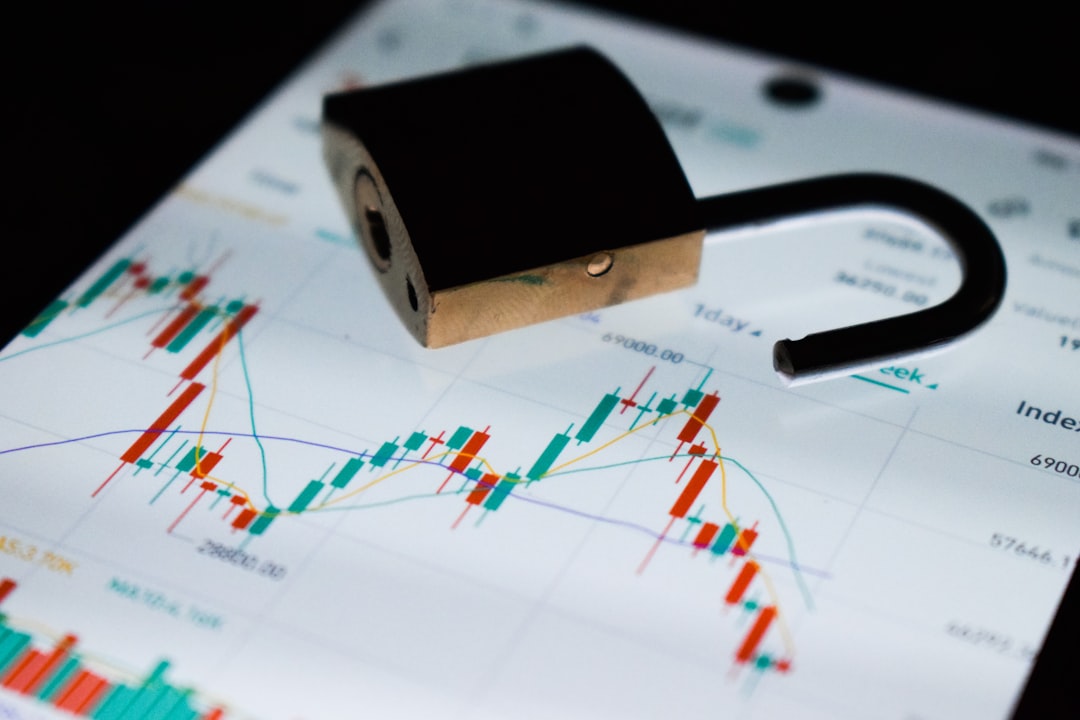
    DeFi의 건강도를 보는 가장 기본 지표는 TVL(Total Value Locked, 총 예치 자산)이다. 2022년 최고점 약 1,800억 달러에서 바닥인 370억 달러까지 쪼그라들었던 TVL이, 2026년 4월 현재 기준으로 약 1,050억~1,100억 달러 수준까지 회복됐다. 숫자만 보면 ‘절반 회복’이지만, 여기서 냉소적 전략가 모드로 짚고 넘어가야 할 게 있다.

    ETH 가격이 올라서 TVL이 올라 보이는 착시 효과가 상당 부분 반영돼 있다는 거다. 실제로 온체인 프로토콜 수 기준으로 보면 Ethereum 기반 DeFi는 전체 TVL의 약 58%를 차지하며 여전히 지배적이고, Solana가 약 9%로 빠르게 추격 중이다. Base(Coinbase L2)가 약 7%로 올라오면서 이더리움 생태계의 L2 확장이 TVL 회복의 숨은 공신이다.

    수익률 관점에서 보면? 2026년 1분기 기준 Aave v3의 USDC 공급 APY는 평균 4.2~6.8%, Compound v33.9~5.5% 수준. 2022년 루나 붕괴 전 20% 넘던 앵커 프로토콜 시절 생각하면 ‘시시하다’ 싶을 수 있는데, 오히려 이게 건강한 신호다. 지속 불가능한 폰지 APY가 사라지고 실수요 기반의 이자율이 형성된 거니까.
    DeFi TVL chart 2026, blockchain total value locked recovery

    2. NFT 거래량 수치 분석 — 바닥 다졌다는 증거는?

    NFT는 더 드라마틱하다. 2021년 월 최고 170억 달러를 찍었던 글로벌 NFT 거래량은 2023년엔 월 5억 달러 이하로 쪼그라들었다. 그리고 2026년 현재? 월 평균 18~25억 달러 수준이다. ‘회복’이라고 부를 수는 있지만 최고점 대비 여전히 85% 이상 감소한 상태다.

    그나마 희망적인 시그널은 거래 구조가 바뀌었다는 점이다. 투기성 PFP(프로필 사진) NFT 중심에서 실물 연계 RWA(Real World Asset) NFT, 게임 인게임 아이템, 음악·콘텐츠 저작권 NFT 쪽으로 거래 중심이 이동했다. Blur의 경우 프로 트레이더 중심 플랫폼으로 재편되며 2026년 1분기 기준 NFT 거래 플랫폼 시장점유율 약 41%를 유지 중이고, OpenSea는 대대적인 구조조정 이후 약 22%로 내려앉았다.

    컬렉션별로는 CryptoPunks, Bored Ape Yacht Club(BAYC)의 플로어 프라이스가 최고점 대비 각각 약 70%, 약 88% 빠진 상태다. ‘블루칩’도 예외가 없었다는 걸 명심해야 한다.

    3. DeFi vs CEX vs NFT 수익성 비교표

    감으로 투자하지 말고 숫자로 비교해라. 아래 표는 2026년 1분기 기준 주요 투자 수단별 특징을 정리한 거다.

    구분 대표 플랫폼/자산 예상 연 수익률 (APY/수익) 리스크 레벨 유동성 진입 난이도
    DeFi 스테이킹 Lido (stETH), Rocket Pool 3.5~4.8% 🟡 중 높음
    DeFi 유동성 공급 Uniswap v4, Curve 8~30% (비영구적손실 변수) 🔴 높음 중간 높음
    DeFi 렌딩 Aave v3, Compound v3 3.9~6.8% 🟡 중 높음
    CEX 코인 보유 BTC, ETH 연 -50~+200% (변동성) 🔴 높음 매우 높음 낮음
    NFT 트레이딩 Blur, OpenSea 예측 불가 (-90%~+500%) 🔴🔴 매우 높음 낮음 높음
    RWA NFT Ondo Finance, Centrifuge 4~9% 🟡 중 중간 높음

    ※ 위 수치는 2026년 1분기 시장 평균 기준이며, 개별 프로토콜 스마트컨트랙트 리스크, 해킹, 시장 변동성에 따라 크게 달라질 수 있음.

    4. 국내외 주요 플랫폼 동향 (Uniswap, Blur, OpenSea, 업비트)

    Uniswap v4는 2025년 말 메인넷 런칭 이후 2026년 1분기 기준 DEX 시장 점유율 약 35%를 기록 중이다. ‘훅(Hooks)’ 기능으로 맞춤형 유동성 풀 구성이 가능해지면서 기관 자금의 유입이 눈에 띄게 늘었다. 다만 복잡성이 올라간 만큼 일반 개인 투자자가 최적화된 수익을 내기는 더 어려워졌다는 점은 솔직히 말해야겠다.

    Blur는 NFT 프로 트레이더들의 블룸버그 터미널처럼 자리잡았다. 실시간 플로어 스위프, 지정가 대량 매수/매도 기능 덕분에 ‘바닥부터 긁어 올리기’를 노리는 트레이더들이 집결했다. 단, 이 게임은 정보력과 속도 싸움이라 개인이 고래를 이기긴 구조적으로 불리하다.

    국내 시장의 경우 업비트, 빗썸 기준으로 DeFi 관련 레이어2 토큰(ARB, OP, BASE 연관 토큰 등)의 거래량이 2026년 1분기 기준 전년 동기 대비 약 40% 증가했다. NFT는 국내 독자 마켓플레이스들이 대부분 2024~2025년 사이에 사업 축소 또는 철수를 했고, 글로벌 플랫폼으로 거래가 집중되는 양상이다. 카카오의 클레이튼 기반 NFT 생태계는 여전히 명맥을 유지하고 있지만 거래량은 미미한 수준이다.
    NFT marketplace trading volume 2026, Uniswap DEX liquidity pool

    5. 절대로 하지 말아야 할 실수 체크리스트 ☠️

    이걸 모르고 들어가면 4천만 원 날린 내 지인 꼴 난다.

    • 감사받지 않은 스마트컨트랙트에 유동성 공급하기 — CertiK, Trail of Bits 등 감사 리포트 없는 프로토콜은 존재 자체를 의심해라. 연 200% APY 제시? 도망쳐라.
    • NFT ‘바닥이다’ 감으로 진입 — 플로어 프라이스 하락률과 일 거래량 동시 확인 필수. 거래량 없이 플로어만 있는 건 유동성 함정이다.
    • 레버리지 DeFi 포지션 방치 — Aave, Compound 기반 레버리지는 청산 가격 알림 설정 안 하면 잠든 사이에 전액 날린다.
    • 시드머니 전부를 DeFi 한 프로토콜에 집중 — 아무리 TVL이 높아도 스마트컨트랙트 해킹은 연 평균 수십 건 발생한다. 분산이 기본이다.
    • Discord 서버 DM으로 오는 ‘화이트리스트 초대’ 클릭 — 100% 피싱이다. 예외 없다.
    • 세금 신고 무시 — 2026년 기준 한국은 가상자산 양도소득세 과세 체계가 적용 중이다. 수익 날 때 세금 안 챙기면 나중에 더 큰 손해다.
    • 지갑 시드 문구 디지털 저장 — 클라우드 드라이브, 카톡 저장소, 이메일 어디에도 절대 저장 금지. 오프라인 종이에 적어라.

    FAQ ❓

    Q1. DeFi 수익률이 은행 예금보다 낮아 보이는데, 굳이 할 이유가 있나요?

    솔직히 말하면, 단순 스테이블코인 렌딩만 따지면 은행 예금 대비 압도적 우위는 없다. DeFi의 진짜 장점은 무허가 접근성(전 세계 누구나, 24시간)복합 전략 구사 가능성이다. 스테이킹 수익 + 유동성 공급 수익 + 거버넌스 토큰 보상을 레이어링하면 단순 APY 비교를 넘어선 수익 구조를 만들 수 있다. 단, 이 복잡성이 리스크이기도 하다.

    Q2. NFT 시장 완전히 죽은 거 아닌가요? 2026년에도 기회가 있나요?

    PFP 투기 시장은 사실상 리셋됐다고 봐도 무방하다. 하지만 RWA 연계 NFT(부동산 토큰화, 채권 NFT), 게임 내 아이템 NFT(실제 플레이어 수요 기반), 음악/영상 저작권 NFT 쪽은 실수요 기반으로 조금씩 시장이 형성되고 있다. 투기보다 ‘기술로서의 NFT’ 관점으로 접근하면 기회는 있다. 다만 규모는 2021년과 비교 불가하다.

    Q3. DeFi 처음 시작하는데 어떤 프로토콜부터 써보는 게 좋을까요?

    입문자라면 Lido Finance에서 ETH 스테이킹(stETH)부터 시작해라. 스마트컨트랙트 복잡도가 낮고, 감사 이력이 두텁고, 유동성이 높아서 진입·탈출이 자유롭다. APY 3~5% 수준이지만 ‘잃지 않는 연습’을 먼저 해야 한다. 유동성 공급, 레버리지 렌딩은 그 다음 단계다. 순서를 건너뛰지 마라.


    결론 — 한 줄 평 및 에디터 코멘트

    2026년 DeFi·NFT 시장을 한 마디로 요약하면: “사망 선고는 틀렸고, 부활 선고도 아직 이르다.” TVL 회복, 구조 개선, 실수요 기반 NFT 시장 형성은 분명 긍정적 신호지만, 고점 대비 여전히 먼 거리, 규제 불확실성, 스마트컨트랙트 리스크는 현재 진행형이다. 묻지마 진입보다는 포트폴리오의 5~10% 수준에서 충분히 이해한 프로토콜만 다루는 전략이 가장 현실적이다.

    에디터 코멘트 : 4천만 원 날린 그 지인한테 이 글 링크 보내줬다. 다시 들어가고 싶으면 들어가되, 이번엔 ‘이해하고 들어가라’고 했다. DeFi든 NFT든, 이해 못 한 채 넣은 돈은 수업료일 뿐이다. 그리고 그 수업료는 언제나 비싸다.


    📚 관련된 다른 글도 읽어 보세요

    태그: DeFi시장현황, NFT거래량분석, 가상자산투자2026, DeFi수익률, TVL분석, NFT시장전망, 블록체인투자전략
  • NFT Market Trends & Future Outlook in 2026: Where Are We Now, and Where Are We Headed?


    A few months back, a friend of mine — a digital artist who’d been quietly minting NFTs since 2021 — called me up sounding equal parts confused and cautiously optimistic. “The floor prices tanked, my Twitter feed went quiet, and then suddenly last month I sold a piece for more than I ever did during the 2021 bull run. What’s even happening?” Honestly? That question stuck with me. It pushed me to dig deep into where the NFT market actually stands in 2026, strip away the hype and the doom-and-gloom narratives, and look at the real data. So let’s think through this together.

    NFT digital art marketplace 2026, blockchain token trading

    📊 The 2026 NFT Market by the Numbers: Not Dead, Just Evolved

    Let’s be honest — the post-2022 NFT crash was brutal. Trading volume on platforms like OpenSea dropped over 97% from peak levels. A lot of people called it dead and moved on. But here’s what the data actually shows heading into 2026:

    • Global NFT market cap in Q1 2026: Approximately $18.7 billion — down from the $41B peak in 2021, but up nearly 34% year-over-year from Q1 2025, signaling a steady recovery phase.
    • Monthly active NFT wallets: Roughly 4.2 million globally as of March 2026, with the growth concentrated in utility-driven segments rather than speculative JPEG trading.
    • Dominant blockchain shift: Ethereum still holds ~45% of NFT transaction volume, but Solana (18%), Base (14%), and newer Layer-2 networks are taking significant market share due to near-zero gas fees.
    • Sector breakdown: Gaming NFTs (31%), Digital Art (22%), Music & Entertainment (17%), Real-World Asset (RWA) tokenization (16%), and Sports Collectibles (14%).
    • Average transaction value: Down from the speculative highs, but mid-tier NFTs in the $200–$2,000 range are seeing the most consistent volume.

    What this tells us is critical: the market didn’t die. It matured. The speculative froth burned off, and what’s left is a leaner, more utility-focused ecosystem. Think less “I’m flipping a JPEG for 100x” and more “this NFT is my membership pass, my in-game item, or my fractional share of a real estate asset.”

    🔍 The Shift That Changed Everything: Utility Over Speculation

    The single biggest trend reshaping the NFT landscape in 2026 is the pivot from pure collectibles to functional NFTs. The 2021 wave was essentially a speculative bubble wrapped around digital art. What’s emerging now is fundamentally different — and arguably more sustainable.

    Real-World Asset (RWA) Tokenization has been the biggest headline-grabber. Projects like Ondo Finance and Centrifuge have been tokenizing everything from U.S. Treasury bonds to private credit, and NFTs are increasingly being used as the ownership certificates for these assets. When your NFT represents a legal claim on a physical or financial asset, it stops being a meme and starts being infrastructure.

    Gaming NFTs have also quietly become one of the most active sectors. Games like Illuvium, Big Time, and Shrapnel — all featuring player-owned NFT assets — have demonstrated that when NFTs have genuine in-game utility, players actually want them. The key difference from the Play-to-Earn disasters of 2021–2022? These games are built to be fun first, with NFTs as an enhancement rather than the entire economic premise.

    🌐 Global Case Studies: Who’s Getting It Right in 2026?

    Let’s look at some concrete real-world examples that illustrate where the successful NFT use cases are emerging:

    • Nike’s .SWOOSH Platform (Ongoing Evolution): Nike has continued expanding its Web3 division, with .SWOOSH NFTs now functioning as co-creation licenses — holders can earn royalties when their submitted designs are used in physical products. As of early 2026, over 800,000 .SWOOSH items have been distributed, tying digital ownership to real brand participation. (swoosh.nike)
    • South Korea’s HYBE & K-pop NFTs: HYBE (the entertainment company behind BTS) has been strategically using NFTs as “phygital” fan membership tools — not pure speculation plays. Their Weverse NFT system links fan ownership to exclusive concert access, limited physical merchandise drops, and artist interaction events. Domestic Korean platforms like Kakao’s Klaytn-based NFT marketplaces have shown particular resilience.
    • Real Estate Tokenization in Dubai: The Dubai Land Department partnered with multiple blockchain platforms to pilot property title deed tokenization in 2025, and by early 2026 this has expanded. Fractional NFT ownership of real estate is allowing retail investors access to Dubai’s property market with as little as $500 entry points.
    • Art Blocks & Generative Art Ecosystem: The generative art segment, anchored by platforms like Art Blocks, has maintained cultural credibility through curation and artist reputation. Top-tier generative art pieces have continued to appreciate, proving that scarcity + artist provenance still works when execution is quality-first.
    NFT utility gaming blockchain real world assets tokenization

    🚧 The Real Risks Nobody’s Talking About Enough

    Look, I’d be doing you a disservice if I painted only the rosy picture. The NFT space in 2026 carries real, persistent risks that any serious participant needs to keep front of mind:

    • Liquidity fragmentation: With dozens of chains and marketplaces, NFT liquidity is increasingly siloed. An NFT on one chain may have zero buyers on another, and cross-chain bridges still carry smart contract risk.
    • Regulatory uncertainty: The SEC and equivalent global regulators are still wrestling with whether certain NFTs constitute securities. Projects offering royalty-sharing or profit participation are under particular scrutiny in 2026.
    • Wash trading persistence: Studies by Chainalysis and Nansen have consistently shown 30–50% of reported NFT volume on some platforms involves wash trading — artificial inflation that distorts market signals.
    • Project abandonment risk: The majority of NFT collections launched between 2021–2023 are now dormant. Buyers of new projects face the same “rug pull” or gradual abandonment risks unless underlying utility is genuinely locked in.
    • Cultural fatigue: Mainstream adoption remains slow. Outside of crypto-native communities, convincing average consumers to interact with wallets, manage private keys, and navigate gas fees is still a significant barrier.

    🔮 Where Is This Actually Heading? 2026–2028 Outlook

    Based on current trajectory and conversations with builders in the space, here’s how I’m framing the next 2–3 years:

    1. The “invisible NFT” will become normal. The future isn’t people bragging about their PFPs — it’s NFTs working silently in the background as ownership certificates, access tokens, and loyalty credentials. Starbucks Odyssey (before its wind-down) showed us the direction even if execution stumbled. Future implementations will be smoother and won’t require users to know they’re “using NFTs.”

    2. AI + NFTs will create new creative economies. AI-generated art tied to on-chain provenance is becoming a serious category. Platforms like Manifold are enabling artists to mint AI-assisted works with verified human authorship components on-chain, creating an interesting hybrid that the market is still figuring out how to price.

    3. RWA tokenization will be the billion-dollar category. This isn’t speculative — major institutions including BlackRock and Franklin Templeton are already tokenizing funds on-chain. NFTs as unique ownership certificates for real-world assets (real estate, art, luxury goods, carbon credits) could represent the largest addressable market in the space’s history.

    4. Standards will consolidate. The wild west of competing token standards (ERC-721, ERC-1155, and the newer ERC-6551 “token-bound accounts” that let NFTs own other assets) will likely see market forces choose winners. ERC-6551, in particular, has serious implications for gaming and identity applications.

    🧭 Practical Takeaways for 2026

    • If you’re considering NFT investments, prioritize utility and underlying asset value over art/hype metrics.
    • For creators, community and real-world connection matter more than technical novelty right now.
    • Don’t overlook Layer-2 Ethereum and Solana ecosystems — that’s where the active builder and buyer communities are most engaged in 2026.
    • For institutional exposure, RWA tokenization projects with regulatory clarity represent the most defensible long-term bet.
    • Always verify on-chain royalty enforcement mechanisms before buying into a creator ecosystem — not all platforms honor creator royalties anymore.

    My friend the digital artist, by the way, ended up minting her latest collection as a limited series of 50 pieces — each NFT granting holders annual access to her private workshop plus a physical print. She sold out in 48 hours. That’s not the 2021 playbook. That’s the 2026 playbook.

    The NFT market is not what it was, and honestly, that’s a good thing. What’s emerging is messier, slower, and less exciting than 10,000 ETH monkey sales — but it’s also a lot more real.

    Editor’s Comment : If you’re sitting on the fence about whether to engage with NFTs in 2026, consider this: the question has shifted from “will this JPG go up in value?” to “does this token represent something genuinely useful or scarce?” Apply that filter, and the space becomes dramatically easier to navigate. Don’t chase hype — chase utility, and you’ll find the signal in the noise.


    📚 관련된 다른 글도 읽어 보세요

    태그: NFT market trends 2026, NFT future outlook, NFT utility tokens, real world asset tokenization, blockchain gaming NFTs, NFT investment strategy, Web3 digital ownership

  • 2026년 NFT 시장 동향 및 미래 전망 – 거품 이후, 진짜 가치는 어디에 있을까?

    2026년 NFT 시장 동향 및 미래 전망 – 거품 이후, 진짜 가치는 어디에 있을까?

    얼마 전 지인이 조심스럽게 물어왔어요. “NFT, 완전히 끝난 거 아니야?” 2021~2022년 광풍이 불던 시절에 꽤 큰돈을 넣었다가 쓴맛을 봤다고 하더라고요. BAYC(Bored Ape Yacht Club) 계열 NFT를 수천만 원에 매입했다가 지금은 거의 휴지 조각이 됐다며 씁쓸해했습니다. 그 이야기를 들으면서, 저도 한 번 제대로 정리해보고 싶다는 생각이 들었어요. “NFT가 죽었다”는 말과 “NFT가 진화하고 있다”는 말이 동시에 들리는 지금, 도대체 어느 쪽이 맞는 건지 데이터와 사례를 통해 같이 살펴보면 좋겠다고 봅니다.

    NFT market trends 2026, digital asset blockchain

    📉 NFT 시장, 현재 수치로 보면 어떤 상황일까?

    2022년 초 월간 NFT 거래량은 약 170억 달러(한화 약 23조 원)에 달했습니다. 그런데 2026년 1분기 기준으로는 월평균 거래량이 약 8억~12억 달러 수준으로 줄어들었다고 볼 수 있어요. 수치만 보면 확실히 ‘붕괴’ 수준이라 해도 과언이 아닌 것 같습니다. 하지만 여기서 중요한 포인트가 있어요.

    단순한 거래량 감소를 ‘시장 소멸’로 해석하는 건 좀 섣부른 판단인 것 같습니다. 오히려 투기성 자금이 빠지고, 실제 유틸리티(utility) 기반의 NFT 프로젝트들만 살아남고 있는 ‘자정 작용’으로 보는 시각도 분명히 존재하거든요. DappRadar의 2026년 1분기 보고서에 따르면, 전체 거래 건수 중 게임·엔터테인먼트 분야 NFT 비중이 약 61%로 급증했습니다. 2022년 당시 PFP(Profile Picture) 위주였던 구조와는 완전히 달라진 셈이에요.

    🔍 거품 이후 살아남은 것들: 어떤 NFT가 버텼나?

    시장이 냉각된 이후에도 꾸준히 거래되고 있는 카테고리들을 보면 일정한 패턴이 보입니다. 이걸 그냥 지나치면 앞으로의 흐름을 놓칠 수 있다고 봐요.

    • 게임 내 자산(In-Game Asset) NFT: Immutable X, Ronin 네트워크 기반 게임들이 2026년에도 활발하게 거래 중. 소유권의 실질적 이전이 가능하다는 점에서 유저 충성도가 높습니다.
    • 음악 저작권 NFT: Royal.io, Sound.xyz 같은 플랫폼에서 아티스트가 팬에게 직접 로열티 지분을 NFT로 판매하는 모델이 안착되는 중이에요.
    • 티켓·멤버십 NFT: 이벤트 입장권이나 커뮤니티 멤버십을 NFT로 발행하는 사례가 늘고 있어요. 스텁허브(StubHub) 같은 플랫폼도 NFT 티켓 시스템을 일부 도입했습니다.
    • RWA(Real World Asset) 연계 NFT: 부동산, 미술품, 채권 등 실물 자산을 토큰화한 NFT. 2026년 가장 뜨거운 화두 중 하나라고 봅니다.
    • AI 생성 콘텐츠 NFT: AI로 생성된 이미지·음악·영상에 소유권을 부여하는 새로운 형태. 법적 논쟁은 있지만 시장은 움직이고 있어요.

    🌐 국내외 주요 사례: 이미 달라진 NFT 생태계

    해외 사례부터 보면, 나이키(Nike)의 .SWOOSH 플랫폼이 꾸준히 디지털 운동화 NFT를 발행하며 실물 제품과의 연동을 강화하고 있어요. 단순한 JPG 소유가 아니라 실제 한정판 스니커즈 수령 권리와 연계되는 방식이에요. 이른바 ‘피지털(Phygital, Physical + Digital)’ 모델인데, 이게 NFT의 진짜 생존 전략 중 하나인 것 같습니다.

    국내에서는 카카오의 클레이튼(Klaytn) 생태계가 재편을 거치며 핀시아(Finschia)와의 합병 이후 NFT 인프라를 정비하고 있어요. 또 엔씨소프트, 넷마블 등 게임사들이 Web3 게임 NFT를 꾸준히 실험 중이고요. 완전한 성공이라고 하기는 어렵지만, 포기하지 않고 모델을 다듬고 있다는 점은 주목할 만하다고 봐요.

    OpenSea는 2025년 말 구조조정을 단행하며 수수료 정책을 개편했고, 경쟁자인 Blur와 Magic Eden이 멀티체인 전략으로 점유율을 키우고 있는 것도 흥미로운 지점입니다. 시장은 줄었지만 경쟁은 더 치열해진 아이러니한 상황이에요.

    NFT utility gaming music RWA blockchain ecosystem

    ⚠️ 리스크 관리 관점에서 반드시 알아야 할 것들

    NFT에 다시 관심을 갖거나 처음 진입을 고려하는 분들께 솔직하게 말씀드리고 싶어요. 아직도 시장에는 분명한 리스크가 공존합니다.

    • 유동성 리스크: 원하는 가격에 팔리지 않을 수 있어요. 거래량이 줄면서 특정 NFT는 매수자 자체가 없는 경우도 많습니다.
    • 프로젝트 러그풀(Rug Pull): 개발팀이 자금을 모은 뒤 잠적하는 사기 행태는 2026년에도 여전히 발생하고 있어요. 프로젝트 팀의 신원 확인과 로드맵 이행 여부 검토는 필수입니다.
    • 규제 불확실성: 국내 금융당국은 아직 NFT를 금융상품으로 명확히 분류하지 않은 상태예요. 법적 지위 변화에 따른 리스크가 언제든 현실화될 수 있습니다.
    • 기술 의존성: NFT가 저장된 블록체인이나 메타데이터 서버가 사라지면 NFT 자체도 사실상 소멸합니다. 탈중앙 스토리지(IPFS 등) 사용 여부를 반드시 확인하세요.

    🔮 2026년 이후, NFT의 미래는 어디로?

    냉정하게 보면 “NFT = 디지털 아트 투기판”이라는 공식은 이제 끝났다고 봐요. 그 자리를 채우는 건 ‘실제로 쓸 수 있는 NFT’입니다. 소유권 증명 도구로서의 NFT, 멤버십 키로서의 NFT, 실물 자산의 분할 소유 수단으로서의 NFT. 이 방향이 앞으로의 주류가 될 가능성이 높다고 생각해요.

    특히 RWA(Real World Asset) 토큰화 시장은 2026년 기준 약 150억 달러 규모로 성장했으며, BlackRock, Franklin Templeton 같은 전통 금융 기관들이 적극적으로 진입하고 있어요. NFT가 ‘그림 파일’이 아니라 ‘금융 인프라’의 일부로 재정의되고 있는 흐름인 것 같습니다.

    AI와의 결합도 무시할 수 없어요. AI가 생성한 콘텐츠에 대한 소유권·저작권 논쟁이 정리되는 시점에서, NFT는 그 소유권을 증명하는 표준 도구가 될 수도 있습니다. 아직은 불확실하지만, 방향성 자체는 충분히 흥미롭다고 봐요.

    ✅ 현실적인 접근 제안

    NFT 시장에 다시 발을 들이거나 계속 지켜보고 싶은 분들을 위해 현실적인 제안을 드려보면:

    • 투자 목적이라면 PFP보다는 유틸리티 기반 NFT(멤버십, 게임 아이템, RWA 연계 상품)에 집중하는 게 낫다고 봅니다.
    • 소액 분산이 기본이에요. 전체 자산의 5% 이내로 NFT 관련 노출을 제한하는 것을 권장합니다.
    • 프로젝트 참여 전에 스마트 컨트랙트 감사(Audit) 여부를 반드시 확인하세요. CertiK, OpenZeppelin 같은 감사 기관의 보고서가 있는지 체크하면 좋아요.
    • 단기 시세 차익보다는 커뮤니티와 생태계 자체에 가치를 두는 프로젝트를 고르는 게 장기적으로 낫습니다.

    에디터 코멘트 : NFT가 죽었냐 살았냐의 이분법보다는, “어떤 NFT가 살아남고 있는가”를 보는 게 더 유익한 시각인 것 같아요. 거품이 걷힌 자리에 남은 것들이 오히려 진짜인 경우가 많거든요. 2026년의 NFT 시장은 화려하진 않지만, 이전보다 훨씬 ‘어른스러워진’ 느낌이에요. 섣불리 뛰어들 필요도, 완전히 등 돌릴 필요도 없습니다. 차분하게 흐름을 읽으면서 본인만의 기준을 세우는 게 가장 현명한 접근이라고 봐요.


    📚 관련된 다른 글도 읽어 보세요

    태그: []

  • 2026 Crypto, DeFi & NFT Market Trends: A Data-Driven Deep Dive Into What’s Actually Moving the Needle


    A friend of mine — a former Wall Street quant turned DeFi yield farmer — called me last month slightly panicked. He’d just watched his liquidity pool position on a mid-tier protocol swing 34% in 48 hours, and he wasn’t sure if he was witnessing a genuine market rotation or just another round of sophisticated manipulation. “I’ve modeled equity derivatives for 15 years,” he said, “and I still can’t tell if DeFi is efficient or just chaotic.” That conversation stuck with me, because honestly? Both things are true simultaneously — and that’s exactly what makes the 2026 crypto, DeFi, and NFT landscape so fascinating and so dangerous.

    Let’s dig into what the data is actually telling us, strip away the hype, and figure out where the real structural shifts are happening.

    DeFi blockchain crypto market dashboard 2026, decentralized finance data visualization

    📊 The Macro Picture: Where Crypto Stands in Q1–Q2 2026

    After the turbulent re-pricing cycles of 2023–2024, the crypto market has entered what analysts are calling a “structural maturation phase.” As of April 2026, total crypto market capitalization hovers around $4.2 trillion, roughly 2.3x its level at the start of 2024. Bitcoin dominance has stabilized between 48–52%, which is significant — it suggests institutional portfolios are no longer purely BTC-denominated but haven’t fully rotated into altcoins either.

    Ethereum remains the backbone of DeFi activity, but its share of total DeFi TVL (Total Value Locked) has slipped to approximately 54% from a high of ~68% in early 2023. Layer 2 networks — particularly Arbitrum, Base, and zkSync Era — have collectively absorbed nearly $28 billion in TVL, a trend that reflects real user behavior, not just airdrop farming.

    🔗 DeFi in 2026: Maturity, Consolidation, and Real Yield

    The DeFi narrative has fundamentally shifted. We’re no longer in the “print infinite APY from protocol emissions” era. The 2026 DeFi market is defined by three forces:

    • Real Yield Protocols: Platforms like GMX v3, Pendle Finance, and Ethena are generating sustainable returns backed by actual revenue — trading fees, interest rate spreads, and real-world asset (RWA) yields — rather than token inflation.
    • RWA (Real-World Asset) Integration: BlackRock’s tokenized Treasury fund (BUIDL), Franklin Templeton’s on-chain money market, and MakerDAO’s $2.4B RWA collateral base have brought institutional-grade assets on-chain. This isn’t a pilot anymore — it’s a $12B+ sector.
    • Cross-Chain Liquidity Wars: With LayerZero V2 and Chainlink CCIP now battle-tested, liquidity fragmentation is being actively addressed. Protocols are competing fiercely for “sticky” capital that doesn’t just hop chains for farming incentives.

    The critical risk management insight here: TVL alone is no longer a reliable quality metric. You need to look at revenue-to-TVL ratios. A protocol with $500M TVL generating $2M/month in fees is fundamentally healthier than one with $2B TVL generating $500K/month.

    🎨 NFT Market in 2026: Death, Rebirth, and Segmentation

    Let me be honest — the generalist NFT market is largely dead, and that’s actually healthy. The speculative free-for-all of 2021–2022 burned a lot of retail participants. What’s emerged in its place is far more interesting and structurally sound.

    According to data from DappRadar and NFTScan, monthly NFT trading volume in Q1 2026 averaged around $1.8 billion — down significantly from the $4–5B monthly peaks of 2022, but critically, the composition of that volume has changed:

    • Gaming & Interoperable Assets: NFTs tied to actual gameplay utility (e.g., Illuvium, Shrapnel, Parallel TCG) now account for ~31% of total volume.
    • Digital Identity & Credentials: Soulbound tokens and on-chain credentials (think ENS, Lens Protocol profiles, and university-issued digital diplomas via Blockcerts) are growing 40%+ YoY.
    • Music & Creator Royalties: Platforms like Sound.xyz and Catalog have established models where artists earn ongoing royalties from secondary sales — finally making the “creator economy” argument for NFTs actually work.
    • High-Value Fine Art: Blue-chip collections (CryptoPunks, Fidenza, XCOPY works) continue to hold value as verifiable digital provenance becomes a recognized concept in traditional auction houses like Sotheby’s and Christie’s.
    • Phygital (Physical + Digital) Luxury: Brands like LVMH (via Aura Blockchain Consortium) and Nike (via .SWOOSH) now routinely pair physical products with NFT authenticity certificates.
    NFT gaming digital assets blockchain marketplace 2026, tokenized real world assets crypto

    🔍 Case Studies Worth Paying Attention To

    Aave V4 (International): Aave’s fourth major iteration launched with cross-chain liquidity hubs and unified liquidity layers. By Q1 2026, it’s processing over $800M in daily borrowing volume, with a protocol revenue rate that makes it one of the few DeFi protocols with a credible path to self-sustaining operations without token subsidies. This is the model everyone else is chasing.

    Kakao’s Klaytn/Kaia Network (Korea-specific): South Korea remains one of the most crypto-active retail markets globally (per Chainalysis 2025 Geography of Cryptocurrency Report). The merged Kaia network — combining Klaytn and Finschia — has been aggressively courting Korean entertainment conglomerates for NFT-based fan engagement. HYBE’s integration with the Kaia ecosystem for BTS-adjacent digital collectibles is a fascinating case of mainstream IP meeting blockchain infrastructure.

    Uniswap V4 Hooks (Technical Deep Dive): For the more technically inclined, Uniswap V4’s “hooks” architecture — allowing custom logic to attach to pool lifecycle events — has spawned an entire secondary developer ecosystem. Over 200 hook contracts are now audited and live, enabling dynamic fee tiers, on-chain limit orders, and TWAP-based MEV protection. The composability here is genuinely new territory.

    ⚠️ Risk Vectors You Shouldn’t Ignore in 2026

    • Regulatory patchwork: MiCA is live in the EU, the US has passed a framework (albeit a contested one), but Asia remains fragmented. This creates arbitrage risk — and jurisdictional whiplash for projects operating globally.
    • Smart contract complexity creep: As protocols get more sophisticated (V4 hooks, intent-based architectures, restaking layers like EigenLayer), the attack surface expands. The industry lost over $600M to exploits in 2025 alone.
    • Liquidity illusion in NFTs: Floor prices can be manufactured. Always look at actual sales volume and unique buyer counts, not just floor price trends.
    • Restaking systemic risk: EigenLayer and similar restaking protocols concentrate validator risk. If a major AVS (Actively Validated Service) fails, the slashing cascades could be non-trivial.

    🧭 What a Risk-Conscious Position Actually Looks Like Right Now

    Here’s my honest take, coming from someone who’s watched multiple full cycles: the 2026 market rewards specificity and punishes generalism. Broad “crypto exposure” through an index approach is fine for passive allocation, but if you’re actively engaging with DeFi or NFTs, you need a thesis for each position.

    A reasonable framework might look like: 40–50% in base-layer assets (BTC, ETH) as foundational liquidity, 20–30% in revenue-generating DeFi protocols you can actually evaluate by reading audited financial dashboards on Token Terminal or DeFiLlama, 10–15% in selective NFT positions tied to genuine utility or verified cultural provenance, and keeping 15–20% in stablecoins or RWA-backed instruments for opportunistic deployment.

    Above all, size your positions relative to your ability to handle total loss. This market is still young enough that even the best-researched positions can go to zero via unexpected vectors — regulatory action, oracle failure, bridge exploit, or just plain market irrationality.

    Editor’s Comment : The 2026 crypto, DeFi, and NFT market isn’t the Wild West it was in 2021 — but it’s not a mature financial market either. It’s somewhere genuinely novel in between, and that’s both the opportunity and the hazard. The smartest positioning right now isn’t maximum aggression or complete avoidance — it’s selective participation with clearly defined risk parameters, a genuine understanding of what you own, and the discipline to not let a hot narrative override your original thesis. Stay curious, stay skeptical, and always read the audit reports.


    📚 관련된 다른 글도 읽어 보세요

    태그: DeFi market trends 2026, NFT market analysis, crypto market outlook, real world assets blockchain, DeFi TVL analysis, digital assets investment, Web3 market trends

  • 2026년 가상자산 DeFi·NFT 시장 동향 완전 분석 — 살아남은 프로젝트들의 공통점은 무엇인가

    얼마 전 오랜 지인이 연락을 해왔어요. 2022년 NFT 열풍 때 꽤 많은 금액을 쏟아부었다가 쓴맛을 봤던 친구인데, 요즘 다시 DeFi 쪽을 들여다보고 있다고 하더라고요. “이번엔 다를 것 같다”는 말을 들었을 때, 솔직히 처음엔 좀 걱정이 앞섰어요. 근데 대화를 이어가다 보니, 그 친구가 예전과는 달리 수익률보다 프로토콜 구조리스크 관리를 먼저 따지더라고요. 그게 꽤 인상적이었습니다. 그래서 오늘은 2026년 현재 시점에서 가상자산 DeFi와 NFT 시장이 어디쯤 와 있는지, 냉정하게 한번 짚어보려고 해요.

    마켓이 좋을 때는 누구나 천재가 되지만, 진짜 실력은 사이클이 꺾였다 다시 올라오는 구간에서 드러난다고 봅니다. 지금이 딱 그 시점인 것 같아요.

    DeFi blockchain market analysis, cryptocurrency NFT 2026

    📊 2026년 DeFi 시장, 숫자로 먼저 보자

    2026년 4월 기준, 글로벌 DeFi 시장의 TVL(Total Value Locked, 총 예치 자산)은 약 1,850억 달러 수준으로 추정되고 있어요. 2022년 말 붕괴 직전 약 1,800억 달러를 찍었다가 FTX 사태 이후 바닥을 쳤고, 이후 느리지만 꾸준히 회복세를 보여왔죠. 단순히 TVL 수치가 반등했다는 게 중요한 게 아니라, 구성 요소가 완전히 달라졌다는 게 핵심입니다.

    • 과거에는 단일 체인(이더리움) 집중도가 80% 이상이었지만, 현재는 이더리움 비중이 약 42% 수준으로 낮아졌어요.
    • Arbitrum, Base, Optimism 등 이더리움 L2 체인들이 합산 약 28%를 점유하며 무서운 속도로 성장 중.
    • Solana 기반 DeFi TVL은 2026년 들어 약 180억 달러를 돌파하며 독자적인 생태계를 구축 중.
    • BNB Chain, Avalanche는 상대적으로 점유율이 축소되는 추세.
    • RWA(Real World Asset) 토크나이제이션이 DeFi TVL의 새로운 성장 동력으로 부상 — 약 120억 달러 규모 추정.

    이 숫자들이 말해주는 건 뭘까요? DeFi가 단순 투기 수단에서 실제 금융 인프라로의 전환을 시도하고 있다는 신호라고 봅니다. 물론 아직 갈 길이 멀지만, 방향성 자체는 분명히 달라졌어요.

    🔍 살아남은 DeFi 프로토콜들의 공통점

    2022~2023년 크립토 윈터를 거치면서 수백 개의 DeFi 프로젝트가 조용히 사라졌어요. 그런데 Uniswap, Aave, Compound, Curve, MakerDAO(현 Sky) 같은 프로토콜들은 여전히 살아있고, 오히려 더 성숙해졌습니다. 왜일까요?

    • 감사(Audit) 투명성: 코드 감사 리포트를 정기적으로 공개하고, 버그 바운티 프로그램을 꾸준히 운영해온 프로젝트들이 신뢰를 유지했어요.
    • 수수료 기반 수익 모델: 인플레이션성 토큰 보상에만 의존하지 않고, 실제 프로토콜 사용 수수료로 지속 가능한 수익을 창출.
    • 거버넌스 분산화: 특정 고래 지갑이 DAO 의사결정을 독점하지 못하도록 시스템을 정비.
    • 리스크 파라미터 보수적 운영: 과도한 레버리지를 허용하지 않는 담보 비율 관리.

    Aave의 경우 2026년 현재 GHO 스테이블코인의 페그 안정성을 꽤 잘 유지하고 있고, Uniswap v4의 훅(Hook) 아키텍처 도입 이후 맞춤형 유동성 풀 설계가 가능해지면서 기관 유동성 공급자들의 참여가 늘어난 것으로 알려져 있어요. 이런 기술적 진화가 단순 서바이벌이 아닌 점진적 성장을 가능하게 한 것 같습니다.


    🖼️ NFT 시장: 거품은 꺼졌지만, 그 자리에 남은 것들

    2021~2022년의 NFT 광풍은 솔직히 말하면 상당 부분 투기적 거품이었어요. 당시 수십억 원에 거래되던 JPEG 파일들이 지금 얼마에 거래되는지 확인해보면 마음이 복잡해지죠. OpenSea의 월간 거래량은 최고점 대비 약 85~90% 감소한 상태이고, Blur 같은 후발주자들도 전성기만큼의 볼륨을 회복하지 못하고 있어요.

    그렇다면 NFT는 끝난 걸까요? 저는 그렇게 보지 않습니다. 오히려 유틸리티 기반 NFTIP 결합형 NFT로의 재편이 일어나고 있다고 봐요.

    NFT utility blockchain gaming digital ownership
    • 게임 아이템 NFT: Illuvium, Axie Infinity의 후속 프로젝트들, 그리고 기존 게임 회사들의 블록체인 통합 시도가 계속되고 있어요. 소유권 개념의 게임 내 자산이라는 가치는 여전히 유효합니다.
    • 음악·엔터테인먼트 NFT: Royal.io 같은 플랫폼에서 아티스트 로열티를 NFT 형태로 분할 소유하는 모델이 주목받고 있어요.
    • 티켓·멤버십 NFT: 콘서트 티켓, 브랜드 멤버십을 NFT로 발행해 2차 판매 수익을 아티스트/브랜드와 공유하는 구조.
    • RWA 결합 NFT: 부동산 지분이나 미술품 공동 소유를 NFT로 표현하는 시도 — 법적 프레임워크 정비가 가장 큰 관건.
    • 기업 공급망 NFT: 명품 브랜드의 진품 인증, 식품 이력 추적 등 B2B 영역에서의 활용.

    LVMH, Prada, Cartier가 공동으로 만든 Aura Blockchain Consortium이 2026년에도 꾸준히 확장하고 있다는 점은 NFT 기술 자체의 유효성을 보여주는 사례라고 생각해요. 투기 목적의 PFP(Profile Picture) NFT 시장은 위축됐지만, 기능적 토대는 오히려 더 단단해지는 중인 것 같습니다.


    ⚠️ 지금 시장에서 반드시 고려해야 할 리스크들

    좋은 이야기만 하면 균형이 안 맞죠. 현실적인 리스크도 함께 짚어봐야 할 것 같아요.

    • 규제 불확실성: 미국 SEC의 DeFi 프로토콜 규제 방향, 유럽 MiCA 시행 이후의 영향, 국내 가상자산이용자보호법 추가 개정 논의 등 규제 환경이 계속 변화하고 있어요.
    • 스마트컨트랙트 취약점: 2026년에도 플래시론 공격, 오라클 조작, 재진입 공격 등 해킹 사례는 꾸준히 발생하고 있습니다. 에코시스템 전체 해킹 피해액은 여전히 연간 수십억 달러 규모.
    • 유동성 집중 리스크: TVL이 늘어도 일부 대형 프로토콜에만 쏠리는 현상이 심화되면 신규 프로젝트의 생존이 더 어려워질 수 있어요.
    • 거시경제 변수: 글로벌 금리 정책, 달러 강세/약세 사이클이 위험자산으로서 크립토에 직접적 영향을 미칩니다.
    • MEV(최대 추출 가능 가치) 문제: 이더리움 생태계에서 MEV 봇들이 일반 사용자의 거래 슬리피지를 야기하는 구조적 문제는 아직 완전히 해결되지 않았어요.

    🧭 2026년 하반기를 바라보는 현실적인 시각

    비트코인 반감기 사이클 특성상 2026년 상반기까지는 비교적 긍정적인 분위기가 유지될 가능성이 있다고 봐요. 하지만 그게 DeFi와 NFT 시장 전체의 자동 상승을 보장하지는 않습니다. 오히려 옥석 가리기가 훨씬 더 중요해지는 국면인 것 같아요.

    개인적으로는 다음과 같은 접근이 합리적이라고 봅니다:

    • TVL 규모와 성장 추이, 프로토콜 수수료 수익(실질 매출 개념)을 먼저 확인할 것.
    • 감사 리포트와 버그 바운티 현황을 체크하고, 스마트컨트랙트 업그레이드 방식(Proxy 패턴 등)을 이해할 것.
    • NFT는 ‘아트 투자’보다 ‘유틸리티 기반 소유권’이라는 프레임으로 접근할 것.
    • 포트폴리오의 일정 비율 이내로만 익스포저를 유지하고, 레버리지는 신중하게.
    • DeFi 투자 시 해당 체인의 가스비 구조와 출금 시나리오를 미리 시뮬레이션해볼 것.

    DefiLlama, Token Terminal, Dune Analytics 같은 온체인 데이터 플랫폼들을 직접 활용해보는 것도 강력히 권장합니다. 숫자는 거짓말을 잘 안 하거든요.


    에디터 코멘트 : 2026년의 DeFi·NFT 시장은 \


    📚 관련된 다른 글도 읽어 보세요

    태그: []

  • Blockchain Regulation Laws in 2026: What’s Actually Changing Globally and at Home?

    Picture this: it’s early 2026, and a small fintech startup founder in Seoul is sitting across from her legal counsel, trying to figure out whether her new tokenized asset platform needs three different licenses — or just one. The answer? It depends on which country she’s targeting, and the rules changed again last quarter. This is the reality of the blockchain regulatory landscape right now, and honestly, it’s both exhilarating and exhausting.

    Let’s think through what’s actually happening with blockchain regulation in 2026 — domestically in South Korea and internationally — and what it realistically means for you, whether you’re an investor, a developer, or just someone trying to understand where this space is headed.

    blockchain regulation 2026 global law digital assets

    Why 2026 Is a Pivotal Year for Blockchain Regulation

    2026 isn’t just another year of incremental policy tweaks. We’re at a genuine inflection point. After years of reactive, patchwork legislation, major economies have moved toward comprehensive framework-based regulation — meaning regulators are no longer just chasing scandals (looking at you, FTX fallout era), but proactively building structured systems for digital assets.

    According to data from the Global Blockchain Business Council’s 2026 Q1 report, over 67 countries now have some form of active blockchain or digital asset legislation in place, up from 41 in 2023. That’s a 63% increase in just three years. The key shift? Regulators are distinguishing more precisely between:

    • Utility tokens — tokens that provide access to a product or service
    • Security tokens — tokens that represent ownership or investment interest
    • Payment tokens — cryptocurrencies used as a medium of exchange
    • Stablecoins — tokens pegged to fiat currencies or asset baskets
    • NFTs and RWA tokens — real-world asset tokenization, a booming 2026 category

    Each category is being treated differently, and that granularity is both a good thing (more clarity!) and a headache (more compliance layers).

    South Korea’s Domestic Regulatory Landscape in 2026

    South Korea has been on quite a journey. After the Virtual Asset User Protection Act came into full effect in 2024, 2026 has seen its sequel: the Digital Asset Basic Act (DABA), which was passed in late 2025 and is now being phased into enforcement. Think of DABA as South Korea’s answer to the EU’s MiCA regulation — a comprehensive, principle-based framework rather than a rule-by-rule patchwork.

    Here’s what DABA actually changes in practical terms:

    • Exchange licensing tiers: Exchanges must now obtain tiered licenses depending on trading volume and asset types. Tier 1 (under ₩500B monthly volume) has lighter requirements; Tier 3 is subject to near-banking-level oversight.
    • Stablecoin issuance rules: Korean-issued stablecoins require reserve audits and FSC (Financial Services Commission) approval — no more algorithmic stablecoins without explicit regulatory sign-off.
    • DeFi protocols: This is the gray zone. DABA includes a “significant influence” test — if a protocol has identifiable governance controllers, those entities may be treated as regulated entities.
    • NFT classification: High-value NFTs representing fractional ownership of real-world assets are now classified as securities in Korea, a landmark shift from the previous “wait and see” approach.

    The FSC has set an enforcement deadline of October 2026 for full compliance, which means the next six months are going to be very busy for Korean blockchain companies.

    International Regulatory Examples Worth Watching

    Let’s zoom out and look at what other major jurisdictions are doing, because the global picture is genuinely fascinating right now.

    European Union — MiCA 2.0 Discussions: The EU’s Markets in Crypto-Assets (MiCA) regulation, fully enforced since late 2024, is already showing its first stress cracks. In 2026, the European Parliament is actively debating MiCA 2.0 amendments to address DeFi, Layer 2 protocols, and cross-chain bridge accountability — areas the original MiCA frankly didn’t anticipate well enough.

    United States — The Clarity Act of 2025: After years of SEC vs. CFTC turf wars, the U.S. passed the Digital Asset Market Clarity Act in late 2025. In 2026, it’s in early enforcement mode. The key innovation? A “maturity test” for blockchains — if a network is sufficiently decentralized, its native token escapes SEC jurisdiction. Bitcoin and Ethereum passed. Most others are still in a queue for evaluation.

    Singapore — MAS’s Controlled Experimentation Model: The Monetary Authority of Singapore continues its “regulatory sandbox plus” approach. In 2026, Singapore launched the Project Guardian Phase 3, involving 14 global financial institutions tokenizing institutional-grade bond and fund products. It’s a live-fire test of real-world asset tokenization under controlled conditions — and frankly, it’s the most sophisticated regulatory experiment happening anywhere right now.

    UAE and Hong Kong: Both remain aggressive in courting blockchain businesses with favorable licensing frameworks. Hong Kong’s Type 7 and Type 9 VA licensing regime has attracted over 200 registered crypto firms as of Q1 2026, positioning it as Asia’s most crypto-friendly regulated hub.

    global cryptocurrency regulation map 2026 compliance

    What This Means for Everyday Users and Investors

    Okay, so all this policy talk is important — but what does it actually mean if you’re just trying to navigate the space?

    • More protection, higher barriers: Regulated exchanges are now required to carry insurance reserves and provide clearer fee disclosures. You’re safer, but there are fewer wild-west trading options.
    • KYC is non-negotiable: Virtually every regulated platform globally now requires full identity verification. If anonymity was a feature you valued, the decentralized DEX space is your realistic alternative — but with higher technical literacy required.
    • Tax compliance is tightening: South Korea, the EU, and the U.S. are all sharing transaction data under updated FATF (Financial Action Task Force) guidelines. Unreported crypto gains are increasingly detectable.
    • New opportunities in tokenized assets: Regulatory clarity around RWA (Real-World Asset) tokenization is actually opening doors — tokenized treasury bonds, real estate, and private equity funds are becoming accessible to retail investors in ways that simply weren’t possible before.

    Realistic Alternatives for Different Situations

    Not everyone is affected by these changes the same way, so let me offer some tailored takes:

    If you’re a developer or startup founder: Don’t wait for perfect regulatory clarity — it won’t come. Instead, build compliance-readiness into your architecture from day one. Tools like Chainalysis Compliance Suite and Elliptic Navigator have become essentially standard infrastructure in 2026. If you’re Korea-based, engaging with the FSC’s sandbox program can give you regulatory breathing room while you iterate.

    If you’re a retail investor: Stick with licensed, audited platforms. The slightly higher fees are worth the protection. Diversify across jurisdictions if you’re holding significant crypto assets — having accounts on both a Korean FSC-regulated exchange and a Singapore MAS-licensed platform gives you operational flexibility.

    If you’re a traditional finance professional: The tokenization wave is your entry point into blockchain without the volatility exposure. Watch the RWA sector closely — institutional asset managers in 2026 are treating blockchain rails as infrastructure, not speculation.

    The regulatory picture in 2026 is complex, yes. But complexity isn’t the same as chaos. There’s genuine structure emerging, and once you understand the architecture, it actually becomes a competitive advantage to navigate it well.

    Editor’s Comment : What strikes me most about the 2026 regulatory moment is that we’ve finally moved past the question of whether blockchain will be regulated, to the much more interesting question of how well it will be regulated. The jurisdictions getting it right — Singapore, the EU in principle, Korea with DABA — are the ones treating blockchain not as a threat to neutralize, but as infrastructure to safely scale. The ones still fighting it are simply exporting their talent and capital elsewhere. For readers in this space: understanding regulation isn’t just legal homework — it’s now a genuine investment skill.


    📚 관련된 다른 글도 읽어 보세요

    태그: [‘blockchain regulation 2026’, ‘digital asset law’, ‘crypto compliance’, ‘South Korea DABA’, ‘MiCA 2026’, ‘cryptocurrency legislation’, ‘real world asset tokenization’]

  • 블록체인 규제 법안 2026: 국내외 최신 동향과 우리가 준비해야 할 것들

    지난 달, 한 지인이 조용히 연락을 해왔어요. 스타트업에서 웹3 프로젝트를 맡고 있는 친구였는데, 표정이 굳어 있었습니다. “법안이 이렇게 빠르게 바뀌는데, 우리가 지금 개발하는 방향이 맞는 건지 모르겠어”라고 하더라고요. 사실 이 고민, 2026년 현재 블록체인 업계에 있는 분들이라면 누구나 한 번쯤 해봤을 거라 봅니다. 규제의 속도가 기술의 속도를 따라잡기 시작했고, 어떤 나라에서는 이미 앞질렀거든요. 오늘은 국내외 블록체인 규제 법안의 최신 흐름을 함께 살펴보고, 그 안에서 우리가 어떤 실마리를 찾을 수 있는지 고민해 보려고 합니다.

    blockchain regulation law 2026 global policy

    📊 숫자로 보는 2026년 블록체인 규제 현황

    글로벌 규제 추적 기관인 Chainalysis Policy Monitor와 각국 입법 데이터를 종합하면, 2026년 1분기 기준으로 전 세계 64개국이 가상자산 또는 블록체인 관련 법령을 시행 중이거나 입법 과정에 있다고 봅니다. 2023년만 해도 이 숫자가 39개국이었던 것과 비교하면 3년 새 약 64% 증가한 셈이에요.

    국내의 경우, 2025년 하반기에 통과된 「가상자산이용자보호법」 2차 개정안이 2026년 1월부터 본격 시행되면서, 거래소 및 토큰 발행사에 대한 공시 의무와 내부자 거래 금지 조항이 한층 강화됐습니다. 금융위원회에 따르면, 2026년 2월 기준 국내 등록 가상자산사업자(VASP) 수는 총 37개사이며, 이 중 규제 적합성 심사를 통과한 곳은 29개사(78%)에 그친다고 해요. 나머지 22%는 보완 요구 또는 재심사 대기 상태라는 점이 의미심장합니다.

    🌍 국내외 주요 사례: 각국의 선택은 어떻게 다를까요?

    🇪🇺 유럽연합 — MiCA 완전 시행의 후폭풍
    EU의 MiCA(Markets in Crypto-Assets Regulation)는 2024년 말부터 단계적으로 시행됐고, 2026년 현재 스테이블코인과 암호자산 서비스 제공자(CASP) 전반에 대한 규제가 완전히 발효된 상태입니다. 긍정적인 측면은, 라이선스를 획득한 사업자는 EU 27개 회원국 내에서 별도 등록 없이 서비스를 제공할 수 있는 ‘패스포팅(passporting)’ 제도가 작동한다는 점이에요. 반면, 소규모 DeFi 프로토콜이나 DAO 형태의 프로젝트는 규정 적용 범위 해석을 두고 여전히 법적 불확실성이 있다고 봅니다.

    🇺🇸 미국 — 분산된 규제 체계의 재편 시도
    미국은 2026년에도 여전히 SEC와 CFTC 간의 관할권 분쟁이 완전히 정리되지 않은 상태지만, 2025년 말 통과된 「디지털자산시장구조법(Digital Asset Market Structure Act)」이 일부 명확성을 제공하기 시작했어요. 특히 ‘충분히 탈중앙화된(sufficiently decentralized)’ 자산은 증권이 아닌 상품(commodity)으로 분류될 수 있는 기준이 법문에 포함됐다는 점이 업계에선 긍정적으로 평가되고 있습니다.

    🇸🇬 싱가포르 — 선제적 규제로 허브 지위 공고화
    싱가포르 MAS(통화청)는 2026년 들어 ‘목적 구속 자금(Purpose Bound Money)’ 개념을 법제화하며 디지털 결제 토큰과 스테이블코인 활용 범위를 확장했어요. 아시아 블록체인 스타트업들이 여전히 싱가포르를 선호하는 이유 중 하나가 바로 이 예측 가능한 규제 환경이라고 봅니다.

    cryptocurrency compliance fintech Asia Europe 2026

    🔍 2026년 국내 법안의 핵심 쟁점, 정리해 드릴게요

    • 토큰 증권(STO) 제도화 진전: 금융위가 추진 중인 토큰 증권 발행·유통 규정이 2026년 상반기 시행을 목표로 최종 정비 단계에 있어요. 기존 자본시장법 체계 안에서 블록체인 기반 증권이 공식적으로 거래될 수 있게 됩니다.
    • 가상자산 과세 시행: 수차례 미뤄졌던 가상자산 소득세(기본공제 250만 원, 세율 22%)가 2025년부터 본격 시행됐고, 2026년에는 첫 신고·납부 사이클이 마무리되며 실제 집행 사례들이 축적되고 있습니다.
    • VASP 대상 트래블룰(Travel Rule) 강화: 100만 원 이상 가상자산 이전 시 송신인·수신인 정보 전송 의무가 강화됐으며, 미이행 시 과태료 부과 기준도 상향됐어요.
    • DeFi·NFT 규제 포함 여부 논의: 현행법상 명확한 규율 대상이 아닌 DeFi 서비스와 NFT에 대해 금융위와 법무부가 공동 태스크포스를 운영 중이며, 2026년 하반기 중 가이드라인 발표가 예고돼 있습니다.
    • 스테이블코인 발행 요건 논의: 국내에서 스테이블코인을 발행하려면 어떤 준비가 필요한지에 대한 규정이 아직 미비한 상태라, 업계의 불확실성이 크다고 봅니다.

    💡 그래서 우리는 어떻게 준비해야 할까요?

    규제는 막아야 할 벽이 아니라, 게임의 룰이 명확해지는 과정이라고 생각해요. 오히려 규제가 명확할수록 기관 투자자와 대기업이 시장에 진입할 근거가 생기고, 장기적으로는 생태계 전체의 신뢰도가 높아지는 효과가 있거든요. 지금 블록체인 관련 사업을 하시는 분들이라면, 단순히 법률 전문가에게 컴플라이언스를 맡기는 것에서 나아가, 규제 동향을 사업 전략의 일부로 내재화하는 것이 중요하다고 봅니다.

    개인 투자자라면, 현재 거래하는 거래소가 VASP 등록 및 심사를 통과한 곳인지 확인하는 것부터 시작하는 게 현실적인 첫걸음일 것 같아요. 금융위 공시 시스템에서 누구나 확인할 수 있습니다.


    에디터 코멘트 : 블록체인 규제는 무섭고 복잡하게 느껴지지만, 사실 그 핵심은 단순해요. ‘누가 책임질 것인가’에 대한 사회적 합의를 법으로 만들어가는 과정이거든요. 2026년은 그 합의가 드디어 윤곽을 드러내는 해인 것 같습니다. 기술을 믿는 만큼, 그 기술이 작동하는 제도적 환경에도 관심을 기울이는 것이 결국 더 현명한 투자자, 더 탄탄한 사업자가 되는 길이라고 봅니다. 함께 계속 지켜봐요. 😊


    📚 관련된 다른 글도 읽어 보세요

    태그: [‘블록체인규제2026’, ‘가상자산법안’, ‘MiCA유럽규제’, ‘국내블록체인법’, ‘가상자산이용자보호법’, ‘VASP규제’, ‘디지털자산정책’]

  • Layer 2 Blockchain Ecosystems in 2026: Who’s Winning the Scalability War and What It Means for Your Crypto Portfolio

    Picture this: it’s late 2021, and you’re trying to swap tokens on Ethereum during a peak gas fee surge. You watch in disbelief as a $30 transaction costs you $200 in fees alone. Fast forward to April 2026, and that same transaction might cost you fractions of a cent — all thanks to the Layer 2 revolution that has quietly reshaped the entire virtual asset landscape. But here’s the thing: not all Layer 2 solutions are created equal, and the ecosystem has gotten surprisingly complex. Let’s dig into what’s actually happening, who’s pulling ahead, and what this means if you’re trying to navigate crypto intelligently right now.

    layer2 blockchain ecosystem network nodes 2026

    What Exactly Is a Layer 2, and Why Does It Matter in 2026?

    Before we go deep, let’s ground ourselves. A Layer 2 (L2) is a secondary framework built on top of a primary blockchain (Layer 1, like Ethereum or Bitcoin) that processes transactions off the main chain and then settles them back in batches. Think of it like a high-speed express lane that merges back onto the main highway only when necessary. The goal? Dramatically lower costs and higher throughput — without sacrificing the base layer’s security.

    In 2026, L2 solutions are no longer experimental. They’re load-bearing infrastructure for the global virtual asset economy. According to data from L2Beat and Dune Analytics compiled in Q1 2026, the combined Total Value Locked (TVL) across all major Ethereum L2s has surpassed $85 billion — a figure that was barely $10 billion in early 2023. That’s not just growth; that’s a structural shift.

    The Four Dominant Technology Families

    The L2 space has effectively consolidated around four key technical architectures, each with distinct trade-offs worth understanding:

    • Optimistic Rollups (e.g., Optimism/OP Stack, Arbitrum): These assume transactions are valid by default and only run computation if someone challenges a transaction. They’re battle-tested and developer-friendly, but carry a 7-day withdrawal delay back to L1 — a UX headache many projects are solving with liquidity bridges.
    • ZK-Rollups (e.g., zkSync Era, Polygon zkEVM, Starknet): These use zero-knowledge cryptographic proofs to validate transaction batches instantly. Faster finality, stronger privacy potential, but historically harder to build on. In 2026, zkEVM compatibility has matured significantly, closing the developer experience gap.
    • Validiums (e.g., Immutable X, StarkEx-based chains): Similar to ZK-Rollups but store data off-chain, trading some decentralization for massive throughput — popular in gaming and NFT platforms where cost is king.
    • Sovereign Rollups & Alt-DA Chains (e.g., Celestia-based ecosystems, Eclipse): The newest category in 2026, these decouple data availability from execution entirely. They represent the bleeding edge of modular blockchain design and are attracting serious developer attention.

    Who’s Actually Winning? A Data-Driven Look at Market Leaders

    Let’s be honest — the L2 market has its clear frontrunners as of Q1 2026:

    • Arbitrum One & Arbitrum Orbit: Still commanding roughly 38% of Ethereum L2 TVL. Its ecosystem — DeFi protocols like GMX, Camelot, and a thriving derivatives scene — gives it real, sticky usage. The Orbit framework, which lets teams launch their own L3 chains using Arbitrum as a base, has spawned over 60 active chains.
    • Base (by Coinbase): The quiet overachiever. Launched on the OP Stack, Base has leveraged Coinbase’s 100M+ user base to drive consumer crypto adoption in ways pure-crypto teams couldn’t replicate. Daily active addresses on Base regularly rival Arbitrum in 2026, particularly in social and payments use cases.
    • zkSync Era: The ZK camp’s strongest contender for general-purpose dApps. After its native token launch and elastic scaling upgrade in late 2025, it’s carved out a strong DeFi and payments niche, particularly in Europe and South Korea.
    • Starknet: A developer’s L2. Its Cairo language and STARK proof system offer unmatched scalability ceilings — it’s the preferred stack for on-chain gaming and AI-verifiable compute applications emerging in 2026.
    • Polygon’s AggLayer: Polygon’s ambitious cross-chain aggregation vision gained serious traction. By aggregating ZK proofs across multiple chains into a unified settlement layer, AggLayer positions itself less as a single L2 and more as infrastructure for an entire ecosystem of connected chains.
    crypto defi tvl chart arbitrum zkSync base 2026

    Real-World Ecosystem Examples: East Meets West

    What makes 2026 genuinely interesting is how geographically diverse the L2 adoption story has become.

    South Korea has emerged as an unexpected L2 powerhouse. Kakao’s Klaytn ecosystem pivoted to an L2-on-Ethereum architecture in late 2024, and by 2026, it’s processing millions of micro-transactions daily for entertainment, gaming, and CBDC pilots in partnership with the Bank of Korea’s digital won initiative. Meanwhile, Kakao and Line’s joint Web3 infrastructure plays are attracting Southeast Asian retail users in massive numbers.

    Japan updated its Virtual Asset Service Provider (VASP) framework in 2025 to explicitly accommodate L2-based settlement, which triggered a wave of institutional DeFi pilots. Sony’s Soneium chain — built on the OP Stack — quietly processed over $2 billion in entertainment IP licensing transactions in Q1 2026 alone, mostly invisible to Western crypto media.

    Europe has leaned into ZK-based L2s partly for regulatory reasons: the privacy features of ZK proofs can be tuned to selectively disclose data to regulators under MiCA (Markets in Crypto-Assets) compliance frameworks, making zkSync and Starknet particularly attractive for institutional players navigating GDPR overlaps.

    The United States, post-regulatory clarity achieved through 2025 congressional legislation, has seen Base and Arbitrum become dominant rails for tokenized real-world assets (RWAs) — think tokenized Treasury bills, real estate fractions, and payroll on-chain.

    The Challenges Nobody Talks About Enough

    Let’s not be naive about the friction points that still exist:

    • Liquidity fragmentation: With 150+ active L2 and L3 chains, liquidity is scattered across ecosystems. Bridges remain a security risk — over $400 million in bridge exploits occurred across the space in 2025 alone.
    • Sequencer centralization: Most top L2s still run a single, centralized sequencer (the entity that orders transactions). This is a meaningful decentralization gap that projects promise to fix but implementation is slow.
    • Developer attention fatigue: Teams building dApps face genuine decision paralysis — which L2 to deploy on first? Cross-chain deployment adds cost and complexity.
    • Token value capture ambiguity: Many L2 native tokens (OP, ARB, STRK) have struggled to establish clear value accrual mechanisms. Fee revenue often doesn’t flow back to token holders in ways that justify valuations, a conversation that’s increasingly urgent in 2026’s more sophisticated investor environment.

    Realistic Alternatives for Different Types of Participants

    Here’s where I want to get practical, because the right L2 strategy genuinely depends on who you are:

    If you’re a retail investor trying to participate in DeFi: Start with Base or Arbitrum. Both have deep liquidity, mature tooling, and are the most forgiving for beginners. The gas costs are negligible (often under $0.05), and the risk of being on a ghost chain is minimal.

    If you’re a developer building a consumer app: Seriously evaluate the OP Stack (Base, OP Mainnet) for its ecosystem support and Coinbase’s distribution advantages. If your app needs high-frequency micro-transactions (gaming, social), look at Starknet or an Immutable X Validium-style solution.

    If you’re an institution exploring tokenized assets: The regulated pathways on Arbitrum (through partnerships with players like Securitize and Ondo Finance) and the MiCA-compatible ZK stacks in Europe are your most defensible options in 2026.

    If you’re a researcher or ecosystem analyst: Watch the modular chains space — Celestia integrations, Avail DA, and EigenLayer’s restaking infrastructure are laying groundwork for L2 architectures we haven’t fully imagined yet. The next 18 months will likely see the emergence of application-specific rollups for AI inference verification, which could be genuinely transformative.

    The bottom line? Layer 2 isn’t a niche crypto-native experiment anymore — it’s becoming the default compute and settlement layer for digital value on the internet. The question isn’t whether to pay attention to this space. It’s which corner of it aligns with your goals, risk profile, and timeline.

    Editor’s Comment : What strikes me most about the L2 landscape in 2026 is that we’ve moved past the “which tech is best” debate into a much more nuanced “which ecosystem has real users doing real things” conversation. Arbitrum has DeFi power users; Base has everyday people paying for coffee with crypto in LA coffee shops; Starknet has on-chain game studios. None of them is the winner — they’re all winning different battles. As you think about how to engage with this space, I’d encourage you to resist the urge to pick one horse and ignore the rest. The interoperability layer is thickening, and in two years, moving value between these chains will likely feel as frictionless as switching browser tabs. Stay curious, stay diversified, and don’t let the complexity be an excuse to stay on the sidelines.


    📚 관련된 다른 글도 읽어 보세요

    태그: [‘Layer2 Blockchain 2026’, ‘Ethereum Scaling Solutions’, ‘ZK Rollups vs Optimistic Rollups’, ‘Crypto Ecosystem Analysis’, ‘DeFi Infrastructure’, ‘Virtual Asset Investment’, ‘Blockchain Technology Trends’]

  • 2026년 가상자산 레이어2 블록체인 생태계 완전 분석: 지금 주목해야 할 이유

    얼마 전 지인 한 명이 이런 말을 했어요. “이더리움 가스비가 너무 비싸서 NFT 하나 민팅하다가 그냥 포기했어.” 2021~2022년 이야기가 아닙니다. 그때의 기억이 아직도 생생한 분들이 많을 텐데, 사실 블록체인 업계는 그 사이 꽤 조용하고도 근본적인 변화를 거쳐왔어요. 바로 레이어2(Layer 2, L2) 기술이 메인스트림으로 자리 잡으면서 생태계 자체가 재편되고 있다는 점입니다. 2026년 현재 기준으로 레이어2 블록체인 생태계는 단순한 ‘가스비 절감 솔루션’을 넘어 독립된 경제 생태계로 성장하고 있다고 봐도 과언이 아닌 것 같습니다.

    오늘은 이 레이어2 생태계가 어떻게 구성되어 있고, 어떤 흐름 속에 있는지, 그리고 우리가 어떤 시각으로 바라봐야 할지 함께 살펴볼게요.

    layer2 blockchain ecosystem ethereum network diagram 2026

    📊 레이어2란 무엇인가? — 기술적 배경부터 짚고 가기

    레이어2는 기존 블록체인(레이어1, 예: 이더리움·비트코인)의 메인 체인 위에서 동작하는 별도의 실행 계층이라고 볼 수 있어요. 핵심 원리는 간단합니다. “무거운 연산은 바깥에서 처리하고, 최종 결과만 메인 체인에 기록한다.”

    대표적인 구현 방식은 크게 세 가지로 나뉩니다.

    • Optimistic Rollup: 트랜잭션이 일단 유효하다고 가정하고 처리. 이의 제기 기간(약 7일)이 존재. 대표 프로젝트: Optimism, Arbitrum
    • ZK Rollup (영지식 증명 롤업): 수학적 증명을 통해 즉시 유효성 검증. 빠른 출금 가능. 대표 프로젝트: zkSync Era, Starknet, Polygon zkEVM
    • Validium / Volition: 데이터 가용성을 오프체인으로 처리하여 비용을 극한으로 낮춤. 대표: Immutable X, StarkEx 기반 서비스

    2026년 현재, 업계의 큰 흐름은 ZK 기술로의 수렴이라고 봅니다. Optimistic Rollup 진영인 Arbitrum, Optimism조차 ZK 방식으로의 전환 또는 병행을 적극 검토 및 구현 중에 있어요.

    📈 수치로 보는 레이어2 생태계 규모 — 2026년 기준

    실제 데이터를 보면 레이어2의 성장이 얼마나 가파른지 실감할 수 있어요.

    • 총 TVL(Total Value Locked, 예치 자산 총액): 2026년 1분기 기준, 주요 이더리움 레이어2 전체의 TVL은 약 600억 달러(한화 약 84조 원) 수준으로 추정되며, 이는 2023년 말 대비 약 8~10배 성장한 수치입니다.
    • 일평균 트랜잭션 수: 이더리움 레이어1의 일평균 트랜잭션이 약 100만~130만 건인 반면, 주요 L2 전체 합산 기준으로는 이미 하루 1,000만 건 이상을 처리하고 있는 것으로 라고 봅니다.
    • 평균 가스비 비교: 이더리움 레이어1 기준 단순 전송 시 약 0.5~2달러 수준인 데 반해, Arbitrum이나 Optimism에서는 0.01~0.05달러 수준으로 대폭 낮아졌어요. ZK 롤업 계열은 이보다 더 낮은 경우도 있습니다.
    • 레이어2 체인 수: L2BEAT 기준, 2026년 초 현재 공식 집계된 이더리움 기반 L2 프로젝트만 60개 이상이며, 개발 중인 것까지 포함하면 100개를 훌쩍 넘는 상황입니다.

    🌍 국내외 주요 레이어2 생태계 사례

    ① Arbitrum — 여전히 TVL 1위 왕좌
    아비트럼은 2026년 현재까지도 TVL 기준 이더리움 L2 중 선두를 유지하고 있어요. Arbitrum One에 이어 Arbitrum Orbit 프레임워크를 통해 누구나 자신만의 L3 체인을 구축할 수 있도록 생태계를 확장한 전략이 주효했다고 봅니다. GMX, Camelot 같은 DeFi 프로토콜이 강세를 보이며 금융 생태계의 중심지로 자리매김했어요.

    ② zkSync Era — ZK 롤업의 대중화 선봉장
    Matter Labs가 개발한 zkSync Era는 EVM 호환성을 유지하면서 ZK 증명을 적용한 대표적인 사례예요. 2025년 말부터 ZK Nation 거버넌스 생태계가 본격 가동되었고, 특히 게이밍·소셜 dApp 분야에서 활발한 개발이 이루어지고 있습니다.

    ③ Starknet — 카이로 언어 기반의 독자 생태계
    스타크넷은 Solidity가 아닌 독자 언어 Cairo를 사용하기 때문에 진입 장벽이 있지만, 그만큼 ZK 증명 효율이 뛰어납니다. Braavos, Argent 같은 스마트 월렛과 함께 Account Abstraction을 선도하는 체인으로 평가받고 있어요.

    ④ 국내 사례 — 카카오 클립의 클레이튼과 L2 전략
    국내에서는 카카오의 클레이튼(Klaytn)이 핀시아(Finschia)와의 합병을 거쳐 카이아(Kaia) 체인으로 재출범하면서 독자적인 레이어 확장 전략을 펼치고 있어요. 국내 금융기관 및 엔터테인먼트 기업들과의 협력을 기반으로, 레이어2 개념을 응용한 서브 네트워크 구조를 실험 중인 것으로 알려져 있습니다.

    zkSync Arbitrum Optimism L2 comparison chart crypto 2026

    ⚠️ 레이어2 생태계의 주요 리스크와 과제

    장밋빛 전망만 있는 건 아닙니다. 함께 냉정하게 짚어볼 부분도 있어요.

    • 유동성 파편화(Liquidity Fragmentation): L2가 난립하면서 각 체인 간 유동성이 분산되어 있어요. 브릿지를 통한 자산 이동이 필요하고, 이 과정에서 해킹 리스크가 발생하기도 합니다.
    • 브릿지 보안 문제: 역사적으로 크로스체인 브릿지는 해킹의 단골 표적이었어요. 2022년 론친 브릿지 해킹(약 6억 달러), 노마드 브릿지 해킹 등이 대표적 사례입니다. 2026년에도 완전히 해소된 문제는 아닙니다.
    • 중앙화 우려: 많은 L2 프로젝트가 아직 시퀀서(트랜잭션 순서를 결정하는 노드)를 중앙화된 형태로 운영 중입니다. 탈중앙화 시퀀서 전환은 업계 공통 과제입니다.
    • 규제 불확실성: 각국 금융 규제 당국이 레이어2 기반 DeFi에 대한 규제 프레임워크를 정비 중이며, 2026년 현재도 완전히 확정된 국가는 많지 않은 상황이에요.

    🔭 2026년 레이어2 생태계, 앞으로의 방향은?

    현재 가장 주목받는 개념은 ‘슈퍼체인(Superchain)’‘레이어3(L3)’입니다. Optimism의 OP Stack 기반으로 구축된 Base(코인베이스 운영), Mode, Zora 등이 슈퍼체인 생태계를 형성하고 있고, 이를 통해 L2끼리 서로 네이티브하게 통신하고 유동성을 공유하는 구조로 발전하고 있어요.

    또한 이더리움의 DankshardingEIP-4844(Proto-Danksharding) 업그레이드가 이미 적용된 상태에서, L2의 데이터 저장 비용이 추가로 낮아진 점도 생태계 확장에 긍정적인 요인으로 작용하고 있습니다.

    단기적으로는 ZK 기술의 성숙도와 탈중앙화 시퀀서 도입 여부가 각 프로젝트의 신뢰도를 가르는 핵심 지표가 될 것이라고 봅니다.


    에디터 코멘트 : 레이어2 생태계는 단순히 ‘싸고 빠른 이더리움 대체재’가 아니에요. 각각의 체인이 고유한 커뮤니티와 경제 구조를 갖추며 독립적인 생태계로 진화하고 있는 인 것 같습니다. 투자 관점에서 접근하든, 개발자로서 관심을 갖든, 지금 중요한 건 특정 체인을 맹신하기보다 어떤 기술적 근거로 어떤 문제를 해결하는지를 살펴보는 시각이라고 생각해요. ZK 기술의 완성도, 탈중앙화 수준, 그리고 실제 사용자 수 같은 온체인 데이터를 직접 확인해보는 습관을 들여보세요. L2BEAT, DeFiLlama, Dune Analytics 같은 무료 데이터 플랫폼이 좋은 출발점이 될 거예요.


    📚 관련된 다른 글도 읽어 보세요

    태그: [‘레이어2블록체인’, ‘가상자산생태계’, ‘이더리움L2’, ‘ZK롤업’, ‘Arbitrum’, ‘zkSync’, ‘블록체인투자2026’]

  • NFT Market Recovery 2026: Is the Digital Renaissance Finally Here?

    Picture this: It’s early 2026, and a digital artist friend of mine — let’s call her Mina — messages me with genuine excitement. “I just sold a piece for 2.8 ETH,” she writes. “The market actually feels alive again.” A year ago, she’d nearly abandoned the NFT space entirely after watching floor prices crater and blue-chip collections lose 80–90% of their peak value. So what changed? Let’s think through this together, because the NFT recovery story of 2026 is more nuanced than a simple headline can capture.

    NFT digital art marketplace recovery 2026 blockchain colorful

    📊 Where the Numbers Actually Stand in 2026

    To understand the recovery, we need to ground ourselves in real data rather than vibes. According to aggregated on-chain analytics from platforms like DappRadar and Nansen (Q1 2026 reports), monthly NFT trading volume has rebounded to approximately $1.2–1.5 billion USD — still far below the January 2022 peak of ~$17 billion, but a meaningful 340% increase from the trough registered in mid-2024.

    More importantly, the composition of that volume has shifted dramatically. Speculative “flip culture” that dominated 2021–2022 now accounts for a much smaller share. Instead, utility-driven NFTs — think concert tickets, membership passes, gaming assets, and digital identity credentials — are leading the charge. This is structurally healthier, and here’s why that matters: speculation inflates and collapses quickly, but utility creates sticky demand.

    Key data points worth noting for 2026:

    • Unique active wallets interacting with NFT contracts: up 28% year-over-year (Q1 2026 vs Q1 2025)
    • Gaming NFTs now represent roughly 38% of total transaction volume, up from 22% in early 2025
    • Average transaction value has actually decreased — which sounds bad but signals broader, more democratized participation rather than whale-dominated markets
    • Royalty enforcement via new ERC-2981 compliance standards has partially restored creator confidence
    • Layer-2 adoption (Base, Arbitrum, Polygon) has slashed gas fees, bringing smaller collectors back into the ecosystem

    🌍 International & Domestic Recovery Examples

    Let’s look at what’s actually working around the world — because the recovery isn’t uniform, and the regional stories are fascinating.

    South Korea — The K-Culture NFT Resurgence: South Korean entertainment companies, learning from the painful 2022–2023 NFT collapses (remember SM Entertainment’s controversies?), have returned with a much more measured approach. In 2026, several mid-tier K-pop agencies are issuing NFTs tied to exclusive fan experiences — backstage digital passes, co-creation voting rights, and limited merchandise bundles. These aren’t being marketed as investments; they’re lifestyle products. The result? Higher retention rates and far less regulatory friction.

    Japan — Government-Backed Digital Culture Initiatives: Japan’s Agency for Cultural Affairs launched a pilot program in late 2025 to tokenize traditional crafts and artworks on a public blockchain, with NFT certificates of authenticity for certified artisan pieces. By Q1 2026, over 3,000 pieces had been registered. This is a brilliant use case — it solves a real problem (provenance fraud) rather than inventing a problem to apply blockchain to.

    United States — The Sports & Entertainment Rebound: Major League Baseball’s “Digital Diamond” program, launched in partnership with a leading L2 blockchain, allows fans to collect officially licensed moment NFTs — but with a twist. These NFTs now integrate directly with fantasy sports platforms, giving them in-game utility. Dapper Labs’ NBA Top Shot, which had nearly flatlined, reported a 180% increase in monthly active users in Q1 2026 following a similar utility integration update.

    Europe — The RWA (Real-World Asset) Bridge: Several European luxury brands — particularly in the fashion and wine sectors — have adopted NFTs as digital twins for physical products. A bottle of Grand Cru Bordeaux now sometimes comes with an NFT on a compliant EU blockchain that tracks provenance, storage conditions, and ownership history. This isn’t hype; it’s logistics innovation wearing an NFT costume.

    NFT utility gaming sports digital twin blockchain global market 2026

    🤔 Why This Recovery Feels Different — And Why to Stay Cautious

    I want to be honest with you here, because I think the most helpful thing a lifestyle analyst can do is resist both doom and hype in equal measure. The 2026 NFT recovery is real but fragile. Here’s the logical breakdown:

    What’s genuinely encouraging is that the “tourist money” has largely left. The people building and buying in this market right now tend to have clearer reasons for being here. The infrastructure — wallets, marketplaces, L2 solutions — is dramatically more user-friendly than it was three years ago. Regulatory clarity, especially in the EU under MiCA (Markets in Crypto-Assets regulation, fully enforced since 2024) and evolving SEC guidance in the US, has reduced one major category of uncertainty.

    But here’s where I’d pump the brakes slightly: speculative secondary markets remain volatile, the vast majority of 2021-era NFT collections are effectively worthless and unlikely to recover, and new scam projects continue to emerge targeting newcomers. The space rewards the informed and punishes the impulsive — that hasn’t changed.

    💡 Realistic Alternatives: How to Engage With NFTs in 2026

    So if you’re thinking about re-engaging with or entering the NFT market in 2026, here’s how I’d logically frame your options based on your situation:

    • If you’re a creator: Focus on platforms that offer sustainable royalty structures and built-in community tools. Foundation, Zora, and Manifold remain solid choices. Don’t mint speculatively — mint when you have an audience relationship to deepen.
    • If you’re a collector on a budget: Explore gaming NFTs with actual in-game utility on Layer-2 chains where gas fees are negligible. Your NFT doing something is infinitely better than your NFT just sitting there hoping for appreciation.
    • If you’re a brand or business: Think loyalty programs, event access, and product authentication before you think “investment opportunity for customers.” The latter is a regulatory minefield; the former is just smart CRM.
    • If you’re purely speculative: Treat it like any high-risk asset — never more than you can lose entirely, diversify, and have an exit thesis before you enter a position.
    • If you’re skeptical: That’s completely valid! You don’t need NFTs to live a great digital life in 2026. The underlying blockchain technology may find you through loyalty programs or ticketing systems without you ever needing to actively manage a wallet.

    The NFT market of 2026 isn’t the Wild West gold rush of 2021, and it isn’t the ghost town of 2023. It’s something more interesting — a maturing ecosystem figuring out which problems it actually solves. Mina’s 2.8 ETH sale made her happy not because she got rich, but because someone genuinely valued her work enough to own it on-chain. That’s probably the most sustainable version of what NFTs were always supposed to be.

    Editor’s Comment : The NFT market’s 2026 recovery story is ultimately a lesson in survivorship bias and structural maturity — the projects and use cases that made it through the crypto winter weren’t just luckier, they were more fundamentally useful. If you’re approaching this space in 2026, let utility be your north star and treat any speculative upside as a bonus rather than the point. The best technology eventually becomes invisible — it just solves problems quietly. NFTs that succeed long-term will probably be ones you barely think of as “NFTs” at all.


    📚 관련된 다른 글도 읽어 보세요

    태그: [‘NFT market recovery 2026’, ‘NFT trends 2026’, ‘digital asset investment’, ‘blockchain utility NFT’, ‘NFT gaming assets’, ‘crypto market analysis 2026’, ‘real world asset NFT’]