A friend of mine — a sharp content marketer with five years of experience — was practically pulling her hair out last spring. She had published 40+ blog posts, all meticulously optimized around high-volume keywords. Traffic? Nearly zero. She came to me frustrated, asking what she was doing wrong. The answer wasn’t her writing. It wasn’t her site speed. It was her entire approach to keyword research — one that made total sense in 2020, but is now officially dead.
If that story sounds familiar, you’re not alone. Keyword research in 2026 looks almost nothing like what most tutorials still teach. Let’s dig into what’s actually changed, what the data says, and how to build a strategy that works right now.
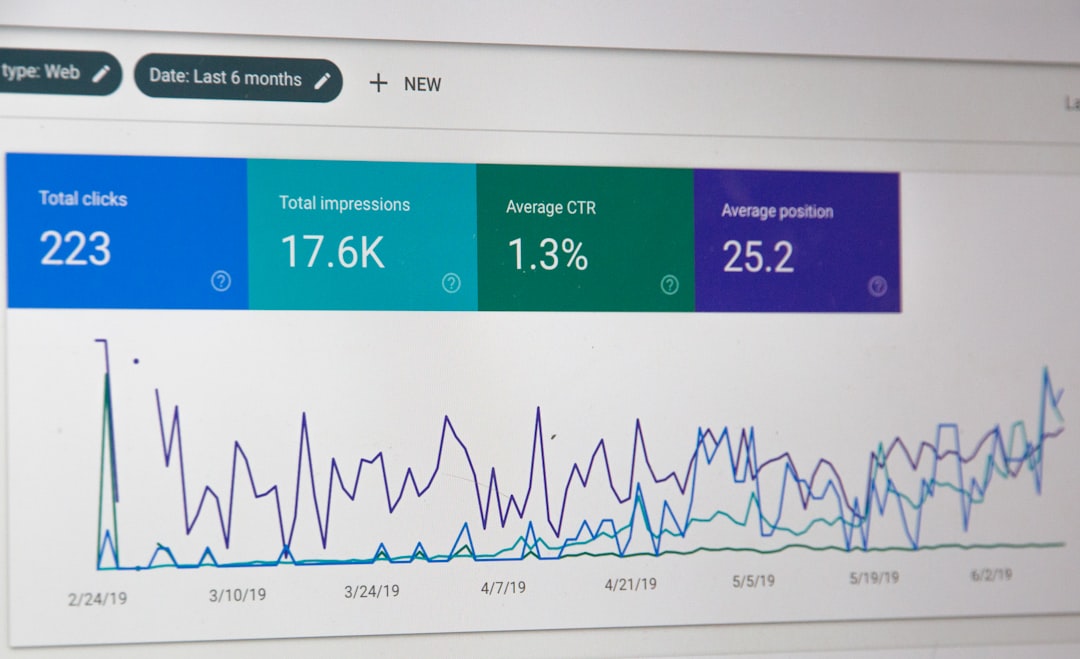
The Volume-First Trap: Why It’s Failing So Many People
Here’s the uncomfortable truth: the old playbook of “find a keyword with 10,000 monthly searches and write about it” is a 2019 strategy that produces 2026 disappointment. Volume-first keyword research is a 2019 strategy. In 2026, Google’s AI algorithms, AI Overview dominance, and zero-click search behavior mean that chasing high-volume keywords without matching intent produces traffic that converts to nothing — or no traffic at all.
The numbers make this even starker. With 58.5% of searches now resulting in zero clicks, understanding search intent has become more important than chasing volume. Think about that for a second — more than half of all Google searches end without a single click to any website. If you’re targeting broad, high-volume head terms, you’re competing for a shrinking slice of the pie.
And it gets more nuanced. With 91.8% of all searches being long-tail keywords, and AI search platforms accounting for growing search share, successful 2026 keyword research must serve two purposes: ranking in traditional search results and being cited in AI-generated answers.
The Intent-First Revolution: What This Actually Means in Practice
So if volume is out, what’s in? Intent. Full stop. Keyword research in 2026 means identifying the exact questions, problems, and decisions your target audience is searching for, then matching your content to the intent behind each search — not just the words used.
The most successful SEO professionals have shifted to an intent-first keyword strategy: identify what the user is trying to accomplish, then build content that is the clearest, most authoritative answer. This isn’t just philosophical — it’s a measurable shift in how Google’s algorithm works.
Here’s a quick framework to understand intent categories before you pick any keyword:
- Informational: The user wants to learn something (e.g., “how does keyword difficulty work”). Blog posts and guides win here.
- Navigational: The user wants a specific brand or page (e.g., “Ahrefs login”). Don’t bother targeting these unless it’s your own brand.
- Commercial: The user is comparing options (e.g., “best keyword research tools 2026”). Comparison articles and reviews thrive here.
- Transactional: The user is ready to buy or sign up. Service pages and landing pages own this territory.
The mistake most brands make is writing informational content for transactional keywords, or creating service pages for informational queries. The match between intent and content format is more important than keyword density.
Long-Tail Keywords: The Underrated Engine of Real Traffic
One of the biggest mindset shifts I’ve seen work consistently is leaning hard into long-tail keywords — and the data firmly backs this up. Long-tail keywords are specific phrases (3+ words) with lower volume but higher conversion rates. Research shows 91.8% of searches are long-tail, and they convert at 2.5 times the rate of short-tail terms.
This is especially powerful for newer sites. For beginners, long-tail and question keywords are the fastest path to ranking. They have lower competition, attract highly specific audiences, and are more likely to be featured in Google’s People Also Ask boxes.
Don’t dismiss a keyword just because a tool shows low or even zero volume. Many valuable B2B queries don’t register in keyword tools because search volume is too low — but they represent high-intent buyers. Terms like “HubSpot onboarding agency London” may show zero volume yet drive qualified pipeline.
AI Search Changes Everything (Including Your Keyword Strategy)
Here’s the layer most guides are still ignoring: the rise of AI-powered search engines like ChatGPT, Perplexity, and Google’s own AI Overviews has fundamentally changed the game. Keyword research in 2026 combines traditional search analysis with AI search optimisation to identify the terms and topics your audience uses across Google, ChatGPT, and Perplexity.
We find ourselves in an era where understanding the nuances of search behavior is the gold standard. Keywords have morphed into a conversational context, matching user queries with user intent more accurately than ever.
One practical implication: a keyword can be one word, a few words, or even a full sentence. People who use AI tools to find information are asking for that info in full sentences, usually questions — so you’ll want to prioritize using and answering full questions in your blog posts.
Tools That Actually Work Right Now
You don’t need to spend a fortune to do solid keyword research. Here’s a practical stack worth considering:
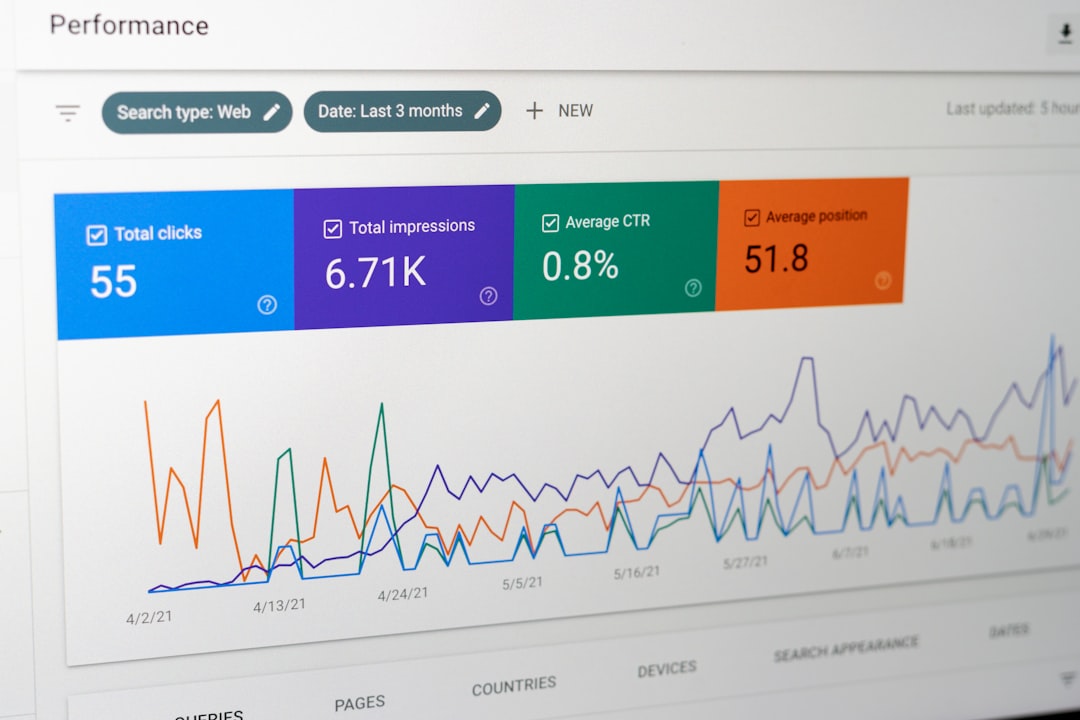
- Google Search Console: Search Console shows you what people have searched when your site appears in the results — and yes, this includes AI Overviews / AI Mode queries, too.
- Semrush / Ahrefs / SE Ranking: Use Google Keyword Planner, Semrush, Ahrefs, or similar tools to expand your seed keywords. These remain the gold standard for volume, difficulty, and SERP analysis.
- AlsoAsked: AlsoAsked is a fantastic question-finding tool — just type in a keyword or trend and get a graph of all the related questions people are asking about the subject.
- Social Platforms (TikTok, Reddit, YouTube): Searches on TikTok, YouTube, Instagram, and Reddit reveal how your audience actually phrases their questions. These social search queries often translate directly to blog and content opportunities.
One important warning: don’t ask ChatGPT to give you blog keywords — it’ll lie to you. The data is never accurate in terms of how popular or difficult a particular keyword is. Use AI to help you brainstorm seed ideas, but validate everything with a real SEO tool.
How Often Should You Revisit Your Keyword Strategy?
This is something a lot of content teams get wrong — they do keyword research once and treat it like a permanent map. Review keyword strategy quarterly for most businesses. Search behaviour, competitor positioning, and AI search patterns evolve continuously. For fast-moving niches, monthly check-ins are worth the investment. Annual keyword research is simply insufficient given the pace of change in 2026.
The Business Case: Why Getting This Right Pays Off Enormously
Still on the fence about investing serious time in keyword research? Consider this: B2B companies using strategic keyword research achieve 702–1,389% ROI from SEO according to First Page Sage research. And the gap between doing it right versus doing it casually is enormous — thought leadership SEO with strategic keyword research delivers 748% ROI over three years, whilst basic content marketing without proper keyword research delivers only 16% ROI.
Put another way, the difference between a 748% return and a 16% return is largely just intent-driven keyword research. That’s not a marginal improvement — it’s a completely different business outcome.
A Quick Checklist Before You Publish Anything
- ✅ Does your primary keyword reflect a specific user intent (informational, commercial, transactional)?
- ✅ Have you manually Googled the keyword and matched your content format to what already ranks?
- ✅ Does your keyword have a Difficulty score below 30 if you’re a newer site?
- ✅ Have you included related question keywords as H2/H3 headers naturally in the content?
- ✅ Have you checked whether a Google AI Overview appears for this keyword — and if so, structured your answer to be cited in it?
- ✅ Is your content answering a real question a real person would type (including full-sentence queries)?
No more meandering articles that eventually lead to a link. When you create SEO content this year, you need to get right to the point — several times throughout the article, in fact. And while you can end with a call to action, you need to provide something of value in the article itself.
The bottom line: keyword research in 2026 isn’t harder — it’s just different. You’re no longer hunting for popular terms to stuff into a page. You’re mapping real human questions to authoritative, intent-matched answers. Start there, and the traffic will follow.
💬 Drop a comment below and tell me: Are you still using a volume-first approach, or have you already made the shift to intent-first keyword research? I’d love to hear what’s working (and what isn’t) in your niche right now.
📚 관련된 다른 글도 읽어 보세요
- I Wasted 6 Months Chasing High-Volume Keywords — Here’s What Actually Works in 2026
- Why My Rankings Tanked After Following ‘Best Practices’ — A Real 2026 Keyword Research Survival Guide
- 아직도 볼륨만 보고 키워드 뽑아요? 2026 기준 진짜 되는 키워드 리서치 전략
태그: []
Leave a Reply