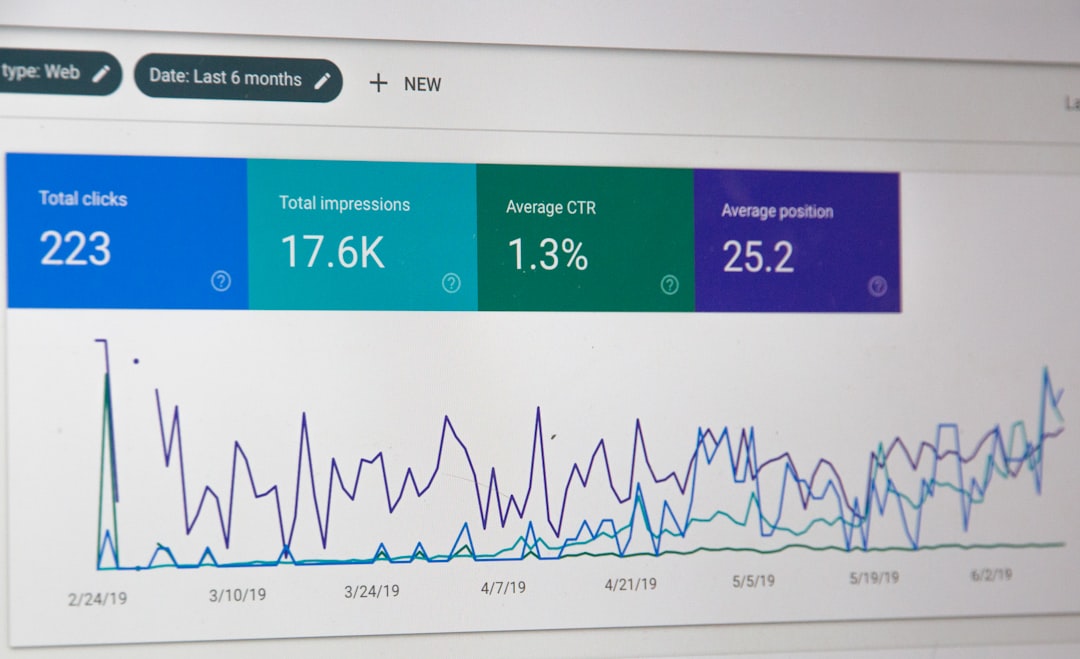
A friend of mine — a smart, hard-working content creator — spent half a year pumping out two blog posts a week. She had a calendar, a Notion board, and an unshakeable belief in “just keep publishing.” Then she checked Google Search Console and found that almost none of her articles had earned a single organic click. Sound familiar? That story sent me down a deep rabbit hole into what keyword research actually looks like in 2026 — and honestly, what I found surprised even me.
The Old Rules Are Officially Broken
Let’s get the uncomfortable truth out of the way first. Despite repeated claims that “keywords are dead,” the reality is nuanced: keywords still signal relevance to search engines, but exact match chasing is obsolete — keyword stuffing does not improve rankings, and today’s systems focus on meaning, intent, and topic coverage rather than exact word counts.
And here’s a stat that should stop you cold: 90% of webpages receive no Google traffic, according to Ahrefs — and poor keyword selection drives most of those failures. That’s not a content quality problem. That’s a strategy problem.
Keyword research has fundamentally shifted from volume-first to intent-first methodology. With 58.5% of searches now resulting in zero clicks, 91.8% of all searches being long-tail keywords, and AI search platforms accounting for a growing share, successful 2026 keyword research must serve two purposes: ranking in traditional search results and being cited in AI-generated answers.
What Keyword Research Actually Means in 2026
Keyword research in 2026 means identifying the exact questions, problems, and decisions your target audience is searching for, then matching your content to the intent behind each search — not just the words used.
Think about it from a user’s perspective. A keyword can be one word, a few words, or even a full sentence. People who use AI tools to find information are asking for that info in full sentences, usually questions — so you’ll want to prioritize using and answering full questions in your blog posts.
This matters even more because even in 2026, AI search isn’t fully “freeform” — it still leverages structured content signals (keywords being one of them) to index and retrieve relevant pages. Without those signals, AI models may struggle to interpret your content’s purpose, especially in crowded niches. So while AI makes search smarter, it doesn’t make keyword data obsolete — it actually enhances the need to understand and use keywords intelligently.
The Real ROI Numbers Behind Getting This Right
This isn’t just theory — there’s serious money on the table. B2B companies using strategic keyword research achieve 702–1,389% ROI from SEO, according to First Page Sage research. And the gap between doing it well versus just winging it is staggering: thought leadership SEO with strategic keyword research (approximately 8 pages monthly) delivers 748% ROI over three years, whilst basic content marketing without proper keyword research (approximately 4 articles monthly) delivers only 16% ROI.
Still think keyword strategy is optional? Organic search generates 44.6% of all B2B revenue — the largest single channel. That’s not a niche tactic. That’s the main event.
Long-Tail: Still Your Best Friend (With a Modern Twist)
Long-tail keywords are specific phrases (3+ words) with lower volume but higher conversion rates — and research shows 91.8% of all searches are long-tail, converting at 2.5 times the rate of short-tail terms.
Long-tail keywords are essential for SEO in 2026 because they target highly specific queries. Instead of broad terms with heavy competition, long-tail keywords attract users who already know what they want — often leading to more focused engagement and better conversion opportunities.
Here’s a practical reality check from the trenches: many valuable B2B queries don’t register in keyword tools because search volume is too low — but they represent high-intent buyers. Terms like “HubSpot onboarding agency London” may show zero volume yet drive qualified pipeline. Don’t dismiss a keyword just because a tool shows “0” searches.

A Practical 5-Phase Workflow You Can Start Today
Forget the complexity. A recommended workflow for 2026 uses a five-phase framework: generate ideas, assess volume and difficulty, map to intent, cluster into topic silos, and build an editorial calendar — because in 2026, search intent is more nuanced than ever, and knowing what users mean behind their queries helps you craft content that actually answers questions, not just ranks.
- Phase 1 — Seed Keywords: Before opening any keyword tool, write down the 10–20 most common questions your customers ask before hiring you or buying from you. These are your seed keywords. Real customer language is almost always better than industry jargon.
- Phase 2 — Expand with Tools: Use Google Keyword Planner, Semrush, Ahrefs, or similar tools to expand your seed keywords. Searches on TikTok, YouTube, Instagram, and Reddit also reveal how your audience actually phrases their questions — and these social search queries often translate directly to blog and content opportunities.
- Phase 3 — Assess Volume & Difficulty: Keyword Difficulty (KD) indicates ranking challenge — lower KD equates to more accessible targets, and beginners should focus on terms scoring below 30.
- Phase 4 — Map to Intent: The common mistake is writing informational content for transactional keywords, or creating service pages for informational queries. The match between intent and content format is more important than keyword density.
- Phase 5 — Cluster & Publish: Rather than targeting one keyword per page, create clusters of thematically linked content. This approach increases authority and ranks for multiple related terms.
One Tool Warning You Need to Hear
A word of caution that’s saved me personally from going down the wrong path: don’t ask ChatGPT to give you blog keywords — the data is never accurate in terms of how popular or difficult a particular keyword is. Stick with trusted SEO platforms like Semrush, Ahrefs, or SE Ranking.
How Often Should You Revisit Your Keyword Strategy?
Review your keyword strategy quarterly for most businesses. Search behaviour, competitor positioning, and AI search patterns evolve continuously — monthly reviews are appropriate for fast-moving industries or during major product launches, and annual keyword research is simply insufficient given the pace of change in 2026.
The bottom line is beautifully simple: Right Keyword + Right Intent + Quality Content = Traffic.
If your current content strategy skips the keyword research step — or relies on gut feel and volume alone — you’re essentially publishing into a void. The shift from volume-chasing to intent-mapping isn’t a trend. It’s the new baseline.
💬 Drop a comment below: Are you still using a volume-first approach, or have you already made the switch to intent-first keyword research? I’d love to hear what’s been working (or not working) for you in 2026 — let’s compare notes!
📚 관련된 다른 글도 읽어 보세요
- Stop Chasing Volume — The 2026 Keyword Research Reality Check That Changed How I Work
- Stop Chasing Volume — Here’s How Keyword Research Actually Works in 2026
- I Wasted 6 Months Chasing Volume — My Real 2026 Keyword Research Reset
태그: []
Leave a Reply