A friend of mine spent three months grinding out blog content last year. Solid writing, clean site, decent backlinks. Traffic? Practically nothing. When we finally sat down together and pulled up his keyword strategy, the problem was obvious: he was targeting high-volume, one-word head terms and completely ignoring search intent. It’s a mistake I see constantly, and honestly, one I made myself when I first started. So let’s talk about what actually works in 2026 — because the rules have quietly but fundamentally shifted.
Why the Old Volume-First Approach is Hurting You
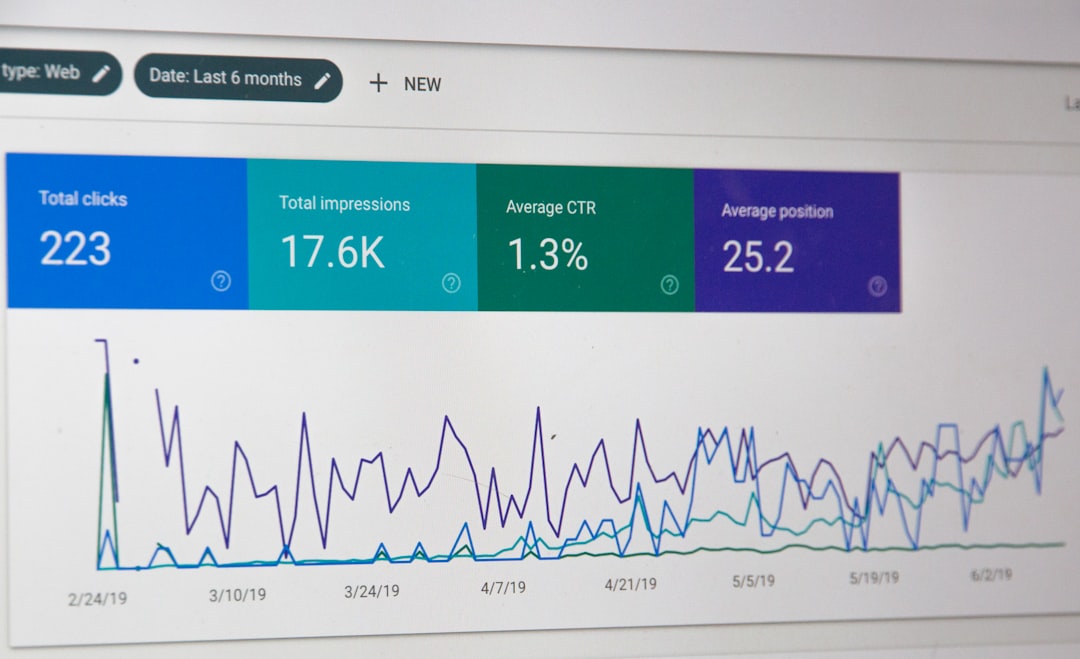
Here’s the uncomfortable truth: chasing high search volume in 2026 is often a trap. With 58.5% of searches now resulting in zero clicks, understanding search intent has become more important than chasing volume. Think about what that really means — more than half the people who type something into Google never leave Google. AI Overviews, featured snippets, and knowledge panels are absorbing answers before users ever reach your site. So if you’re optimizing purely for impressions, you’re building on sand.
Keyword research has fundamentally shifted from volume-first to intent-first methodology. With 91.8% of all searches being long-tail keywords, and AI search platforms accounting for growing search share, successful 2026 keyword research must serve two purposes: ranking in traditional search results and being cited in AI-generated answers. That second part is new — and most people aren’t doing it yet.
The Intent-First Framework That’s Actually Working
Keyword research in 2026 means identifying the exact questions, problems, and decisions your target audience is searching for, then matching your content to the intent behind each search — not just the words used. This is a subtle but massive distinction. Two people can type nearly the same phrase with completely different goals, and if your content doesn’t match what they actually want, you won’t rank — period.
The mistake most brands make is writing informational content for transactional keywords, or creating service pages for informational queries. The match between intent and content format is more important than keyword density. If you see a transactional SERP full of product pages and you publish a how-to guide, you’re almost certainly going nowhere.
In 2026, search engines weigh relevance and user satisfaction heavily, so choosing the right keywords ensures your content aligns with what real people are looking for. AI-driven ranking systems also evaluate context, meaning your keyword strategy should focus on clarity, precision, and intent rather than stuffing or repetition.
Long-Tail Keywords: Still Underused, Still Winning
If you’re a newer site or working in a competitive niche, long-tail keywords are still your best friend — and the data backs this up hard. Long-tail keywords are specific phrases (3+ words) with lower volume but higher conversion rates. Research shows 91.8% of searches are long-tail, and they convert at 2.5 times the rate of short-tail terms.
Keyword Difficulty (KD) indicates ranking challenge. Lower KD equates to more accessible targets — consequently, beginners should focus on terms scoring below 30. Pair that low difficulty with a clear transactional or commercial intent, and you’ve got a realistic shot at page one even on a young domain.
By targeting long-tail, intent-rich phrases you can outrank competitors for queries that matter most to your business. This is the actual playbook serious SEOs use in 2026 — not hunting for the highest-volume vanity keyword in the niche.
The 5-Phase Workflow You Should Steal
Rather than random keyword hunting, structured workflows win every time. A five-phase framework works best: generate ideas, assess volume and difficulty, map to intent, cluster into topic silos, and build an editorial calendar. In 2026, search intent is more nuanced than ever — knowing what users mean behind their queries helps you craft content that actually answers questions, not just ranks.
Here’s a quick breakdown of each phase:
- Phase 1 — Seed Keyword Brainstorm: Before opening any keyword tool, write down the 10–20 most common questions your customers ask before hiring you or buying from you. These are your seed keywords. Real customer language is almost always better than industry jargon.
- Phase 2 — Expand & Assess: Use Google Keyword Planner, Semrush, Ahrefs, or similar tools to expand your seed keywords. Filter by KD score and search volume to find your sweet spots.
- Phase 3 — Intent Mapping: Map intent categories — informational, navigational, transactional — and how they map to funnel stages. One keyword per intent per page.
- Phase 4 — Topic Clustering: Rather than targeting one keyword per page, create clusters of thematically linked content. This approach increases authority and ranks for multiple related terms.
- Phase 5 — Editorial Calendar: Batch your clusters into a publishing schedule, prioritizing quick-win low-KD targets first to build domain trust.
Tools That Are Actually Worth Using in 2026
The toolbox for keyword research has expanded significantly from cumbersome spreadsheets and basic Google searches. By 2026, a slew of emerging tools harness AI and predictive analytics, providing insights that are quicker, smarter, and more actionable. But more tools doesn’t mean better results — it means more noise if you don’t know what you’re looking for.
Here are the categories that matter most right now:
- Intent-analysis tools: These tools analyze how people phrase questions and what information they expect to find. They help you understand why someone searches for a keyword — not just how often they search for it. This is especially important as search engines continue to prioritize context and relevance.
- Competitor gap tools: Competitor-focused tools show which topics other websites are ranking for and how they structure their content. They help you identify gaps in the market and understand which keywords are worth pursuing based on actual performance — not guesswork.
- Social search signals: Searches on TikTok, YouTube, Instagram, and Reddit reveal how your audience actually phrases their questions. These social search queries often translate directly to blog and content opportunities.
- AI search monitoring: For your target keywords, check whether Google AI Overviews appear — if they do, you need to structure your content to be cited within those overviews, not just ranked below them.
How Often Should You Revisit Your Keyword Strategy?
This is where a lot of content teams drop the ball. Quarterly for core strategy, with monthly monitoring of keyword rankings and search volume trends. AI search behavior changes rapidly enough in 2026 that annual keyword audits are no longer sufficient. Set a calendar reminder now. Seriously.
And watch out for keyword cannibalization — a sneaky problem that silently tanks rankings. Keyword cannibalization is when multiple pages on your site target the same primary keyword, causing them to compete against each other. This splits authority and often causes neither page to rank well. Each primary keyword should map to one canonical page.
The ROI Case: Why This Is Worth Your Time
Still not convinced keyword research deserves a dedicated block of your week? Consider this: B2B companies using strategic keyword research achieve 702–1,389% ROI from SEO according to First Page Sage research. And the delta between doing it right vs. doing it casually is enormous — thought leadership SEO with strategic keyword research delivers 748% ROI over three years, whilst basic content marketing without proper keyword research delivers only 16% ROI. That’s not a small gap. That’s the difference between a growth engine and a content hamster wheel.
If you’re earlier in your SEO journey and don’t have budget for premium tools yet, don’t panic. Research consistently shows that free tools adequately support beginners, avoiding immediate financial commitment. Start with Google Search Console, Google Keyword Planner, and AnswerThePublic — then layer in paid tools as your traffic grows.
Bottom line: Volume is a vanity metric. Intent is a revenue metric. If your keyword strategy in 2026 still starts with “what has the most monthly searches?”, it’s time to flip the script — start with your customer’s real questions, map those to intent and funnel stage, cluster your content, and monitor quarterly. That’s not a hack. That’s just the actual job now.
📚 관련된 다른 글도 읽어 보세요
- 돈 날리기 전에 읽어라: Web3 게임 블록체인 적용 사례 TOP 5 + 시장규모 $336억 [2026 완전판]
- Stop Chasing Volume — The 2026 Keyword Research Reality Check That Changed How I Work
- 월가도 못 막는다: 스테이블코인 시총 $3,200억 돌파, 2026년 지금 당장 알아야 할 5가지 냉혹한 진실
태그: []
Leave a Reply