Picture this: It’s early 2026, and a friend of yours — let’s call her Maya — has been holding a diversified altcoin portfolio since 2023. She’s watched some tokens 10x, others vanish entirely, and now she’s staring at a market that looks almost unrecognizable compared to when she first started. The rules have changed. The players have changed. And honestly? The definition of what makes an altcoin valuable has fundamentally shifted.
If Maya’s story sounds familiar, you’re not alone. The altcoin ecosystem in 2026 is undergoing one of its most consequential structural transformations to date — and understanding why it’s happening is just as important as knowing what is happening. Let’s think through this together.
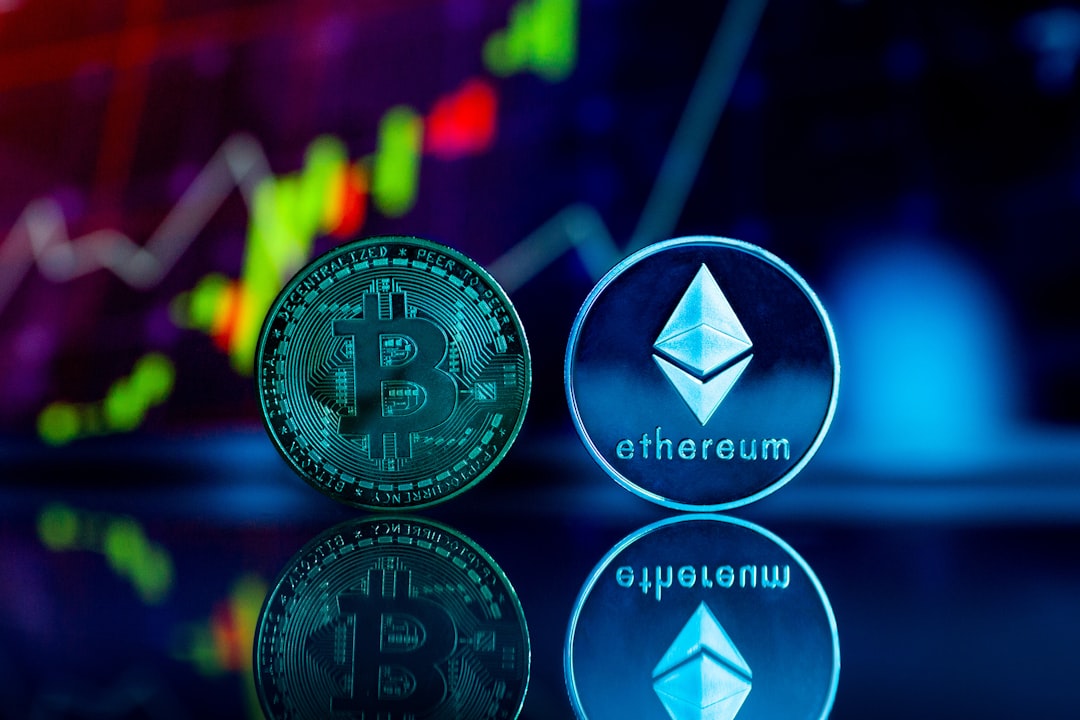
📊 The Numbers Behind the Shift: Where the Market Stands in 2026
Let’s ground ourselves in data before diving into trends. As of Q1 2026, the total altcoin market capitalization hovers around $1.8 trillion, representing roughly 42% of the total crypto market — a notable increase from the 35% share seen during Bitcoin’s last dominance cycle. But raw market cap tells only part of the story.
More telling is where capital is flowing. According to on-chain analytics platforms like Glassnode and Nansen, institutional allocation toward Layer-2 tokens, Real-World Asset (RWA) protocols, and AI-integrated blockchain projects has surged by over 170% year-over-year. Meanwhile, purely speculative meme coins — while still generating viral trading volume — are seeing dramatically shorter lifecycle peaks, with average “pump-to-dump” cycles compressing from months to sometimes mere days.
What does this tell us? The market is maturing in some segments while becoming more volatile in others. That’s a nuanced duality we need to hold in mind.
🔄 Three Core Structural Changes Reshaping the Altcoin Landscape
Let me walk you through the three biggest ecosystem shifts I’m tracking right now — and why each one matters for how you think about altcoins going forward.
1. The Rise of Utility-First Token Models
The era of tokens surviving purely on hype is rapidly closing. Regulatory clarity — particularly following the EU’s MiCA framework fully kicking in and the U.S. finally passing the Digital Asset Market Structure Act in late 2025 — has forced projects to demonstrate real utility. Tokens tied to decentralized physical infrastructure (DePIN), AI compute networks, and cross-border payment rails are attracting sustained developer and investor interest because they have verifiable economic models.
2. Layer-2 Fragmentation Is Both a Problem and an Opportunity
With over 80 active Layer-2 ecosystems now operating on Ethereum and other base chains, liquidity fragmentation has become a genuine headache. However, cross-chain interoperability protocols — think projects in the vein of LayerZero and newer competitors — are building the “plumbing” that could unify these siloed ecosystems. Altcoins that serve as interoperability infrastructure are quietly becoming some of the most strategically positioned assets in the space.
3. AI x Blockchain Convergence Is No Longer Theoretical
In 2026, the fusion of AI and blockchain isn’t a whitepaper fantasy — it’s operational. Networks that offer decentralized AI inference, verifiable computation, and tokenized data marketplaces are drawing billions in venture capital. Tokens like those powering decentralized GPU networks have seen explosive developer adoption as demand for AI compute continues to outpace traditional cloud supply chains.
🌍 Global Examples: Who’s Getting It Right (and Who’s Struggling)
Let’s look at some real-world case studies from different corners of the globe, because the altcoin story in 2026 is very much a geographic story too.
South Korea — The Retail Resilience Market: Korean exchanges like Upbit and Bithumb continue to be powerful price-discovery engines, particularly for mid-cap altcoins. Korean retail investors have historically driven outsized volume in projects with strong community narratives — a trend that hasn’t disappeared but is now layered with more fundamental analysis, partly due to DAXA (the Digital Asset eXchange Alliance) implementing stricter listing standards. Projects that want Korean market traction now need both the story and the substance.
The European Union — Institutional Adoption Under MiCA: Since MiCA’s full enforcement, EU-based asset managers have quietly begun incorporating select altcoin positions into diversified digital asset funds. The focus? Tokens with auditable smart contracts, transparent governance, and identifiable teams. This has effectively created a “two-tier” altcoin market in Europe — compliant tokens thriving, unregulated tokens losing access to fiat on-ramps.
Southeast Asia — DeFi Adoption Driving Demand: Countries like the Philippines, Vietnam, and Indonesia remain among the highest per-capita DeFi users globally. For these markets, altcoins powering remittance solutions, micro-lending protocols, and mobile-first DeFi apps aren’t speculative assets — they’re functional financial tools. This demographic drives organic, sustained token utility in ways that purely speculative Western retail markets often don’t.
⚠️ The Risks Nobody’s Talking About Enough
It’d be irresponsible of me to paint only the optimistic picture. Here are the ecosystem risks that deserve serious attention in 2026:
- Token Dilution via Excessive VC Unlocks: Many 2022-2024 era projects still have significant vesting unlocks scheduled throughout 2026, creating consistent sell pressure that can suppress price appreciation even for fundamentally strong tokens.
- Regulatory Arbitrage Closing: Jurisdictions that previously served as crypto-friendly havens are tightening rules. Projects that built their legal structure around loopholes may face existential compliance challenges mid-year.
- AI-Driven Market Manipulation: Sophisticated bots and AI trading systems now dominate short-term altcoin price action, making it harder for retail participants to read genuine market signals from noise.
- Narrative Fatigue: After multiple “AI crypto” and “RWA” cycles, investor communities are becoming quicker to dismiss new narratives — meaning projects need actual traction, not just compelling stories, to maintain interest.
- Bridge and Smart Contract Security: As cross-chain activity increases, attack surfaces expand. Major bridge exploits remain one of the ecosystem’s most damaging recurring events.
💡 Realistic Alternatives: How to Actually Navigate This Market
So, what should someone like Maya — or you — actually do with all of this? Here’s how I’d think about it practically:
If you’re a long-term investor: Shift your evaluation framework. Instead of asking “will this token pump?” ask “does this token have a defensible economic model in a regulated environment?” Focus on tokens with real revenue, active developer ecosystems, and clear utility. Layer-2 infrastructure, RWA protocols, and decentralized AI compute networks are worth serious research time in 2026.
If you’re an active trader: Recognize that the old playbook of buying early-stage narrative tokens and riding hype cycles has compressed dramatically. Position sizing discipline and strict stop-losses are non-negotiable. Consider using on-chain data tools (Nansen, Dune Analytics, Token Terminal) rather than Twitter sentiment as your primary signal source.
If you’re completely new: Honestly? Start with understanding Bitcoin and Ethereum before allocating to altcoins. Once you have that foundation, consider dollar-cost averaging into 2-3 carefully researched projects rather than spreading thin across dozens. Quality over quantity has never mattered more than in today’s market.
For everyone: Pay attention to token unlock schedules, audit histories, and team transparency. These used to be “advanced” considerations — in 2026, they’re table stakes.
The altcoin ecosystem in 2026 isn’t dying — it’s filtering. The noise is getting louder, but so is the signal, if you know where to look. The market is becoming simultaneously more institutionalized and more globally diverse, which creates fascinating opportunities alongside genuine complexity.
The projects that will define the next chapter aren’t necessarily the flashiest — they’re the ones solving real problems with sustainable economic models, operating transparently under evolving regulatory frameworks. That’s a harder bar to clear than posting a viral tweet, but it’s a far more durable foundation for long-term value.
Maya, by the way, reorganized her portfolio around these principles in January 2026. She’s sleeping a lot better now.
Editor’s Comment : The altcoin market in 2026 is a fascinating mirror of where the broader digital economy is heading — messy, dynamic, and full of both genuine innovation and genuine risk. My honest take? The investors who thrive won’t be the ones who picked the right narrative fastest; they’ll be the ones who developed the discipline to separate structural value from speculative noise. The ecosystem is maturing whether the hype-chasers are ready or not. Might as well be ready.
태그: [‘altcoin market 2026’, ‘crypto ecosystem trends’, ‘DeFi altcoin outlook’, ‘blockchain investment strategy’, ‘Layer-2 tokens’, ‘RWA crypto tokens’, ‘altcoin portfolio 2026’]
Leave a Reply